Best Kansas Lake for Ice Fishing
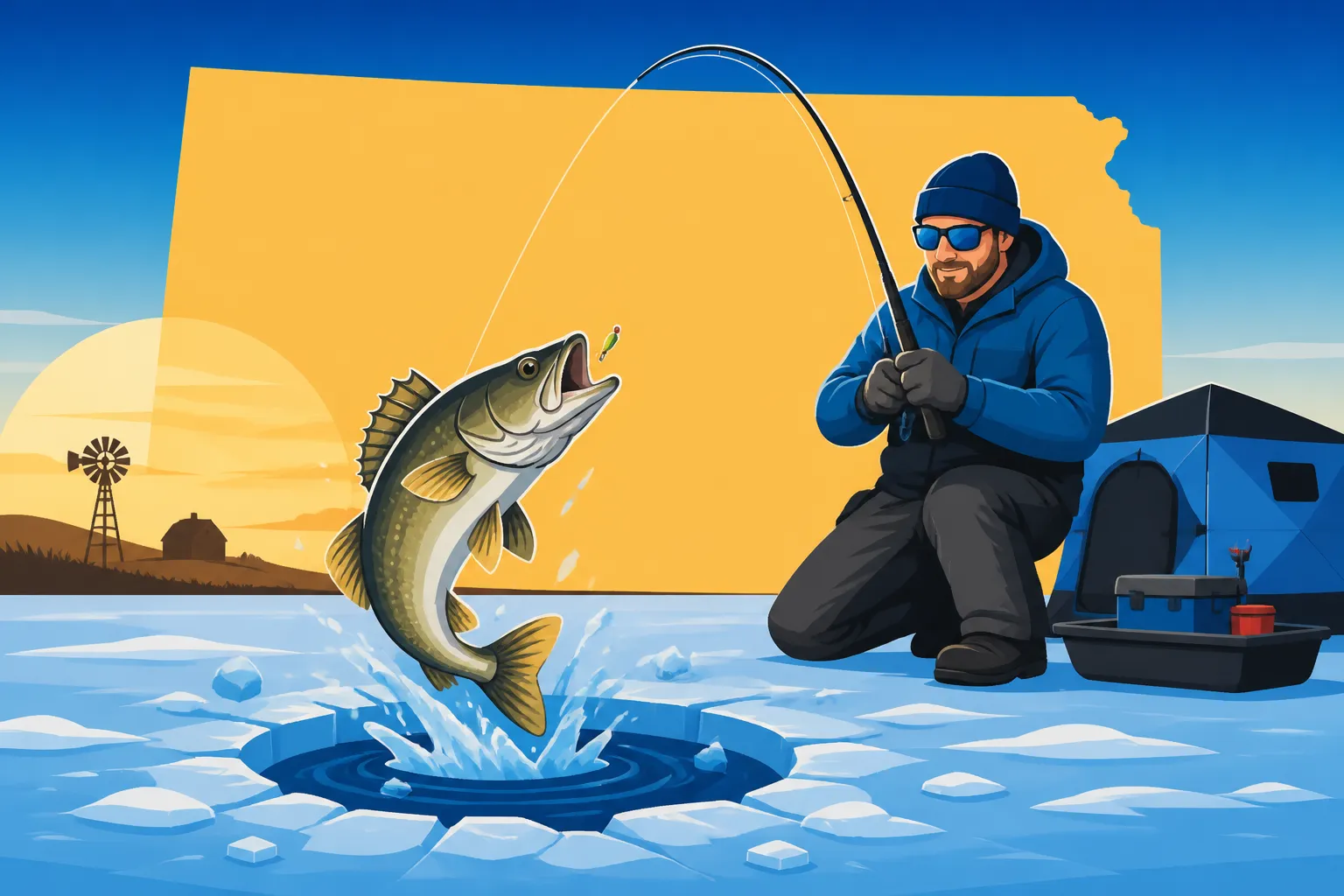
Ice fishing in Kansas can be an incredibly rewarding experience, offering a unique challenge and the chance to reel in some fantastic fish during the quiet winter months. However, the ever-changing nature of our Kansas winters means reliable, safe ice isn't a guarantee everywhere. Many anglers face the frustration of getting excited for hardwater season only to find variable ice conditions or difficulty knowing where to even start looking for safe fishing. This guide is here to cut through that uncertainty, pinpointing the best Kansas lakes for ice fishing and giving you the insider knowledge you need to hit the ice confidently and successfully.
Navigating Kansas's Winter Wonderland: The Quest for Safe Ice
Kansas winters are a fickle beast, swinging from mild days that barely freeze puddles to brutal cold snaps that lock down our larger reservoirs. This variability is the biggest hurdle for anyone looking to get into ice fishing here. You can't just assume a lake is frozen solid because it's December; you have to be vigilant about ice safety and know what to look for.
Understanding Kansas Ice Conditions and Safety
Before you even think about drilling a hole, the absolute most critical thing is knowing the ice is safe. There's no fish worth risking your life for, and Kansas often sees fluctuating temperatures that can create deceptive ice. What was safe yesterday might not be safe today, especially after a warm spell or snowfall. Always check local conditions and understand that clear, solid ice is always stronger than cloudy or fractured ice. The Kansas Department of Wildlife and Parks (KDWP) doesn't typically provide daily ice thickness reports for all lakes, so it's up to you to be smart. When you're heading out, consider the guidance in our more detailed article on How Thick Does Ice Need to Be to Fish? to ensure you're making safe choices.
Beginners should always fish with a buddy, and everyone should carry a spud bar to test the ice ahead of them, especially when moving into unfamiliar areas. Ice picks worn around your neck are cheap insurance and can be a lifesaver if you do go through. Remember, moving water, inlets, outlets, and areas with submerged timber or vegetation will often have weaker ice.
Key Considerations for Choosing an Ice Fishing Lake
When selecting a lake for your Kansas ice fishing adventure, several factors should weigh into your decision. Beyond just ice safety, you want to think about what kind of fish you're hoping to catch and the facilities available.
- Reliability of Freeze: Larger, deeper reservoirs often take longer to freeze solid but, once frozen, tend to hold ice better through minor warmups. Smaller community lakes and ponds can freeze faster but are also quicker to thaw. For the most consistent action, you'll generally look for lakes that historically get good, consistent ice.
- Target Species: Are you dreaming of a trophy walleye, a cooler full of crappie, or perhaps some feisty stocked trout? Different lakes excel for different species. Knowing what you want to target will heavily influence your choice.
- Access and Amenities: How far are you willing to travel? Are there nearby bait shops? Are the access points easily reachable during winter conditions? Some state parks offer plowed access, while others might be more challenging. If you're planning a full trip, checking out resources like FishingBooker can sometimes give you an idea of popular spots and even local guide availability, though specialized ice fishing guides in Kansas are less common than open-water guides.
Top Kansas Lakes That Shine for Ice Fishing
While Kansas might not be known as an ice fishing mecca like some northern states, we have several fantastic lakes that offer incredible opportunities when conditions are right. These are the mainstays that seasoned Kansas ice anglers often flock to.
Milford Lake: The Giant of the Plains
Milford Lake, near Junction City, is not only the largest lake in Kansas but also one of its premier ice fishing destinations when it freezes sufficiently. Its sheer size means it can take longer to lock up, but when it does, the fishing can be phenomenal. Anglers here often target walleye, crappie, and white bass.
- Walleye Wonderland: Milford is famous for its walleye population, and they are a prime target through the ice. Look for rocky points, humps, and submerged structure in 15-30 feet of water. Jigs tipped with shiners or minnows, or small spoons like Jigging Raps, are highly effective. The areas around the dam, School Creek, and other major coves can be productive. Knowing when to target specific depths for walleye is crucial, as they can suspend or hug the bottom depending on the day.
- Crappie and White Bass: For crappie, focus on brush piles, standing timber, and creek channels, especially in the larger coves. Depths often range from 10-25 feet. Small jigs, often tipped with a crappie minnow or a waxworm, fished under a sensitive bobber, are the ticket. White bass often school up in large numbers, particularly near the river channels in the upper end of the lake, offering fast action when you find them. They respond well to aggressive jigging with spoons or small swimbaits. Many anglers wonder Is Milford Lake Good for Ice Fishing? – and the answer is a resounding yes, given safe ice conditions.
Wilson Lake: The Clearest Waters
Located in central Kansas near Lucas, Wilson Lake boasts some of the clearest water in the state, which can make for some exciting sight-fishing opportunities through the ice. It's renowned for its walleye and striped bass (wipers).
- Walleye and Wiper Action: Wilson's walleye fishery is robust, and ice anglers have great success targeting them on rocky points, ledges, and humps. The clear water here means presentation can be key; lighter lines and more subtle jigging motions often pay off. Wipers, a hybrid striped bass, are also a huge draw. They are aggressive fighters and can be found roaming open water or relating to structure, often in shallower water than walleye, especially during low-light periods. They will hammer spoons and larger jigs. If you're asking Is Wilson Lake Good for Ice Fishing?, just ask a local who's pulled a massive walleye through the ice there.
- Structure and Depth: Given the clear water, using a good fish finder is even more critical here to locate schools and understand depth changes. The numerous submerged rock piles and creek beds provide excellent ambush points for predators. Access can sometimes be tricky due to steep banks and wind-blown areas, so scout your entry points carefully.
Cheney Reservoir: The Western Gem
Just west of Wichita, Cheney Reservoir is another excellent choice for ice fishing, particularly for walleye, wipers, and crappie. Its expansive, relatively shallow nature allows it to freeze more consistently than some of the deeper reservoirs.
- Consistent Walleye and Wiper Bites: Cheney offers excellent walleye fishing through the ice, with many anglers finding success drifting or jigging spoons and minnow-imitating baits over the flats and around submerged humps. The lake also has a strong wiper population, which provides exciting, hard-fighting action. When found, wipers can offer non-stop excitement, and they often hang out in schools.
- Crappie and Other Panfish: Crappie fishing can be productive around brush piles and the scattered timber that exists in parts of the lake. Like other lakes, small jigs tipped with minnows or plastics are effective. Always check KDWP's current regulations for Kansas Crappie Length and Bag Limits to ensure you're compliant. Cheney can be very windy, so an ice fishing shelter is almost a necessity to stay comfortable.
Western Kansas Reservoirs: Hidden Opportunities
Don't overlook the reservoirs in western Kansas like Kirwin, Webster, and Lovewell. While further afield for many, these lakes can offer incredible ice fishing, particularly for walleye and crappie, with less pressure than their eastern counterparts. They often freeze earlier and maintain ice longer due to colder average temperatures in that part of the state.
Community and State Fishing Lakes: Close to Home Options
For anglers looking for closer-to-home options or those new to ice fishing, Kansas's numerous community and state fishing lakes offer fantastic opportunities. These smaller bodies of water often freeze faster and are stocked with a variety of species.
- Panfish Paradise: Lakes like Shawnee State Fishing Lake, Lake Shawnee, and various urban ponds are frequently stocked with channel catfish, bluegill, and redear sunfish. These panfish are perfect for beginners, as they are often eager biters and don't require specialized gear. Small jigs, waxworms, or corn are all effective.
- Winter Trout Program: Many community lakes participate in the KDWP's winter trout stocking program. This means you can target rainbow trout (and sometimes even golden rainbow trout!) through the ice. You'll need a specific Kansas Trout Permit Guide in addition to your regular fishing license. These lakes typically have excellent access and are managed specifically for recreational fishing, making them ideal for families or a quick trip.
Here's a quick comparison of some of the best ice fishing lakes in Kansas:
| Lake Name | Primary Target Species | Key Features/Challenges | Best For |
|---|---|---|---|
| Milford Lake | Walleye, Crappie, White Bass | Largest lake, diverse structure, can be very productive | Experienced anglers targeting trophy fish |
| Wilson Lake | Walleye, Wipers, Crappie | Clear water, rocky structure, good for sight fishing | Walleye/wiper specialists, clear-water fans |
| Cheney Reservoir | Walleye, Wipers, Crappie | Expansive, relatively shallow, can be very windy | Consistent walleye/wiper action |
| Kirwin/Webster/Lovewell | Walleye, Crappie | Western Kansas, often freeze earlier, less pressure | Dedicated walleye anglers, quieter experience |
| Community Lakes | Panfish, Channel Catfish, Trout | Fast freezing, easy access, stocked regularly | Beginners, families, casual outings |
Essential Species to Target Through the Ice in Kansas
Kansas offers a surprising variety of fish species that can be successfully targeted through the ice. Knowing what to pursue and how to approach them will greatly increase your chances of a successful and enjoyable day.
Walleye: The Coveted Cold-Water Predator
Walleye are undoubtedly one of the most sought-after fish for ice anglers in Kansas. They are fantastic eating and put up a respectable fight. In lakes like Milford, Wilson, and Cheney, they often hold tight to structure or suspend over deeper flats.
- Techniques for Ice Walleye: The most common techniques involve vertical jigging with spoons (like Northland Buck-Shot Rattle Spoons or Rapala Jigging Raps) tipped with a minnow head or soft plastic tail. Deadsticking a live minnow under a tip-up or a sensitive bobber in a nearby hole is also incredibly effective. Walleye tend to be more active during low-light periods (dawn, dusk, and even after dark), so plan your trips accordingly. Learning more about specific Kansas Walleye Fishing Techniques can drastically improve your success rates.
- Where to Find Them: Look for transition areas, humps, old creek channels, and the edges of main lake points. A good fish finder is invaluable for locating these subtle features and any suspended fish or baitfish schools.
Crappie and Panfish: Abundant and Fun
Crappie, bluegill, and redear sunfish are perfect targets for a fun day on the ice, especially if you're introducing kids to fishing or just want consistent action. These species are abundant in most Kansas lakes and ponds.
- Crappie Tactics: Crappie often school up around brush piles, standing timber, or suspended over deeper water in old creek channels. Small jigs (1/32 to 1/16 ounce) tipped with a crappie minnow, waxworm, or tiny plastic grub are deadly. Light line (2-4 lb test) and a sensitive rod are essential for detecting their subtle bites. Many anglers have success using a flasher or fish finder to pinpoint their depth and adjust their presentation.
- Bluegill and Redear: These panfish are often found closer to the bottom around weeds, rocks, or brush in shallower areas (5-15 feet). Tiny jigs, ice flies, or small hooks baited with waxworms, spikes, or even corn kernels work wonders. They don't require as much finesse as crappie, making them great for beginners.
White Bass and Wipers: Aggressive Fighters
When you find a school of white bass or wipers, be prepared for some fast and furious action! These aggressive predators will readily strike a variety of lures and can provide an exciting challenge through the ice.
- Finding the Schools: White bass and wipers are often found suspended in open water, chasing baitfish. They can also relate to structure, especially main lake points or channel edges. A good fish finder is crucial for locating these nomadic schools. Sometimes, you might find a massive school right under the ice!
- Active Presentations: These fish respond well to aggressive jigging with spoons, blade baits, or larger jigging raps. Once you find a school, be prepared to drop your lure quickly back down after catching one, as the school might move on quickly.
Trout (Stocked): A Special Winter Opportunity
Thanks to the KDWP's winter trout stocking program, many smaller community lakes and ponds in Kansas offer a unique opportunity to catch rainbow trout through the ice.
- Trout-Specific Tactics: Trout are often found cruising the upper water column or near the bottom in the areas where they were stocked. Small jigs, powerbait, corn, or worms fished under a bobber are highly effective. For more active presentations, small spoons or inline spinners (like Kastmasters or small Acme Kastmasters) can entice strikes. Remember, you'll need that Kansas Trout Permit Cost and Season on top of your standard license if you're 16 or older and targeting trout in these designated waters.
Gear Up and Stay Safe: Your Kansas Ice Fishing Checklist
Getting prepared for ice fishing in Kansas means thinking about both the gear that will help you catch fish and, more importantly, the equipment that will keep you safe on the ice.
Safety First, Always
This can't be stressed enough. Ice fishing carries inherent risks, and being prepared is paramount.
- Ice Safety Essentials:
- Spud Bar: An absolute must for testing ice thickness as you move. Don't go anywhere without it.
- Ice Picks: Wear them around your neck. If you fall in, these can help you pull yourself out.
- Throw Rope: A floating rope that can be thrown to someone who has gone through the ice.
- Life Vest: While optional for experienced anglers, wearing a personal flotation device (PFD) is always a smart move, especially in early or late ice conditions.
- Buddy System: Never fish alone, especially on unfamiliar ice.
- Tell Someone: Always let someone know where you're going and when you expect to return.
- Check Conditions: Even if you planned a trip using FishingBooker to scout locations, always check local, real-time ice reports and conditions before heading out.
Key Gear Essentials for a Successful Day
Having the right equipment not only makes fishing easier but also more comfortable in the often-harsh winter elements.
- Auger: You'll need a way to drill holes! Manual augers are great for thinner ice or a few holes. For thicker Kansas ice (which can easily be 8-15 inches), a power auger (gas, propane, or electric) is a game-changer. Consider what our guide on the Best Ice Fishing Auger for Kansas Lakes recommends for efficiency.
- Shelter: A portable ice fishing shelter (pop-up or flip-over style) is a wise investment. Kansas winds can be brutal, and a shelter provides crucial protection from the elements, allowing you to stay out longer and be more comfortable.
- Electronics: A fish finder, particularly a flasher, is incredibly helpful for ice fishing. It allows you to see the depth, the bottom contour, your lure, and approaching fish in real-time. This is invaluable for pinpointing active fish and adjusting your presentation.
- Ice Rods and Reels: Dedicated ice fishing rods are shorter and more sensitive, designed for jigging in a confined space and detecting subtle bites. Pair them with small spinning reels.
- Warm Clothing: Layers, waterproof outer shell, insulated boots, warm hat, gloves – these are non-negotiable. Hypothermia is a serious risk.
- Bait and Lures: Pack a variety of baits. Live bait like minnows, waxworms, and spikes are often essential. A good selection of ice jigs, spoons, and small swimbaits will cover most scenarios.
- Sled or Bucket: To transport your gear and a place to sit. Many ice fishing buckets have swivel seats.
- Ice Scooper: To clear slush and ice chips from your holes.
Regulations and Permits
Even in winter, Kansas fishing regulations apply. Ensure you have the proper licenses and permits before heading out.
- Fishing License: Anyone 16 years of age or older needs a valid Kansas fishing license. You can find comprehensive details in our Kansas Fishing License Guide.
- Trout Permit: If you're targeting trout in a designated winter trout stocking lake, and you are 16 or older, you'll need an additional trout permit.
- Creel and Length Limits: Always be aware of the daily creel limits and length limits for the species you are targeting. These are published annually by KDWP and are crucial for sustainable fishing. You can often find summaries on the KDWP website or through local bait shops.
By understanding the unique challenges and opportunities of ice fishing in Kansas, and by prioritizing safety and proper preparation, you can unlock a fantastic winter angling experience. Whether you're chasing trophy walleye on Milford or catching panfish on a local community pond, the hardwater season offers a special kind of peace and excitement.
Disclaimer
Please remember that ice conditions are never 100% safe. Always exercise extreme caution when on the ice. This guide provides general information and recommendations, but local conditions can change rapidly. Always check ice thickness yourself and prioritize safety over fishing. Consult the Kansas Department of Wildlife and Parks for the most current regulations and advisories.