Are Drum Fish Good to Eat?
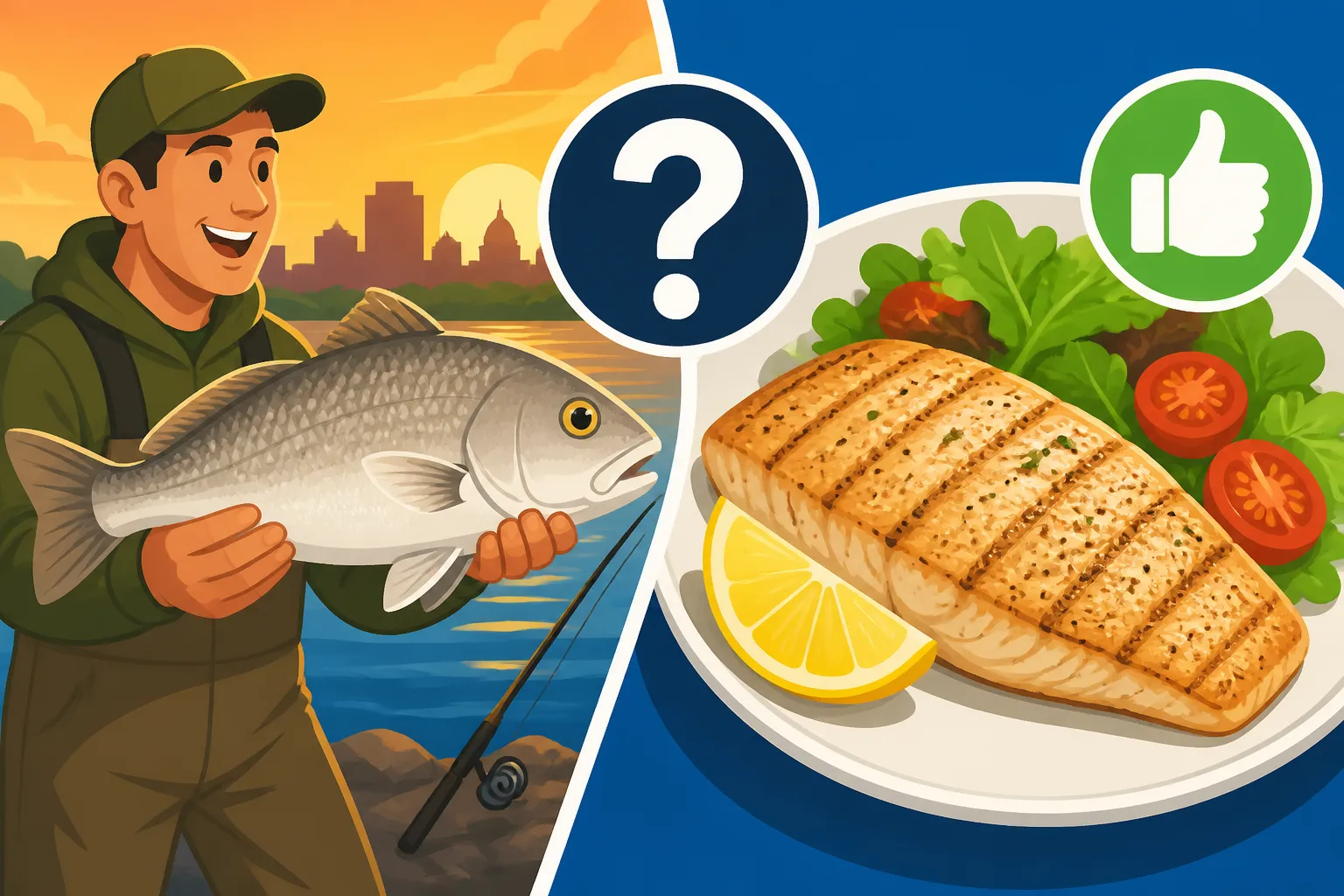
Many anglers in Kansas, when they hook into a freshwater drum, often sigh and relegate it to the "rough fish" category, believing it's not worth keeping for the table. This common misconception means a lot of potentially delicious meals are missed out on. This guide is here to bust those myths and show you exactly why drum fish, when handled correctly, can be a fantastic addition to your dinner plate, offering a surprising culinary experience for any Kansas angler.
Understanding Freshwater Drum in Kansas Waters
Freshwater drum, often just called "drum" or sometimes "sheepshead," are a truly unique fish found throughout Kansas's larger rivers and reservoirs. They might not have the flashy reputation of a walleye or the fighting prowess of a big catfish, but they are an integral part of our aquatic ecosystems. Before we dive into their culinary merits, let's understand who these fish are and where you're likely to find them.
Identifying Freshwater Drum
The freshwater drum has a distinctive appearance that sets it apart. They typically have a deep body, a high, rounded back, and a silvery-gray color, sometimes with a bronze or brownish tint on their dorsal side. Their most noticeable features are their large, blunt head and a mouth that points slightly downwards, which helps them forage along the bottom. You'll also notice two distinct dorsal fins; the first is spiny, and the second is much longer and soft-rayed, running almost to the tail. They have large, thick scales and can grow quite large, with some specimens reaching impressive sizes, though most caught by anglers are in the 1-5 pound range. If you're looking to confirm your catch, check out our Kansas Drum Fish Identification guide.
A less visible but fascinating characteristic is the sound they make. They're called "drum" for a reason! They can produce a drumming or croaking sound by vibrating muscles against their swim bladder, especially during spawning season or when stressed. This unique ability is truly something special about these fish.
Where Drum Fish Thrive in Kansas
You'll find freshwater drum in a wide variety of Kansas waters, but they particularly thrive in larger, turbid rivers and big reservoirs with muddy or sandy bottoms. They're highly adaptable and can tolerate a range of water conditions, making them quite widespread. Look for them in places like the Kansas River, where they're quite common, and many of our large reservoirs such as Milford Lake, Clinton Lake, or Tuttle Creek Lake. They tend to prefer deeper waters, often congregating around submerged timber, rock piles, or channel edges where they can forage for benthic invertebrates like mussels, snails, and crayfish.
Anglers often encounter them while targeting other species, especially bottom-feeding fish like channel catfish. They're not picky eaters and will readily take a variety of baits, from worms and cut bait to crayfish. Understanding their habitat and feeding habits is the first step to successfully catching them, and indeed, deciding if they're a fish you want to bring home for dinner. For broader information on local fishing, consider our Kansas River Fishing Guide.
The Truth About Eating Drum Fish: Flavor and Texture
It's time to set the record straight. The idea that drum fish are "trash fish" or "rough fish" and inherently bad to eat is one of the biggest misconceptions in the Kansas fishing community. While some certainly have a less-than-ideal flavor, this is often due to handling, size, and cooking methods, not the fish itself. When treated properly, drum can be delicious.
Dispelling the "Rough Fish" Myth
The "rough fish" label often comes from their appearance and bottom-feeding habits, which makes people assume their flesh will be muddy or strong-tasting. This couldn't be further from the truth for a well-caught and properly cared-for drum. In fact, many people who blind taste-test drum often mistake it for more "desirable" white-fleshed fish like cod or even walleye. The key is to challenge those preconceived notions. Think of it this way: just as not all catfish taste the same (a mud-cat from a stagnant pond will differ greatly from a blue cat caught in flowing river water), not all drum are equal.
The stigma also comes from the idea that they aren't "sport fish" in the traditional sense, but that doesn't dictate their edibility. What truly impacts the taste is the cleanliness of the water they come from, their size, and how quickly and effectively they are cleaned and cooled after being caught. A drum caught from a clean, flowing river or a large, clear reservoir is going to have a far superior flavor profile than one pulled from a stagnant, muddy ditch.
What to Expect: Taste Profile and Texture
When you get a good freshwater drum, you're in for a treat. The meat is typically white, firm, and flaky, especially when cooked. It has a very mild, non-fishy flavor, making it incredibly versatile for various culinary preparations. It's often compared to red snapper in texture and mildness, which is high praise for a fish often overlooked. The flesh holds together well, which is a bonus for frying, grilling, or baking.
However, size does matter. Smaller drum, generally those under 2-3 pounds, tend to have the best texture and mildest flavor. As they get larger, the meat can sometimes become a bit coarser, and larger fish tend to accumulate more of the fat and oils that can contribute to a stronger flavor. This is why many experienced anglers targeting drum for the table will focus on these smaller, pan-sized fish. You might find some variation, but a fresh, properly handled drum will surprise you with its clean taste.
Preparation is Key: Cleaning and Cooking Drum Fish
The old saying "fish spoils from the inside out" is particularly true for drum. How you handle the fish immediately after catching it and how you prepare it for cooking will make all the difference in its taste. Don't let a great catch go to waste by skipping these crucial steps.
Proper Field Care and Filleting
The moment a drum comes out of the water, its fate for the dinner table begins. The first and most important step is to dispatch the fish quickly and get it on ice. This chills the meat immediately, preventing the breakdown of enzymes that can lead to off-flavors. If you let a drum flop around in a warm livewell or on the bank for too long, you're already compromising the flavor. A good cooler packed with ice is your best friend.
When it comes to filleting, drum are relatively easy to clean, especially the smaller ones. You'll want a sharp fillet knife – you can find some excellent options for a sturdy fillet knife on Amazon – to get clean cuts. Start behind the gill plate, cut down to the backbone, and then turn your blade to run it along the backbone towards the tail. Be sure to remove the rib cage section. One important tip: many anglers recommend removing the "red meat" or "bloodline" that runs along the lateral line of the fillet. This darker strip of meat can sometimes contribute to a stronger, fishier taste, especially in larger fish. Trimming it out will leave you with pure, white flesh. If you're new to filleting, practicing on drum is a great way to hone your skills. For more detailed instructions on filleting, you can refer to our How to Fillet a Channel Catfish guide, as the process is quite similar.
Cooking Methods for Delicious Drum
Because of its firm, white, and mild flesh, freshwater drum is incredibly versatile in the kitchen.
- Frying: This is a classic for a reason! Cut your fillets into smaller chunks or strips, dredge them in your favorite seasoned flour or cornmeal mix, and deep-fry or pan-fry until golden brown and flaky. The firm texture holds up beautifully, making for excellent fish and chips.
- Baking/Broiling: Drum fillets bake wonderfully. Place them on a baking sheet, drizzle with olive oil, season with salt, pepper, lemon, and your favorite herbs (dill, parsley, or paprika work well), then bake at about 400°F (200°C) until cooked through. Broiling offers a quicker method for a crispy top.
- Grilling: For grilling, larger, thicker fillets work best. Brush with oil and season generously. You might want to use a fish basket to prevent smaller pieces from falling through the grates. The smoky flavor from the grill pairs exceptionally well with the drum's mildness.
- Fish Tacos: This is a fantastic way to enjoy drum! Flake the cooked fish (baked or fried) into tortillas, add some crisp cabbage, a zesty crema, and salsa for a truly vibrant meal. The mildness of the fish allows the other fresh ingredients to shine.
Don't be afraid to experiment with different seasonings and sauces. Because drum fish has such a neutral flavor, it's a great canvas for whatever culinary direction you want to take it.
Maximizing Your Drum Fish Culinary Experience
Now that we've established that drum fish can indeed be a delicious meal, let's look at some additional tips to ensure every drum you bring home from the waters of Kansas is as tasty as possible.
Choosing the Right Fish
Not all drum are created equal when it comes to eating. As mentioned, smaller drum (under 2-3 pounds) are generally preferred for their finer texture and milder flavor. While catching a trophy-sized drum is exciting, you might find its meat a bit tougher or stronger tasting. If you're strictly fishing for the table, aim for these smaller, pan-sized fish. Also, consider the water quality. Drum caught from clear, cool, flowing rivers or large, pristine reservoirs tend to taste better than those from murky, stagnant ponds or polluted areas. Always fish in waters you trust.
It's also worth noting that some anglers prefer drum caught during cooler months, as the colder water can contribute to firmer, cleaner-tasting flesh. This isn't a hard and fast rule, but something to keep in mind if you have the option.
Simple Recipes to Get You Started
To truly appreciate freshwater drum, sometimes simple is best. Here are a couple of straightforward ideas:
Lemon-Herb Baked Drum
This recipe highlights the natural mildness of the fish.
Ingredients:
- 1 lb drum fillets, skin off, bloodline removed
- 2 tbsp olive oil
- Juice of 1/2 lemon
- 1 tsp dried dill or fresh chopped parsley
- 1/2 tsp garlic powder
- Salt and black pepper to taste
Instructions:
- Preheat oven to 400°F (200°C).
- Pat fillets dry with paper towels.
- Place fillets on a lightly oiled baking sheet.
- Drizzle with olive oil and lemon juice.
- Sprinkle with dill (or parsley), garlic powder, salt, and pepper.
- Bake for 12-15 minutes, or until fish flakes easily with a fork. Cooking times will vary depending on the thickness of your fillets.
Crispy Pan-Fried Drum
A classic method that brings out the best in the firm flesh.
Ingredients:
- 1 lb drum fillets, cut into 1-inch wide strips
- 1/2 cup all-purpose flour
- 1/2 cup cornmeal
- 1 tsp paprika
- 1/2 tsp cayenne pepper (optional, for a kick)
- 1 tsp salt
- 1/2 tsp black pepper
- 1/4 cup milk or buttermilk
- Vegetable oil for frying
Instructions:
- In a shallow dish, combine flour, cornmeal, paprika, cayenne (if using), salt, and pepper.
- In another shallow dish, pour milk or buttermilk.
- Dip each drum strip into the milk, then dredge thoroughly in the flour/cornmeal mixture, ensuring it's fully coated.
- Heat about 1/2 inch of vegetable oil in a heavy-bottomed skillet over medium-high heat.
- Carefully place fish strips into the hot oil, ensuring not to overcrowd the pan. Fry for 3-4 minutes per side, or until golden brown and cooked through.
- Remove fish and place on a wire rack lined with paper towels to drain excess oil. Serve immediately.
You can serve these with anything from simple roasted vegetables to creamy coleslaw. A good meal often starts with fresh ingredients, and you can stock up on spices and other cooking essentials on Amazon before your next trip.
Drum Fish vs. Other Kansas Delicacies
How does drum stack up against some of Kansas's other popular table fish?
| Fish Species | Typical Flavor Profile | Typical Texture | Best Size for Eating | Common Cooking Methods |
|---|---|---|---|---|
| Freshwater Drum | Mild, slightly sweet, non-fishy | Firm, flaky | Under 3 lbs | Frying, baking, grilling, broiling, fish tacos |
| Walleye | Very mild, delicate, almost sweet | Fine, flaky | All sizes | Frying, baking, broiling, poaching |
| Channel Catfish | Mild to medium, earthy (can vary) | Firm, moist, somewhat oily | 1-5 lbs | Frying, grilling, baking (especially good blackened) |
| Crappie (White/Black) | Very mild, sweet, delicate | Very fine, flaky | 0.5-1.5 lbs | Frying (classic), sautéing, baking |
| White Bass | Medium, slightly richer, can be "fishy" | Medium-firm, flaky | 0.5-1.5 lbs | Frying, baking, broiling, often requires proper trimming |
As you can see, freshwater drum holds its own with a very appealing flavor and texture that makes it comparable to many prized species. It's often milder than even channel catfish, and certainly less pronounced than white bass, which can sometimes have a stronger flavor if not bled and cleaned quickly. So, the next time you're out chasing Kansas Crappie Length and Bag Limits or hoping for a trophy Kansas Walleye Minimum Length Limit of 21 Inches, don't discount the drum. Give it a chance, and you might just discover a new favorite for the table. With a little care from catch to plate, the freshwater drum can indeed be a delicious and underrated gem from Kansas waters.
Disclaimer
This article is for general informational purposes only and does not constitute professional advice. Laws, prices and regulations vary by location and change over time. Consult a qualified professional for guidance on your specific situation.