Kansas Golden Rainbow Trout Facts
For many Kansas anglers, the mention of trout often conjures images of streams far away. But here in the Sunflower State, we have a unique and exciting opportunity, especially during the colder months, to chase a truly distinctive fish: the Golden Rainbow Trout. It's easy to confuse them with their more common cousins, or perhaps even miss the chance to target them altogether if you don't know where to look or what makes them special. This guide will dive deep into everything you need to know about these shimmering beauties, from their striking appearance to where and how you can hook into one right here in Kansas.
The Allure of the Golden Rainbow Trout: What Makes Them Special
Golden Rainbow Trout aren't just a pretty face in the angling world; they represent a unique stocking program that adds a special thrill to Kansas fishing. Their vibrant, almost otherworldly coloration sets them apart from the typical rainbow trout, making every catch a memorable one. They bring an exciting dimension to our winter fisheries, offering a distinctive target for those willing to brave the chill.
A Striking Visual Difference
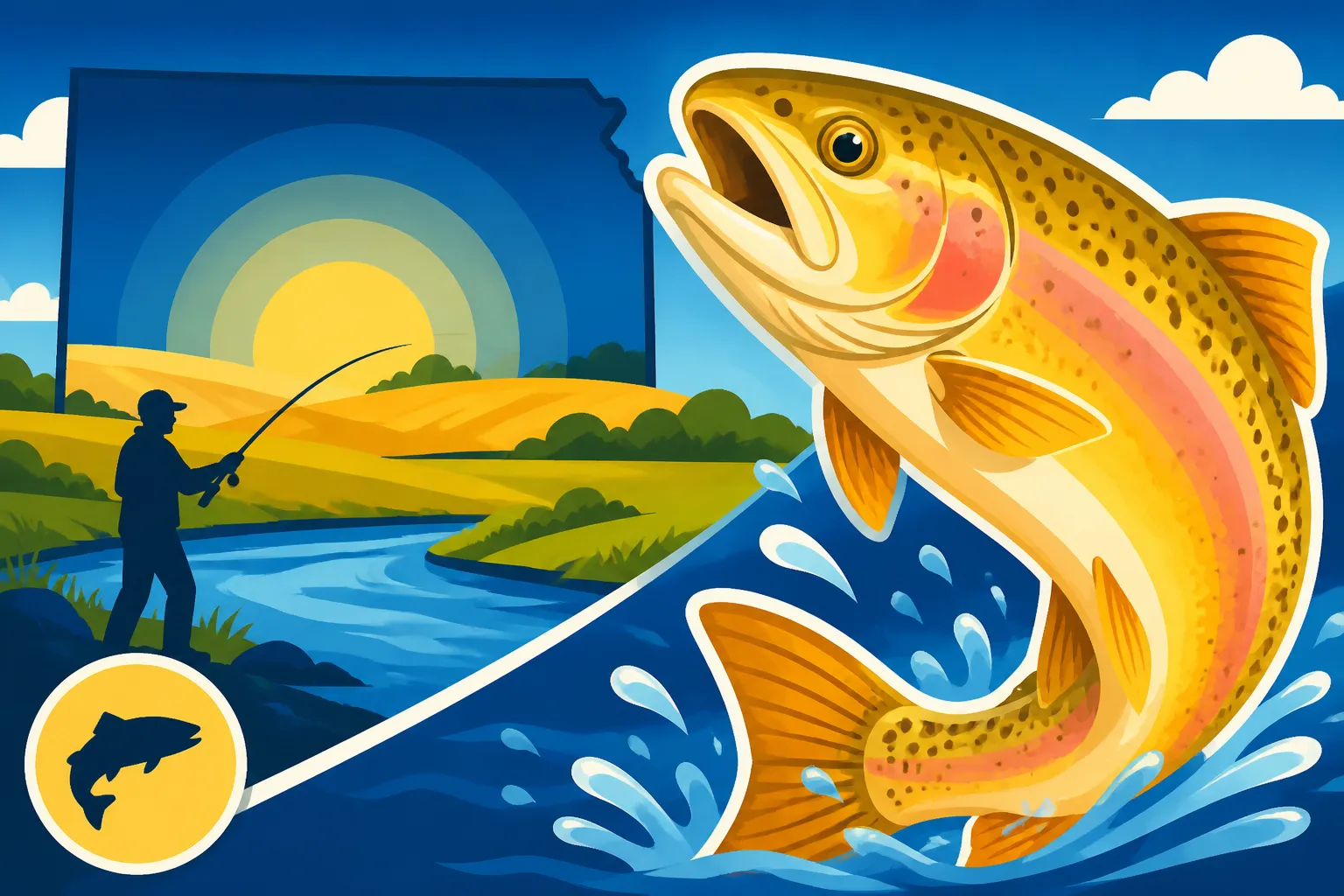
When you pull a Golden Rainbow Trout from the water, you'll immediately understand why they're so sought after. Unlike the iridescent, silvery-pink hues of a standard rainbow trout, these fish boast a stunning golden-yellow to bright orange coloration, often with a prominent red or orange stripe running down their lateral line. It's like catching a piece of sunshine, even on a cloudy winter day.
This unique pigmentation is a genetic mutation, specifically a lack of dark melanin, which results in their vibrant golden scales. Imagine standing on the bank of a community fishing lake, jigging for what you expect to be a common rainbow, and suddenly, a fish that looks like it's been dipped in molten gold flashes at the end of your line. It's a genuine "wow" moment, and it’s why so many anglers specifically target them during the stocking seasons. They don't just feel different; they look entirely different from their conventional brethren, making for fantastic photos and bragging rights.
More Than Just a Pretty Color
While their appearance is certainly their most famous trait, Golden Rainbow Trout also contribute to the overall fishing experience in Kansas in other ways. They are essentially rainbow trout, sharing similar fight characteristics and table fare qualities. However, because they are a specific, often less numerous, stocking, there's a certain "trophy" feel to catching one. It's a testament to patience and perhaps a little bit of luck.
For families, catching a Golden Rainbow can be an incredibly exciting event. Kids, especially, are captivated by their bright colors, making a winter fishing trip even more magical. It adds an element of surprise and delight that can turn a regular outing into a cherished memory. They help diversify the angling experience, proving that even in Kansas, there's always something a little extra special to discover if you know where to look.
The Origin Story: How Golden Rainbows Arrived in Kansas
Golden Rainbow Trout aren't native to Kansas, nor are they a naturally occurring species in the wild in the same way regular rainbow trout are. Their presence in our waters is a direct result of carefully managed stocking programs, specifically designed to enhance recreational fishing opportunities during the colder months. This effort highlights a commitment to providing diverse and engaging fishing experiences for all Kansans.
A Bred-for-Beauty Phenomenon
The Golden Rainbow Trout originated from a genetic mutation first discovered in a wild rainbow trout hatchery in West Virginia in the 1950s. Rather than being a hybrid or a different species, they are, at their core, rainbow trout with a recessive gene that inhibits the production of melanin, resulting in their distinctive golden hue. Over decades, hatcheries have selectively bred these "palomino" or "golden" strains to produce the brightly colored fish we see today.
When you catch one of these magnificent fish, you're experiencing the result of generations of selective breeding by dedicated fisheries professionals. They are stocked specifically to create excitement and draw anglers to winter trout fisheries. Without these targeted programs, you simply wouldn't encounter them in Kansas waters. It's a clear example of how conservation efforts and managed stocking can directly create unique recreational opportunities, turning cold-weather fishing into a quest for something truly special.
Stocking for Winter Excitement
In Kansas, the appearance of Golden Rainbow Trout is intrinsically linked to the winter trout stocking program. These fish are typically raised in hatcheries and then introduced into select community lakes and state park ponds during the late fall and early winter months, often alongside traditional rainbow trout. The Kansas Department of Wildlife, Parks and Tourism meticulously plans these stockings to coincide with cooler water temperatures, which are essential for trout survival in our state's generally warm climate.
These stockings are crucial because trout, including Golden Rainbows, thrive in colder water, usually below 70 degrees Fahrenheit. Kansas summers are simply too hot for them to survive naturally in most public waters, which is why they are a seasonal, put-and-take fishery. Anglers anticipate these stocking events with great enthusiasm, knowing that the Golden Rainbows add an extra layer of intrigue and challenge to their winter fishing plans. It’s an opportunity to experience trout fishing without traveling to traditional mountain streams, right here in the heartland. You can often find details on stocking schedules and locations by checking local news or the Kansas Winter Trout Fishing Guide on our site.
Identifying Your Catch: Golden Rainbow vs. Standard Rainbow Trout
While their dazzling color is usually a dead giveaway, sometimes in varying light or water conditions, it can be helpful to know the subtle differences between a Golden Rainbow Trout and a standard Rainbow Trout. Ensuring you've correctly identified your catch is part of appreciating its unique beauty and understanding the specific efforts that went into bringing it to our Kansas waters.
Color and Markings: The Key Indicators
The most obvious difference, as we've discussed, is the brilliant golden-yellow to orange body of the Golden Rainbow Trout. This color is quite distinct from the more silvery, iridescent, and sometimes greenish-blue back of a regular rainbow trout. A standard rainbow will have a prominent pink or red lateral stripe, which a Golden Rainbow will also possess, but it will typically be even more vivid against its golden background, sometimes appearing as a fiery orange.
Beyond the overall body color, look closely at the fins and tails. Both types of trout will generally have some spotting, but Golden Rainbows tend to have fewer or less distinct spots on their body compared to the more heavily spotted standard rainbows. The dorsal and caudal (tail) fins of a Golden Rainbow will often retain some of their golden or even slightly yellowish hue, whereas a regular rainbow's fins are usually more translucent or slightly dusky. Imagine holding two fish side-by-side: one a shimmering silver-pink, the other a glowing gold with a sunset stripe. The difference is truly unmistakable, making the Golden a prize for any angler.
Behavioral and Habitat Similarities
Despite their visual distinctions, when it comes to behavior, feeding habits, and preferred habitat in Kansas, Golden Rainbow Trout are virtually identical to standard rainbow trout. They are stocked in the same community ponds and state lake areas, often alongside their more common counterparts. This means that if you're fishing a designated winter trout lake in Kansas, you have an equal chance of hooking either one.
They'll both gravitate towards cooler, oxygenated water, often near submerged structures, drop-offs, or areas with some current if available. Their diet in these stocked environments will also be similar, consisting of small insects, crustaceans, and the various pelleted foods they were raised on in the hatchery. So, while you might be visually thrilled by a Golden, your fishing techniques and approach won't need to change. This consistency makes it easy for anglers to target both species using the same gear and strategies. For more general trout fishing tips that apply to both varieties, be sure to read our guide on Kansas Winter Trout Fishing Tips.
Where to Find Golden Rainbow Trout in Kansas
Finding Golden Rainbow Trout in Kansas is less about stumbling upon them in remote wilderness streams and more about knowing which specific water bodies are part of the state's winter trout stocking program. These are typically easily accessible community fishing lakes and ponds, making it convenient for anglers of all ages and abilities.
Designated Winter Trout Waters
The key to finding Golden Rainbow Trout is to consult the Kansas Department of Wildlife, Parks and Tourism (KDWPT) stocking schedule. They regularly stock specific lakes and ponds across the state with trout, and these are the locations where you'll have the best chance of encountering a Golden Rainbow. These waters are chosen because they maintain suitable cold water temperatures throughout the winter months, offering optimal conditions for trout survival until the spring thaw.
Commonly stocked locations include numerous community fishing lakes, often found in or near urban areas like Wichita, Topeka, and Kansas City, as well as several state park ponds. For instance, you might find them in smaller ponds at Melvern State Park or in larger community lakes such as Lake Shawnee in Topeka. These locations are purposely selected for easy public access, often featuring amenities like fishing piers, paved parking, and restrooms, making a winter fishing trip enjoyable for the whole family. Checking the KDWPT website or local bait shops will give you the most up-to-date information on where and when stockings are planned. Our Kansas Trout Stocking Schedule for December post can give you a head start.
Understanding Stocking Frequency and Timing
Golden Rainbow Trout, like standard rainbows, are typically stocked in Kansas from late fall through early spring, generally from about November to March. The exact timing and frequency of stockings can vary based on weather conditions, hatchery availability, and angler demand. Some locations might receive multiple stockings throughout the season, while others may only get one or two.
It's important to remember that these are put-and-take fisheries. This means the fish are stocked for immediate angling pleasure, as most will not survive the warm Kansas summers. Therefore, the best time to target Golden Rainbows is usually shortly after a stocking event, when the fish are fresh and actively feeding, having just been introduced to their new environment. As the season progresses, angling pressure can make them a bit more cautious. Being aware of the stocking schedule and trying to fish within a week or two of a reported stocking can significantly increase your chances of a successful outing. Many anglers will follow KDWPT social media channels or local fishing forums for real-time alerts on these exciting deliveries.
Effective Techniques for Catching Golden Rainbows
While their color might be unique, the techniques for catching Golden Rainbow Trout aren't drastically different from those used for their standard rainbow cousins. They respond well to a variety of baits and lures, but understanding their feeding habits and preferred depths in stocked ponds can give you a significant edge.
Baits and Lures That Tempt Golden Beauties
Golden Rainbow Trout, like all stocked trout, are often accustomed to eating pelleted food from their hatchery days. This makes them relatively eager to take certain baits. PowerBait, in various colors and forms (like Power Eggs or Power Worms), is a perennial favorite and often incredibly effective. The dough-like consistency and scent are very appealing to stocked trout. Small worms, corn, or even cheese can also be surprisingly effective, especially when fished near the bottom.
For lure anglers, small inline spinners (like Rooster Tails or Mepps Aglias), tiny spoons, or micro jigs can be deadly. Look for lures in natural colors, or sometimes bright, contrasting colors can trigger a strike, especially in murky water. The key with lures is to keep them small and present them slowly. Trout in cold water often aren't looking for a fast meal. Many anglers find a good selection of trout-specific baits and small spinners on Amazon, which can be useful for these skittish fish, ensuring they have a variety to try. Remember, presentation is often more important than color; a natural, slow retrieve can outfish a fast, erratic one any day. You can get more specific ideas from our article on Kansas Trout Fishing Bait and Lures.
Presentation and Depth Strategies
When fishing for Golden Rainbow Trout in Kansas ponds, versatility in presentation is crucial. They can be anywhere in the water column, but often, especially in colder water, they will hug the bottom where the water might be slightly warmer, or suspend in mid-water.
- Bottom Fishing: A simple slip-sinker rig with a small hook (size 10-14) and PowerBait, corn, or a piece of worm fished off the bottom is a classic and highly effective method. This allows your bait to sit right where the trout might be cruising, looking for an easy meal.
- Suspended Fishing: Sometimes, trout will suspend higher in the water column. A small bobber rig, set to suspend your bait (PowerBait, a small worm, or a tiny jig) a few feet off the bottom, can be incredibly effective. Pay attention to any signs of activity or reports from other anglers to gauge the general depth.
- Lure Retrieval: When using spinners or spoons, cast out and use a slow, steady retrieve. Vary your retrieve speed and add small twitches to entice a strike. For jigs, a subtle lift-and-drop motion can imitate an injured baitfish or insect. Early morning and late afternoon often provide the best bite, as these are times when trout tend to be more active. Don't be afraid to experiment with different depths and retrieves until you find what they're hitting on that particular day.
Conservation and Responsible Angling for Golden Rainbow Trout
Catching a Golden Rainbow Trout is a special experience, and it comes with the responsibility of ensuring these unique fish, and the fisheries they inhabit, remain healthy and enjoyable for future generations. Responsible angling practices are paramount, especially in put-and-take fisheries.
Understanding Regulations and Limits
The first step to responsible angling is to be intimately familiar with the specific regulations for trout fishing in Kansas. While Golden Rainbow Trout are visually distinct, they fall under the same regulations as standard rainbow trout. This typically includes a specific daily creel limit and possession limit. It’s also crucial to remember that a valid Kansas fishing license is required for most anglers, and if you're targeting trout, you'll need a special Kansas Trout Permit Guide in addition to your general fishing license.
Always check the current KDWPT fishing regulations summary before heading out. Regulations can change, and knowing the latest rules about size limits (though stocked trout usually don't have a minimum size limit in Kansas), daily bag limits, and gear restrictions (e.g., number of rods) is essential. Fishing without the proper license or exceeding limits can result in fines and other penalties, which no one wants. These regulations are in place to manage the fishery effectively and distribute the angling opportunities fairly among all participants.
Ethical Angling Practices
Beyond legal requirements, ethical angling practices ensure that the experience is sustainable and respectful of the fish and other anglers. This is particularly important in community ponds which often see heavy fishing pressure.
- Catch and Release (if applicable): If you plan to release a Golden Rainbow, handle it with extreme care. Wet your hands before touching the fish to protect its slime coat, which is crucial for its health. Use a pair of pliers or a de-hooking tool to remove the hook quickly and gently. Avoid excessive handling or keeping the fish out of water for too long, especially for photos.
- Waste Management: Always pack out what you pack in. Dispose of all fishing line, bait containers, and other trash properly. Leaving litter not only harms the environment but also detracts from the experience for others.
- Respect for Others: Community fishing spots can get crowded, especially during peak stocking times. Be mindful of other anglers' space, casting lanes, and noise levels. A courteous fishing community makes the experience better for everyone.
- Support Stocking Programs: By purchasing your fishing license and trout permit, you are directly contributing to the funding of these valuable stocking programs that bring Golden Rainbow Trout and other species to Kansas waters. It's a small investment that pays huge dividends in terms of angling opportunities.
By embracing these responsible practices, we can all do our part to ensure that the thrill of catching a dazzling Golden Rainbow Trout remains a vibrant part of the Kansas fishing scene for years to come.
Disclaimer
This article is for general informational purposes only and does not constitute professional advice. Laws, prices and regulations vary by location and change over time. Consult a qualified professional for guidance on your specific situation.