Crappie vs Sunfish Differences
There's nothing quite like a peaceful day on a Kansas lake or pond, rod in hand, waiting for that tell-tale tug. But let's be honest, for many of us, especially newer anglers, distinguishing between a crappie and a sunfish when they first come out of the water can be a bit of a head-scratcher. Both are beloved panfish, both are fun to catch, and both end up on a dinner plate, but they're not quite the same. This comprehensive guide is here to clear up the confusion, helping you confidently identify the differences and improve your angling success for these fantastic Kansas fish.
Understanding the Panfish Family Tree in Kansas
Before we dive into the nitty-gritty, it's helpful to understand where crappie and sunfish fit into the larger picture of Kansas fishing. They both belong to a delightful category that makes up much of our angling fun: the panfish.
What Exactly is a Panfish?
When folks talk about "panfish," they're generally referring to smaller, table-fare fish that are, well, perfectly sized to fit in a frying pan. It's a common, informal term, not a scientific classification, but it's one that every Kansas angler understands. These fish are usually abundant, relatively easy to catch, and provide excellent eating. They also serve as a crucial food source for larger predatory fish like bass and walleye in our reservoirs and rivers. Both crappie and various species of sunfish are prime examples of what we consider panfish here in the Sunflower State. They're often the first fish kids catch, igniting a lifelong passion for angling, and they continue to be a joy for seasoned veterans too. You'll find them in nearly every body of water, from small farm ponds to massive reservoirs like Milford Lake. For a deeper dive into these accessible species, check out our Kansas Panfish Guide.
The Sunfish Genera: Lepomis and Micropterus
To get a little more specific, both crappie and sunfish are part of the Centrarchidae family, commonly known as the "sunfish family." However, within this family, there are different genera, which are like distinct branches on the family tree.
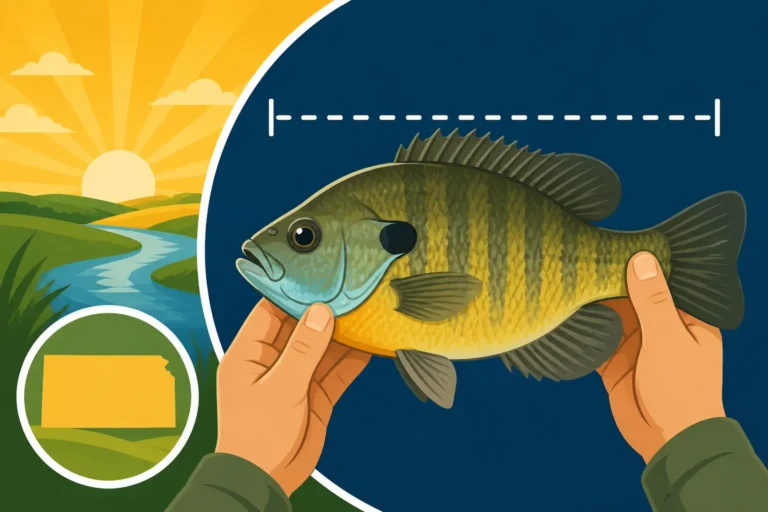
The true sunfish we often think of, like bluegill, redear sunfish, and green sunfish, belong to the Lepomis genus. These are the classic "bream" or "perch" that many of us grew up catching from docks and shorelines. They are typically smaller, very round-bodied, and known for their vibrant colors and distinctive gill flap markings. They're a staple for bank anglers and kayak fishermen alike, offering consistent action and a tasty reward.
Then, there's the Micropterus genus – this is where our beloved bass come in, such as largemouth bass and smallmouth bass. While technically part of the sunfish family, bass are generally much larger, more elongated, and certainly not what most anglers would call a "panfish." So, while it's interesting to know they're related, when we talk about "sunfish" in the panfish context, we're almost always referring to those smaller Lepomis species. It's a subtle distinction, but an important one when you're targeting specific fish or trying to understand regulations.
Key Physical Differences Between Crappie and Sunfish
Alright, let's get down to brass tacks: how do you actually tell these fish apart when you pull them from the water? It's all about looking at a few key physical features. Once you know what to look for, it becomes second nature.
Body Shape and Fin Structure
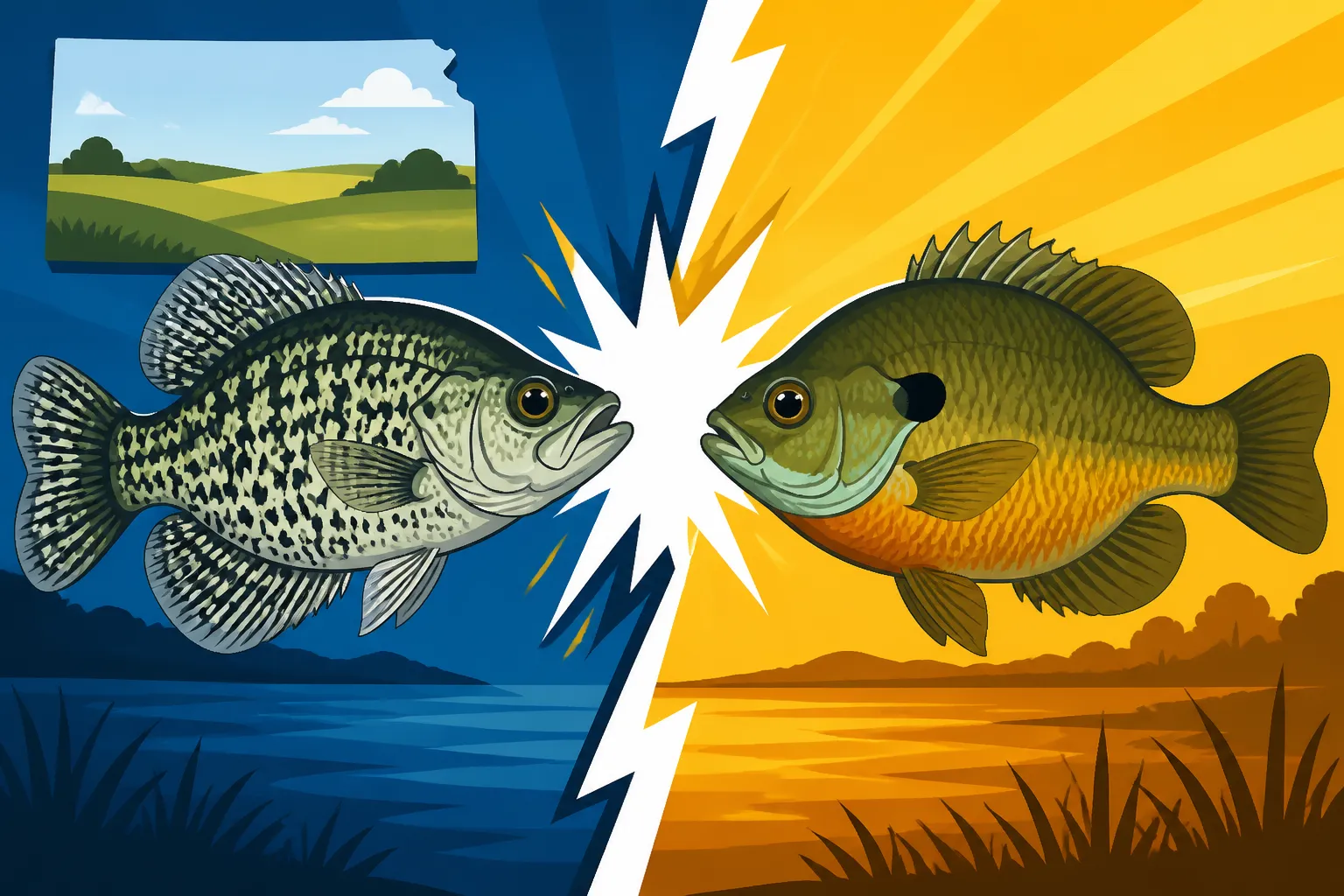
This is often the first and most obvious indicator when comparing crappie and sunfish. Crappie have a distinct, highly compressed body shape. Think of it like a silver dollar, but taller and thinner from top to bottom. Their body is generally deep and flat, almost disc-like. This sleek profile helps them navigate through submerged brush and timber where they love to hide.
Now, look at their dorsal fin – that's the fin on their back. Crappie have a deeply notched dorsal fin, which means it looks like it's almost two separate fins. The front part is spiny, and the back part is soft-rayed, but there's a clear, deep dip between them. Their anal fin, on their underside, is quite long and mirrors the length of the soft-rayed part of their dorsal fin.
True sunfish, on the other hand, tend to have a more rounded or oval body shape. While still compressed, they don't have that extreme "silver dollar" flatness of a crappie. Their bodies are usually thicker and more robust for their size. Their dorsal fin is also a key differentiator: it's typically a single, continuous fin. While it might have a spiny front and a soft-rayed back section, there isn't a deep, obvious notch separating them. The anal fin on a sunfish is also generally shorter and more compact compared to a crappie's. These seemingly small differences in fin structure are actually very reliable ways to tell them apart, even for someone who's just starting out.
Mouth Size and Eye Placement
Another reliable way to distinguish these two panfish is by examining their mouth and eye characteristics. This gives you a big clue about what they eat and how they hunt!
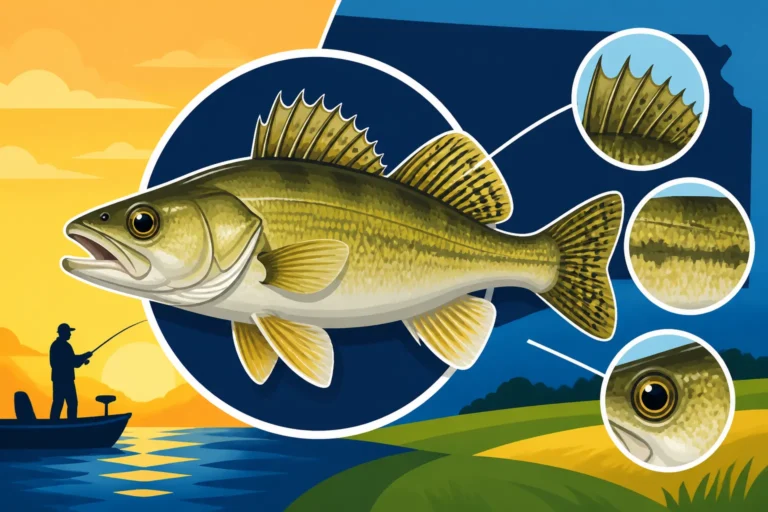
Crappie possess a notably larger mouth compared to most sunfish. If you gently open a crappie's mouth, you'll often notice it extends back past the center of their eye, sometimes even past the back edge of the eye. This larger gape is a dead giveaway for a predator that consumes small baitfish like minnows and shad. They're built to engulf their prey whole. Their eyes also tend to be quite large relative to the size of their head, giving them excellent vision, which is crucial for hunting in dimmer, deeper waters or at dusk and dawn.
Sunfish, by contrast, have much smaller mouths. Their mouths rarely extend past the front edge of their eye. This smaller mouth is perfectly adapted for their diet, which consists mainly of aquatic insects, larvae, and small crustaceans. They are more selective feeders, nibbling at smaller morsels rather than gulping down larger prey. Their eyes are also proportionate to their head size but perhaps not as strikingly large as a crappie's. This difference in mouth size is a critical adaptation that defines their feeding habits and, consequently, the kinds of baits and lures you'll use to catch them.
Coloration and Markings
While coloration can vary wildly based on habitat, water clarity, and even season, there are some general patterns and markings that can help with identification. However, this is often the trickiest feature, as two crappie from different lakes might look quite different in hue.
Crappie typically have a silvery-white to olive-green base color. White crappie (which are very common in Kansas) are usually lighter, with distinct, irregular black vertical bars or blotches on their sides. Black crappie, while also found here, tend to be darker, with more scattered, mottled black spots or speckles that cover their entire body, almost looking like pepper flakes. These spots are distributed more randomly, rather than forming distinct bars.
Sunfish, especially bluegill, are often more colorful and can have intricate patterns. Bluegill, for instance, are known for their iridescent blue and green hues on their operculum (gill flap) and sometimes a distinctive black "ear flap." They often have several vertical bars on their sides, but these are usually more subtle than a white crappie's. Redear sunfish are named for the reddish-orange margin on their operculum. Green sunfish often have a more mottled, olive-green body with bright blue streaks below their eye. The patterns and colors on sunfish are often more elaborate and concentrated on specific areas, like the gill plate or fins, compared to the more generalized spotting or barring of crappie.
Here's a quick comparison table to help visualize these key physical differences:
| Feature | Crappie (White/Black) | Sunfish (Bluegill/Redear/Green) |
|---|---|---|
| Body Shape | Deep, highly compressed, disc-like | More rounded to oval, less compressed |
| Dorsal Fin | Deeply notched, appears as two distinct fins | Single, continuous fin (may have spiny/soft sections, but no deep notch) |
| Anal Fin | Long, similar in length to soft dorsal fin | Shorter, more compact |
| Mouth Size | Large, extends past center of the eye | Small, rarely extends past front of the eye |
| Eyes | Relatively large in proportion to head | Proportionate to head, not as strikingly large |
| Coloration | Silvery-white to olive; distinct vertical bars (white) or mottled speckles (black) | More varied; often iridescent blues/greens, distinct "ear flap" markings, vertical bars (subtler than white crappie) |
Habitat, Behavior, and Diet Distinctions
Knowing what crappie and sunfish look like is just one piece of the puzzle. Understanding where they live, how they behave, and what they eat is equally important for successful fishing in Kansas. These ecological differences profoundly impact where, when, and how you target them.
Habitat Preferences and Schooling Behavior
Crappie, whether white or black, are truly creatures of structure. They absolutely love to hang out around submerged timber, brush piles, fallen trees, dock pilings, bridge abutments, and even artificial fish attractors. You'll often find them in slightly deeper water, especially during the heat of summer or the cold of winter, moving shallower only during their spring spawn. In Kansas reservoirs like Clinton Lake or Tuttle Creek, they'll congregate in impressive schools around these features. Imagine scanning your fish finder and seeing a Christmas tree formation of fish – that's often a school of crappie! This schooling behavior is a huge advantage for anglers, because if you find one crappie, there are usually many more. Locating these schools is half the battle, and dedicated crappie anglers spend a lot of time mapping out structure.
Sunfish, while they appreciate some cover, generally prefer shallower water environments. You'll find them around weed beds, lily pads, rocky shorelines, and sandy flats, often in water just a few feet deep. They're much more comfortable in the shallows than crappie, making them ideal targets for bank fishermen or those with smaller boats. While sunfish do gather in groups, especially smaller ones, they typically don't form the massive, tightly packed schools that crappie do. You might catch several from one spot, but it's less common to pull out dozens in a row from a single brush pile like you might with crappie. Their preference for shallower, more open water also means they're often visible, cruising just below the surface, making them a fantastic species for sight fishing, especially for kids.
Feeding Habits and Prey Differences
The differences in mouth size we discussed earlier directly correlate to what these fish eat, and this is a crucial piece of information for any angler trying to select the right bait or lure.
Crappie, particularly as they grow past their juvenile stage, become primarily piscivorous, meaning they eat other fish. Their favorite meals include small minnows, shad, and juvenile versions of other baitfish. They are opportunistic predators, often ambushing their prey from cover. This is why live minnows are such an effective bait for crappie, and why artificial lures that imitate small baitfish, like small crankbaits, swimbaits, or various jigs, work so well. Their diet dictates their behavior: they're constantly looking for schools of baitfish, and finding that forage is key to finding the crappie themselves. Understanding Kansas Crappie Fishing Techniques will always involve tailoring your offerings to their predatory nature.
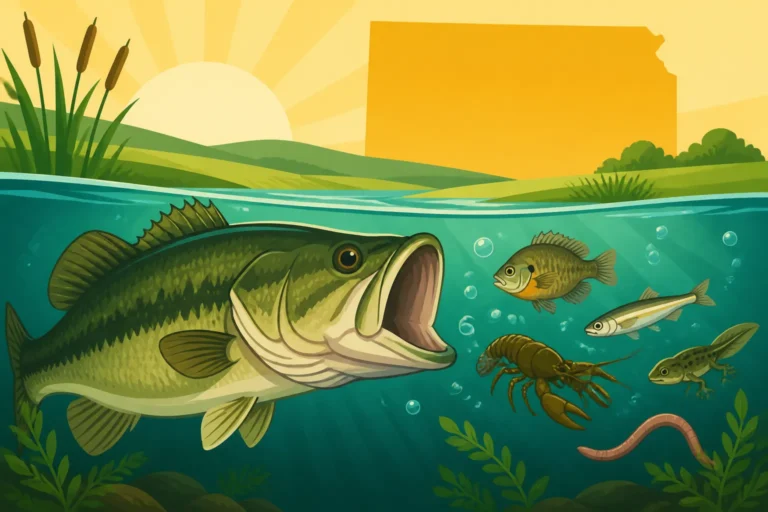
Sunfish, with their smaller mouths, have a diet that's more focused on invertebrates. They are insectivorous and omnivorous, feasting on a wide array of aquatic insects, insect larvae, worms, small crustaceans, and even some plant matter. Think of them as the foragers of the underwater world. This is why classic baits like redworms, nightcrawlers (cut into smaller pieces), crickets, and grasshoppers are so incredibly effective for sunfish. For artificials, tiny jigs, small spinners, and even fly fishing with small poppers or wet flies are excellent choices. Their feeding behavior is often characterized by a quick, aggressive peck or tug on the line, indicating their focus on smaller, easily digestible morsels. If you're looking for bait for these smaller, feisty fish, consider our guide on Best Bait for Bluegill Ponds.
Fishing Implications: Gear and Techniques
Given their distinct habitats, behaviors, and diets, it's no surprise that crappie and sunfish often call for different fishing gear and techniques.
For crappie, light to medium-light spinning tackle is usually preferred, often with sensitive rods that can detect their subtle bites. Lines in the 4-8 pound test range are common. As mentioned, live minnows are a top choice, either suspended under a bobber or fished on a jig head. Small jigs, typically 1/32 to 1/8 ounce, in various colors and shapes (tube jigs, curly-tail grubs, marabou jigs) are incredibly popular. Techniques include vertical jigging directly over structure, casting and retrieving, or "spider rigging" – using multiple long poles from a boat to cover a wide area. Anglers might use specific electronics to locate brush piles and schools. For more detailed insights into effective methods, our article on Kansas Crappie Fishing Techniques is a must-read. You can find a fantastic selection of crappie jigs and minnow imitations on Amazon to help fill your tackle box.
When it comes to sunfish, ultralight tackle truly shines. A sensitive ultralight rod and reel combo, spooled with 2-4 pound test line, makes even a small bluegill feel like a trophy. This lighter gear allows for maximum fun and sensitivity to detect their often delicate bites. Baits are simpler: worms, crickets, or small pieces of cut bait. Tiny jigs (1/64 to 1/16 ounce), often tipped with a piece of bait or a small plastic grub, are also highly effective. Fly fishing is another fantastic way to target sunfish, using small poppers, nymphs, or wet flies. Techniques are often straightforward: casting near shore, around lily pads, or into weed beds, and letting your bait sit or slowly retrieve it. Because sunfish are often abundant and eager biters, they are ideal for introducing beginners and children to the joys of fishing. Many of these basic yet effective gear items can be easily purchased from retailers like Amazon, making it simple to get started.
Common Species in Kansas and Identification Tips
Kansas is home to several popular species of both crappie and sunfish, and knowing the specific characteristics of each can further refine your identification skills and help you comply with local regulations.
Identifying White Crappie vs. Black Crappie
In Kansas, we primarily encounter two species of crappie: white crappie (Pomoxis annularis) and black crappie (Pomoxis nigromaculatus). While they share many similarities, there are distinct ways to tell them apart that go beyond just their overall color.
The most reliable differentiator lies in counting the spines on their dorsal fin. White crappie will almost always have seven or eight dorsal spines. Their bodies are typically lighter, with a more silvery hue, and they usually display those distinct, irregularly spaced vertical bars on their sides. You can almost count them, though they might not always be perfectly defined. White crappie are very tolerant of turbid (murky) water, making them incredibly abundant in many Kansas reservoirs and rivers, especially those with some siltation. They tend to be more prevalent in open water areas and larger impoundments. For a detailed look at this species, consult Kansas White Crappie Identification.
Black crappie, on the other hand, typically have five or six dorsal spines. Their bodies tend to be darker, often with a more bronze or olive-green base color, and they are adorned with an overall mottling of irregular black spots or speckles, giving them a "peppered" appearance rather than distinct bars. They generally prefer clearer, cooler water with more submerged vegetation, often found in smaller lakes or clearer sections of larger reservoirs. While less common in some turbid Kansas waters, they are still a prized catch. Our guide on Kansas Black Crappie Identification offers further details on spotting these beautiful fish.
Popular Kansas Sunfish: Bluegill, Redear, and Green Sunfish
Kansas waters teem with various sunfish species, each with its own charm and subtle distinctions. Three of the most popular and commonly encountered are bluegill, redear sunfish, and green sunfish.
Bluegill (Lepomis macrochirus) are arguably the most iconic panfish in Kansas. Their name comes from the bright blue coloring around their gill plates, though this can vary. Key identification features include a small mouth, a deep, round body, and a distinctive black "ear flap" on the operculum (gill cover) that lacks a colored margin. They often have faint vertical bars on their sides and a black blotch on the posterior part of their dorsal fin. Bluegill are often found near weed beds and docks in relatively shallow water. You can learn more about these prolific biters in Kansas Bluegill Identification.
Redear Sunfish (Lepomis microlophus), sometimes called "shellcrackers" for their ability to crush snails, are another popular catch. Their most prominent feature is a red or orange margin around the black opercular flap – hence "redear." They tend to have a slightly more elongated body than a bluegill and often lack the vertical barring. Their coloration is usually olive-green to yellowish on the sides, fading to white on the belly. Redears prefer clearer waters and often feed on the bottom, cracking open snails and other mollusks. For more on these unique feeders, see Kansas Redear Sunfish Identification.
Green Sunfish (Lepomis cyanellus) are a hardy and widespread species, often found in less pristine environments like small streams, ditches, and farm ponds, as well as larger lakes. They have a more elongated body than bluegill, with a larger mouth that extends further back on the head (though still smaller than a crappie's). Their coloration is typically a dark olive-green to brown, often with iridescent blue or green spots and streaks on their cheeks and body. They also have a black opercular flap, often with a light, reddish-orange edge that's less defined than a true redear. They can be quite aggressive despite their smaller size.
Why Proper Identification Matters for Anglers
Beyond simply satisfying your curiosity, knowing the difference between a crappie and various sunfish species is incredibly important for responsible angling. This isn't just about showing off your fish knowledge; it has real implications for complying with regulations and contributing to healthy fish populations.
Firstly, creel limits and length limits often differ between species. For instance, Kansas Crappie Length and Bag Limits might have specific rules for how many crappie you can keep in a day and what minimum size they must be, which could be very different from the general regulations for sunfish or other panfish. If you mistakenly identify a crappie as a sunfish (or vice versa) and exceed a limit or keep an undersized fish, you could face penalties. It's a key part of understanding Kansas Fishing Regulations Explained.
Secondly, proper identification helps you target effectively. Knowing you're after crappie means you'll focus on deeper structure, use minnows or jigs, and look for schools on your sonar. If you're targeting sunfish, you'll likely shift to shallower, weedy areas with worms or tiny artificials. This distinction means better success and a more enjoyable fishing experience, rather than blindly casting and hoping.
Finally, accurate identification contributes to conservation efforts. Wildlife and Parks relies on angler reports and observations to monitor fish populations. When anglers can correctly identify their catch, it helps provide better data for managing our precious fishery resources. It's about being a good steward of Kansas's incredible outdoor opportunities. So, the next time you reel one in, take a moment to observe its features closely – you'll be a better angler for it!
Disclaimer
This article is for general informational purposes only and does not constitute professional advice. Laws, prices and regulations vary by location and change over time. Consult a qualified professional for guidance on your specific situation.