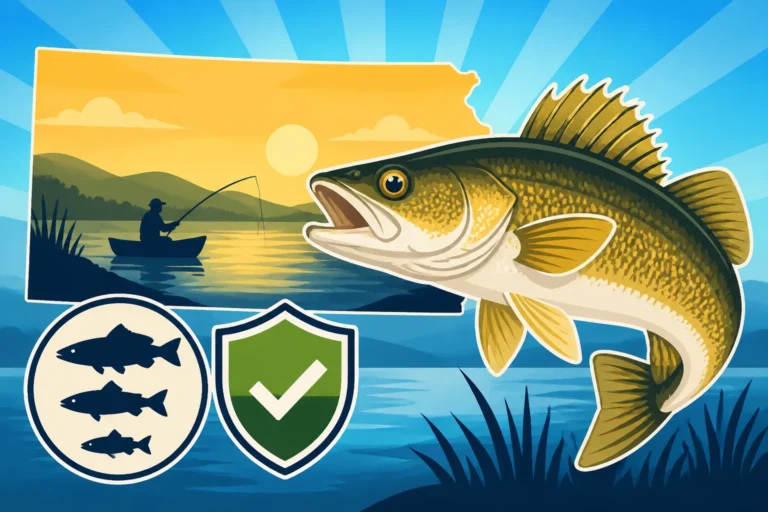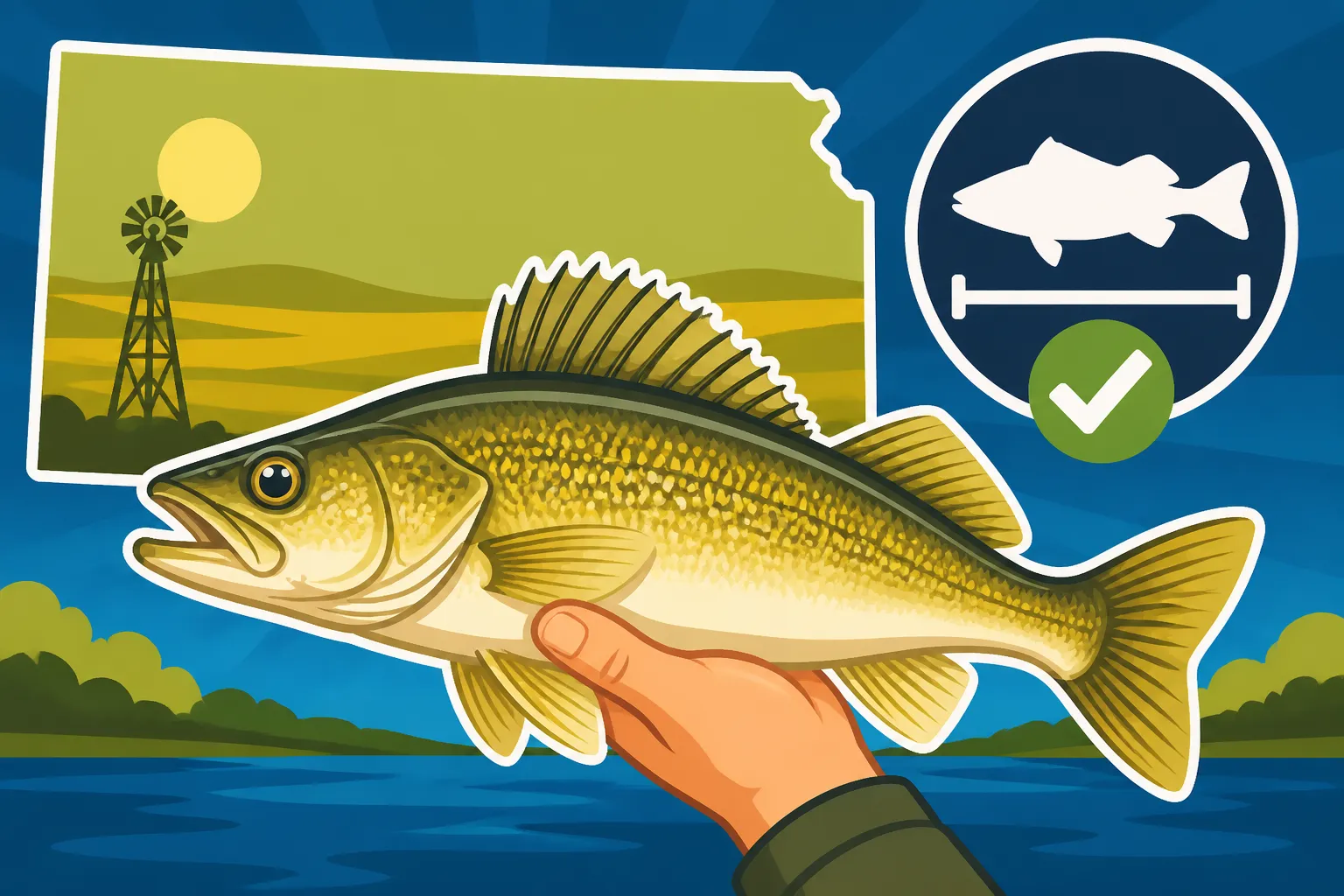
Walleye Minimum Length Is 21 Inches
The thrill of hooking into a beautiful walleye in Kansas is something truly special. That unmistakable fight, the shimmering scales, the promise of a delicious meal – it’s a moment every angler cherishes. But that excitement can quickly be replaced by a nagging question: "Is this fish a keeper?" When it comes to walleye in the Sunflower State, there's a specific number you need to have etched into your mind: 21 inches. If you've ever felt unsure about the rules for walleye, or puzzled over why Kansas has such a precise minimum length, this guide is here to clear things up. We'll dive deep into the reasoning behind the 21-inch minimum, what it means for your fishing trip, and how you can ensure you're always on the right side of the regulations, protecting this amazing fishery for everyone.
Understanding Kansas Walleye Regulations and the 21-Inch Minimum
It might seem like an arbitrary number, but state fishing regulations, especially those concerning minimum length limits, are anything but random. They are carefully crafted by fisheries biologists using scientific data to ensure the health and sustainability of fish populations. For walleye in Kansas, the 21-inch minimum length limit is a cornerstone of this management strategy, designed to foster a robust and rewarding fishery.
The 'Why' Behind the 21-Inch Rule
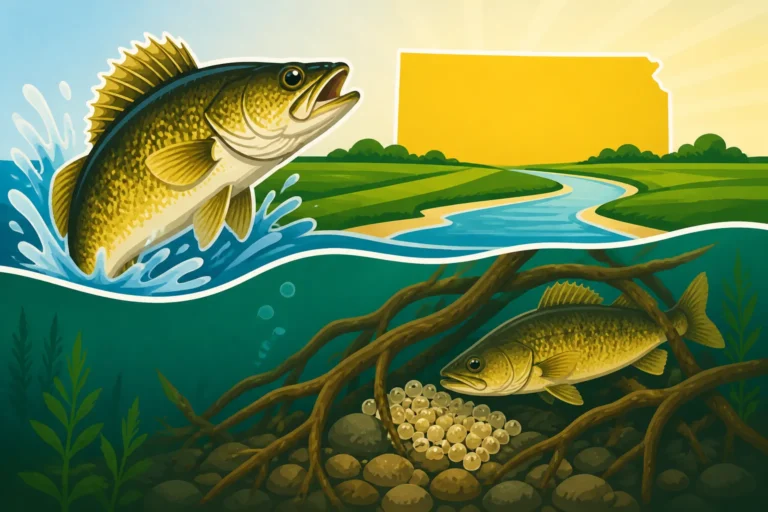
These regulations aren't put in place just to make things difficult for anglers; they're a vital part of a larger conservation effort. The 21-inch minimum for walleye in many Kansas waters serves a crucial purpose: to protect the spawning stock. Walleye typically reach sexual maturity and begin spawning around 15 to 18 inches, but allowing them to grow larger significantly increases their reproductive output and success. A larger, older female walleye, often referred to as a "brood fish," can lay many more eggs than a younger, smaller one. By implementing a 21-inch minimum, the state helps ensure that a significant portion of the walleye population has the chance to spawn at least once, and often multiple times, before they become legal for harvest. This contributes directly to a stable and healthy population for years to come.
Imagine a scenario where there was no length limit. Anglers might keep many smaller walleye, removing them from the population before they've had a chance to reproduce effectively. Over time, this could lead to a decline in walleye numbers, or a population dominated by smaller, less productive fish. The 21-inch rule acts as a safeguard, giving these fish the opportunity to grow, mature, and contribute to the next generation of walleye, which ultimately benefits everyone who loves to fish. It’s also about improving the quality of the fishing experience itself. By protecting these fish, the state is investing in the future, aiming for a fishery where anglers have a better chance of encountering substantial, healthy walleye.
General Statewide vs. Specific Waterbody Rules
Now, while "Walleye Minimum Length Is 21 Inches" is a common benchmark you'll hear for walleye in Kansas, it's absolutely critical to understand that not all waters are created equal when it comes to regulations. The 21-inch minimum is often a general statewide guideline, but individual lakes or reservoirs can, and often do, have their own specific set of rules. This is where many anglers can get tripped up, thinking they know the rules only to find out their favorite fishing spot has a unique regulation.
For example, a lake might have a more complex "slot limit" where you can keep fish under a certain size (say, under 18 inches) and a few fish over a larger size (like one fish over 24 inches), but nothing within the middle slot. Another lake might simply have a lower minimum length due to specific ecological conditions or management goals. These localized rules are not arbitrary; they are tailored by biologists to the unique characteristics of that specific body of water and its walleye population. Factors like habitat, forage base, and fishing pressure all play a role in determining the most effective management strategy. For instance, what works perfectly for the walleye fishery at Milford Lake Fishing Guide might be different from the needs of Cheney Reservoir Fishing Guide.
This means that checking the most current regulations for the specific body of water you plan to fish is not just recommended, it's absolutely essential. Ignorance of the law is never an excuse, and a simple check of the official Kansas Fishing Regulations Explained can save you from a potential fine or, worse, impacting the fishery negatively. Always make it a habit to consult the latest Kansas Fishing Regulations Summary before every trip.
Practical Application: Measuring and Handling Your Walleye
So, you've just reeled in a promising walleye. Your heart is pounding, and you're already picturing it on the dinner plate. But before you declare it a keeper, you need to take an accurate measurement. Knowing how to measure correctly and what to do with a fish that doesn't meet the legal requirement is just as important as knowing the 21-inch rule itself. Proper technique ensures both legal compliance and the well-being of the fish.
The Right Way to Measure a Walleye
Measuring a fish might sound straightforward, but there's a specific technique to ensure accuracy and consistency, which is vital when dealing with minimum length limits. The official way to measure a walleye in Kansas, and generally across most states, is to measure from the tip of the snout (the very front of its mouth) to the end of the tail with the tail fin compressed. "Compressed" means gently squeezing the lobes of the tail together to get the maximum length. This isn't about stretching the fish, but about getting a true end-to-end measurement.
To achieve this accurately and with minimal stress to the fish, you'll need a reliable measuring device. While a simple tape measure can work in a pinch, a dedicated fish measuring board or a "bump board" is highly recommended. These boards have a fixed end where you place the fish's snout, making it easy to get an accurate measurement without the fish wiggling out of place. Many experienced anglers invest in a quality bump board, which can be easily found on retailers like Amazon, ensuring they're always prepared. When measuring, remember to use wet hands when handling the fish. This helps protect its slime coat, which is a crucial defense against disease. Lay the fish flat on the measuring device, gently compress the tail, and read the measurement quickly. If you're on the edge, always err on the side of caution. If it's just under, or you're unsure, it's better to release it.
Releasing Undersized Walleye Safely
Catching an undersized walleye happens to every angler, and how you handle that moment is crucial for the future of the fishery. These fish that don't meet the 21-inch minimum are literally the future of the walleye population, and releasing them safely gives them the best chance to grow, mature, and contribute to future spawning cycles. This is an essential part of ethical angling and conservation.
When you realize a walleye is too small, act quickly and calmly. Keep the fish in the water as much as possible. If you must remove it from the water, do so gently, supporting its body horizontally rather than holding it vertically by the jaw or gills. Avoid touching the gills or eyes, as these are very sensitive areas. For hooks that are easy to remove, a quick twist with needle-nose pliers often does the trick. However, sometimes a walleye can swallow a hook deep. In these situations, a specialized de-hooking tool, which you can find on Amazon, can be invaluable. These tools allow you to remove the hook with minimal internal damage. If the hook is swallowed very deep and cannot be removed without causing significant trauma, it's often best to simply cut the line as close to the hook as possible. Hooks made of carbon steel will eventually rust away.
After de-hooking, hold the fish gently in the water, facing it into a light current if possible, and allow it to recover. You'll feel it start to kick and then swim away under its own power. Don't just toss it back; ensure it's strong enough to make it on its own. Practicing these catch-and-release best practices not only helps the walleye population but also instills a sense of responsibility and respect for the resource.
The Broader Impact: Conservation Through Length Limits
The 21-inch minimum length for walleye in Kansas isn't just about avoiding a ticket; it's a fundamental pillar of conservation that has far-reaching benefits for the entire ecosystem and the angling community. It's a testament to the forward-thinking management that helps ensure generations of anglers can enjoy the thrill of walleye fishing.
Protecting Spawning Stock and Population Health
At its core, the 21-inch minimum is a powerful fisheries management tool aimed squarely at protecting spawning stock. We touched on this earlier, but it's worth reiterating the profound impact this has. By allowing walleye to grow past the typical size of first spawning, these regulations ensure that a robust number of sexually mature fish are available to reproduce each year. This means more eggs, more successful hatches, and ultimately, a more stable and resilient walleye population. When fish are harvested before they've had ample opportunity to spawn, the reproductive potential of the entire population can suffer. The 21-inch rule acts as an ecological investment, guaranteeing that the "seed stock" for future walleye generations remains strong.
Beyond reproduction, allowing fish to grow larger also contributes to overall population health. When smaller, immature fish are removed, the remaining population has access to more food resources, leading to faster growth rates and larger average sizes. This creates a healthier size structure within the fishery, reducing the likelihood of "stunted" populations where many fish are present but few ever reach a respectable size. Compare this to fisheries in other regions that might have less restrictive limits or even no limits, where overharvest of smaller fish can lead to a long-term decline in both size and numbers. Kansas's approach helps cultivate an environment where anglers have a better chance of encountering truly large, impressive walleye, sometimes even the kind that could break the Kansas State Record Walleye. This focus on trophy potential and sustained population health is a major draw for many anglers.
Angler Responsibility and Ethical Fishing
The 21-inch walleye minimum length limit, along with other regulations, is more than just a set of rules; it's a framework for shared responsibility. Every angler on the water plays a critical role in the success of these conservation efforts. By understanding and adhering to the regulations, you're not just avoiding a fine; you're actively participating in the stewardship of Kansas's natural resources. It's a commitment to ethical fishing that benefits everyone.
The ethical implications of knowingly keeping undersized fish extend beyond the immediate act. It undermines the collective efforts of fisheries managers, conservationists, and fellow anglers who are all working towards a common goal of a thriving fishery. Such actions can lead to overharvest, depletion of stocks, and potentially even more restrictive regulations in the future. It’s also crucial to remember that walleye limits are just one piece of the puzzle. Anglers should also familiarize themselves with limits for other popular species, such as Kansas Crappie Length and Bag Limits and Kansas Catfish Daily Limits, as these can vary significantly by species and even by waterbody.
Even for legal-sized fish, embracing catch-and-release best practices, especially if you've already met your Kansas Walleye Daily Limit of Two Fish or simply wish to release a fish, is a commendable act of conservation. Using high-quality fishing tackle, such as specific de-hookers or measuring devices, often available through online retailers like Amazon, can significantly aid in careful handling and successful release. Ultimately, responsible angling ensures that the joy of fishing is sustained for generations to come, allowing future anglers to experience the same excitement of reeling in a magnificent Kansas walleye.
Common Questions and Tips for Walleye Anglers
Navigating fishing regulations can sometimes feel like a test, and specific scenarios on the water can definitely add to the confusion. Let's tackle some common questions and offer practical tips to help you confidently fish for walleye in Kansas, always staying compliant with the 21-inch minimum.
What if My Walleye is Just Under 21 Inches?
This is a scenario every walleye angler has faced: you pull in a fish, and it looks just on the cusp of being legal. It might even seem to measure 21 inches if you stretch it just so, or hold it at a slight angle. In these situations, the absolute best advice is to always err on the side of caution. If there's any doubt whatsoever that your walleye meets the 21-inch minimum, it's always safer and more responsible to release it. Wildlife and Parks officers are trained to measure precisely, and a small infraction, even if unintentional, can lead to significant penalties.
The measurement needs to be clear, unambiguous, and meet the strict definition of snout-to-compressed-tail. If you have to bend, squeeze, or manipulate the fish to make it reach the mark, it’s highly probable that it’s technically undersized. Remember, the Fishing Without a License Penalties in Kansas can be stiff, often including fines and potentially the loss of fishing privileges for a period. It's simply not worth the risk for a fish that's borderline. Consider it an investment in the fishery's future – that fish will grow, spawn, and hopefully be there for another angler (or even you!) to catch as a definite keeper later on.
Preparing for Your Kansas Walleye Trip
Preparation is key to a successful and stress-free walleye fishing trip in Kansas. Don't wait until you're on the water to scramble for information or realize you're missing essential gear. A little planning goes a long way in ensuring you comply with regulations and have an enjoyable experience.
First and foremost, before you even leave home, make it a habit to check the most current regulations for the specific body of water you intend to fish. As discussed, while "Walleye Minimum Length Is 21 Inches" is a common rule, some lakes may have special regulations. The Kansas Department of Wildlife and Parks website is your best friend here, or pick up a physical copy of the regulations summary. Print it out, or at least save a digital copy to your phone, so you have it readily accessible on the water.
Next, ensure your fishing gear is ready. This specifically includes having a reliable measuring device. A good bump board is invaluable. Double-check that it's in your tackle box or boat before you head out. Many anglers find it helpful to have a backup, perhaps a small, flexible measuring tape, just in case. High-quality fishing tackle, including specific lures for walleye, is widely available from online retailers like Amazon, which can help you stock up on everything you need. Understanding Kansas Fishing Seasons Guide and which Best Walleye Lakes in Kansas are productive at different times of the year can also make a huge difference in your success. Lastly, consider the time of year and practice Kansas Walleye Fishing Techniques that minimize stress on the fish, especially during warmer months. Remember, responsible angling is enjoyable angling.
| Regulation Aspect | General Kansas Walleye Limit | Some Special Regulations (Example: Lake X) |
|---|---|---|
| Minimum Length | 21 inches | 18 inches (with specific slot) |
| Daily Creel Limit | 2 fish | 4 fish (only 1 over 21 inches) |
| Primary Goal | Protect spawning stock | Balance harvest with trophy potential |
| Measurement Method | Snout to compressed tail | Snout to compressed tail |
Disclaimer
This article is for general informational purposes only and does not constitute professional advice. Laws, prices and regulations vary by location and change over time. Consult a qualified professional for guidance on your specific situation.