Average Size of Bluegill
It can be a little disheartening when you’re out on a beautiful Kansas day, hoping to pull in some decent panfish, only to find yourself consistently catching bluegill that are barely bigger than your thumb. You might start to wonder, "Am I doing something wrong? Is this just how bluegill are in Kansas?" This guide is here to shed some light on the average size of bluegill in our state, what factors contribute to their growth, and how you can increase your chances of finding those bigger, feistier fighters.
What's Considered an Average Bluegill Size in Kansas?
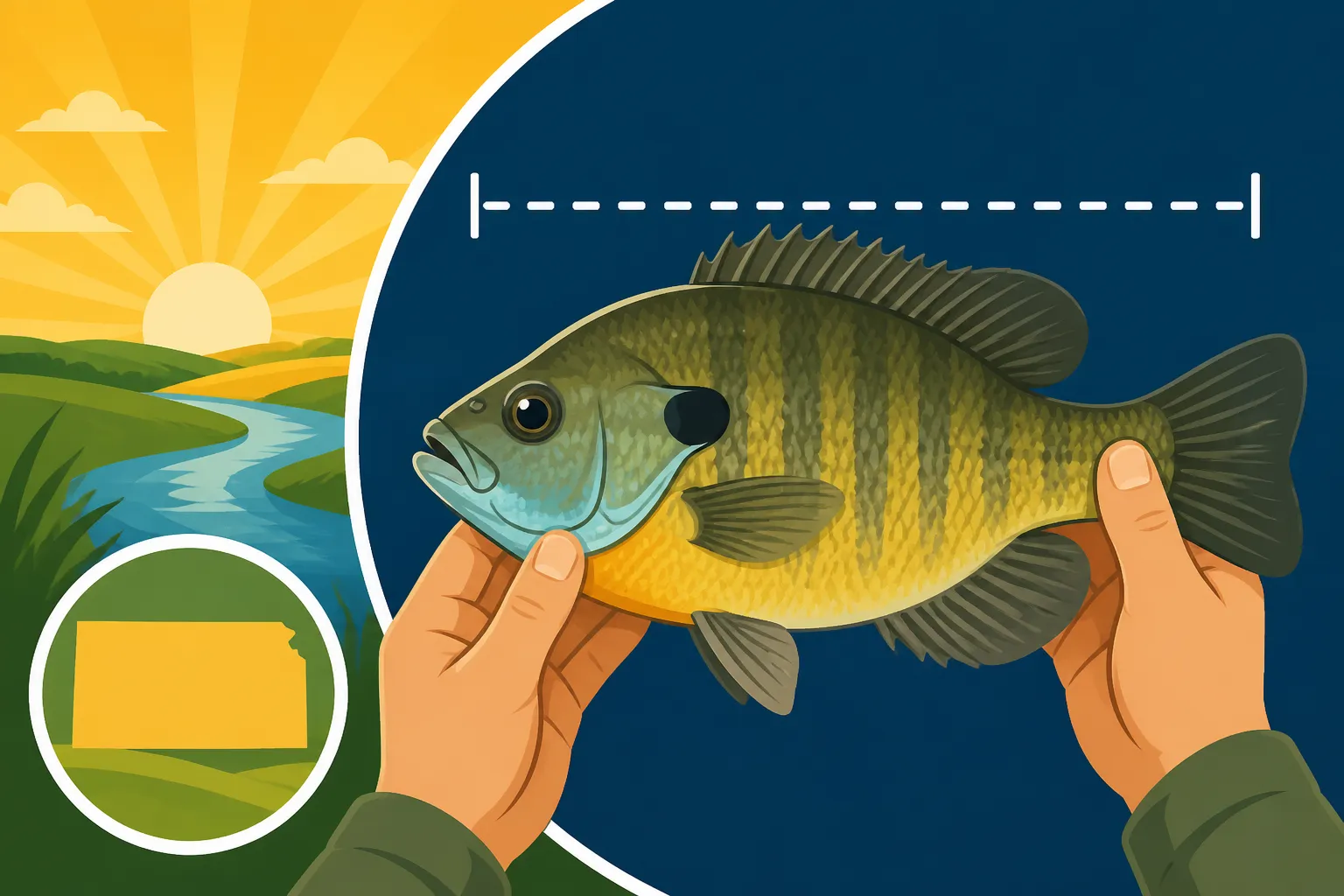
When we talk about the "average" size of bluegill in Kansas, it's really important to remember that this isn't a hard and fast rule set in stone. Bluegill are incredibly adaptable fish, and their growth can vary wildly depending on where they live. However, for most Kansas waters, you're generally looking at bluegill in the 6 to 8-inch range as a good, healthy average. These are the fish that are a real blast on light tackle, offer a decent fight, and are often perfect for a pan-fried meal.
Now, it’s not uncommon to catch bluegill that are smaller than 6 inches, especially if you're fishing a pond with an overpopulation issue or a lake where fishing pressure is high. On the flip side, many anglers dream of catching "slab" bluegill, and in Kansas, that usually means fish pushing 9, 10, or even 11 inches. While these are less common, they certainly exist, particularly in well-managed ponds and some of our larger reservoirs. You might also find some truly impressive specimens in specific Kansas Community Fishing Lake Rules or private waters where conditions are just right.
The weight of an average bluegill typically corresponds to its length. A 6-inch bluegill might weigh a quarter to a third of a pound, while an 8-inch bluegill could easily hit half a pound or more. Those trophy bluegill pushing the 10-inch mark can sometimes weigh over a pound, providing a memorable fight and a substantial fillet. Understanding these ranges helps set realistic expectations and appreciate the diversity of bluegill populations across the state.
Length and Weight Expectations Across Water Bodies
The type of water body plays an enormous role in determining the average size of bluegill you'll encounter. A small, unmanaged farm pond will have a vastly different population dynamic than a massive reservoir or a professionally managed community lake. Knowing where you're fishing can give you a pretty good idea of what size bluegill to expect.
In smaller, private farm ponds, if they aren't properly managed, bluegill can often become overpopulated. This leads to stunted growth, where you'll catch dozens of 3-to-5-inch fish, but rarely anything larger. They simply don't have enough food or space to grow big. Conversely, a well-managed farm pond with a healthy predator population (like largemouth bass) can produce some of the biggest bluegill in the state, as competition for food is reduced. You can find some excellent insights on Kansas Farm Pond Fishing Tips to really dial in on these honey holes.
On the other hand, large public reservoirs and state fishing lakes tend to have a more stable population of bluegill. While these might not consistently produce the giants found in prime private ponds, they offer reliable catches of respectable 6-to-8-inch bluegill. The sheer size and diversity of habitat in these larger bodies of water often ensure a balanced ecosystem. Community lakes, often stocked and managed by the state, are usually designed to offer good fishing opportunities for families and beginners, meaning you can often find a healthy mix of sizes there.
Here's a general idea of what to expect:
| Water Body Type | Typical Length Range (Inches) | Average Weight (Pounds) | Notes |
|---|---|---|---|
| Overpopulated Farm Pond | 3-5 | < 0.25 | High numbers, low growth, often skinny fish |
| Well-Managed Farm Pond | 7-11+ | 0.5 – 1.5+ | Balanced ecosystem with good food and predation; potential for trophies |
| Community Fishing Lake | 6-9 | 0.25 – 0.75 | Stocked and managed for good public fishing; healthy average |
| Large Public Reservoir | 5-8 | 0.2 – 0.5 | Stable populations, consistent catches, but fewer giants |
Factors Influencing Bluegill Size in Kansas Waters
Understanding why bluegill vary so much in size is key to finding and catching bigger fish. It’s not just random luck; a combination of environmental factors and ecological dynamics dictates how large these popular panfish can grow. If you've ever wondered why one pond produces dinner-plate bluegill while another only coughs up stunted runts, these factors are likely at play.
One of the biggest factors is food availability and quality. Bluegill are opportunistic eaters, feasting on everything from aquatic insects, insect larvae, small crustaceans, and even tiny minnows. A water body rich in these food sources will naturally support larger, healthier bluegill. Conversely, a pond with a scarcity of food will lead to smaller, often skinny, fish that struggle to put on weight.
Population density is another crucial element. This is perhaps the most common reason for stunted bluegill. If there are too many bluegill in a given area, they compete heavily for the available food, and none of them can grow to their full potential. It's like having too many kids at a birthday party sharing a single slice of cake – everyone gets a taste, but nobody gets full. This often happens in ponds without enough predators. For more on what these fish eat, you might enjoy our Kansas Panfish Guide.
The Role of Habitat and Water Quality
Just like any other living creature, bluegill thrive when they have a good home. Habitat structure provides cover from predators, places to ambush prey, and critical spawning grounds. Submerged vegetation, brush piles, rock formations, and even fallen timber all contribute to a healthy bluegill habitat. Waters lacking sufficient cover might see bluegill populations that are either heavily predated or simply unable to thrive and grow.
Think about a shoreline with dense lily pads or a submerged cedar tree. These are natural magnets for bluegill, offering them protection and a buffet of insects. If you're fishing a barren stretch of water, it's unlikely you'll find concentrations of larger bluegill. Many experienced anglers look for specific types of structure when trying to find bigger fish, a concept detailed in our Kansas Fishing Techniques for Beginners guide.
Water quality is also non-negotiable for healthy fish growth. Parameters like dissolved oxygen levels, temperature, pH, and the presence of pollutants all impact a bluegill's ability to grow. Good water quality means less stress on the fish, allowing them to allocate more energy to growth rather than simply surviving. For instance, extremely high water temperatures in shallow, stagnant ponds can reduce oxygen levels, stressing fish and limiting their growth potential. A pond that consistently has clear, well-oxygenated water is far more likely to produce robust bluegill.
Predation and Genetics
It might seem counterintuitive, but a healthy predator population is vital for big bluegill. Fish like largemouth bass, flathead catfish, and even some birds or otters, help keep the bluegill population in check. By culling smaller, weaker bluegill, predators reduce competition for food among the remaining fish, allowing them to grow larger. If a pond lacks sufficient predators, the bluegill population can explode, leading to widespread stunting. This is why many private pond managers introduce or manage bass populations specifically to improve bluegill size.
Finally, genetics play a role, though it's often less impactful than environmental factors in wild populations. Just like people, some bluegill are genetically predisposed to grow larger or faster than others. While you can't control the genetics of the fish you're catching, it's worth noting that some bluegill strains simply have better growth potential. Hatcheries sometimes selectively breed for faster-growing or larger bluegill to stock in lakes and ponds, aiming to improve fishing quality.
Identifying Healthy, Harvestable Bluegill
When you reel in a bluegill, how do you know if it's a good one to keep? Beyond just length, there are visual cues that can tell you a lot about the fish's health and the overall health of the fishery. Identifying healthy, harvestable bluegill isn't just about finding the biggest fish; it's also about practicing responsible angling and contributing to a balanced ecosystem.
A healthy bluegill will generally have a thick, robust body relative to its length. It should look well-fed, almost plump. If you catch a fish that's long but very thin, with a disproportionately large head for its body, that's often a sign of a stunted fish or one that isn't getting enough to eat. These "big-headed" bluegill are common in overpopulated ponds and are often good candidates for harvest to thin the ranks.
Their colors can also be an indicator. Healthy bluegill, especially males during spawning season, will often display vibrant, deep colors—blues, oranges, and greens. While coloration can vary with water clarity and specific strains, dull or pale colors might sometimes indicate a less healthy fish. Their fins should be intact and not frayed, which could be a sign of disease or poor water quality. For precise identification of species, check out our Kansas Bluegill Identification guide.
Understanding Bluegill Harvest and Management
Kansas generally doesn't impose strict length limits on bluegill, unlike some other popular game fish. This means anglers have a bit more discretion when it comes to keeping their catch. However, responsible harvest is crucial for maintaining a healthy bluegill population. The old adage, "take a kid fishing and help them catch their limit of bluegill," is a great sentiment, but it's vital to think about the fish you're keeping.
Many pond and lake managers actually encourage anglers to selectively harvest smaller bluegill (those in the 4-to-6-inch range) to help thin the population. This reduces competition and allows the remaining bluegill to grow larger. If everyone only keeps the biggest fish, it can sometimes lead to a population with too many small bluegill, as the genetic potential for larger growth is removed. So, if you're consistently catching a lot of smaller fish, don't be afraid to keep a few for a meal.
Conversely, if you're fishing a body of water known for producing trophy bluegill, you might consider practicing catch-and-release for the very largest fish. These "brood stock" fish are often the best spawners and contribute genetic material for future generations of large bluegill. It's a delicate balance, and local regulations or specific lake management plans might offer further guidance on optimal harvest strategies. For information on daily limits for other panfish, see Kansas Crappie Daily Limits.
Tips for Catching Bigger Bluegill in Kansas
If your goal is to consistently hook into those heavier, hand-sized bluegill that put a real bend in your ultra-light rod, there are several strategies you can employ. It often comes down to knowing where they hide, what they prefer to eat, and when they're most active. You don't always need fancy gear; sometimes, a simple adjustment makes all the difference.
First and foremost, seek out quality habitat. Bigger bluegill are usually found around structure—brush piles, submerged timber, rock ledges, weed lines, and docks. These areas provide both cover from predators and ambush points for food. Don't be afraid to fish slightly deeper than you might expect, especially during the heat of summer or the cold of winter. While smaller bluegill might swarm the shallows, the bigger ones often prefer the safety and cooler temperatures of deeper water near cover. Best Bank Fishing Spots at Cheney Reservoir or similar larger bodies of water often have these kinds of structures available from shore.
Next, consider your bait and lure choices. While bluegill will hit just about anything, bigger bluegill sometimes prefer a slightly larger offering. Live bait like crickets, mealworms, and small red worms are almost irresistible. For artificials, tiny jigs (1/32 or 1/64 ounce) tipped with a small plastic grub or tube can be incredibly effective. Micro-spoons and small inline spinners also work well. You can find a huge selection of these small baits and lures on Amazon, perfect for filling out your panfish tackle box. For specific recommendations, check out Best Bait for Bluegill Ponds.
Timing, Presentation, and Gear
The time of day and season can greatly influence your success. Bluegill are typically most active during the warmer months, from spring through early fall. During spring, they'll move into shallower waters to spawn, making them easier to target. Early mornings and late evenings are often the best times, as the sun is less intense, and bluegill are more willing to venture out from cover. Even in summer, while they might retreat to deeper water during midday, they’ll often feed heavily at dawn and dusk. For a broader seasonal overview, our Kansas Spring Fishing Guide and Kansas Summer Fishing Guide offer great insights.
Presentation is key. Bluegill are not usually shy, but a natural, subtle presentation can often entice the larger, more cautious fish. Use ultra-light rods and reels with very light line (2-4 pound test monofilament or fluorocarbon) to achieve a natural fall and minimize line visibility. A small bobber that offers minimal resistance can help you detect the lightest bites. Let your bait or lure sink slowly, pausing occasionally, to mimic natural food falling through the water column. Sometimes the lightest tap is a big bluegill, so paying attention is crucial. You can find excellent panfish rod and reel combos on Amazon, often at very reasonable prices, perfect for this kind of finesse fishing.
Finally, don't underestimate the importance of selective harvesting as a long-term strategy, especially if you manage your own private pond. By removing a good number of the smaller, stunted bluegill, you're directly reducing competition for food and space, allowing the remaining fish to grow larger. This practice, combined with good habitat management, can turn a pond full of small bluegill into a consistent producer of trophy panfish. For those interested in the gear, our Best Rod and Reel Combo for Crappie can give you ideas, as much of that gear crosses over well for bluegill.
Disclaimer
This article is for general informational purposes only and does not constitute professional advice. Laws, prices and regulations vary by location and change over time. Consult a qualified professional for guidance on your specific situation.