Weight of Trout Stockings in Pounds
It's incredibly frustrating when you hear about a local lake getting stocked with trout, you get all excited, maybe even buy a special permit, only to wonder if it's even worth the drive. How many fish are really in there? Are we talking about a handful of small fry, or enough to make a dedicated fishing trip worthwhile? That uncertainty can really dampen the enthusiasm. This comprehensive guide will pull back the curtain on Kansas trout stocking programs, specifically diving into the typical weight of trout stockings in pounds and what that means for your fishing success and planning.
Understanding Kansas Trout Stocking Programs
The Kansas Department of Wildlife, Parks and Tourism (KDWPT) has a fantastic program that brings trout fishing to many communities across the state, especially during the colder months when other species might be less active. It's a real blessing for anglers who crave that tug on the line throughout the winter. But understanding the why and how behind these stockings can help you appreciate the effort and prepare better for your outing.
Why Kansas Stocks Trout
You might wonder why Kansas, known for its catfish and crappie, puts so much effort into stocking trout, a species not native to most of its waters. The primary reason is to provide diverse fishing opportunities, especially when water temperatures are cool enough for trout to thrive. For many Kansans, the winter months can feel long, and ice fishing isn't always a reliable option. Trout stockings offer a unique chance to get out and enjoy the outdoors, keeping rods bent when other angling action slows down. It's also a wonderful way to introduce new anglers, especially kids, to the sport, as stocked trout are often quite eager to bite. Plus, it extends the fishing season for those who love to cast a line year-round. It's all about creating accessible, fun fishing experiences for everyone, from seasoned veterans to those just starting out. You can learn more about the overall strategy in our Kansas Trout Fishing Guide.
The "Trout Season" in Kansas
Unlike some states with year-round trout streams, Kansas operates on a specific "trout season" model, dictated by water temperature. Rainbow trout, the most commonly stocked species, prefer cooler water, generally below 70 degrees Fahrenheit. This means stocking typically begins in the late fall, often around November or December, and continues through the winter and into early spring, usually wrapping up by March or April, before water temperatures climb too high.
These stockings occur at designated Community Fisheries and State Fishing Lakes throughout Kansas. Not every lake gets trout, so it's essential to check the official KDWPT stocking schedule for specific locations and dates. You can find detailed information on when and where these fish are released by looking at resources like the Kansas Trout Stocking Schedule for December or the Kansas Trout Stocking Schedule for January and February. Remember, during this specific "trout season," anyone aged 16 and older who wants to fish for or possess trout needs both a valid Kansas fishing license and a special trout permit, even if they aren't specifically targeting trout. It’s part of ensuring the program remains sustainable. Our Kansas Trout Permit Guide can give you all the details on that. The season generally runs from Kansas Trout Season Runs December 1 to March 31.
The Numbers Game: How Many Pounds of Trout are Stocked?
When we talk about the "weight of trout stockings," we're getting to the heart of what anglers really want to know. It's not just about how many fish are released, but what kind of fishing experience that amount of fish provides. The KDWPT strives to make these stockings meaningful for anglers, ensuring there are plenty of catchable fish to go around.
Typical Stocking Weights Per Event
While specific numbers can fluctuate based on budget, fish availability, and the size of the water body, Kansas generally aims for substantial stockings to make a noticeable impact for anglers. We're not talking about just a few fish here and there; these are often significant releases designed to create a vibrant fishery for several weeks.
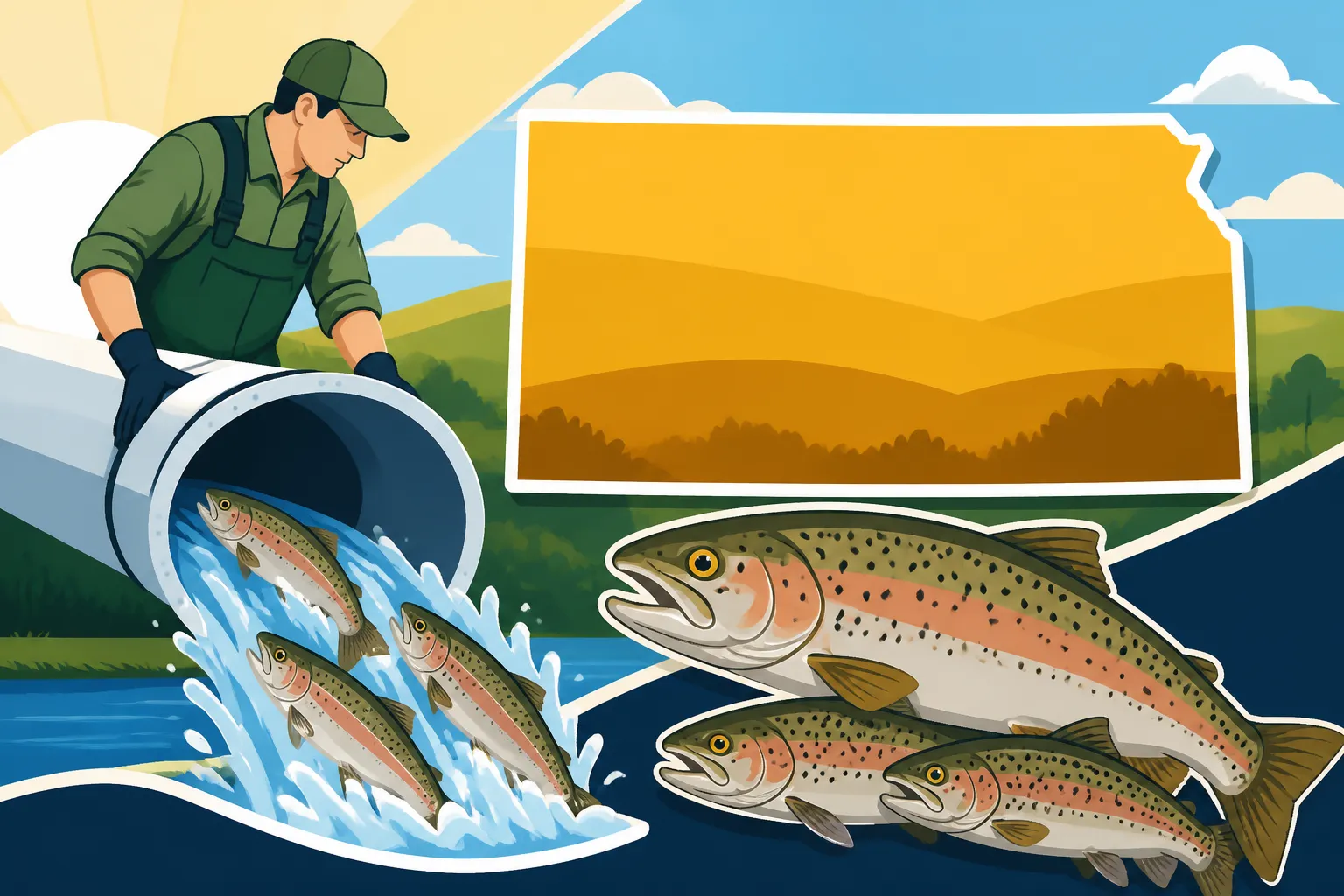
A typical stocking event for a single community lake might involve anywhere from 500 to 2,000 pounds of trout. Yes, pounds! To give you a better idea of what that actually means in terms of fish, most of the rainbow trout stocked are "catchable size," which usually translates to fish weighing roughly half a pound each. So, a 1,000-pound stocking could mean around 2,000 individual trout hitting the water. This is a substantial number that greatly increases your chances of success. The exact number of fish varies depending on the average size of the trout available from the hatchery at the time of stocking. Some might be slightly smaller, some a bit larger, but the goal is always a good "pan-sized" fish for eating or sport.
Here's a quick look at how the weight might translate to fish count:
| Stocking Weight (Lbs) | Estimated Number of Trout (at 0.5 lbs/fish) | Common Scenario |
|---|---|---|
| 500 | 1,000 | Smaller community pond, initial stocking |
| 1,000 | 2,000 | Medium-sized lake, regular stocking |
| 2,000 | 4,000 | Larger community lake, heavy angler pressure area |
| 3,000+ | 6,000+ | Major water body or special event stocking |
This table gives you a rough idea, but remember, the actual count depends on the precise average weight of the fish delivered. It's always a good idea to check the specific stocking reports if you can, but generally, when KDWPT announces a trout stocking, they're putting in enough fish to make it worth your while. We delve into similar details in How Many Trout Stocks Each Winter.
Factors Influencing Stocking Weight
Several elements play into how many pounds of trout are stocked at any given location and time. It's not just a random dump of fish; it's a carefully managed program designed to optimize angler experience and resource use.
Firstly, the size and type of the water body are crucial. A smaller urban pond simply can't support as many fish as a larger state fishing lake. KDWPT considers the acreage, depth, and overall habitat to determine a suitable stocking density. Overstocking could lead to poor water quality or increased stress on the fish.
Secondly, anticipated angler pressure is a big factor. Lakes closer to population centers, like those around Wichita or Kansas City, often receive heavier stockings because they're expected to draw more anglers. The goal is to ensure that demand is met and that people have a good chance of catching fish, encouraging participation.
Thirdly, budget and fish availability from the hatcheries dictate the overall scale of the program. Trout need to be raised and transported, which involves significant resources. The KDWPT works within its means to provide the best possible experience across all stocked locations. Sometimes, factors beyond their control, like disease outbreaks at a hatchery, can temporarily affect stocking numbers, but these are generally rare occurrences.
Lastly, program goals for a specific water body might influence the stocking. Is it meant to be a high-volume catch-and-release fishery, or primarily a put-and-take opportunity for families? These distinctions can subtly shift the quantity and even the size of trout stocked. Our Number of Waterbodies Stocked With Kansas Trout article discusses the breadth of the program.
What a "Pound" Really Means for Your Tackle Box
Knowing the number of pounds stocked is one thing, but understanding what that means for your actual fishing strategy is where the rubber meets the road. It helps you set expectations and choose the right gear and approach.
The Average Size of Stocked Trout
Let's be realistic: most stocked trout aren't trophy fish. They are typically "catchable" or "pan-sized" trout, meaning they usually range from 10 to 14 inches in length and weigh around half a pound to a pound. These are perfect for a quick fight on light tackle and, if you choose to keep them, make for a delicious meal.
While you might occasionally encounter a larger "brood stocker" that snuck into the batch, the vast majority will be in that consistent, manageable size range. Don't go expecting state record contenders right after a stocking. The goal is quantity and accessibility, not necessarily monster fish. This focus on providing a good volume of readily catchable fish is what makes these programs so popular, especially for beginners and families looking for consistent action. For specifics on the kind of trout you're likely to encounter, check out our Kansas Rainbow Trout Facts article.
Impact on Catch Rates and Fishing Strategy
The good news is that these freshly stocked trout are often quite hungry and disoriented after being transported and released into a new environment. This means high catch rates can be common in the days immediately following a stocking. Anglers who hit the water within a day or two of a reported stocking often experience fantastic action.
However, as the days pass and angler pressure increases, the fish can become warier. They learn to associate shadows and loud noises with danger, and they start to recognize common baits. This means your strategy might need to adapt. Early in the stocking cycle, aggressive presentations might work. Later on, a more subtle approach, like lighter line, smaller baits, or stealthier techniques, might be necessary. Knowing the consistent size of these fish also helps in selecting appropriate gear – no need for heavy catfish rods here! You'll want something light and sensitive.
Maximizing Your Success After a Trout Stocking
So, you've got your Kansas Trout Permit Guide and you know a stocking just happened. Now, how do you make the most of it? A little preparation and understanding of trout behavior can go a long way.
Best Baits and Lures for Freshly Stocked Trout
When it comes to newly stocked trout, they often aren't picky, especially in the first few days. They've been raised on pellets, so anything that resembles that or is easy to spot will likely get their attention. This is where simple, effective baits really shine.
- PowerBait: This is almost a universal trout killer. The dough-like consistency, bright colors (chartreuse, orange, rainbow), and strong scent are incredibly effective. You can mold it around a small treble hook or a single bait holder hook, often fished on the bottom with a small split shot or an egg sinker, allowing it to float just above the bottom.
- Corn: Yes, plain old canned corn! It's cheap, effective, and surprisingly enticing to stocked trout, likely because it resembles their hatchery pellets and has a sweet scent. Use a few kernels on a small hook.
- Worms: Nightcrawlers or red wigglers, fished whole or in pieces, are always a reliable choice for trout. They offer natural movement and scent.
- Small Spinners: Lures like Panther Martins, Mepps, or Rooster Tails in sizes #0 to #2 are excellent for actively searching for trout. Their flashing blades and vibrations mimic small baitfish or insects. These are great for casting and retrieving, especially if you're not getting bites with stationary bait. You can find a good selection of these on Amazon.
- Tiny Spoons: Trout magnets or similar small, flashy spoons can also be highly effective. The erratic flutter as they fall or are retrieved can trigger strikes.
For more detailed bait strategies, our Best Bait for Winter Trout guide offers excellent advice.
Finding the Fish: Where Do Freshly Stocked Trout Tend to Hang Out?
When trout are first stocked, they're often a bit disoriented and tend to stick together. They might not immediately spread out across the entire lake.
- Stocking Points: Your absolute best bet, especially in the first 24-48 hours, is to fish near where the fish were actually released. This is often near boat ramps, public access points, or specific docks. The KDWPT might even indicate general stocking areas.
- Shallow Water Near Cover: Many stocked trout will linger in shallower areas, especially those with some kind of structure or cover. This could be submerged brush, docks, or even drop-offs near the bank. They're looking for safety and food.
- Deep Pockets and Drop-offs: As they get a bit more comfortable, trout will often move to deeper areas where the water is cooler and they feel more secure from predators. Look for natural depressions, the deeper side of a pond, or areas where the bottom drops off sharply.
- Around Inflows/Outflows: If the lake has any small streams or culverts flowing into it, or an outflow structure, these areas can be oxygenated and provide current that trout often prefer.
- Along the Shoreline: Many stocked lakes are designed for bank anglers, and trout will often patrol the edges looking for food. Don't feel like you need a boat to find them. Often, a good pair of waders and a small tackle bag from Amazon are all you need.
Focus on patience and moving around until you find a biting school. Sometimes, just a slight change in casting direction or depth can make all the difference. Remember, the Kansas Winter Trout Fishing Guide has even more great tips on locating these cold-water beauties.
Maintaining the Fun: Responsible Trout Fishing
Once you're out there and experiencing the joy of catching these stocked trout, it's important to do so responsibly. This ensures the program remains viable and enjoyable for everyone.
Understanding Creel Limits and Regulations
Every angler needs to be aware of the daily creel limits and length limits (if any) for trout in Kansas. These regulations are in place to manage the fishery and distribute the catch among anglers. While stocked trout typically don't have length limits, there's always a daily bag limit, which dictates how many fish you can keep. Exceeding these limits can lead to penalties and jeopardizes the future of the stocking program. Always consult the current Kansas Fishing Regulations Explained for the specific water body you're fishing. It's not just about the weight of the stocking, but how we all manage our take to ensure there's enough for others.
Catch and Release Best Practices
While many anglers participate in the trout program for the opportunity to take home a meal, catch and release is also a valuable practice, especially if you've already caught your limit or just enjoy the sport. If you plan to release fish, handle them with care. Wet your hands before touching the fish to protect its slime coat, minimize air exposure, and use a de-hooking tool if the hook is deep. Barbless hooks can also make releasing fish much easier and reduce harm. Even small actions like these contribute to a healthier fish population and better fishing for everyone.
Knowing the sheer weight of trout stocked in Kansas lakes can certainly put your mind at ease and empower you to plan a successful fishing trip. When the KDWPT puts thousands of pounds of fish into the water, they're truly creating a fantastic opportunity for anglers of all skill levels to enjoy the thrill of the catch. So, next time you see that stocking report, grab your light tackle, maybe some PowerBait from Amazon, and head out with confidence – those pounds of trout are waiting for you!
Disclaimer
This article is for general informational purposes only and does not constitute professional advice. Laws, prices and regulations vary by location and change over time. Consult a qualified professional for guidance on your specific situation.