How Many Trout Stocks Each Winter
That chill in the air and the occasional dusting of snow might signal the end of some fishing seasons, but for savvy Kansas anglers, it's just the beginning of a truly unique and often bountiful opportunity: winter trout fishing. Many folks wonder exactly how our state keeps those frosty waters stocked with feisty trout, especially when everything else seems to slow down. This guide is here to pull back the curtain on Kansas's winter trout stocking program, offering a detailed look at the efforts involved and what it means for your chilly season fishing adventures.
The Annual Trout Stocking Mission in Kansas
When the temperatures drop across Kansas, the Kansas Department of Wildlife, Parks and Tourism (KDWPT) doesn't just put away their nets; they ramp up for a special mission: the annual winter trout stocking. This isn't just a haphazard drop of fish into a lake; it's a carefully orchestrated program designed to bring a unique cold-water fishing experience to anglers across the state, ensuring that even in the heart of winter, there's exciting action to be had. It addresses the common frustration of feeling like fishing opportunities disappear once summer fades.
Understanding the Scale of Winter Trout Stocking
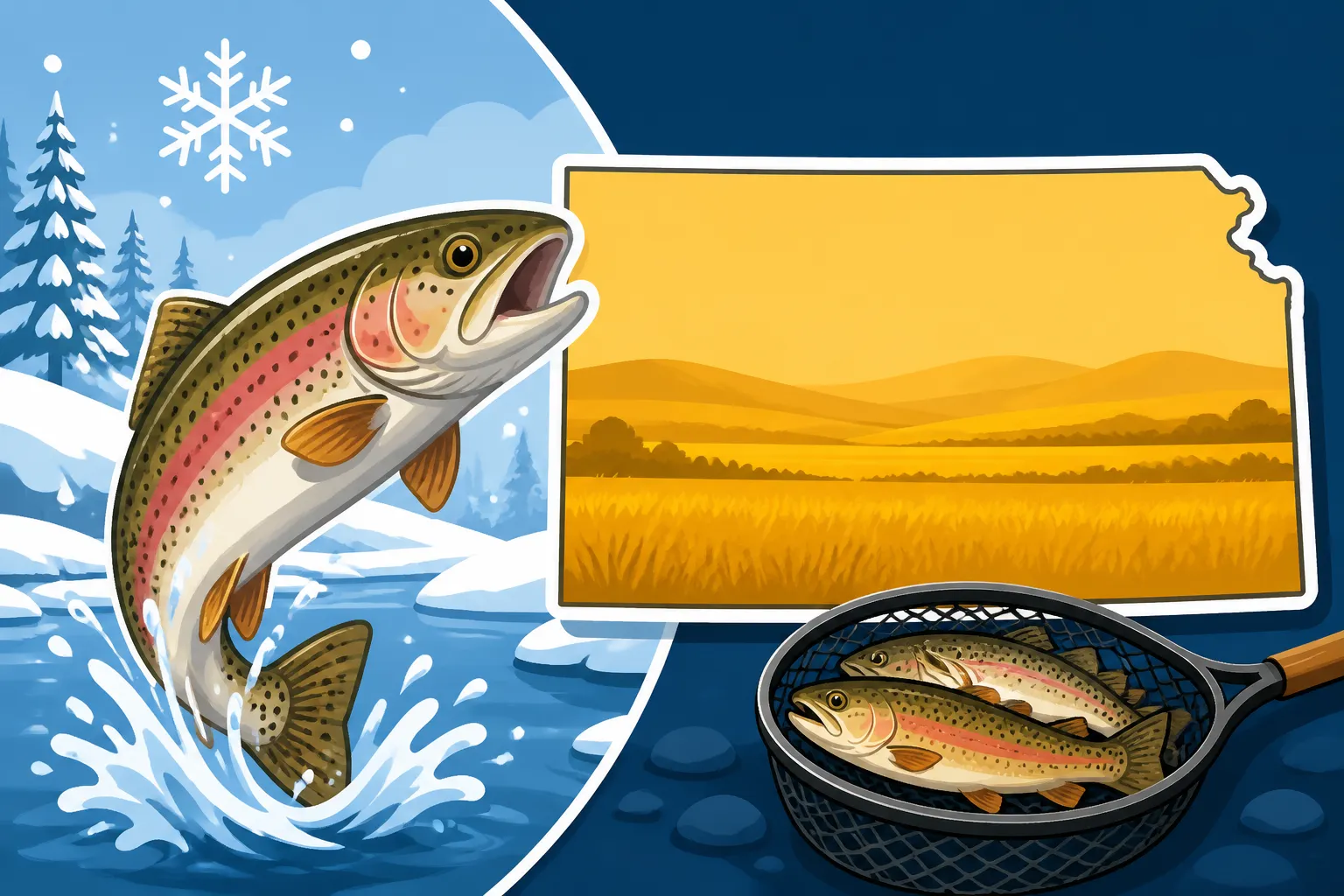
So, how many trout are we talking about here? While specific yearly numbers can fluctuate slightly based on various factors like budget and fish availability, the scale of the winter trout stocking program in Kansas is genuinely impressive. Each winter, typically starting in the fall and continuing through the cooler months, the KDWPT aims to stock many thousands of pounds of trout. This isn't just a handful of fish here and there; we're talking about a significant infusion of vibrant, hard-fighting rainbow trout into numerous public waterbodies.
Imagine truckloads of lively trout, each one destined for a Kansas lake or pond, ready to give an angler a thrilling fight. This effort often involves multiple stockings throughout the season at various locations to ensure a sustained fishery. It's truly a testament to the KDWPT's commitment to providing diverse fishing opportunities, even when ice might be forming on the edges of your favorite lake. Anglers hoping to get in on the action will definitely want to stay informed about the Kansas Trout Permit Guide and the associated Kansas Trout Permit Cost and Season.
Why Kansas Stocks Trout in Winter
You might be thinking, "Why trout, and why in winter?" It's a fantastic question, and the answers lie in both biology and recreational strategy. Trout, particularly rainbow trout, are cold-water species. They thrive in water temperatures that many of our native warm-water fish, like bass and catfish, would find far too frigid. This makes them perfectly suited for Kansas winters.
By stocking trout when the water is cold, the KDWPT creates an entirely new fishing season during a time when other species are often sluggish or hunkered down in deep water. This means anglers don't have to pack away their gear for months; instead, they can switch to different techniques and target a species that offers a lively fight in chilly conditions. It also diversifies the state's fishing portfolio, giving everyone, from seasoned veterans to families looking for a weekend outing, a chance to enjoy the outdoors. Plus, it’s a wonderful way to introduce folks to the sport, as stocked trout are generally eager biters.
Planning Your Winter Trout Pursuit: Where and When to Find Them
Knowing that trout are stocked is one thing, but knowing where and when to find them is the key to a successful outing. Kansas has a well-established system for its winter trout program, focusing on accessibility and providing opportunities across various regions.
Identifying Key Stocked Locations
The KDWPT prioritizes public access points and community-friendly waters for its winter trout program. This often includes a mix of dedicated Kansas Community Fishing Lake Rules and larger state fishing lakes and reservoirs. These locations are chosen for their suitable cold-water habitat, ease of public access, and often, amenities that cater to anglers, even in colder weather.
Think about the smaller ponds and lakes often found within city limits or state parks – these are prime candidates. They’re convenient for a quick trip after work or a weekend outing with the family, and they often provide opportunities for bank fishing, which is a major plus when boat ramps might be icy or less accessible. Many of these spots are specifically managed to give Kansans a chance to catch fish close to home. Sometimes, certain special fish, like Where Golden Rainbow Trout Are Stocked in Kansas, are specifically placed to add an extra layer of excitement to the experience.
Navigating the Winter Trout Season Schedule
The winter trout season in Kansas is generally understood to run from December 1st through March 31st, though stocking efforts often begin in the late fall. This extended period ensures ample opportunities for anglers to get out and chase these finicky, but fun, fish. The KDWPT does a fantastic job of publicizing its stocking schedules, often releasing details about which lakes will receive trout and roughly when.
This information is invaluable for planning your trips. For instance, you might want to check the Kansas Trout Stocking Schedule for December or the Kansas Trout Stocking Schedule for January and February to see when your local spots are getting a fresh batch of fish. Keeping an eye on these announcements is crucial, as the best fishing often happens shortly after a stocking event when the fish are still active and adjusting to their new environment. It's like knowing when the fresh bread comes out of the oven at the bakery – you want to be there!
Gear Up for Success: Essential Equipment for Winter Trout
Successful winter trout fishing requires a slightly different approach and, often, some specialized gear compared to your typical summer bass or catfish setup. Don't worry, you don't need to break the bank, but having the right tools can make all the difference in comfort and catch rates. Preparing for a Kansas Winter Trout Fishing Guide means thinking about the cold and the fish's habits.
Rods, Reels, and Line for Cold Water
When targeting trout in winter, finesse is often key. A lightweight spinning rod, usually in the 5 to 6.5-foot range with a fast or moderate-fast action, paired with a small spinning reel (size 1000 to 2500), is ideal. This setup allows for precise casting of light lures and baits, and the sensitive tip helps detect subtle bites that are common in colder water. For line, 4 to 6-pound test monofilament or fluorocarbon is a popular choice. Monofilament offers a bit more stretch, which can be forgiving with light bites, while fluorocarbon is virtually invisible underwater and sinks faster, which can be an advantage.
If you're brave enough to venture onto the ice, then specialized Kansas Ice Fishing Guide rods are a must. These are much shorter, designed for fishing directly over a hole, and offer incredible sensitivity. You can often find great deals on these kinds of specialized setups, or even just high-quality reels and line, by checking out online retailers like Amazon. Having the right tools, whether it's a nimble spinning rod or a sturdy ice auger, can dramatically improve your experience and your haul.
Baits, Lures, and Tactics for Winter Trout
Trout can be particular, but a few go-to options consistently produce results in Kansas waters. For natural bait, live worms, corn, or even small pieces of shrimp can be incredibly effective. PowerBait, in its various colors and forms (often shaped into small balls), is a perennial favorite for stocked trout due to its scent and buoyant properties that allow it to float off the bottom. Small, inline spinners, tiny spoons, and micro-jigs (often tipped with a wax worm or piece of PowerBait) are also excellent choices for Kansas Trout Fishing Bait and Lures.
The key to success often lies in presentation and patience. Trout in cold water may not be as aggressive as other species in warmer months, so a subtle retrieve or still-fishing approach with bait can be very effective. Try to fish near points, drop-offs, or any structure that might offer cover. If fishing from the bank, casting near submerged brush piles or deeper channels can pay off. Remember, the Kansas Fishing Regulations Explained will have specific limits and rules to follow, so always double-check before you go.
Here’s a quick overview of typical trout stocking patterns in Kansas:
| Waterbody Type | Common Stocking Frequency | General Stocking Period | Additional Notes |
|---|---|---|---|
| Community Fishing Lakes | Multiple times per winter | Late Fall through Early Spring | Often includes smaller, more accessible urban ponds. |
| State Fishing Lakes | Regular intervals throughout winter | December 1st to March 31st | Larger lakes, sometimes offering boat access or ice fishing. |
| Special Management Areas | Variable, sometimes larger stockings | Dependent on specific program objectives | May include unique species or trophy opportunities. |
Beyond the Stocking Numbers: The Broader Impact
While knowing "how many trout stocks each winter" gives you a sense of the scale, it's important to remember that these efforts contribute to a much larger picture for Kansas anglers. The winter trout program isn't just about catching fish; it's about fostering a year-round passion for fishing, supporting local communities, and providing valuable outdoor recreation during a typically quieter season.
Encouraging Winter Angling and Local Economies
The act of stocking thousands of trout creates an immediate draw for anglers. This means more people are buying fishing licenses—like the general Kansas Fishing License Guide you'll need—and permits, which in turn helps fund future conservation and stocking efforts. Beyond that, anglers buy bait, tackle, snacks, and sometimes even gas or lodging if they travel to a favorite spot. This directly supports local businesses, from the neighborhood bait shop to the convenience store down the road. It shows how fishing is not just a hobby, but also an economic driver.
Consider a hypothetical scenario: a family from Wichita decides to take a weekend trip to a stocked lake near Topeka after seeing a stocking announcement. They buy their Kansas Trout Permit Cost and Season, stop at a local bait shop for worms and PowerBait, grab lunch at a diner, and maybe even pick up a new set of warm gloves they found online through Amazon for their kids. All of these activities generate economic benefits for the community, proving that every stocked trout has a ripple effect far beyond the water it swims in.
Conservation and Angler Education
The winter trout program also serves as a fantastic educational tool. It exposes anglers to cold-water species they might not otherwise encounter in Kansas. This can spark an interest in understanding different fish habitats, responsible angling practices, and the importance of conservation. Kids, especially, love the thrill of catching a bright, colorful rainbow trout in the middle of winter, and these experiences can foster a lifelong love for fishing and the outdoors.
Furthermore, these managed fisheries allow the KDWPT to experiment with stocking densities and management techniques, gathering data that can inform other fisheries programs across the state. It's a continuous learning process aimed at making fishing better for everyone. Whether you're carefully releasing a fish or taking one home for dinner, understanding the regulations and respecting the resource is paramount. Don't forget, if you're thinking about Kansas Ice Fishing Rules on Kansas Lakes, safety and specific rules always apply!
Disclaimer
This article is for general informational purposes only and does not constitute professional advice. Laws, prices and regulations vary by location and change over time. Consult a qualified professional for guidance on your specific situation.