Fish You Can Catch Ice Fishing in Kansas
There's a special kind of quiet that falls over the Kansas landscape when winter truly settles in, blanketing our lakes and ponds with a layer of ice. For many anglers, this means packing away the open-water gear and dreaming of spring. But for a growing number of us, it signals the start of a unique and incredibly rewarding season: ice fishing! If you've ever wondered what finned fighters are still biting beneath the frozen surface, you're in the right place. This guide will walk you through the most common and exciting fish species you can target when hardwater fishing in Kansas, helping you turn those chilly days into memorable angling adventures.
The Winter Wonderland of Kansas Fishing: What Bites Through the Ice?
When the mercury drops and our favorite Kansas reservoirs and state fishing lakes transform into vast sheets of ice, a common misconception is that all the fish simply stop biting. It's easy to imagine them just hunkering down, dormant until warmer weather returns. But that's just not the case! While their metabolism slows, fish still need to eat, and many species remain surprisingly active and catchable through a hole in the ice. The key is understanding which fish are most likely to cooperate and adjusting your tactics accordingly. Ice fishing offers a serene, often surprisingly social, way to extend your fishing season well beyond the traditional open-water months.
The beauty of ice fishing in Kansas is that you don't always need to travel far. Many of our smaller community lakes and even larger reservoirs can offer fantastic hardwater opportunities, provided the ice is safe. Understanding the behavior of different species in cold water is crucial, as their patterns change significantly from spring or summer. You're not looking for the same aggressive, chase-oriented bites; instead, it often becomes a game of finesse and patience, dropping tiny baits or jigs right into their strike zone. We've got a detailed Kansas Ice Fishing Guide if you want to dive deeper into the general experience.
Adapting Your Mindset for Cold-Water Success
One of the biggest hurdles for new ice anglers is mentally shifting from open-water strategies to hardwater ones. Forget casting long distances or running and gunning across miles of water. Ice fishing is often about precision and vertical presentation. You're essentially bringing the fish to you, or rather, putting your bait directly in front of them. This means paying close attention to your fish finder if you have one, or meticulously drilling holes in prime locations based on structure, depth, and known fish haunts.
Another aspect is patience. While there can be hot bites where you pull fish up one after another, many days involve periods of quiet observation, interspersed with brief windows of intense action. It's about enjoying the solitude, the crisp winter air, and the unique camaraderie found among fellow ice anglers. Don't go out expecting to fill a cooler in an hour every time; go out to enjoy the experience and any fish you catch will be a bonus. Just remember, safety is paramount, and it's essential to know How Thick Does Ice Need to Be to Fish? before you even step foot on the hardwater.
Panfish Powerhouses: Crappie, Bluegill, and Perch Beneath the Ice
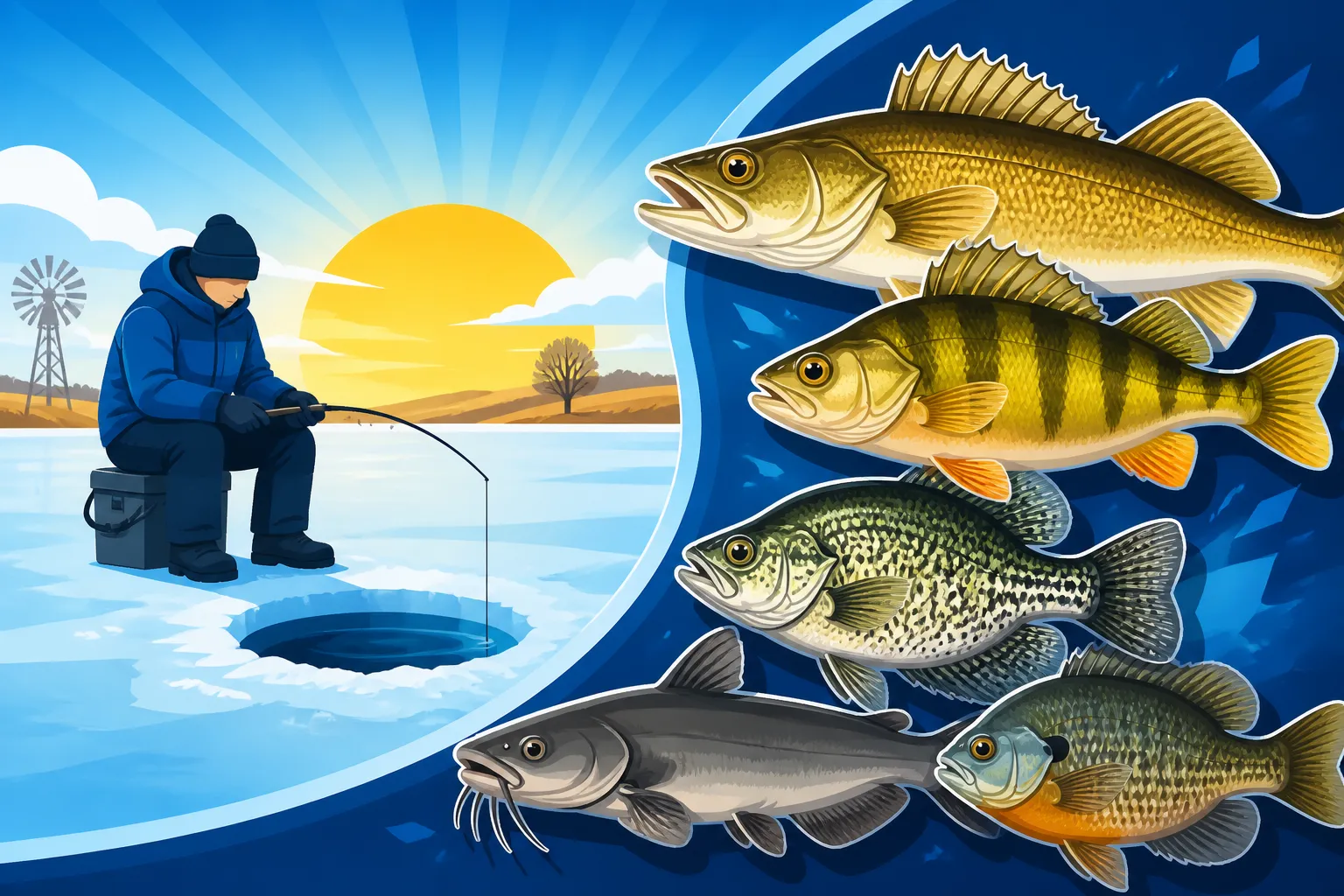
When most Kansas ice anglers think about consistent action and good eating, they immediately picture panfish. These smaller, schooling fish are often the bread and butter of the hardwater scene, providing steady bites and a delicious reward for your efforts. Crappie, bluegill, and yellow perch are arguably the most popular targets, and for good reason—they congregate, they're relatively easy to tempt with small presentations, and they taste fantastic.
Crappie: The Icy Slab Seekers
Crappie are perhaps the most sought-after panfish through the ice in Kansas. Both white and black crappie can be caught, though white crappie tend to be more prevalent in our larger reservoirs. During winter, crappie often suspend in open water, relating to deep channels, submerged timber, or old creek beds. They'll school up in impressive numbers, so when you find one, you've often found a whole mess of them!
To catch these "slabs" through the ice, you'll want to use very small jigs, often tipped with a live minnow or a soft plastic grub. Small spoons or even tiny blade baits can also be effective, especially if you're trying to draw fish in from a distance. The key is to present your bait just above the fish you see on your Best Fish Finder for Kansas Reservoirs, jigging it subtly with pauses. We cover specific strategies in How Deep to Fish for Crappie in Winter, but generally, don't be afraid to experiment with different depths until you find where they are holding. They might be right under the ice, or 20 feet down. Finding that sweet spot is the challenge and the fun!
Bluegill and Other Sunfish: Small but Mighty Winter Bites
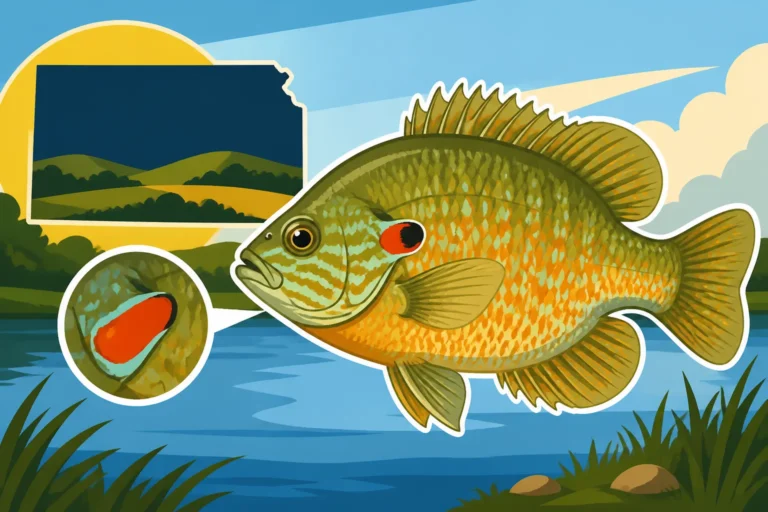
Bluegill, along with their cousins like redear sunfish and green sunfish, are another staple for Kansas ice anglers. While they might not grow to the same size as crappie, they make up for it with their aggressive bites and sheer numbers. They're often found in slightly shallower water than crappie, typically relating to weeds, brush piles, or the edges of flats where there's still some cover.
For bluegill, even smaller baits are the rule. Tiny tungsten jigs, often no larger than a pea, tipped with a wax worm, a piece of corn, or even a small plastic "micro" grub, are incredibly effective. A common setup involves a bobber that is just sensitive enough to detect the faintest tap. These fish are known for their light bites in cold water, so a sensitive rod and keen eye on your bobber are essential. They provide fantastic action, especially for younger anglers, and are excellent table fare. Many of our community lakes are teeming with them.
Yellow Perch: A Tasty Treat from the Cold Depths
While not as widespread or numerous in Kansas as crappie or bluegill, yellow perch can be found in certain lakes and offer a truly delightful winter fishing experience. These handsome, striped fish are schooling predators that tend to relate to the bottom or slightly above it, often over gravel or sandy flats, or near subtle changes in depth. They are known for their schooling behavior, and like crappie, finding one often means finding more.
Perch respond well to small jigs and spoons, especially those with a bit of flash or glow. Tipping your lure with a piece of cut bait, a minnow head, or a wax worm can significantly increase your success. They have a distinct bite that's often a sharp tap, making them fun to catch. And when it comes to eating, many anglers consider yellow perch among the very best freshwater fish—their firm, flaky white meat is superb. If you're looking for Fish Active in Cold Water in Kansas, perch are definitely on the list!
The Big Game: Walleye and Catfish on the Hardwater
While panfish provide consistent action, some anglers are drawn to the challenge of targeting larger game fish through the ice. Kansas reservoirs, particularly some of our larger ones, hold healthy populations of walleye and catfish that can be caught during the winter months. It takes a bit more patience, a different set of tackle, and often a willingness to brave colder conditions, but the reward of landing a substantial fish on the ice is truly exhilarating.
Walleye: The Elusive Winter Trophy
Walleye are a prized catch year-round, and winter is no exception. While they can be a bit more elusive through the ice, the cooler water often means their flesh is at its firmest and most delicious. Walleye typically relate to structure even in winter, such as rocky points, humps, ledges, or deep water adjacent to shallower feeding flats. Lakes like Milford Lake are renowned for their walleye populations, and even in winter, dedicated anglers find success. Is Milford Lake Good for Ice Fishing? Yes, but it requires diligent searching!
For walleye, you'll generally use larger baits than for panfish. Jigging spoons, blade baits, and lipless crankbaits are popular choices. Many anglers will also set up a tip-up with a large shiner or sucker minnow for a more passive, waiting game, sometimes calling it their "dead stick" rig. The key with walleye is persistence and covering water (or rather, covering different holes) until you locate an active school. Often, the best bites occur during low-light periods, around dawn and dusk, or even into the night if regulations allow. We discuss optimal timing in Best Time to Ice Fish.
Channel Catfish: Surprisingly Active Under the Ice
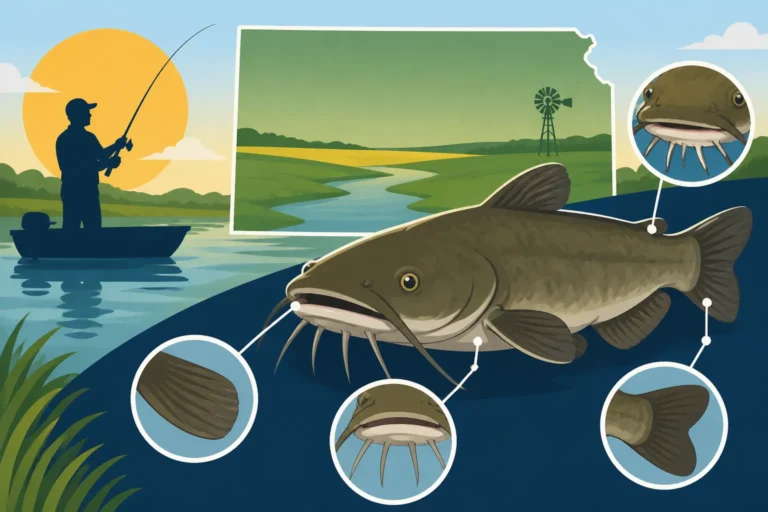
Many anglers are surprised to learn that channel catfish are a viable and often overlooked target for ice fishing in Kansas. While they are known for their warm-water prowess, channel cats remain active enough to feed during the winter. They tend to congregate in deeper holes, channels, or near river bends in our reservoirs. They might not be as active as in July, but they'll definitely respond to a well-presented bait.
When targeting channel catfish through the ice, you'll want to use heavier gear than for panfish. A medium-heavy rod with sturdy line is appropriate, as these fish can pull! Baits like cut bait (shad or carp are excellent), stink baits, or even large shrimp or hot dogs fished on the bottom are all effective. Often, a simple slip-sinker rig with a large hook is all you need. The bites can be subtle, a slow pull or a slight tap, so pay close attention. It's not uncommon to pull out some surprisingly large channel catfish from under the ice, making for a fun and unexpected challenge.
Gear Up and Stay Safe: Essentials for Your Kansas Ice Fishing Adventure
Ice fishing, while incredibly rewarding, requires specific gear and a strong emphasis on safety. You're dealing with cold temperatures, slippery surfaces, and the inherent risks of being on frozen water. Having the right equipment not only makes your trip more comfortable and successful but, more importantly, keeps you safe.
Essential Ice Fishing Gear
Let's talk about the basics. First, you'll need a way to make holes in the ice. An auger is non-negotiable. Whether you opt for a hand auger for thinner ice, a powerful propane auger, or a battery-powered electric auger, it's your gateway to the fish. We have a great guide on choosing the Best Ice Fishing Auger for Kansas Lakes to help you decide.
Next, you'll need ice fishing rods and reels. These are typically shorter than open-water setups, designed for vertical jigging in tight spaces. Sensitivity is key, especially for light-biting panfish. A good quality shelter, whether a simple windbreak or a full-sized portable shanty like those often found on Amazon, makes a huge difference in comfort on a windy or bitterly cold day. Check out our recommendations for the Best Ice Fishing Shelter for Kansas. Don't forget a scoop to clear slush from your holes, a bucket to sit on and hold your fish, and a reliable fish finder to locate those schools.
| Item | Purpose | Key Features |
|---|---|---|
| Ice Auger | Drilling holes through the ice | Hand, propane, or electric; sharp blades |
| Ice Fishing Rod/Reel | Specialized for vertical jigging | Shorter length, sensitive tip, smooth drag |
| Portable Shelter | Protection from wind and cold | Pop-up or flip-over style, insulated |
| Ice Scoop | Clearing slush from holes | Durable handle, wide scoop |
| Fish Finder | Locating fish and depth | Flasher, LCD, or even advanced imaging units |
| Ice Cleats/Spikes | Traction on slippery ice | Over-the-boot design, aggressive treads |
| Tip-Ups | Hands-free fishing for larger species | Visible flag, reliable trigger |
| Tackle Box | Organized storage for jigs, baits, line | Compartmentalized, waterproof |
| Pail/Bucket | Seating, carrying gear, holding fish | Sturdy, often insulated |
| Portable Heater | Warming your shelter | Propane-powered, safe for enclosed spaces |
Safety First: Tips for Hardwater Anglers
This is the most critical section. Ice fishing can be incredibly fun, but it demands respect for the environment. Never take chances with ice safety. Always tell someone where you're going and when you expect to return. Dress in layers, including waterproof outer shells, and wear appropriate winter boots. Don't forget ice cleats for traction and a pair of ice picks around your neck, ready for immediate use if you should break through.
Always check ice thickness before venturing out. General guidelines suggest at least 4 inches of clear, solid ice for safe foot travel, but more is needed for groups or ATVs. Remember that ice thickness can vary greatly on the same body of water, especially near inlets, outlets, points, or areas with current. Stay away from cracks and discolored ice. Bringing a spud bar to test the ice as you walk is a smart move. Our Kansas Ice Fishing Safety Tips guide goes into much greater detail on how to assess ice conditions and stay safe. It's better to be overly cautious than to take an unnecessary risk.
No matter your target, ice fishing in Kansas offers a unique way to enjoy the outdoors and challenge your angling skills during the colder months. With the right preparation, gear, and a healthy respect for safety, you'll find that winter can be one of the most exciting times to be on the water—or, more accurately, on the ice!
Disclaimer
This article is for general informational purposes only and does not constitute professional advice. Laws, prices and regulations vary by location and change over time. Consult a qualified professional for guidance on your specific situation.