Are Walleye Native to Kansas?
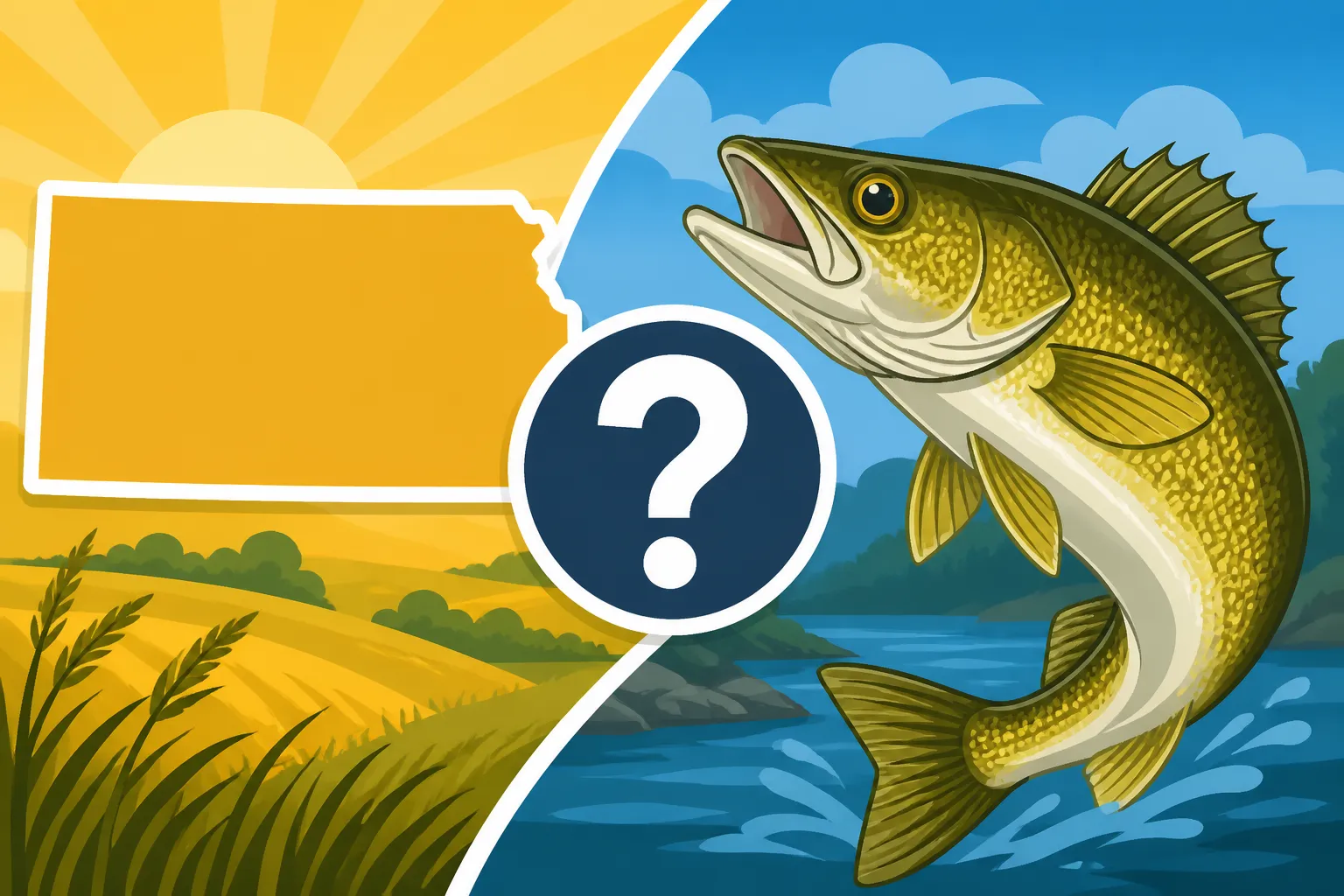
Many anglers, especially those new to the Sunflower State, often wonder about the true origins of the fish they pursue. When it comes to walleye, this question pops up quite a bit: were these prized game fish always a natural part of Kansas’s waterways, or are they a more recent addition? It's a valid question, and one that gets at the heart of how our state's fisheries have evolved. This guide will clarify whether walleye are native to Kansas and explore the fascinating journey that has made them one of our most sought-after species today.
The Native Question: Were Walleye Always in Kansas?
The simple answer to whether walleye are native to Kansas is a bit nuanced, but generally, yes, they were historically present, though not in the widespread abundance or locations we see them today. It’s easy to assume that because a fish is so popular and prevalent now, it must have always been here, but the full story is more complex. Their natural range within the state was much more limited than it is currently, primarily confined to specific river systems in the western and northern parts of Kansas.
Historically, walleye populations in Kansas were most concentrated in the larger river systems that eventually flow into the Missouri River. These environments offered the cooler, deeper waters, and the rocky or gravelly substrates that walleye prefer for spawning and year-round habitat. Rivers like the Republican and the Smoky Hill, especially in their lower reaches, would have held native walleye. However, many of Kansas's numerous smaller, warmer prairie streams or the more turbid, shallow rivers in other regions simply didn't provide the optimal conditions for a robust, self-sustaining native walleye population.
So, while you might have found walleye in certain stretches of Kansas rivers before modern stocking programs began, they certainly weren't widespread across every lake, pond, or river. The vast network of reservoirs we now enjoy, which are prime walleye habitat, didn't exist in their current form centuries ago. This distinction between being present in certain natural river systems and being widespread across the state's diverse waters is crucial for understanding their "native" status. It’s a common misconception that often surprises people when they learn the full story of how these fish came to dominate our angling scene.
How Walleye Became a Kansas Fishing Mainstay: The Stocking Story
The transformation of walleye from a regionally native, somewhat limited species to a statewide angling superstar is largely thanks to extensive and persistent stocking programs. Starting decades ago, the Kansas Department of Wildlife and Parks (KDWP) recognized the immense potential for walleye to thrive in the state's newly constructed reservoirs. These large impoundments, with their vast expanses of water, deeper sections, and abundant forage fish like gizzard shad, created ideal conditions that were often far superior to what most native river habitats offered for walleye proliferation.
Stocking efforts began in earnest, involving the introduction of walleye fingerlings or even fry into these burgeoning reservoirs. The primary goal was to establish self-sustaining populations where natural reproduction could maintain the fishery. While some lakes, particularly those with ample rocky or gravelly spawning habitat, have developed strong self-sustaining populations, many of the premier walleye fisheries we enjoy today still rely on ongoing supplemental stocking. Without these concerted, long-term efforts, many of the fantastic walleye opportunities in places like Milford Lake or Cheney Reservoir simply wouldn't exist as they do. This proactive fisheries management has fundamentally shaped the angling landscape in Kansas.
Consider how readily available fishing gear for walleye is today; you can find everything from specialized trolling crankbaits to sensitive jigging rods on platforms like Amazon. This widespread availability and interest in walleye fishing are direct results of these successful introduction and management strategies. The KDWP's dedication to stocking ensures that anglers across the state have access to this challenging and delicious fish, making it a cornerstone of Kansas fishing culture. These efforts are not just historical; they are continuous, adapting to environmental changes and angler demand to ensure that future generations can also enjoy pursuing walleye.
The Impact of Walleye on Kansas's Aquatic Ecosystems and Angling Culture
The widespread introduction and subsequent proliferation of walleye have had a significant and generally positive impact on Kansas's aquatic ecosystems. As a highly efficient apex predator, walleye play a crucial ecological role in controlling populations of smaller forage fish like shad, as well as rough fish. By preying on these abundant species, walleye help maintain a healthier balance within the fish community, preventing overpopulation of certain species and contributing to the overall ecological stability and health of the state's reservoirs. This natural predation can lead to improved water quality and a more diverse range of fish species in the long run.
From an angling perspective, walleye have become an absolute cornerstone of the Kansas fishing scene. They are revered for their challenging fight, their delicious flaky white meat, and the dedication often required to consistently catch them. The thrill of landing a trophy-sized walleye is a bucket-list item for many Kansan anglers, drawing considerable interest and activity around popular fishing lakes. This strong angling appeal drives local tourism and contributes significantly to the economies of communities located near prime walleye fisheries, from bait shops to lodging establishments. It's a species that truly commands respect and encourages anglers to constantly hone their skills and knowledge, often seeking advice from guides like Kansas Walleye Fishing Guide.
However, managing such a popular and widely distributed species is not without its complexities. Maintaining healthy walleye populations in large reservoirs requires continuous monitoring and often adaptive management strategies, especially concerning factors like water levels, forage availability, and fishing pressure. The KDWP constantly evaluates these ecological and human factors to ensure the long-term sustainability of these valuable fisheries. For anglers, this means staying updated on regulations, which can vary by lake and species, as detailed in resources like Kansas Fishing Regulations Explained, Kansas Walleye Length Limits, or Kansas Daily Creel Limits by Species. These rules are in place to protect the resource and ensure continued enjoyment for everyone.
Where Kansas Walleye Thrive and How to Catch Them
Today, Kansas boasts several world-class walleye fisheries, primarily concentrated in its large federal reservoirs. Lakes like Milford Lake, Wilson Lake, and Cheney Reservoir are renowned for their healthy and often trophy-sized walleye populations, offering incredible opportunities for anglers from across the region. These immense bodies of water provide the expansive, deeper, and often rocky habitats that walleye prefer, making them ideal environments for both natural reproduction and successful stocking programs. If you're looking for the top spots, Best Walleye Lakes in Kansas is a fantastic resource.
Catching Kansas walleye often involves specific techniques adapted to their sometimes elusive behavior. Trolling with crankbaits or spinner rigs is a highly effective method, particularly for covering large areas and locating active fish. This technique allows anglers to present lures at specific depths and speeds, mimicking baitfish. Another popular and productive method is jigging with live bait such as minnows or nightcrawlers, especially when fishing around submerged structure, humps, or distinct drop-offs. Anglers spend countless hours perfecting their approach, often investing in specialized electronics like fish finders available on Amazon to locate schools or identify key underwater features, knowing that every detail can make a significant difference in their success. Trolling for Walleye on Kansas Reservoirs and How to Jig for Walleye at Night offer more specific tactical advice.
Understanding the seasonal movements of walleye is also crucial for consistent success. In spring, they can often be found in shallower waters as they move to spawn, gradually retreating to deeper, cooler areas as summer progresses. As fall approaches and water temperatures begin to drop, they often become more active again, feeding heavily in preparation for winter. Knowing these patterns, and what they feed on, as explored in What Walleye Eat Reservoirs, allows anglers to adjust their tactics accordingly. Resources like Kansas Spring Walleye Fishing Tips and Kansas Fall Walleye Fishing Tips can provide invaluable advice for targeting them throughout the year. Whether you're a seasoned pro or just starting your walleye journey, the pursuit of Kansas walleye is a rewarding experience that keeps anglers eagerly returning to the water.
| Fish Species | Native to Kansas (Historical) | Widely Stocked in Reservoirs | Primary Habitat Today | Angling Popularity |
|---|---|---|---|---|
| Walleye | Partially (Western rivers) | Yes | Reservoirs, larger rivers | Very High |
| Channel Catfish | Yes | Yes | Rivers, lakes, ponds | Very High |
| Largemouth Bass | Yes (Eastern Kansas) | Yes | Lakes, ponds, slow rivers | High |
| White Bass | Yes | Yes | Reservoirs, rivers | High |
| Crappie | Yes | Yes | Lakes, rivers, ponds | Very High |
| Rainbow Trout | No | Yes (Seasonal stocking) | Stocked community lakes/ponds | Moderate |
| Bluegill/Sunfish | Yes | Yes | Ponds, lakes, slow rivers | High |
Disclaimer
This article is for general informational purposes only and does not constitute professional advice. Laws, prices and regulations vary by location and change over time. Consult a qualified professional for guidance on your specific situation.