Kansas Wildlife and Parks License Phone Number
It's incredibly frustrating when you're geared up for a fishing trip, or maybe you've just returned and have a question about a recent catch, only to realize you need to contact someone about your license or a regulation. Trying to hunt down the right phone number for the Kansas Department of Wildlife and Parks (KDWP) can feel like a scavenger hunt itself, especially when you're on a tight schedule. This comprehensive guide is here to cut through that frustration, providing you with the exact contact information you need for KDWP license and general assistance, so you can spend less time searching and more time enjoying the beautiful waters of Kansas.
The Direct Line to Kansas Department of Wildlife and Parks (KDWP)
When you have a pressing question about your fishing license, a specific regulation, or just need to talk to a human, calling the Kansas Department of Wildlife and Parks is often the most straightforward approach. They're there to help, and knowing the right number is the first step.
Primary Phone Number for License Assistance
The main switchboard for the Kansas Department of Wildlife and Parks (KDWP) is your go-to for most inquiries, especially concerning licenses and permits. You can reach them at (620) 672-5911. This number connects you directly to their headquarters in Pratt, Kansas, where knowledgeable staff are ready to assist.
When you call this number, you can expect to get answers to a wide array of questions. This includes inquiries about purchasing new licenses, understanding the various types of licenses available (like an annual resident license or a short-term nonresident permit), troubleshooting issues with online purchases, or getting assistance if you've lost your physical license and need help with the Kansas Fishing License Replacement Process in Kansas. They can also guide you through the process if you're trying to figure out the cost of a Kansas Resident Annual Fishing License Costs $25 or perhaps the details for a Kansas Nonresident Fishing License Cost.
Their typical operating hours are Monday through Friday, from 8:00 AM to 4:30 PM CST. It's always a good idea to call within these hours for the quickest response. When you do call, try to have any relevant information handy, such as your full name, date of birth, previous license number, or even a transaction ID if you're inquiring about a recent purchase. Being prepared can significantly speed up the conversation and help the representative assist you more efficiently. Patience is also key, especially during peak seasons like spring or early summer when many anglers are getting their licenses in order.
When to Call vs. Using Online Resources
Deciding whether to pick up the phone or navigate the KDWP website can sometimes be a dilemma. Both have their advantages, and understanding when to use each can save you time and hassle.
A phone call is generally your best bet for complex issues, immediate assistance, or when you're dealing with something unique that isn't easily covered by a FAQ page. For instance, if you've purchased a Kansas One-Day Fishing License online but the digital copy isn't showing up, or if you're having trouble renewing your license because of an account issue, talking to a representative directly can resolve the problem much faster. They can access your account, verify details, and often provide real-time solutions that a website simply can't. It's also ideal if you've lost your license and need immediate guidance on how to get back on the water legally.
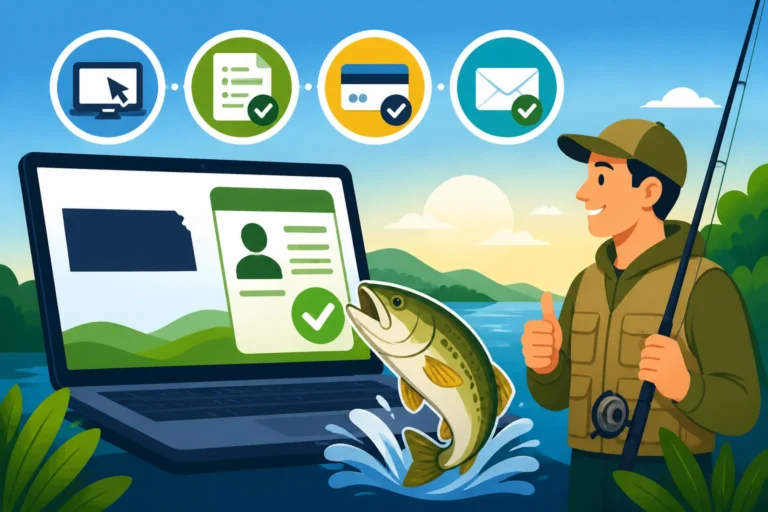
On the other hand, online resources are incredibly powerful for general information, routine purchases, and when you prefer to work at your own pace. The KDWP website is a fantastic resource for learning Where to Buy a Kansas Fishing License online, checking basic Kansas Fishing Regulations Explained, or browsing details about specific fish species and their limits. You can typically purchase and print licenses instantly, which is incredibly convenient if you remember you need one at 2 AM. For common questions, like "Do Kids Need a Fishing License in Kansas?" or "Do Seniors Need a Fishing License in Kansas?", the website's FAQ sections often provide quick answers without the wait time of a phone call. Think of the website as your 24/7 self-service portal, and the phone line as your direct connection to expert customer support for when you need that extra personalized touch.
Beyond Just Licenses: What Else KDWP Can Help With
While many calls to KDWP revolve around fishing licenses, their dedicated staff are a wealth of knowledge and can assist with a much broader range of topics crucial for any Kansas angler or outdoor enthusiast.
Understanding Regulations and Seasons
Kansas fishing regulations can sometimes feel like a complex puzzle, with different rules for different species, bodies of water, and times of the year. If you're ever scratching your head trying to decipher a specific rule, the KDWP phone line is an invaluable resource.
For example, you might be wondering about the Kansas Daily Creel Limits by Species for crappie on a particular lake, or if there's a specific Kansas Walleye Length Limits you need to adhere to on Milford Lake. Perhaps you're planning a trip during the winter and want to confirm the dates for the Kansas Trout Season Runs December 1 to March 31 and what permits you'll need. These are all questions that KDWP staff can answer with accuracy, helping you stay compliant and avoid any potential issues. They can clarify nuances like the differences in Kansas Crappie Length and Bag Limits between various community lakes or explain the specifics of lesser-known rules, such as those governing Kansas Bowfishing Regulations.
Taking the time to call and clarify a regulation before you hit the water can prevent accidental violations. It's easy to misunderstand a rule, and fishing without proper knowledge could lead to unwanted fines and penalties, sometimes severe, as outlined in Fishing Without a License Penalties in Kansas. A quick call can ensure you're fishing legally and responsibly, protecting both yourself and the state's valuable natural resources.
Reporting Violations or Concerns
Responsible anglers play a crucial role in protecting Kansas's fish and wildlife. If you witness poaching, pollution, or any other activity that you suspect is a violation of state wildlife laws, KDWP is the agency to contact.
The main KDWP phone number, (620) 672-5911, can serve as a starting point for reporting violations, but for immediate concerns regarding poaching or illegal fishing, it's often best to use their dedicated enforcement hotline. While specific local hotlines may exist, the central number can always direct you to the right place or allow you to speak with a game warden. When reporting, it's vital to provide as much detail as possible. This includes the date, time, specific location (landmarks, road names), a description of the individuals involved (clothing, vehicle type, license plate if possible), and the nature of the violation. For instance, if you see someone keeping undersized walleye or exceeding the daily limit, note the species and estimated number.
Reporting violations helps ensure that everyone follows the rules, maintaining fair access to resources and protecting fish populations for future generations. It's a proactive step that every conservation-minded angler can take to safeguard our natural heritage. Don't hesitate to make that call if something seems off – your vigilance helps preserve the Kansas outdoors.
General Information and Program Inquiries
Beyond licenses and regulations, KDWP is responsible for managing all sorts of outdoor recreational opportunities across the state. Their team can assist with a wide range of general inquiries and provide information about various programs they offer.
For example, if you're planning a trip to one of Kansas's stunning state parks and aren't sure about entrance requirements, you can call to clarify rules like the Kansas State Park Vehicle Permit for Anglers. They can tell you if you need a separate permit in addition to your fishing license to access certain areas or facilities. If you're interested in boating, they can provide details about Kansas Boat Registration Guide requirements, ensuring your vessel is legally ready for the water.
KDWP also runs numerous educational programs, public events, and conservation initiatives. You might call to ask about upcoming fishing clinics, youth outdoor programs, or special events happening at a local state park or wildlife area. They can also offer insights into wildlife viewing opportunities, hiking trails, and even provide general advice on local fishing conditions or species information. Whether you're a seasoned angler looking to expand your knowledge or a newcomer trying to figure out how to get involved in the outdoors, KDWP staff are usually happy to point you in the right direction. Their extensive knowledge covers not just the fish, but the entire ecosystem and recreational opportunities Kansas has to offer.
Preparing for Your Call: Essential Information to Have Ready
To make your call to the Kansas Department of Wildlife and Parks as smooth and efficient as possible, it's always a good idea to have certain information at your fingertips before you dial. This preparation can save you time and help the KDWP representative assist you quickly and accurately.
Personal Identification and License Details
When you call KDWP, especially about a license or permit, the first thing they'll typically ask for is information to identify you and locate your records. This is crucial for them to access your purchase history, verify your residency status, or look up details about any existing permits you hold.
You should have your full legal name, current address, and date of birth ready. If you've previously purchased a license or registered with KDWP, you might have a KDWP Customer ID number. Having this number handy is like having a fast pass; it allows them to pull up your profile instantly. If you don't have it, don't worry, they can usually find you using your other personal details, but it might take a moment longer.
If your call specifically concerns an existing license, such as your Kansas Resident Annual Fishing License Costs $25 or a Kansas Nonresident Annual Fishing License Costs $75, try to locate the license number if you have a physical or digital copy. This is especially important if you're inquiring about an error, a refund, or seeking assistance with the Kansas Fishing License Replacement Process in Kansas. The more specific information you can provide about your existing licenses or past purchases, the faster and more accurately the KDWP team can help you. They're there to help, but having these details ready on your end empowers them to do their job best.
Specifics of Your Question or Issue
Beyond your personal identification, clearly articulating the reason for your call is paramount. Vague questions can lead to longer conversations as the representative tries to understand your needs. Before you dial, take a moment to formulate your question or describe your issue concisely.
For instance, instead of saying, "I have a question about fishing," be more specific: "I bought a Kansas One-Day Fishing License online yesterday, but I haven't received the email confirmation. Can you check if the purchase went through?" Or, "I'm planning to go fishing at Cheney Reservoir next weekend and I'm unsure about the exact Kansas Walleye Length Limits for that specific lake, can you clarify?" This level of detail helps the KDWP staff understand exactly what information you need and direct you to the correct resource or solution.
If your query relates to a specific transaction, such as a license purchase or a permit application, having the date of the transaction and any confirmation numbers or order IDs will be incredibly helpful. If you're calling about a regulation, try to remember which waterbody or species you're concerned about. For example, if you're interested in Kansas Trout Permit Guide rules, specify if you're asking about the cost, the season, or where they stock trout. Writing down your key points beforehand can prevent you from forgetting important details once you're on the phone, ensuring you get all your questions answered in one go.
Alternative Contact Methods and Resources
While calling KDWP directly is often the quickest way to resolve specific issues, there are several other valuable ways to connect with the department, each suited to different types of inquiries and preferences.
Email and Website Contact Forms
For less urgent questions or when you prefer to have a written record of your communication, emailing KDWP or using a contact form on their website can be an excellent option. The official KDWP website usually features a "Contact Us" section where you can find general email addresses or dedicated online forms.
The benefit of email is that it allows you to compose your question thoroughly, attach any relevant screenshots or documents, and receive a detailed, documented response. This can be particularly useful if you're asking about complex regulations, seeking clarification on specific policies, or providing feedback that requires a considered answer. For example, if you have a detailed question about Kansas Boat Registration Guide rules that you want to refer back to, an email response can serve as a handy reference. The drawback, of course, is that email responses are typically not immediate. You might need to wait a few business days to receive a reply, so it's not the best choice for urgent matters like a lost license right before a trip.
Always ensure you're using an official KDWP email address or website contact form to protect your personal information and ensure your query reaches the right department. A quick search for "Kansas Department of Wildlife and Parks contact" will usually lead you to their official website, where you can find these resources.
Local KDWP Offices and Facilities
Sometimes, there's no substitute for in-person assistance. The Kansas Department of Wildlife and Parks operates several regional offices, state parks, and fishing lakes across the state, many of which can provide localized support.
Visiting a local KDWP office can be beneficial if you prefer to speak with someone face-to-face, especially if you have complex questions or need help with a transaction that might be easier to complete in person. These offices can often assist with license purchases, permit applications (like a Kansas Trout Permit Guide), or provide specific information about local fishing conditions, boat ramp access, or even insights into particular species like crappie or walleye in nearby lakes. For example, if you're in the Wichita area, visiting a local KDWP facility might give you more tailored advice about nearby community fishing lakes.
Before heading out, it's always wise to check the KDWP website for the hours and services offered by specific regional offices or state parks. Not all locations offer the same services, and hours can vary. A quick call to the main KDWP number or checking the location's specific webpage can confirm if they can assist with your particular needs and ensure they're open when you plan to visit.
Social Media and FAQs
In today's digital age, many government agencies, including KDWP, maintain an active presence on social media platforms. While not a primary channel for individual license issues, these platforms can be great for general updates, announcements, and sometimes for quick questions.
The KDWP often posts about Kansas Fishing Seasons and Limits, upcoming events, fish stocking schedules, and important regulation changes on their Facebook or X (formerly Twitter) accounts. Following these pages can keep you informed about what's happening in the Kansas outdoors. While you can sometimes ask general questions in comments or direct messages, individual account-specific issues are best handled through phone or email for privacy and security reasons. Don't expect immediate personal customer service via social media for your Kansas Resident Annual Fishing License Costs $25 details.
Additionally, the KDWP website hosts extensive FAQ (Frequently Asked Questions) sections. These are designed to address the most common queries anglers and outdoor enthusiasts have. Before reaching for the phone or typing an email, always check the FAQ. You might find instant answers to questions like "Do You Need a State Park Permit to Fish in Kansas?" or "Do Nonresidents Need a Kansas Fishing License?" These sections are constantly updated and can be a huge time-saver for readily available information.
Here’s a helpful table summarizing when to use each contact method:
| Inquiry Type | Best Contact Method | Notes |
|---|---|---|
| Urgent License/Permit Issue | Phone (620-672-5911) | Immediate assistance, troubleshooting online purchases, lost license guidance. |
| Complex Regulation Clarification | Phone (620-672-5911) or Email | Phone for quick answers; Email for documented, detailed responses. |
| Reporting Poaching/Violations | Phone (Enforcement Hotline) | Often a dedicated line for quicker response; critical for timely action. |
| General Program Information | Website/FAQ, then Email/Phone | Check website first for common answers; email or call for specific program details. |
| Standard License Purchase/Renewal | Online or Authorized Agents | Easiest for direct purchase; phone for troubleshooting issues. |
| Specific Local Fishing Info | Local KDWP Office (if open) | In-person help for local details, permits, and specific advice on nearby spots. |
| Feedback/Non-Urgent Suggestions | Email or Contact Form | Allows for detailed composition and documented communication; response time varies. |
| Public Announcements/Updates | Social Media | Great for staying informed about fish stockings, season changes, and events, but not for personal issues. |
Disclaimer
Please note that while every effort has been made to provide accurate and up-to-date information, regulations and contact details for the Kansas Department of Wildlife and Parks can change. It is always recommended to check the official KDWP website or contact them directly for the most current information before planning any fishing trip or making purchases.