Tuttle Creek Lake Fishing Guide
It can be incredibly frustrating to hear whispers of a great fishing spot, only to arrive and realize you have no idea where to start, what to use, or even what fish are truly biting. If you’ve been dreaming of a successful day on the water but feel overwhelmed by the sheer size and potential of a major Kansas reservoir, this comprehensive guide to Tuttle Creek Lake fishing is exactly what you need to transform those dreams into a reality.
Discovering Tuttle Creek Lake: A Premier Kansas Fishery
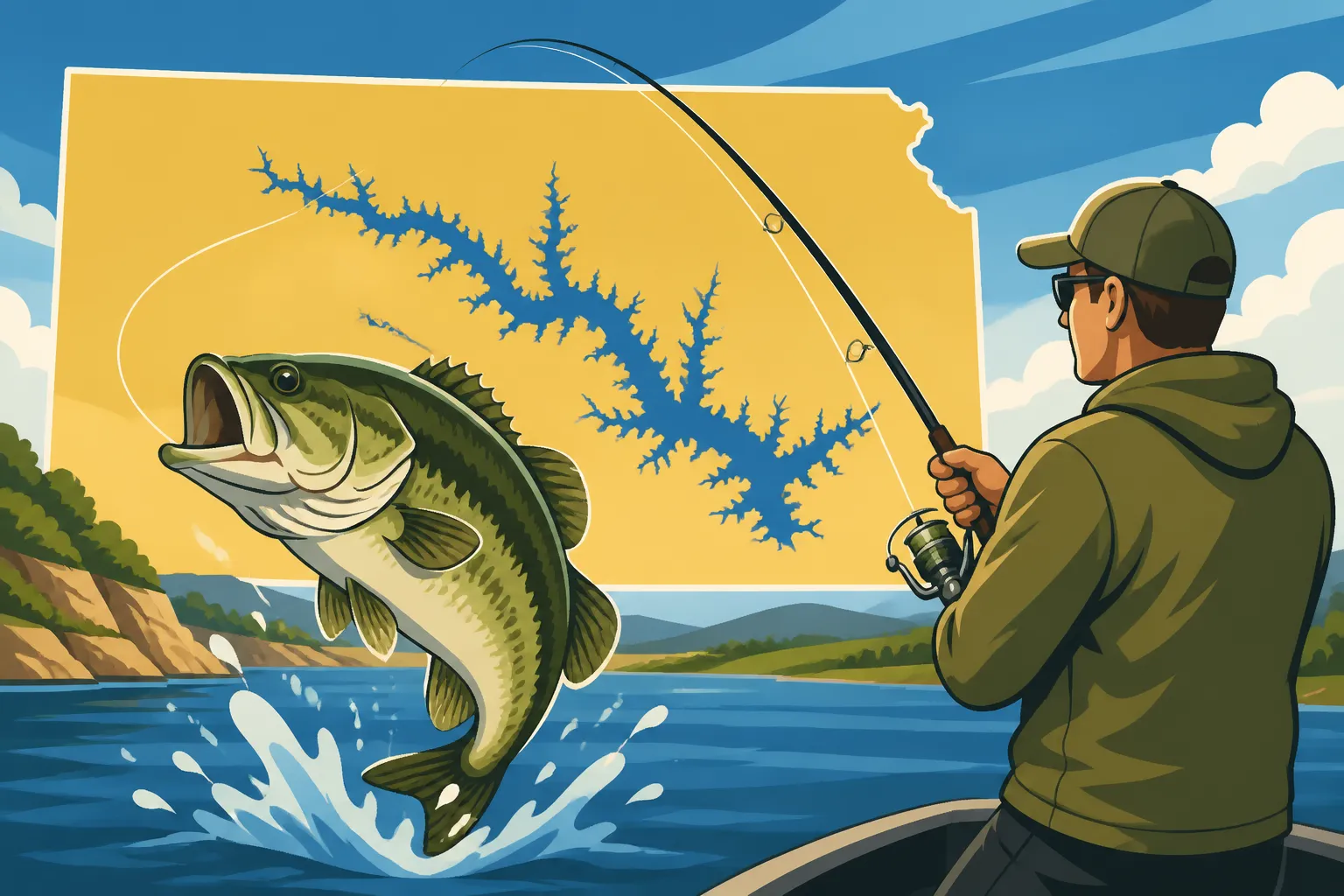
Tuttle Creek Lake, nestled in the scenic Flint Hills of northeast Kansas, is a truly magnificent body of water that offers an incredible angling experience. It's not just a large lake; it's a dynamic ecosystem, sculpted by the Big Blue River, and constantly changing, which keeps things interesting for even the most seasoned anglers. This lake isn't just about catching fish; it's about connecting with the rugged beauty of Kansas.
Geographical Overview and Access Points
Tuttle Creek Lake is Kansas's second-largest lake by surface area, covering roughly 12,500 acres at normal pool, making it a truly expansive fishery. It stretches across Riley, Pottawatomie, and even a bit into Marshall counties. The lake is primarily fed by the Big Blue River and the Fancy Creek, bringing in a rich nutrient base that supports a thriving fish population. Its proximity to Manhattan, home of Kansas State University, makes it a popular destination for locals and students alike, offering plenty of amenities nearby.
Accessing this vast lake is relatively straightforward, with numerous boat ramps, park areas, and fishing points maintained by the U.S. Army Corps of Engineers and the Kansas Department of Wildlife and Parks (KDWP). On the eastern side, you'll find areas like Tuttle Creek State Park's Fancy Creek area and River Pond area, offering marinas, campgrounds, and boat launches. The western side, while a bit more rugged, still provides excellent access through designated public lands and smaller ramps. Knowing these access points is your first step to unlocking the lake's potential, whether you're bringing a full-sized bass boat or just looking for a quiet spot to fish from shore.
Lake Characteristics and Habitat
What makes Tuttle Creek Lake so unique for fishing is its diverse and ever-evolving habitat. Unlike some of the clearer, rockier lakes in Kansas, Tuttle Creek is known for its murkier, more fertile waters, particularly in its upper reaches. This nutrient-rich environment supports a robust forage base, from shad and minnows to various invertebrates, which in turn fuels the growth of its predatory fish species. The lake also experiences significant water level fluctuations, especially after heavy rains, which can dramatically alter fish patterns and structure.
Below the surface, Tuttle Creek offers an incredible variety of features. You'll find extensive areas of submerged timber, old river channels, deep creek beds, and rocky points, all providing crucial cover and ambush points for fish. The Big Blue River channel, which snakes its way through the lakebed, acts as a major highway for fish movement, particularly for species like catfish and walleye. The interaction of the river current, fluctuating water levels, and diverse structure creates a complex and challenging, yet highly rewarding, fishing environment. Understanding these characteristics is key to predicting where fish will hold and how they'll react to your presentations.
Top Fish Species to Target at Tuttle Creek Lake
Tuttle Creek Lake is a true multi-species fishery, renowned for its diverse populations that cater to every type of angler. While some lakes might be known for one or two dominant species, Tuttle Creek offers a fantastic array of game fish, each presenting its own unique challenge and reward. From powerful river monsters to schooling panfish, there's always something exciting to pursue here.
Catfish: The Lake's Crown Jewel
When you talk about Tuttle Creek Lake fishing, you have to talk about catfish. This lake is arguably one of the best catfishing destinations in Kansas, boasting exceptional populations of channel catfish, blue catfish, and flathead catfish. Anglers regularly pull out trophy-sized specimens of all three species, making it a prime spot for those seeking a true battle. The robust river system that feeds and flows through the lake provides the perfect habitat for these bottom-dwelling giants. You'll find them thriving in the deeper channels, around submerged timber, and in the muddy flats. For specific insights into targeting these whiskered warriors, check out our guide on Tuttle Creek Lake Catfish Fishing.
Many seasoned catfishermen consider Tuttle Creek their go-to spot for a reason. Channel catfish are prolific throughout the lake, eager to bite on a variety of baits, and provide consistent action. Blue catfish, which are known to grow to immense sizes, often patrol the main river channel and the deeper basin areas. Flathead catfish, the ambush predators, lurk around dense cover like log jams and rock piles, waiting to strike live bait. The consistent stocking programs and excellent forage base ensure that these populations remain healthy and strong, offering world-class catfishing opportunities year after year.
Crappie: Abundant and Fun to Catch
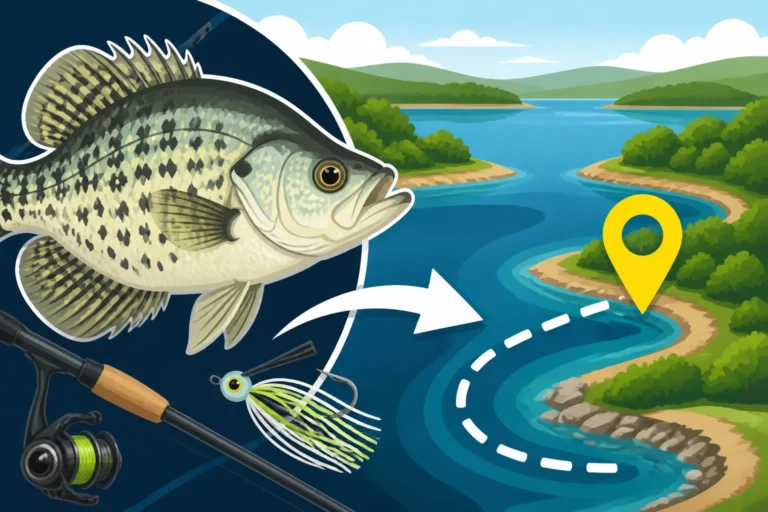
While catfish often steal the spotlight, Tuttle Creek Lake also boasts an impressive crappie fishery. Both white and black crappie thrive in its waters, offering fantastic opportunities for anglers seeking delicious fillets and consistent action. These popular panfish are found in various parts of the lake, particularly around structure, making them a favorite target for families and experienced anglers alike. Their schooling nature means that once you find one, you're likely to find many more.
Crappie fishing at Tuttle Creek is dynamic, changing with the seasons. In spring, they push into shallow coves and brush piles to spawn, offering excellent bank fishing opportunities. As temperatures rise, they retreat to deeper submerged timber, creek channels, and brush piles, often suspending at specific depths. During the fall, they feed aggressively, stocking up for winter. KDWP often places fish attractors, like sunken Christmas trees, in accessible areas, providing excellent crappie habitat. These spots, often marked by buoys, are fantastic places to start your search. Keeping an eye on the KDWP's regular reports or even booking a trip through a platform like FishingBooker can give you up-to-date insights on where the crappie are biting.
Walleye, Wiper, and Other Game Fish
Beyond catfish and crappie, Tuttle Creek Lake offers exciting opportunities for other popular game species. Walleye, with their coveted fillets and challenging fight, are a prime target, especially in the clearer lower end of the lake and around rocky points. Wiper, a hard-fighting hybrid cross between white bass and striped bass, provide incredible battles and are known for their schooling behavior and aggressive strikes. These open-water predators often chase baitfish in large schools, creating thrilling topwater action at times.
Additionally, anglers can find healthy populations of white bass, particularly during their spectacular spring spawning runs up the Big Blue River and Fancy Creek. Largemouth and smallmouth bass are also present, though they tend to be less dominant than in some other Kansas reservoirs. Saugeye, another walleye hybrid, are also stocked and offer a similar, delectable catch. For specific guidelines on legal sizes and daily take, always consult the Kansas Daily Creel Limits by Species and be sure to understand the Kansas Walleye Length Limits and Kansas Crappie Length and Bag Limits before you head out. This multi-species diversity ensures that every trip to Tuttle Creek can be an adventure, with a chance to hook into something different each time.
Essential Fishing Techniques for Tuttle Creek Lake
Tackling a large and diverse fishery like Tuttle Creek Lake requires a versatile approach to fishing. Different species, seasons, and water conditions will demand different strategies. What works for a flathead in the summer might not be effective for a walleye in the spring. Understanding these techniques and adapting them to the specific challenges of Tuttle Creek is what separates a good day from a great one.
Strategies for Landing Trophy Catfish
When it comes to catfishing at Tuttle Creek, the techniques vary depending on the species and the size of the fish you're targeting. For channel catfish, which are abundant and often found in shallower areas, especially around creek mouths and flats, cut bait (shad, carp, or even hot dogs) or prepared stink baits are incredibly effective. A simple bottom rig with a slip sinker and a strong circle hook is usually all you need. Focus on areas with a slight current or near submerged cover.
For the larger blue and flathead catfish, you'll want to scale up your gear and often your bait. Live bait, such as shad, sunfish, or even small carp, is often irresistible to flatheads. Rigging a large live bait under a float or on a stout bottom rig near submerged timber or deep river bends can yield incredible results. Blue catfish, while also responding to live bait, are often more susceptible to large chunks of cut bait fished in the main river channel or deep holes. Night fishing is particularly effective for these nocturnal hunters, as they become more active and forage aggressively under the cover of darkness. Many local guides specializing in catfishing, which you can often find listed on services like FishingBooker, can provide invaluable tips for tackling these monsters.
Mastering Crappie Fishing in Different Seasons
Crappie fishing at Tuttle Creek involves seasonal adjustments. In the spring, as water temperatures rise, crappie move into shallow coves and brushy areas to spawn. This is prime time for casting small jigs (1/16 to 1/8 ounce) tipped with soft plastics like Bobby Garland's or live minnows under a bobber. Look for submerged cedar trees, flooded willows, or any brush piles in 3-10 feet of water. Targeting transition areas where shallow flats meet deeper channels can also be highly productive.
During the hot summer months, crappie typically retreat to deeper, cooler water. They'll often suspend over creek channels, submerged timber, or in brush piles in 15-30 feet of water. Vertical jigging with minnows or small spoons, or slow trolling with spider rigging setups, can be very effective. A good fish finder is invaluable for locating these suspended schools. As fall arrives, crappie become more active again, feeding aggressively in preparation for winter. They can often be found relating to deep points, channel edges, and submerged humps, still responsive to jigs and minnows. Come winter, if the ice is safe, ice fishing for crappie in protected coves can be excellent, using tiny jigs and wax worms.
Effective Methods for Walleye and Wiper
Walleye at Tuttle Creek are often found in the clearer, lower section of the lake, particularly around rocky points, humps, and the dam area. In spring, they move to these rocky areas to spawn. Trolling with crankbaits (like Berkley Flicker Shads or Rapala Shad Raps) or jigging with live minnows or worms are highly effective techniques. Focus on depths of 10-25 feet, especially during low-light conditions or at night. As summer progresses, walleye often move deeper, requiring bottom bouncers with crawler harnesses or deep-diving crankbaits trolled along breaks and humps.
Wiper, on the other hand, are open-water schooling fish that primarily chase baitfish. Look for surface activity where gulls or other birds are diving, as this often indicates a school of wipers pushing shad to the surface. Casting chrome or white spoons (like Kastmasters), lipless crankbaits, or even topwater lures during these feeding frenzies can lead to explosive strikes. When they're not on the surface, trolling large crankbaits through open water, especially near the main lake basin or deeper creek channels, can be productive. Using a good fish finder to locate bait balls and schools of predatory fish is essential for consistent wiper success. For general guidance on statewide fishing regulations, our Kansas Fishing Regulations Explained article is a must-read before any trip.
Seasonal Fishing Breakdown for Tuttle Creek Lake
Tuttle Creek Lake is a fishery that truly changes with the seasons. Each time of year presents unique challenges and opportunities, dictating where fish will be, what they'll be eating, and what techniques will be most effective. Understanding this seasonal rhythm is paramount to consistent success on these waters.
Spring: Spawning Frenzy
Spring at Tuttle Creek is a time of incredible activity as water temperatures begin to rise, signaling the start of spawning for many species. Crappie move into the shallow, brushy coves and flooded timber, making them highly accessible for bank anglers and boaters alike. This is when those small jigs and minnows truly shine. Walleye will stage on rocky points and main lake riprap to spawn, often biting well on jigs and minnows or slow-trolled crankbaits in the evenings and at night.
Catfish also become more active in the spring, moving into shallower areas of the main lake and up the river arms. Channel catfish are particularly aggressive, feeding heavily before their own spawn later in the summer. Blue catfish start their push into the main lake basin. The white bass run up the Big Blue River and Fancy Creek is a legendary event, drawing anglers from all over for fast and furious action. Casting small spoons, spinners, or white jigs into the flowing water can result in dozens of fish in short order. This season is often considered one of the best for sheer numbers and variety of fish.
Summer: Night Fishing and Deep Water Tactics
As Kansas summer temperatures soar, the fishing at Tuttle Creek transitions. Many species move to deeper, cooler waters, often suspending over channels or holding tight to submerged cover. This is when understanding the lake's structure, especially the old river and creek channels, becomes critical. Catfish remain a primary target, with night fishing being incredibly popular and productive. Flatheads and large blues are often caught after dark using live bait in deep holes and log jams along the river channel.
Crappie, walleye, and wiper will be found in deeper water. Look for crappie suspending in brush piles or along channel edges, often at depths of 15-25 feet, requiring vertical jigging or slow trolling. Walleye will be on deep humps, main lake points, and channel breaks, responsive to bottom bouncers and crawler harnesses or deep-diving crankbaits. Wiper will often chase schools of shad in open water, creating surface boils, or can be found by trolling large spoons or crankbaits through their feeding zones. Early mornings and late evenings, or even all night long, become the prime bite windows during the summer heat.
Fall: Feeding Blitz
Fall at Tuttle Creek Lake is a fantastic time to fish, often overlooked by those focusing on hunting seasons. As water temperatures begin to cool, fish species go on a major feeding binge, stocking up for the lean winter months. This translates to aggressive bites and some of the year's best fishing. Crappie become highly active again, often found on deeper brush piles, main lake points, and along channel edges. They will readily hit jigs and minnows.
Walleye fishing can be exceptional in the fall. They'll move back shallower on rocky points and humps, feeding heavily on shad. Trolling crankbaits or casting jigs tipped with plastics or live bait can be very effective. Wiper also remain aggressive, continuing to chase shad in open water. The key is often finding the baitfish, and the predators won't be far behind. Catfish, too, are still very active, especially channel and blue cats, as they build up reserves. Fall offers a comfortable and productive fishing experience with fewer crowds.
Winter: Ice Fishing Opportunities
While Kansas winters can be unpredictable, when cold snaps are sustained enough to form safe ice, Tuttle Creek Lake offers some excellent ice fishing opportunities. The most common targets are crappie and channel catfish, often found in the shallower, protected coves and backwaters that freeze first and maintain safer ice. Anglers will drill holes and use small jigs tipped with wax worms, minnows, or soft plastics to target these fish. Our dedicated guide on Kansas Ice Fishing Guide has more details on this chilly pursuit.
Ice fishing requires specific safety precautions and specialized gear, but for those willing to brave the cold, the rewards can be plentiful. Always verify ice thickness with local authorities or by drilling test holes, and never venture out alone. Protected coves like those near Fancy Creek or along the northern arms of the lake are popular spots when conditions allow. While not as consistent as open water seasons, successful winter outings can be incredibly rewarding, especially when you're pulling crappie through the ice on a serene, crisp day.
Key Fishing Hotspots and Structure on Tuttle Creek Lake
Tuttle Creek Lake is massive, and trying to fish it all at once is a recipe for frustration. The key to success lies in understanding the primary structures and areas that consistently hold fish. Like any large reservoir, Tuttle Creek has its favorite spots, formed by its unique geography and the submerged landscape.
River Channels and Creek Arms
The Big Blue River channel is the lifeblood of Tuttle Creek Lake and arguably its most important piece of submerged structure. This channel, winding its way through the lakebed, acts as a superhighway for fish, providing deeper water, current breaks, and migration routes. Catfish, especially blue and flathead, will frequently hold along the edges and in the deeper bends of this channel. Using a good depth finder to trace its path and identify irregularities like humps, drop-offs, and submerged timber along its banks is crucial.
Similarly, the numerous creek arms and smaller riverbeds that once fed into the Big Blue River before the lake was formed also offer fantastic fishing opportunities. Fancy Creek, for instance, is a major arm that provides extensive crappie habitat with its numerous submerged trees and brush piles. These creek channels offer varying depths and cover, becoming prime areas for crappie in spring and fall, and holding catfish and even walleye during different seasons. Finding where these secondary channels intersect the main river channel can often be a true hotspot, creating bottlenecks for baitfish and predators alike.
Rocky Shorelines and Submerged Timber
Tuttle Creek Lake, particularly in its mid to lower sections, features prominent rocky shorelines, points, and bluff walls. These areas are magnets for walleye, particularly during their spring spawn and again in the fall as they chase baitfish. The riprap along the dam face and causeways can also be excellent for walleye, saugeye, and even bass. Casting crankbaits or jigs along these rocky breaks, especially during low light, can be very productive.
Below the surface, the lake holds an incredible amount of submerged timber. This can be old standing trees from before the impoundment, or brush piles created by KDWP or anglers. This timber provides essential cover, shade, and ambush points for crappie, bass, and especially flathead catfish. Learning to navigate these areas without getting snagged is a skill in itself, but the rewards are often worth the effort. A good sonar unit helps immensely in identifying these submerged jungles. Many of these areas are best approached slowly, probing with jigs or live bait to find fish tucked deep into the cover.
Dam Area and Tailwater Fishing
The Tuttle Creek Dam area is a perennial hotspot for several reasons. The dam itself creates a deep basin, and the outflow generates current in the tailwater below. The riprap on the dam face is excellent walleye and saugeye habitat, especially in spring and fall. These fish often cruise the rocky breaks, feeding on crayfish and baitfish. Vertical jigging or casting crankbaits here can be very effective.
Below the dam, the tailwater stretch of the Big Blue River offers phenomenal fishing, especially for white bass during their spawning run, and year-round for various species of catfish. The constant flow of water and the abundance of forage draw in a diverse array of fish. Anglers often fish from the bank or use small boats to target the eddies, current seams, and deeper holes directly below the dam. It's a prime location for channel and blue catfish, which are drawn to the current and the plentiful food washed downstream. Always be aware of safety precautions and regulations when fishing near dam spillways and tailwaters, as water levels can change rapidly. If you're looking for professional assistance in navigating these areas, fishing guides often advertise on sites like FishingBooker, providing local expertise for a successful outing.
Navigating Tuttle Creek Lake: Boating and Bank Access
With its impressive size and diverse shoreline, Tuttle Creek Lake offers a variety of ways to access its fishing potential. Whether you prefer the freedom of a boat or the simplicity of fishing from shore, understanding the available options is key to planning your trip.
Public Boat Ramps and Marinas
For those who prefer to fish from a boat, Tuttle Creek Lake provides numerous well-maintained public boat ramps scattered around its perimeter. On the eastern side, within Tuttle Creek State Park's Fancy Creek and River Pond areas, you'll find multiple ramps that can accommodate everything from small jon boats to large bass boats and pontoons. These areas often feature ample parking, courtesy docks, and restrooms, making for a convenient launch. The Fancy Creek Marina, for example, offers fuel, bait, and supplies, which is a huge plus when you're out on the water all day.
On the western side, while generally less developed, there are still several accessible ramps, particularly in the northern reaches of the lake. These might be less crowded but can also have fewer amenities. It’s always a good idea to check ramp conditions, especially during periods of high or low water, as some ramps can become unusable. Having a good map or GPS unit loaded with ramp locations is essential. Remember to ensure your vessel is properly registered; our guide on Kansas Boat Registration Guide can walk you through the process, ensuring you're compliant before you launch.
Best Bank Fishing Spots and Shoreline Access
Not everyone has a boat, and thankfully, Tuttle Creek Lake offers fantastic opportunities for bank anglers. The various park areas around the lake provide abundant shoreline access, making it easy to find a spot to cast a line without needing a vessel. The River Pond area, part of Tuttle Creek State Park, is particularly popular for bank fishing, with plenty of accessible areas, including some designated for disabled anglers. This area is often stocked and provides good access to crappie, catfish, and panfish.
Beyond the main park areas, many of the smaller public access points and Corps of Engineers lands around the lake offer miles of shoreline to explore. Look for areas where old roads or trails lead down to the water, or where creek mouths create natural funnels for fish. While the upper reaches of the lake can be muddier and have more limited access due to private land, the mid to lower sections offer plenty of rocky points and clearings suitable for bank fishing. Always be respectful of private property and know where you are legally allowed to fish. A comfortable chair, a sturdy rod, and a good cooler are often all you need for a rewarding day of bank fishing at Tuttle Creek.
Essential Gear and Bait for Tuttle Creek Lake
Having the right gear and bait can make all the difference between a frustrating day and a successful outing on Tuttle Creek Lake. Given the lake's diverse species and varied techniques, being prepared for different scenarios is key. You don't need to break the bank, but having quality, reliable equipment for your chosen quarry will significantly improve your chances.
Rods, Reels, and Line Recommendations
For general-purpose fishing at Tuttle Creek, a medium-heavy spinning or baitcasting combo is a great starting point. This setup is versatile enough for targeting crappie, walleye, and smaller catfish. A 6'6" to 7' medium-action rod paired with a 2500-4000 series spinning reel or a medium-duty baitcaster spooled with 10-15 lb monofilament or fluorocarbon line will serve you well. Monofilament offers good knot strength and stretch, while fluorocarbon provides less visibility and better abrasion resistance, especially around timber.
When targeting the larger catfish species, particularly blue and flathead, you'll need to step up your gear significantly. A heavy-action catfishing rod, typically 7-9 feet long, paired with a stout baitcasting reel (like a Penn Squall or an Abu Garcia Ambassadeur 7000 series) spooled with 30-80 lb braided line is essential. Braided line offers superior strength, sensitivity, and resistance to abrasion when fishing around logs and rocks. You'll need this power to turn large fish away from cover and handle their powerful runs. For crappie, a lighter setup like a 5-6 foot light-action spinning rod with a 1000-2000 series reel spooled with 4-6 lb monofilament or braided line is ideal for feeling those subtle bites.
Top Baits and Lures for Success
The bait and lure selection for Tuttle Creek Lake is as diverse as its fish population. For catfish, especially channel cats, prepared stink baits (like CJ's Catfish Bait or Sonny's Super Sticky Bait), cut shad, and chicken livers are perennial favorites. For larger blue and flathead catfish, live bait is often paramount. Bluegill, shad, or sunfish, fished live, are irresistible to these apex predators. Our guide on Best Bait for Kansas Catfish offers even more detailed recommendations.
Crappie anglers will find success with a variety of offerings. Small jigs, typically 1/16 to 1/8 ounce, tipped with soft plastic bodies (like tube jigs, grubs, or small paddletails) in colors such as chartreuse, white, or black-and-chartreuse, are deadly. Live minnows, fished under a bobber or on a jig head, are also highly effective, especially when fish are finicky. For walleye, popular choices include jig and minnow combinations, crankbaits (Rapala Shad Raps, Berkley Flicker Shads, Wally Divers), and bottom bouncers with crawler harnesses. Our article on Best Lures for Kansas Walleye details the most productive options. Wiper will strike aggressively at spoons (Kastmasters, Little Cleos), lipless crankbaits, and large topwater plugs during surface feeding events. Having a selection of these tried-and-true baits and lures will greatly increase your chances of hooking into Tuttle Creek's diverse inhabitants.
Regulations and Conservation at Tuttle Creek Lake
Fishing at Tuttle Creek Lake, like any public waterbody in Kansas, comes with a responsibility to understand and abide by the state's fishing regulations. These rules are in place not to make fishing harder, but to ensure the long-term health of the fish populations and the continued enjoyment of this fantastic resource for all anglers. Ignoring them can lead to significant penalties, but more importantly, it undermines conservation efforts.
Kansas Fishing Regulations Specifics
Before you even cast your first line at Tuttle Creek, make sure you have a valid Kansas fishing license. This is non-negotiable for most anglers over the age of 15. You can easily purchase one online through the KDWP website or at various vendors across the state. The specifics of obtaining and renewing your license are covered in our comprehensive Kansas Fishing License Guide. Beyond the license, it’s crucial to be aware of the daily creel limits and length limits for each species you plan to target. These limits can vary not only by species but sometimes by specific water body, though Tuttle Creek generally follows statewide regulations.
For example, there are specific length and bag limits for crappie, walleye, and certain catfish species, designed to protect breeding populations and promote healthy growth. Exceeding a daily bag limit or keeping an undersized fish can result in fines and the loss of your fishing privileges. It's highly recommended to consult the current KDWP Fishing Regulations Summary, which is updated annually. You can usually find a copy online or at any KDWP office or license vendor. Understanding these rules ensures you're fishing legally and contributing to the sustainability of Tuttle Creek's fisheries.
Practicing Responsible Angling
Responsible angling goes beyond just following the rules; it's about being a good steward of the environment and the resource. This includes practicing catch-and-release, especially for trophy-sized fish or those outside the legal slot limits, to help maintain strong breeding populations. When practicing catch-and-release, handle fish gently, minimize their time out of the water, and use proper de-hooking tools to reduce stress and injury. Barbless hooks can also make releasing fish much easier and less harmful.
Another vital aspect of responsible angling is preventing the spread of aquatic invasive species. Before leaving any body of water, including Tuttle Creek, it's critical to "Clean, Drain, and Dry" your boat, trailer, and all fishing gear. This means removing all visible mud, plants, and aquatic organisms; draining all water from your boat (livewells, bilge, motor); and allowing everything to thoroughly dry before moving to another water body. Invasive species like zebra mussels or Eurasian watermilfoil can devastate native ecosystems if introduced to new areas. By adhering to these simple practices, we can all help preserve the natural beauty and incredible fishing opportunities that Tuttle Creek Lake provides for future generations.
Disclaimer
Please remember that fishing conditions, regulations, and fish populations can change. Always consult the most current Kansas Department of Wildlife and Parks (KDWP) fishing regulations before your trip. Safety should always be your top priority when on the water.