Milford Lake Crappie Spawn Timing in May
There's nothing quite as frustrating as showing up to Milford Lake, full of hope for a crappie fishing extravaganza, only to find the bite is slow because you've missed the peak spawn. Knowing exactly when the crappie spawn hits in May at Milford Lake can transform a good fishing trip into an unforgettable one, and this guide is here to help you pinpoint that sweet spot, understand the conditions, and maximize your chances for success.
Understanding the Milford Lake Crappie Spawn
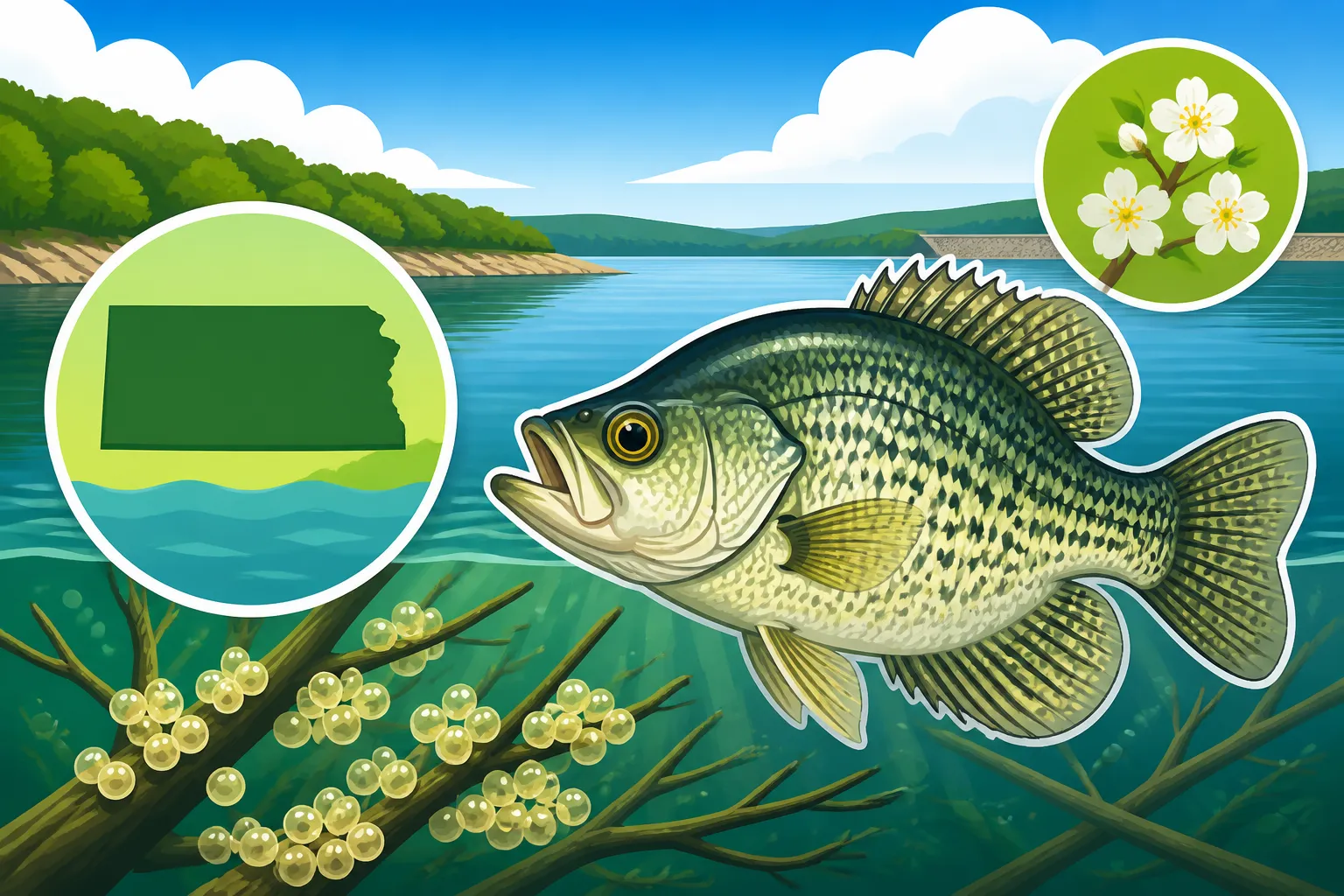
The crappie spawn is truly one of the most anticipated events for anglers in Kansas, and Milford Lake, being the largest lake in Kansas, offers some incredible opportunities. But it’s not just a matter of showing up in May and expecting them to jump in the boat. The spawn is a complex dance choreographed by water temperature, photoperiod (daylight length), and available cover. Missing these subtle cues can mean the difference between a full livewell and an empty cooler.
The Critical Role of Water Temperature
When we talk about the crappie spawn, water temperature is the absolute king. Crappie, both white and black, are cold-blooded creatures, and their biological clock is largely regulated by the water around them. As winter’s chill gives way to warmer spring days, the water in Milford Lake begins to heat up, signaling to the crappie that it's time to move towards shallower waters for their annual reproductive ritual.
Generally, crappie start making their move towards spawning grounds when water temperatures consistently reach the mid-50s Fahrenheit. However, the true "peak spawn" at Milford Lake, especially for robust activity, usually occurs when the water temperature settles between 60 and 68 degrees Fahrenheit. This is the sweet spot when crappie are most aggressive and concentrated. Early May often brings these ideal temperatures, but a late cold front can push things back, just as an unusually warm April can bring them in earlier. It’s crucial to monitor the water temperature directly if you can, rather than just relying on the calendar. Local bait shops or online fishing reports for Milford Lake often provide up-to-date water temperature readings, which can be invaluable. If you're wondering when the crappie fishing really kicks off, understanding the Best Water Temperature for Crappie Spawn is key.
May's Role in the Crappie Calendar
Why is May so often synonymous with the crappie spawn at Milford Lake? It’s because by May, Kansas usually experiences consistently warmer weather, leading to stable water temperatures. The longer daylight hours also contribute to the crappie's reproductive drive, making it a perfect storm for prime fishing. In early May, you might catch the tail end of the pre-spawn activity or the very beginning of the main event. By mid-May, if conditions hold, you're likely right in the thick of it. Towards the end of the month, as water temperatures climb even higher, some crappie might begin transitioning into post-spawn patterns, moving back to slightly deeper, but still accessible, waters.
This isn't to say crappie don't bite outside of May, but the concentration and aggressive nature during the spawn make it a prime target for many anglers. It's truly a special time to be out on the water, whether you're a seasoned angler or just starting out. Many anglers specifically plan their trips around this window, and for good reason. It's a fantastic time to fill your cooler, adhering to Kansas Crappie Length and Bag Limits, of course!
Pinpointing Crappie Hotspots at Milford Lake During the May Spawn
Milford Lake is a sprawling body of water, and while that means abundant opportunities, it also means you can't just drop a line anywhere. During the crappie spawn, these fish have very specific preferences for habitat. Knowing where to look – and what to look for – is paramount to success. It’s about understanding their instinctual need for protection and suitable surfaces to lay their eggs.
Shallow Coves and Protected Bays
When crappie move in to spawn, they seek out the warmest, most protected shallow water available. This means focusing your efforts on northern coves and bays within Milford Lake. These areas tend to warm up faster because they're sheltered from prevailing winds and receive more direct sunlight throughout the day. Look for coves with a dark, muddy, or rocky bottom, as these absorb and radiate heat more efficiently.
Consider areas like the coves in the upper arms of the lake, particularly those off the Republican River, or protected inlets near Milford State Park. These spots often feature submerged brush piles, standing timber, or even old roadbeds that offer the perfect structure for crappie to hide and spawn. When exploring these coves, pay close attention to depth changes. Crappie will often position themselves on the shallow side of a drop-off, or along a submerged creek channel that leads into the bay. Many anglers find great success by focusing on the "back" of these coves, where the water is generally calmest and warmest. If you're new to the area, a good Milford Lake Fishing Guide can point you to specific spots.
Submerged Structure and Man-Made Cover
Crappie are masters of concealment, and during the spawn, they’ll flock to any available cover that offers protection for their eggs and themselves. This includes natural structures like submerged timber, stumps, weed beds (if present), and rock piles. But Milford Lake also boasts plenty of man-made structure that crappie absolutely love.
Think about old fence lines, flooded roadbeds, bridge pilings, and especially intentionally placed brush piles by the Kansas Department of Wildlife, Parks and Tourism (KDWPT) or local fishing clubs. These brush piles are magnets for crappie and can be found by consulting lake maps or even by using your boat's sonar unit. Docks and boat ramps in marina areas can also hold significant numbers of spawning crappie, as the pilings and undersides offer excellent shade and structure. When you find one piece of good cover holding fish, chances are there’s more nearby, so work the area thoroughly. Often, these spots aren’t right on the bank but might be a short cast out, in water that's anywhere from 3 to 10 feet deep, depending on the clarity and warmth.
For those looking to target the best of the best, knowing the Best Coves for Crappie at Milford Lake can certainly give you a head start.
Effective Techniques and Baits for Spawning Crappie Success
Once you’ve found those prime spawning areas in Milford Lake, the next step is to present your bait in a way that crappie can't resist. Spawning crappie can be incredibly aggressive, but they can also be finicky, especially if they’re pressured. Having a few proven techniques and bait choices in your arsenal will significantly increase your catch rates.
Jigging and Spider Rigging
Jigging is arguably the most popular and effective technique for crappie, especially during the spawn. This involves using small jigs, typically 1/32 to 1/8 ounce, tipped with soft plastics or live minnows. The key is to present the jig vertically or with a very slow retrieve, mimicking a subtle baitfish or insect. During the spawn, crappie often hold tight to cover, so dropping your jig right into the heart of a brush pile or along a submerged log is crucial. A light action rod, around 6-7 feet, with a sensitive tip, is ideal for detecting those subtle crappie bites. Many anglers use a tactic called "pounding" the brush, where they repeatedly drop the jig into the cover, letting it hit bottom or structure before lifting it slightly.
Spider rigging, while perhaps less common for true shallow-water spawning fish right on the bank, becomes incredibly effective when crappie are staging just outside the primary spawning grounds or beginning to move deeper into post-spawn. This method involves using multiple rods (often 4-8 or more) deployed from the front of the boat, presenting baits at various depths while slowly trolling. This allows you to cover a wide swathe of water and quickly locate where crappie are holding. It's particularly useful when you're searching for fish along submerged creek channels or the edges of flats leading into spawning coves. Many fishing guides listed on platforms like FishingBooker specialize in this technique and can show you the ropes on a large reservoir like Milford.
Live Bait and Artificial Lures
When it comes to bait for spawning crappie, you really can't beat a live minnow. A small fathead minnow hooked lightly through the lip or back, suspended under a small slip bobber, is often irresistible to crappie. The bobber allows you to present the minnow at a precise depth, which is critical when crappie are holding in a specific water column. Experiment with depths, starting shallow and working deeper until you find the fish.
For artificial lures, small jigs are the name of the game. Soft plastic jigs, often called "tubes" or "grubs," in sizes from 1 to 2 inches, are incredibly versatile. Colors can be key:
- Bright Colors: Chartreuse, pink, and orange are excellent choices, especially in stained or muddy water, as they provide high visibility.
- Natural Colors: White, black, and various shades of green or brown often work well in clearer water or on bright days.
- Combination Colors: Many anglers swear by two-tone jigs, like chartreuse and black, or white and red, which offer contrast and a larger profile.
Using a scent additive on your artificial jigs can also make a difference, especially on days when the bite is slow. Don't be afraid to experiment with different sizes, colors, and retrieve speeds until you dial in what the crappie want on any given day. To ensure you're geared up for success, consider exploring options for the Best Tackle for Kansas Crappie and the Best Lures for a Kansas Tackle Box.
Navigating Milford Lake During Peak Crappie Season
Fishing Milford Lake during the May crappie spawn can be an exhilarating experience, but it also comes with its unique set of challenges and considerations. From boat traffic to finding those hidden gems, a little preparation and local knowledge can go a long way in ensuring a safe and productive trip.
Boat Considerations and Access
Milford Lake is a big reservoir, over 15,000 acres, which means it can handle a lot of boat traffic, but also that specific shallow spawning areas can get crowded. If you're targeting shallow coves and brush piles, a smaller boat like a jon boat, a bass boat with a shallow draft, or even a kayak can give you an advantage in accessing tight spots that larger cruisers might shy away from. However, if you plan to spider rig or cover larger expanses, a more substantial multi-species or pontoon boat might be more suitable. Remember, regardless of your vessel, practicing good boating etiquette, especially around other anglers, is crucial.
Public boat ramps are plentiful around Milford Lake, including those within Milford State Park. Make sure your boat and trailer are in good working order, and always have all required safety equipment on board. For those new to navigating large reservoirs, investing in a good fish finder with GPS capabilities can be a game-changer for marking brush piles and navigating back to productive spots. It’s also wise to be aware of the Kansas Boat Registration Guide to ensure you're compliant with all state regulations.
Dealing with Crowds and Weather Swings
May at Milford Lake can bring absolutely gorgeous weather, but it can also deliver sudden thunderstorms, strong winds, and fluctuating temperatures. Always check the forecast before heading out and be prepared for changes. Strong winds can make boat control difficult, especially when trying to hold over a specific brush pile, and can turn calm water into choppy conditions quickly. Pay attention to wind direction, as it can often dictate which side of a cove or which sheltered areas might be more productive.
As for crowds, the crappie spawn is no secret. Popular coves and brush piles can see a lot of angler activity. If you find your favorite spot is already occupied, have a backup plan. Sometimes, moving just a short distance away, or trying a similar piece of cover in a less obvious area, can yield great results. Alternatively, consider fishing during weekdays if your schedule allows, as weekend traffic is typically much heavier. Many anglers find solace in booking a professional guide service through platforms like FishingBooker, as they often have exclusive knowledge of less pressured spots and can navigate the crowds with ease.
Conservation and Responsible Angling for a Healthy Fishery
As passionate anglers, we all share a responsibility to protect our natural resources, ensuring that future generations can enjoy the incredible fishing opportunities that Milford Lake provides. The crappie spawn is a particularly sensitive time for the fish population, making responsible angling practices more important than ever.
Understanding and Adhering to Regulations
The Kansas Department of Wildlife, Parks and Tourism (KDWPT) sets specific regulations to manage fish populations and ensure sustainability. For crappie at Milford Lake, this includes daily creel limits and sometimes length limits. For instance, Milford Lake, like many other Kansas reservoirs, has a 10-inch minimum length limit on crappie, with a daily creel limit of 50 fish. These rules are not arbitrary; they are carefully determined based on scientific data to protect the spawning population and allow smaller fish to grow.
It's absolutely essential to know and respect these regulations. Before any fishing trip, take a moment to review the current Kansas Fishing Regulations Explained or consult the KDWPT fishing regulations summary. Ignorance of the law is never an excuse, and violating these rules can result in fines and loss of fishing privileges. Carry a measuring device with you, and if a fish is undersized, release it gently and quickly. Remember, a valid Kansas fishing license is always required for anglers aged 16 to 74, so make sure yours is up to date, and know Where to Buy a Kansas Fishing License if you need one.
Practicing Catch and Release and Ethical Handling
While it's perfectly fine to keep a legal limit of crappie for a delicious meal, practicing responsible catch and release, especially for larger breeding fish, contributes significantly to a healthy fishery. If you're not planning to keep a fish, handle it as little as possible. Wet your hands before touching the fish to protect its slime coat, which is vital for its immune system. Use pliers to remove hooks gently, and if a fish is deeply hooked, it’s often better to cut the line rather than attempting to rip the hook out, which can cause more damage.
When releasing fish, do so quickly and carefully, ensuring it swims away strongly. During the spawn, crappie are under increased stress, so minimizing handling time is critical. Consider using circle hooks, especially when fishing with live bait, as they significantly reduce gut hooking. By embracing these ethical practices, we help ensure that the vibrant crappie population in Milford Lake continues to thrive for years to come.
Here's a quick overview of crappie spawn conditions at Milford Lake in May:
| Spawn Phase | Water Temp Range (F) | Typical Depths (Feet) | Preferred Cover | Best Baits/Lures |
|---|---|---|---|---|
| Pre-Spawn | 55-60 | 8-15 | Channel Edges, Secondary Points | Small Jigs, Minnows |
| Peak Spawn | 60-68 | 2-8 | Brush Piles, Submerged Timber, Docks | Small Jigs, Minnows |
| Post-Spawn | 68-75 | 6-12 | Main Lake Points, Deeper Brush Piles | Small Jigs, Minnows |
Remember, these are general guidelines, and crappie behavior can vary based on specific weather patterns and local conditions. Always stay flexible and adjust your approach!
Disclaimer
The information provided in this guide is for general informational purposes only. Fishing conditions, regulations, and fish behavior can vary. Always consult the official Kansas Department of Wildlife, Parks and Tourism (KDWPT) regulations before fishing and prioritize your safety on the water.