Best Lures for a Kansas Tackle Box
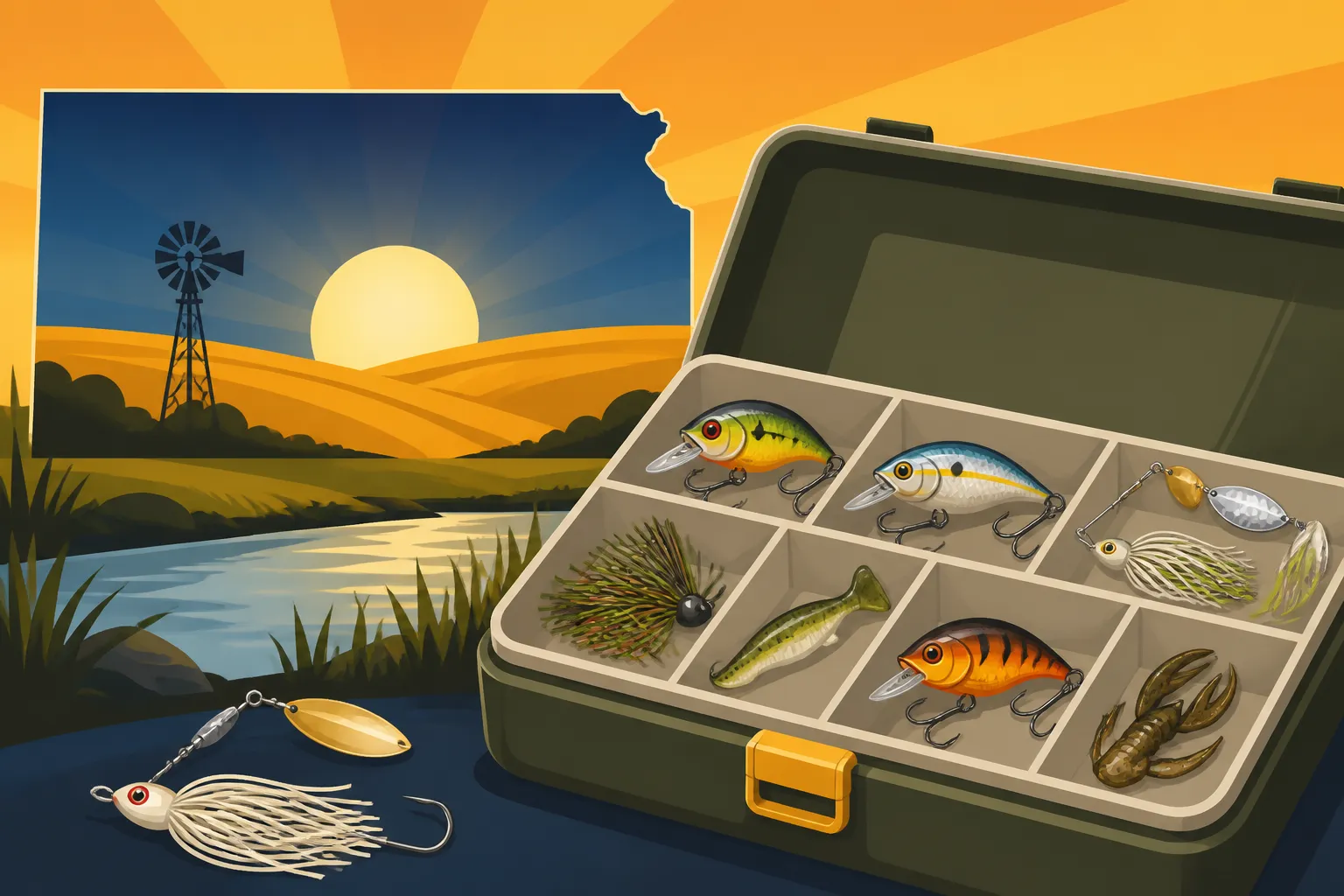
Oh, the age-old question that plagues every Kansas angler, from the seasoned pro to the weekend warrior: "What in the world should I pack in my tackle box?" It’s a completely valid frustration! Strolling through the aisles of a tackle shop, you're faced with an absolute ocean of options, each promising to be the "next big thing." It’s enough to make your head spin, and you often end up with a hodgepodge of lures that don't quite fit our unique Kansas waters. This comprehensive guide is here to cut through that noise, offering up the essential lures that truly shine on our lakes, reservoirs, and rivers, making sure your tackle box is packed with proven fish-catchers for whatever Kansas species you're chasing.
The Essential Foundation: Why Your Lure Selection Matters in Kansas
Before we dive into specific lures, let's talk about why having the right selection is so critical, especially here in Kansas. Our state boasts an incredibly diverse range of fishing environments, from the vast, open waters of Milford Lake and Cheney Reservoir to the winding currents of the Kansas River and countless smaller farm ponds and community lakes. Each of these environments, and the different species within them, demands a specific approach. What works wonders for a flathead catfish in a muddy river might be completely ignored by a walleye suspended over deep structure in a clear reservoir.
It's not just about having a lure; it's about having the right lure that mimics the local forage, triggers a strike in specific conditions, and allows you to cover different depths and water types effectively. Think of your tackle box as a toolbox: you wouldn't use a hammer to drive a screw, would you? The same principle applies to fishing. A well-organized, well-stocked tackle box with proven Kansas performers means less frustration and more fish on the line. Plus, knowing you have the confidence in your lures frees you up to focus on technique and reading the water.
Understanding Lure Actions and Applications
Every lure is designed with a specific action in mind, and understanding these actions is key to choosing the best one for the job. Some lures are meant to be retrieved quickly to imitate fleeing baitfish, while others are designed for a slow, seductive crawl along the bottom. Water clarity, temperature, and even the mood of the fish can dictate which action will be most effective on any given day.
For example, a fast-wobbling crankbait might be perfect for covering expansive flats to locate active white bass during their feeding frenzies. In contrast, a subtle, slow-falling jig might be the ticket for finicky crappie holding tight to submerged brush piles in cooler water. Pay attention to how a lure behaves in the water – does it dive, wobble, flash, or swim? Does it mimic a shad, a crawfish, or an insect? Knowing this will help you match the hatch and present an irresistible offering to our Kansas game fish.
Matching Lures to Kansas Forage and Conditions
Kansas waters are teeming with various baitfish like shad, shiners, and minnows, as well as crayfish, frogs, and aquatic insects. The most effective lures often imitate these natural food sources. When the walleye are gorging on schools of shad in the open water, a silver-sided crankbait or spoon that flashes and vibrates like a panicked baitfish will often outperform anything else. Similarly, when channel catfish are rooting around the bottom for crayfish, a jig dressed with a craw-imitating soft plastic can be incredibly potent.
Beyond forage, conditions play a huge role. In stained or muddy water, lures with loud rattles or strong vibrations can help fish locate them. Bright, contrasting colors like chartreuse or orange can also stand out better. In clear water, more natural colors and subtle actions are often preferred. Always consider the weather, water temperature, and depth you're fishing. A bright, sunny day might call for flashier lures, while an overcast day could favor more muted tones or glow-in-the-dark options, especially at dawn or dusk.
Walleye Wonders: Lures for Kansas' Elusive Predator
Ah, walleye. The prize catch for so many Kansas anglers, known for their delicious fillets and their often finicky nature. Targeting walleye successfully in lakes like Milford or Cheney Reservoir requires a specific arsenal of lures designed to appeal to their light-sensitive eyes and predatory instincts. They often hug the bottom or relate to structure, making presentation crucial.
Kansas is home to some incredible walleye fisheries, and having the right lures can make all the difference. When you're out on the water, remember that walleye are often found deeper during the day, moving shallower at dawn and dusk. This means your lure selection needs to allow you to effectively fish various depths and retrieve speeds. Don't be afraid to experiment with different colors and sizes until you find what they're biting on.
Crankbaits: The Trolling and Casting Powerhouses
Crankbaits are absolutely indispensable for Kansas walleye anglers, especially when it comes to covering water quickly, whether you're trolling across vast flats or casting to promising points and humps. These lures are designed to dive to specific depths, making them perfect for targeting walleye suspended over structure or cruising along ledges. The wobbling action of a crankbait mimics a struggling baitfish, sending out vibrations that walleye can detect with their lateral lines.
For Kansas walleye, medium to deep-diving crankbaits in shad patterns (silver, white, gray, blue) or perch/crawfish patterns (greens, browns, oranges) are usually top performers. Brands like Rapala, Berkley, or Strike King offer a wide variety of these. When trolling, experiment with boat speed and different lure sizes until you start getting bites. Sometimes, a subtle, tight wobble is preferred, while other times a wide, aggressive wiggle is what triggers a strike. Remember to check your Kansas Walleye Length Limits before keeping any fish!
Jigs: Versatility for Vertical and Casting Presentations
Jigs are arguably the most versatile lure in a walleye angler's box. From vertical jigging over deep structure to casting and slowly dragging along the bottom, jigs can be deadly effective. The beauty of a jig lies in its ability to present a small, compact offering that perfectly imitates a variety of forage. Pairing a lead head jig with a soft plastic tail allows for endless variations in color, size, and action.
For walleye, a 1/8 to 1/2 ounce jig head, depending on depth and current, is a good starting point. Color combinations like chartreuse and white, black and blue, or natural shad imitations are reliable. Curly-tail grubs, paddle-tail swimbaits, or even simple minnow-shaped plastics are excellent choices for tails. When walleye are holding tight to cover, a slow, methodical jigging motion directly over their heads can often entice a bite when other lures fail. Many anglers find a wide selection of these versatile lures at shops like Bass Pro Shops or through online retailers like Amazon.
Spinner Rigs and Blade Baits: Flash and Vibration
Spinner rigs, often tipped with live bait like a nightcrawler or minnow, are fantastic for drifting or slow-trolling, especially during warmer months. The spinning blade creates flash and vibration, drawing walleye from a distance, while the live bait provides natural scent and appeal. These rigs are particularly effective when Trolling for Walleye on Kansas Reservoirs, allowing you to cover large areas while maintaining a slow, enticing presentation.
Blade baits, on the other hand, are designed for vertical jigging or rip-jigging, mimicking a darting or struggling baitfish. These metal lures vibrate intensely on the lift and flutter on the fall, often eliciting reaction strikes from otherwise lethargic walleye. Silver, gold, or chrome blade baits are excellent choices for appealing to their visual acuity, especially in clear water or when fish are suspended.
Catfish Catchers: Tempting Our Bottom Dwellers
Kansas is a mecca for catfish, with impressive populations of channel, blue, and flathead cats inhabiting nearly every body of water. While many anglers rely on natural baits for these whiskered warriors, having a selection of artificial lures can sometimes give you an edge, especially for active fish or when you're looking to cover water more efficiently. Kansas Catfish Fishing Techniques often involve bottom fishing, but don't underestimate the power of scent and vibration.
From the muddy depths of the Kansas River to the vast reservoirs like Tuttle Creek, catfish are a staple for many anglers. They are powerful fighters and provide excellent table fare. Understanding their feeding habits – whether they're scavengers or ambush predators – will greatly influence your lure choice.
Prepared Baits: The Scent Trail Specialists
Alright, when we talk about catfish, it's almost impossible not to mention prepared baits, even if they aren't "lures" in the traditional sense. While many catfish anglers craft their own concoctions, there are fantastic commercial prepared baits available that create an irresistible scent trail, drawing in channel and blue catfish from afar. These often come in paste, dip, or punch bait forms and are typically applied to specialized trebles or sponges on a hook.
The effectiveness of prepared baits lies in their strong, lingering odor, which mimics decaying organic matter or concentrated food sources that catfish naturally seek out. While not "lures" that you cast and retrieve, they are absolutely critical for a Kansas tackle box if you're serious about catching numbers of channel or blue catfish. They are especially effective when How to Catch Channel Catfish From the Bank on calm evenings.
Soft Plastics for Catfish: Mimicking Natural Forage
While not as common for catfish as for bass or walleye, certain soft plastics can be incredibly effective, especially for more actively feeding channel catfish or for targeting specific areas. Worms, grubs, and crawfish imitations, often infused with strong scents, can be fished on a jig head or a Carolina rig. The key here is the scent and a slow, methodical retrieve that keeps the lure near the bottom, where catfish do most of their foraging.
Consider a 3- to 6-inch soft plastic worm in black, brown, or pumpkinseed colors, rigged on a heavy jig head. Cast it out, let it sink to the bottom, and then slowly drag or hop it back. This presentation mimics a crawfish scuttling along or a worm wriggling, both of which are common food sources for channel cats. For blue catfish, larger paddle-tail swimbaits in shad patterns, fished slowly along drop-offs, can also draw strikes.
Cut Bait Rigs: Presenting a Scented Meal
Again, not strictly "lures," but essential for a Kansas catfish tackle box. While you might be using natural cut bait (like shad or carp), the rigs you use for them are crucial and worth discussing here. Slip sinker rigs with large circle hooks are the go-to for many catfish anglers, allowing the fish to pick up the bait without feeling immediate resistance from the sinker.
Having a good selection of large, strong circle hooks (sizes 2/0 to 8/0, depending on target size) and appropriate weights (1/2 oz to 3 oz egg sinkers are common) is vital. These rigs are designed to maximize scent dispersion and ensure a good hookup, whether you're targeting monster flatheads in a river bend or a mess of channel cats in a reservoir. This setup is particularly potent when paired with the Best Bait for Kansas Catfish, creating an irresistible offering that no self-respecting catfish can ignore.
Crappie & Panfish Pleasers: Tiny Lures, Big Action
Crappie, along with other panfish like bluegill and redear sunfish, are beloved by Kansas anglers for their abundance, feisty fights, and delicious taste. These species often require a more finesse approach, and your tackle box needs to be stocked with smaller, more delicate lures that mimic their preferred forage: tiny minnows, insects, and crustaceans.
Crappie fishing is a year-round passion in Kansas, from chasing them in shallow timber during the spring spawn to finding them suspended in deep water during the winter. Having a variety of small jigs and baits that can be presented at different depths will ensure success no matter the season.
Small Jigs: The Crappie Angler's Best Friend
If there's one lure synonymous with crappie fishing in Kansas, it's the small jig. These versatile lures, typically weighing 1/32 to 1/8 ounce, can be tipped with tiny soft plastic bodies or fished solo. The subtle action of a small grub, tube, or minnow-imitating plastic on a jig head is often all it takes to trigger a crappie's strike.
Popular plastic body choices include curly-tail grubs, Bobby Garland Crappie Baits, and tiny tube jigs. Color is critical, with chartreuse, white, black, and pink often being top performers, especially when How to Jig for Crappie in Rocky Cover. Experiment with jigging motions: a slow lift and fall, a gentle twitch, or simply suspending it at the right depth under a bobber. For colder water, a more subdued, slower presentation is often key. You can find excellent multi-packs of these jigs and plastics on Amazon.
Minnow Imitations: Replicating Natural Prey
Crappie absolutely adore small minnows. While live minnows are always a top choice, having artificial minnow imitations in your tackle box provides a convenient and often just as effective alternative. These can range from small hard-bodied jerkbaits to soft plastic swimbaits designed to look exactly like tiny baitfish.
Look for models between 1 to 2.5 inches in length. Natural baitfish colors like silver, white, and shades of green or brown are usually best. These can be cast and retrieved with a slow, steady retrieve, or even twitched to imitate a wounded minnow. They are particularly effective when crappie are actively feeding on baitfish schools in open water or along points.
Tiny Spoons: Flash and Flutter
Small casting spoons or even micro-spoons designed for ice fishing can be surprisingly effective for crappie, especially when they're congregated in deeper water. The flash and flutter of a spoon as it falls can often trigger a reaction strike. A slow lift-and-drop retrieve, allowing the spoon to wobble and glint, can be irresistible.
For crappie, spoons weighing 1/16 to 1/8 ounce in silver, gold, or brass finishes are excellent choices. They work well for vertical presentations when you've located a school on your fish finder. Just drop the spoon down to their depth, give it a gentle jig, and be ready for a bite on the fall.
Bass Bombs: Attracting Largemouth and Smallmouth
Kansas offers fantastic opportunities for both largemouth and smallmouth bass, particularly in our numerous reservoirs and rivers. These aggressive predators respond well to a wide variety of lures, from flashy spinnerbaits to subtle soft plastics. A well-rounded bass angler's tackle box needs to cover multiple depths, retrieve speeds, and presentations to adapt to changing conditions and fish moods.
Whether you're targeting largemouth hidden in the timber of El Dorado Lake or smallmouth cruising the rocky shorelines of Wilson Lake, bass fishing in Kansas is dynamic. Having the right lure selection allows you to adapt to different cover, water clarities, and activity levels of the fish.
Spinnerbaits: Flash and Vibration for Aggressive Bass
Spinnerbaits are a perennial favorite for Kansas bass anglers, and for good reason. Their combination of flash from the spinning blades and vibration from the skirt and blades makes them incredibly effective at attracting aggressive bass, especially in stained water or around heavy cover. They're excellent for covering water quickly and drawing strikes from fish that might not be visible.
For largemouth, consider tandem Colorado/Willowleaf blade combinations in skirt colors like chartreuse, white, black and blue, or natural shad patterns. When How to Fish a Spinnerbait for Bass around brush piles, timber, or along weed lines, the single wire arm allows them to come through cover remarkably well. For smallmouth, smaller spinnerbaits with willow leaf blades in shad or crawfish patterns are often preferred, especially when fishing rocky points and drop-offs.
Crankbaits: Diving for Depth and Deflection
Just like for walleye, crankbaits are essential for bass, but with a slightly different focus. Bass crankbaits come in an even wider array of shapes, sizes, and diving depths, allowing you to effectively target fish from shallow flats to deep ledges. The key is to choose a crankbait that dives to the depth where the bass are holding and, ideally, makes contact with the bottom or cover to trigger reaction strikes.
Shallow-diving square bill crankbaits are perfect for bouncing off timber and rocks in skinny water, mimicking a fleeing crawfish or baitfish. Medium to deep-diving crankbaits in shad or crawfish patterns are excellent for probing ledges, humps, and drop-offs. Look for lipless crankbaits for burning over grass or ripping through open water. Brands like Strike King, Rapala, and Berkley offer excellent choices readily available at Bass Pro Shops.
Soft Plastics: Finesse and Versatility
Soft plastics offer unparalleled versatility and realism, making them a must-have for any Kansas bass angler. From Texas-rigged worms for fishing heavy cover to wacky-rigged stick baits for subtle presentations, there's a soft plastic for almost every scenario. They are fantastic for enticing finicky bass or probing specific pieces of structure.
Popular choices include:
- Worms: Curly-tail worms, straight-tail worms, and trick worms, often fished Texas-rigged or Carolina-rigged.
- Creature Baits: Imitate crawfish or other critters, great for pitching into cover or dragging on the bottom.
- Jigs with Trailers: Rubber-skirted jigs paired with crawfish-imitating soft plastic trailers are a classic big-bass presentation.
- Stick Baits: Senko-style baits fished weightless or wacky-rigged are deadly for lethargic or shallow-water bass.
Colors like green pumpkin, black and blue, junebug, and natural shad patterns are consistently productive in Kansas. Soft plastics are a crucial component of any Kansas Bass Fishing Guide due to their adaptability.
White Bass & Wiper Warriors: Lures for Schooling Action
White bass and their hybrid cousins, wipers (a cross between white bass and striped bass), are some of the most exciting fish to target in Kansas. Known for their aggressive schooling behavior and hard fights, they can provide fast and furious action, especially during spring runs and summer feeding frenzies. Your tackle box needs lures that can mimic schooling baitfish and appeal to their strong predatory instincts.
These fish are often found in open water, chasing schools of shad, particularly in large reservoirs like Milford Lake or Cheney Reservoir. Being able to cast long distances and present a lure that looks and acts like a distressed baitfish is key to success.
Spoons: The Schooling Baitfish Mimic
Casting spoons are an absolute game-changer for white bass and wipers, especially when they're actively schooling on baitfish. The flash and erratic flutter of a spoon perfectly imitate a dying or injured shad, which these aggressive predators can't resist. Spoons also cast a country mile, allowing you to reach busting fish from a distance.
Chrome, silver, and white spoons in sizes ranging from 1/4 to 1 ounce are excellent choices. Cast them out, let them sink to the desired depth, and retrieve with a steady pace or a lift-and-drop action. When fish are actively busting on the surface, a fast, erratic retrieve can often trigger multiple strikes. These lures are particularly effective during the Kansas White Bass Run Timing on river systems.
Jigs: Versatility for Different Depths and Conditions
Jigs, especially those dressed with soft plastics, are incredibly effective for white bass and wipers, whether they're schooling on the surface or holding deeper. A simple jig head paired with a paddle-tail swimbait or a curly-tail grub can be irresistible. The key is to match the size of your lure to the size of the baitfish they are feeding on.
For white bass, 1/8 to 1/4 ounce jigs with 2- to 3-inch shad-imitating plastics (white, chartreuse, silver, or smoke) are excellent. For larger wipers, you might bump up to a 3/8 or 1/2 ounce jig with a 3- to 4-inch swimbait. These can be cast and retrieved, vertically jigged when fish are spotted on electronics, or even trolled. The ability to present a small, compact meal makes jigs a staple in any white bass angler's box.
Topwater Lures: Explosive Surface Action
There's nothing quite like the explosive strike of a white bass or wiper on a topwater lure. When these fish are actively driving bait to the surface, a topwater plug can provide some of the most exciting action imaginable. Prop baits, poppers, and walking baits are all excellent choices.
Look for topwater lures in white, chrome, or shad patterns, typically 3 to 5 inches long. Cast them into or around the busting schools of fish and work them with short twitches and pauses, mimicking a struggling baitfish. The commotion on the surface is often all it takes to trigger an aggressive strike. This technique is particularly thrilling when How to Catch Fish During a White Bass Run.
Specialty and General-Purpose Lures for Your Kansas Tackle Box
Beyond the species-specific selections, there are a few other lure types and considerations that every Kansas angler should have in their tackle box. These either cater to specific, unique Kansas opportunities or offer such broad versatility that they deserve a spot regardless of your primary target.
Having these general-purpose lures ensures you're prepared for unexpected opportunities or when the fish are behaving in ways that defy standard tactics. They are your fallback options, your secret weapons, and sometimes, your most reliable performers.
Trout Temptations: For Winter Stockings
While Kansas isn't known for its native trout streams, the Kansas Department of Wildlife, Parks, and Tourism actively stocks rainbow trout in numerous community lakes and streams during the cooler months, offering a fantastic winter fishing opportunity. To take advantage of this, your tackle box needs a few specialized trout lures.
Small inline spinners (like Rooster Tails or Mepps Aglias), tiny spoons, and micro-jigs tipped with scented baits (like PowerBait) are incredibly effective. Colors like silver, gold, chartreuse, and white are popular for trout. These lures are designed to appeal to the visual and olfactory senses of hatchery-raised trout, which are often eager to strike at a flashy or scented offering. Don't forget to grab your Kansas Trout Permit Guide if you plan on participating in this unique winter fishery!
Soft Plastic Kits: The Ultimate Adaptability
Even beyond specific applications mentioned earlier, having a diverse selection of soft plastic bodies and various jig heads is paramount. These inexpensive, versatile lures can be adapted to nearly any fishing situation, whether you're targeting bass, crappie, walleye, or even catfish.
Consider having an assortment of straight-tail worms, curly-tail grubs, paddle-tail swimbaits, and tube jigs in various sizes and colors. Pair them with jig heads ranging from 1/32 ounce for ultra-light panfishing to 1/2 ounce or heavier for deep-water presentations. Soft plastics allow for incredible customization and can be rigged in countless ways to match specific conditions. You can often find bulk packs of soft plastics on Amazon, which is great for keeping your costs down while maintaining a wide selection.
General-Purpose Table: Lure Selection for Kansas Species
To help you visualize and organize your lure selection, here's a quick reference table for common Kansas game fish and their corresponding go-to lure types:
| Target Species | Primary Lure Types | Key Characteristics | Common Kansas Application |
|---|---|---|---|
| Walleye | Crankbaits, Jigs, Spinner Rigs | Dives to specific depths, subtle action, flash | Trolling open water, jigging structure, drifting |
| Channel Catfish | Prepared Baits, Soft Plastics (scented), Cut Bait Rigs | Strong scent, subtle movement, bottom presentation | Bottom fishing, tight-lining, drift fishing |
| Crappie | Small Jigs, Minnow Imitations, Tiny Spoons | Small profile, subtle action, flash on fall | Vertical jigging, casting to cover, under a bobber |
| Largemouth Bass | Spinnerbaits, Crankbaits, Soft Plastics | Flash, vibration, erratic movement, weedless | Covering heavy cover, bouncing off structure, finesse presentations |
| Smallmouth Bass | Crankbaits, Jigs, Soft Plastics | Erratic action, crawfish/shad imitation, deep diver | Rocky points, deep ledges, clear water presentations |
| White Bass & Wipers | Spoons, Jigs, Topwater | Flash, erratic retrieve, surface commotion | Schooling fish, open water busting, spring runs |
| Trout | Inline Spinners, Tiny Spoons, Micro-Jigs (scented) | Flash, vibration, small profile, scent attraction | Winter stockings in community lakes and streams |
Always Be Prepared: Other Tackle Box Essentials
Beyond just lures, your Kansas tackle box should always include a few other essentials. Don't forget things like extra hooks, weights (sinkers of various sizes), swivels, and leaders. A good pair of pliers or multi-tool is invaluable for hook removal and line cutting. A small first-aid kit, a headlamp for early mornings or late evenings, and a reliable measuring tape are also smart additions.
Having a selection of these fundamental terminal tackle items ensures you can rig up your chosen lures correctly and make adjustments on the fly. Whether you're fishing a quiet farm pond or battling the waves on a large reservoir, being prepared makes all the difference for a successful and enjoyable day on the water.
Disclaimer
This article is for general informational purposes only and does not constitute professional advice. Laws, prices and regulations vary by location and change over time. Consult a qualified professional for guidance on your specific situation.