Cheney Reservoir Size in Acres
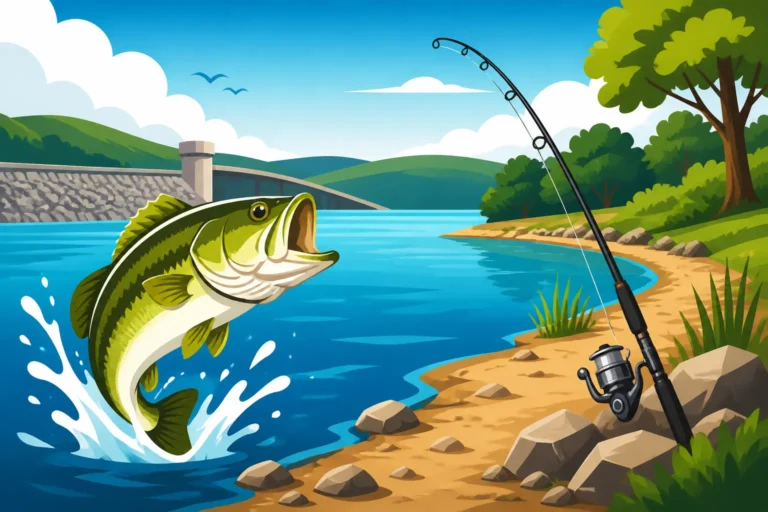
Stepping out onto the shore of a massive Kansas reservoir can feel a bit like staring at the ocean—vast, imposing, and full of unknown possibilities. For many anglers, grasping the true scale of a body of water like Cheney Reservoir isn't just about a number; it's about understanding how that immense size influences everything from where the fish might be hiding to the kind of gear you'll need to chase them. This guide is here to break down the sheer acreage of Cheney Reservoir and, more importantly, explain what that means for your fishing adventures.
Understanding Cheney Reservoir's True Scale and Impact on Fishing
When you hear talk about Cheney Reservoir, it’s not just another local pond. This isn't your average community fishing lake; it's a big, beautiful piece of Kansas water, and its size alone is a major factor in how you approach your fishing strategy. Knowing the sheer scale helps you manage expectations, plan your day, and ultimately, find more fish.
The Official Acreage of Cheney Reservoir
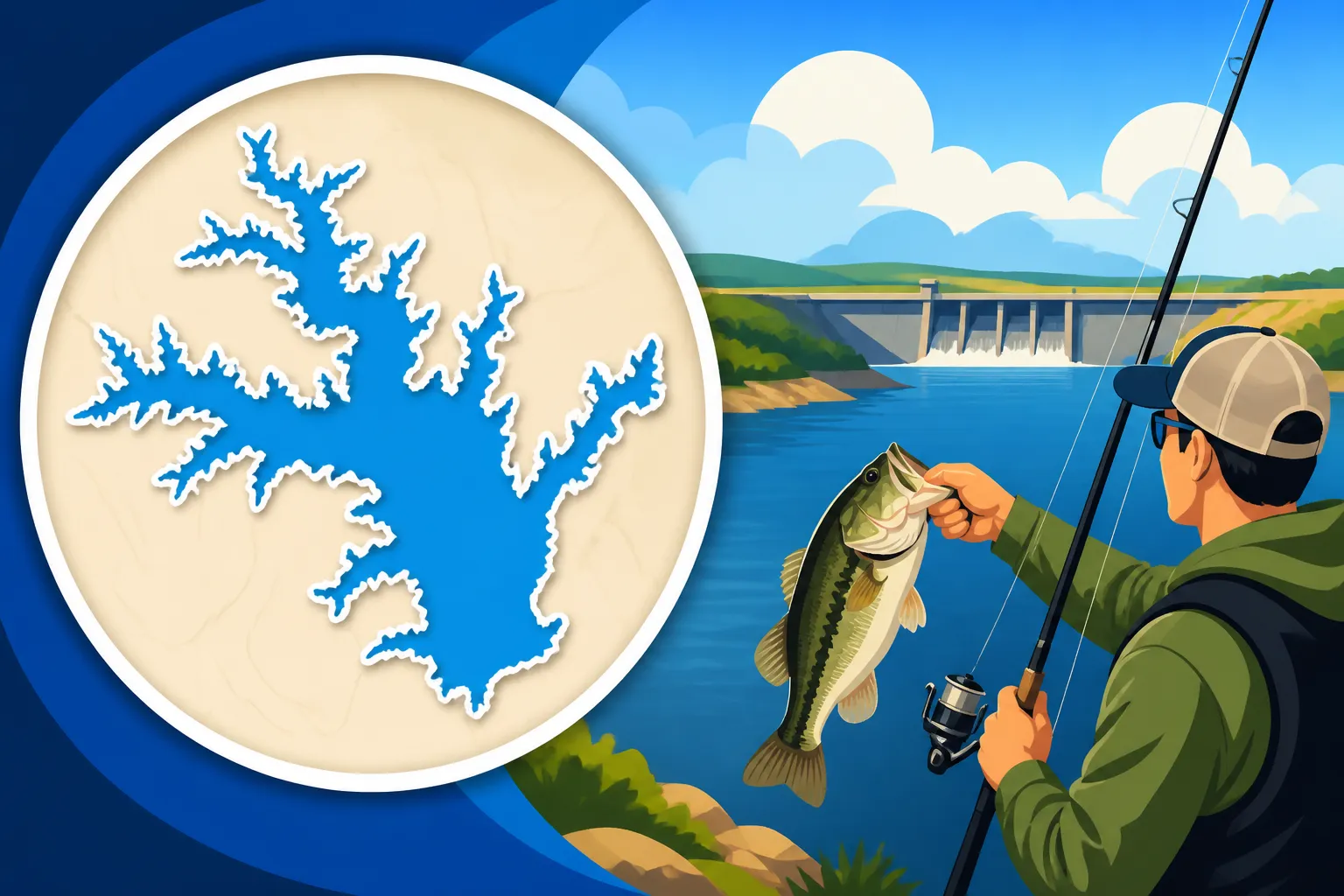
Let's get down to the numbers, because sometimes, it's the raw data that really sets the stage. Cheney Reservoir spans approximately 9,500 acres at its normal conservation pool elevation. To put that in perspective, that's roughly 14.8 square miles of water. That's a huge area to cover, especially if you're used to smaller lakes or local farm ponds. It means you're not just casting out from one spot; you're dealing with a dynamic ecosystem that offers a massive amount of diverse habitat for various fish species.
This extensive acreage presents both challenges and incredible opportunities. On the one hand, finding fish in such a vast expanse can feel like searching for a needle in a haystack. There's so much water, so many potential hiding spots, and the fish have a lot of room to roam. On the other hand, this expansive nature means the lake can support robust populations of many species, from hard-fighting walleye to schooling wipers and abundant crappie. It also means less crowded waters, even on busy weekends, because anglers can spread out across the lake. If you’re planning a trip, understanding the Cheney Reservoir Size in Acres is your first step to a successful outing.
Why Size Matters for Anglers: Navigating a Large Body of Water
The sheer size of Cheney Reservoir dictates much of an angler's approach. It's not just a number; it's a fundamental aspect of the fishery that influences everything from your choice of vessel to your fishing techniques. Think about it: covering 9,500 acres requires forethought and strategy.
For boat anglers, a large reservoir like Cheney often means needing a reliable boat with a decent motor, not just a small jon boat or kayak (though kayaks certainly have their place for specific tactics in certain areas). You'll be covering miles, not just yards, to move between prime fishing spots. Wind can become a significant factor on such a large, open body of water, creating dangerous conditions or making boat control difficult. Having a good GPS unit and a solid understanding of the lake's map is almost a necessity to navigate effectively and find subtle structures. Without these tools, you can easily spend hours just running around, rather than actively fishing. If you're new to navigating bigger waters, our guide on Kansas Boat Registration Guide can help you get ready.
Bank anglers also feel the effects of this size. While there are accessible areas around Cheney, the vast majority of the shoreline is simply too far to reach or too difficult to access from land. This means bank fishing often concentrates in specific public access points, creating localized pressure. You'll need to research these spots beforehand, and even then, your range will be limited. This is where mobility becomes key; perhaps a bicycle to cover more ground along a designated trail, or focusing on areas near the dam or accessible points around Cheney State Park. The sheer amount of water means fish might not always be within easy casting distance from shore, pushing you to adapt your tactics and potentially target species that naturally patrol closer to the banks, such as channel catfish or panfish.
Navigating Cheney's Vast Waters: Strategies for Success
Conquering a reservoir the size of Cheney isn't about brute force; it's about smart strategy and understanding how fish relate to such expansive environments. The key is to break it down, mentally dividing the lake into more manageable sections, and then applying appropriate tactics to each.
Breaking Down Cheney's Fishable Zones
Despite its immense size, Cheney Reservoir isn't a featureless bowl. It has distinct zones, each with its own characteristics that attract different species at different times of the year. Think of it as a collection of smaller fisheries within one large one.
The main lake body, particularly near the dam, often holds deep water and submerged structure, making it a prime location for pelagic species like wipers and striped bass, which cruise open water in search of baitfish. These areas can also be excellent for walleye, especially during colder months when they move to deeper main lake points and humps. Then you have the numerous arms and coves, such as those found on the north and west ends. These areas tend to be shallower, with more standing timber, brush piles, or flooded vegetation, providing excellent habitat for crappie, largemouth bass, and various panfish. The transition areas, where creek channels meet the main lake, are also hotbeds of activity, serving as highways for fish moving between shallow feeding grounds and deeper holding areas. Understanding these zones is critical for success on a large lake. A great resource to dive deeper into these zones would be our guide on Cheney Reservoir Fishing Spots.
Identifying these zones often requires exploring and using good mapping technology. Modern fish finders with GPS and detailed lake maps are invaluable tools for marking submerged channels, rock piles, and old roadbeds that might otherwise go unnoticed. Don't be afraid to motor around, paying attention to depth changes, bottom composition readings, and marking anything that looks like potential fish-holding structure. Remember, what works in a shallow, timber-filled cove on the north end might be completely ineffective in the deeper, wind-swept main lake basin near the dam.
Essential Gear and Planning for a Large Reservoir
Fishing a body of water the size of Cheney Reservoir demands a bit more from your gear locker and your planning routine. This isn't a place where you can just show up with a cane pole and expect consistent results (unless you're targeting specific, very accessible bank spots).
First off, boat anglers absolutely need a reliable motor, ample fuel, and strong batteries for their trolling motor. A good GPS-enabled fish finder, like those offered by Lowrance or Humminbird, is almost non-negotiable. These units not only show you where you are on the map, but they also reveal crucial underwater structure, contour lines, and even schools of baitfish and game fish. A powerful Minn Kota or MotorGuide trolling motor with spot-lock technology can save your back and keep you precisely positioned on structure even in windy conditions, which are common on Cheney. Having a diverse tackle selection is also key, as you'll encounter various depths and types of cover. This means having appropriate lures for deep-water trolling for walleye, jigs for crappie in brush, and various baits for catfish along the bottom.
Planning goes beyond just gear. Safety is paramount on such a large lake. Always check the weather forecast before heading out, as conditions can change rapidly. High winds can turn a pleasant morning into a treacherous afternoon, creating large waves that smaller boats might struggle with. Make sure you have all required safety equipment, including life jackets for everyone on board – it's not just the law, it’s common sense on big water. Tell someone your float plan: where you're going, and when you expect to return. For those looking to maximize their chances and learn the nuances of Cheney quickly, hiring a local fishing guide can be an incredible investment. Platforms like FishingBooker can help you find experienced guides who know Cheney's vast waters inside and out, offering invaluable local knowledge and ensuring a productive and safe trip. They can teach you the ropes for Trolling for Walleye on Kansas Reservoirs or how to find the best spots for other species.
Species Distribution and Hotspots Across Cheney's Expanse
The sheer size of Cheney Reservoir means it can host a diverse array of fish species, each with its own preferred habitat and seasonal patterns. Understanding these preferences across the lake's vast acreage is essential for targeting specific fish.
Where the Walleye Roam: Targeting Cheney's Prized Fish
Cheney Reservoir is renowned as one of Kansas's premier walleye fisheries, and its vastness plays a huge role in supporting these populations. Walleye are creatures of structure and transition, and Cheney offers an abundance of both. During the cooler months, and often throughout the year, walleye will relate to the main lake points, submerged humps, and the old river and creek channels that wind through the reservoir basin. These areas provide current breaks, ambush points, and access to deeper, cooler water.
In the spring, as water temperatures rise, walleye will move to shallower rocky points and shorelines for spawning. This is often when they become more accessible to bank anglers in specific areas or when boat anglers can target them shallower with crankbaits or jigs. As summer progresses, they tend to pull out to deeper main lake structure, often suspending over baitfish schools or holding tight to bottom contours, making trolling with crankbaits or pulling spinner rigs incredibly effective. The sheer amount of open water also allows them to follow huge schools of shad, so learning to read your electronics to find bait is crucial. Our guide on Kansas Walleye Fishing Techniques offers more depth on this.
Targeting walleye on Cheney requires patience and often, a lot of moving. Don't be afraid to hit multiple spots if you're not finding fish. Focus your efforts around dawn and dusk, or even into the night, as walleye are often most active during low-light conditions. Pay attention to wind-blown points, as the chop can concentrate baitfish and disorient them, making it easier for walleye to feed. This immense body of water truly offers a trophy walleye experience, with anglers often landing fish well over the 21-inch minimum length limit.
Crappie, Wipers, and Catfish: Finding Your Target in the Immense Water
While walleye might be the headline act, Cheney Reservoir’s large size ensures excellent opportunities for other popular species, each with its own niche across the sprawling acres.
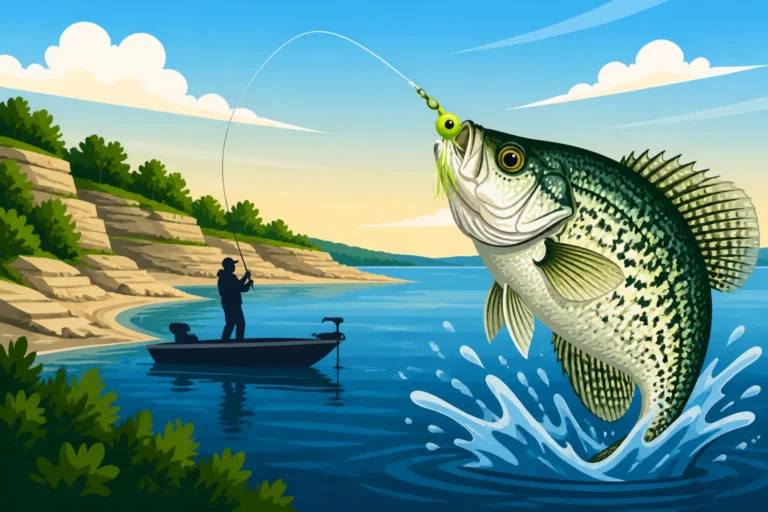
Crappie: For crappie anglers, Cheney's many coves and protected arms are the places to be. These areas often feature standing timber, brush piles, or submerged cedar trees, providing perfect ambush points and cover for crappie. In spring, crappie move into incredibly shallow water to spawn, sometimes less than two feet deep, making them accessible to both boat and bank anglers. As temperatures warm, they'll retreat to deeper brush piles and channel edges within these same coves. Using electronics to find these submerged structures is key, and jigs tipped with minnows or soft plastics are tried-and-true producers. You can learn more about Kansas Crappie Length and Bag Limits to ensure you're fishing legally.
Wipers (Hybrid Striped Bass): These hard-fighting hybrids thrive in Cheney's open water. They are aggressive predators that often school up and chase shad, providing incredible fast-paced action. Wipers can be found throughout the main lake basin, often near humps, points, and anywhere baitfish are schooling. Look for surface activity, especially during early mornings or late evenings, where wipers might be busting bait on the surface. Trolling large crankbaits, casting spoons, or even live bait under a bobber can be effective. Their nomadic nature across the large reservoir means having a powerful motor to chase them down is often necessary. If you're struggling to locate them, remember that a guide found through FishingBooker could put you right on the schools.
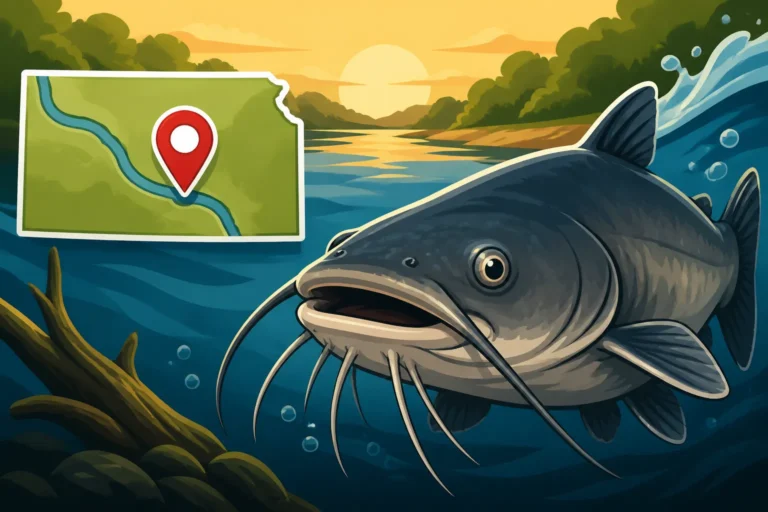
Catfish (Channel, Blue, and Flathead): Cheney Reservoir’s substantial size also provides excellent habitat for a variety of catfish species. Channel catfish are widespread and can be found in almost any part of the lake, from shallow coves to main lake flats and creek channels. They are opportunistic feeders, responding well to prepared baits, cut bait, or worms. Blue catfish, known for their size, often prefer deeper river channels and main lake areas, feeding on shad and other forage. Flathead catfish are more solitary predators, typically found hunkered down near heavy cover like logjams or rocky ledges within the lake's deeper channels. Night fishing is a particularly popular and productive time for all catfish species on Cheney, as they move into shallower areas to feed. For techniques on specific species, check out our guide on Kansas Catfish Daily Limits.
No matter your target species, the vastness of Cheney Reservoir truly means there's a fishing experience for everyone. It just takes a bit of planning and understanding how this expansive body of water works.
| Feature | Description | Fishing Relevance |
|---|---|---|
| Acreage | ~9,500 acres at normal pool | Vast fishing grounds, less crowding, diverse habitats, long travel times by boat. |
| Primary Species | Walleye, Wipers, Crappie, Channel Catfish, Blue Catfish, Flathead Catfish, Largemouth Bass, White Bass | Offers diverse angling opportunities; specific techniques needed for each species. |
| Lake Type | Flood Control Reservoir | Features old creek channels, submerged timber, varying depths due to drawdowns/fill-ups. |
| Location | South-central Kansas, near Hutchinson/Wichita | Accessible from major population centers, making it a popular destination. |
| Key Structures | Main lake points, submerged humps, old river beds, coves with standing timber, rocky shorelines | Critical for locating fish, especially walleye and crappie. Requires good electronics. |
| Best Access | Cheney State Park, numerous public boat ramps | Provides multiple entry points for boaters and some bank fishing opportunities. |
Disclaimer
Fishing conditions and regulations in Kansas can change. Always consult the latest Kansas Department of Wildlife, Parks and Tourism (KDWPT) regulations before heading out on the water. This guide is for informational purposes only.