Waconda Lake Walleye Fishing Report
Finding consistent walleye action can feel like chasing a ghost, especially on larger, less familiar bodies of water. You hear whispers of big fish, but translating those rumors into a successful day on the water at a place like Waconda Lake requires more than just luck. This guide is here to cut through the noise, offering you a detailed breakdown of what to expect when targeting walleye on this central Kansas gem, helping you understand the patterns and tactics that truly work.
Understanding Waconda Lake for Walleye
Waconda Lake, officially known as Glen Elder Reservoir, is a true standout in north-central Kansas, often overlooked in favor of some of the larger, more heavily trafficked reservoirs. But for those in the know, especially walleye anglers, Waconda holds a special place. Its unique characteristics are precisely why it can be such a productive walleye fishery, offering a different challenge and reward compared to many other lakes in the region.
Lake Characteristics and Depth
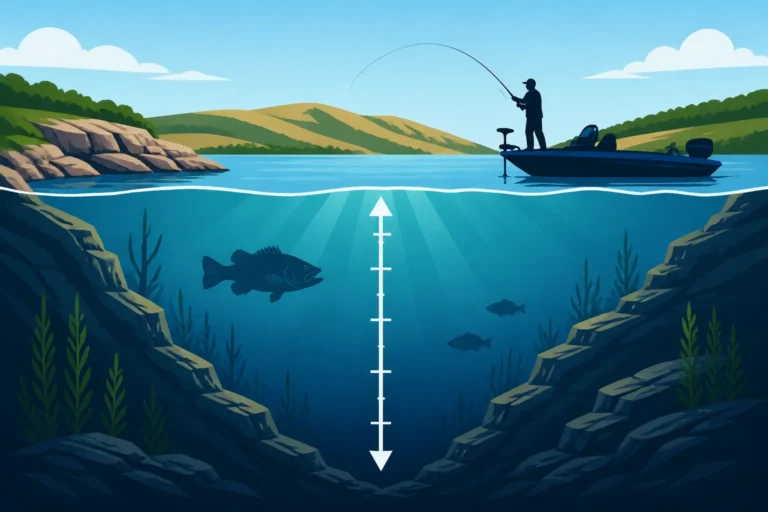
Waconda Lake, formed by impounding the Solomon River, spans a little over 12,000 acres at conservation pool, making it a substantial body of water without being overwhelmingly vast. What sets it apart is its diverse underwater topography. You'll find a mix of rocky points, submerged timber, old creek channels, and expansive flats. The lake's depth can vary quite a bit, with some areas dropping to over 40 feet near the dam, while other sections are much shallower, particularly upstream in the river arms. These varied depths and structures are absolutely critical for walleye, providing them with a range of habitats throughout the year, from shallow spawning grounds in spring to deep, cool retreats in the summer. Understanding the lake's contour maps, often available through the Kansas Department of Wildlife, Parks, and Tourism (KDWP) or apps like Navionics, is your first step to unlocking its walleye potential.
The water clarity at Waconda Lake can fluctuate, but it generally tends to be a bit more turbid than some of the clearer reservoirs further west, especially after significant rainfall. This is important for walleye anglers, as walleye are light-sensitive fish. Increased turbidity often means they'll stay shallower or be more active during daylight hours than they would in crystal clear water. The substrate is primarily a mix of rock, gravel, and mud, with the rocky areas and old river channels being prime targets for walleye. Keep an eye out for submerged brush piles and standing timber, especially in the upper reaches of the lake and off old creek beds; these areas can hold impressive numbers of fish, offering both cover and ambush points for hungry walleye.
Forage Base and Walleye Diet
The health of any walleye fishery is intrinsically linked to its forage base, and Waconda Lake boasts a robust one. Walleye in Waconda primarily feast on gizzard shad, emerald shiners, and various small panfish like crappie and young white bass. This abundance of natural food means the walleye here are well-fed and grow to impressive sizes. Knowing what they're eating is paramount to selecting the right baits and lures. If you're consistently seeing schools of shad on your fish finder, matching the hatch with shad-imitating crankbaits or swimbaits is a smart move.
Beyond the predominant baitfish, don't overlook other opportunistic feeding behaviors. Walleye will also key in on crayfish, especially during cooler months or when they're hiding in rocky structures. This makes jigging with crayfish-imitating soft plastics or even real crayfish an effective tactic. The KDWP regularly monitors the lake's fish populations, and their reports often provide insights into the current health and abundance of forage species. This information can be a goldmine for anglers trying to dial in their presentations. Remember, a walleye that's keyed into a specific food source will often ignore anything that doesn't mimic it closely, so paying attention to the forage is crucial for success.
Seasonal Walleye Fishing Strategies on Waconda Lake
Fishing for walleye on Waconda Lake isn't a one-size-fits-all endeavor. These fish are masters of adaptation, changing their locations and feeding patterns dramatically with the seasons. What worked last week might be completely ineffective this week, making it essential to understand their annual movements. Being prepared for these shifts is what separates a truly successful angler from someone just hoping for a bite.
Spring Pre-Spawn and Spawn
Spring is arguably the most anticipated time for walleye anglers, as these fish move shallow for their annual spawning ritual. As ice thaws and water temperatures creep into the mid-40s to low 50s Fahrenheit, walleye begin to stage near rocky points, dam riprap, and tributary mouths, particularly the Solomon River arm. This pre-spawn period, usually in March and early April, can offer incredible action. Anglers often find success casting jerkbaits like a Rapala Husky Jerk or a Strike King KVD Jerkbait, working them slowly along these rocky transitions. Blade baits or lipless crankbaits, retrieved with a yo-yo action, can also trigger bites from sluggish pre-spawn fish. Remember, these fish are often concentrated, so once you find one, there are likely more.
When the water temperatures hit the mid-50s, typically from mid-April to early May, the walleye move onto their spawning grounds. On Waconda Lake, this primarily occurs over rocky shorelines, riprap, and hard-bottomed flats. During this time, they become less focused on feeding and more on reproduction. However, skilled anglers can still tempt them. Pitching jigs tipped with minnows or soft plastic paddletails (like a Berkley Gulp! Minnow) right into the rocks can be very effective, especially at dawn and dusk. Night fishing can also be incredibly productive during the spawn, as walleye are often more active under the cover of darkness. It's important to be mindful of the fish during this sensitive time and practice catch-and-release, especially for larger females, to ensure the health of future generations. Make sure you're up to speed on the latest Kansas Walleye Length Limits and daily creel regulations to ensure you're compliant.
Summer Patterns
As the water warms into the 60s and 70s in late spring and summer, walleye on Waconda Lake transition to their deeper, cooler summer haunts. This is when they become more scattered and relate heavily to offshore structure. You'll often find them congregating along humps, submerged creek channels, deep points, and even suspended over open water, especially if there's a thermocline. Trolling is a hugely popular and effective technique during the summer months. Crankbaits that dive to different depths, such as Flicker Shads or Berkley Dredgers, are excellent choices. Experiment with colors and retrieve speeds until you find what triggers bites. Trolling speeds typically range from 1.5 to 2.5 mph, but sometimes subtle variations can make all the difference.
Another productive summer tactic is drift fishing with bottom bouncers and crawler harnesses. This allows you to cover large areas of deep flats and subtle contours, presenting a live nightcrawler enticingly close to the bottom. Don't be afraid to try different blade colors and sizes on your crawler harnesses. Chartreuse, orange, and metallic silver are often good starting points. Furthermore, when the sun is high and bright, walleye often retreat to deeper, shadier areas or hold tight to structure. This is an excellent time for vertical jigging with spoons or heavier jigs tipped with soft plastics, particularly around timber or sharp breaks. Using your Kansas Fish Finder Buying Guide to locate these schools of fish is crucial for success during the summer. Consider hiring a local guide through platforms like FishingBooker if you're new to the lake; their experience can save you a lot of time and effort in locating these summer fish.
Fall Feed and Winter Opportunities
As autumn arrives and water temperatures begin to drop, typically from the high 60s down to the 50s, Waconda Lake walleye embark on a serious feeding spree. They sense the coming winter and aggressively gorge themselves on baitfish. This can lead to some of the most exciting walleye fishing of the year. Walleye will often move shallower again during this time, particularly in the mornings and evenings, hunting along points, humps, and even shorelines that were too warm in the summer. Casting crankbaits, jigging spoons, and even slower presentations of larger soft plastics can be incredibly effective. Look for areas where schools of baitfish are concentrated, as the walleye won't be far behind.
While Kansas isn't traditionally known for extensive ice fishing, Waconda Lake does offer some limited opportunities when conditions allow for safe ice. If the lake freezes solid enough (generally 4+ inches of clear ice), anglers can target walleye through the ice. Vertical jigging with small spoons, lipless crankbaits, or jigs tipped with minnows are standard tactics. Focus on deeper humps, points, and old creek channels, similar to summer patterns but from above. Always prioritize safety when ice fishing; never venture out alone, tell someone where you're going, and always check ice thickness thoroughly. While Waconda Lake offers potential, if you're truly interested in winter walleye, it's worth exploring guides on Kansas Ice Fishing Guide, which may focus on other, more consistent hardwater fisheries.
Essential Gear and Techniques for Waconda Lake Walleye
Having the right tools for the job can make a world of difference, especially when you're targeting a finicky species like walleye. Waconda Lake's diverse environment means you need a versatile approach to your gear. Don't just grab any old rod and reel; think about the specific conditions and techniques you'll be employing.
Recommended Baits and Lures
For Waconda Lake walleye, versatility in your tackle box is key. Live bait, particularly lively shiners and nightcrawlers, are often irresistible. Minnows are fantastic for spring jigging and under a bobber. Nightcrawlers, whether on a crawler harness, a simple slip-sinker rig, or even just threaded onto a jig, are year-round producers. These natural presentations often shine when artificials fail to draw a strike. Local bait shops around Glen Elder will usually have the freshest supply, and they can also give you a quick update on what's been working.
When it comes to artificials, a few categories are non-negotiable. Crankbaits are indispensable for trolling and casting. Shallow-diving models are great for spring and fall, while deep-diving and even suspending models are perfect for covering water in summer. Popular brands like Rapala, Berkley, and Bandit offer a range of sizes and colors, but generally, perch, shad, and firetiger patterns are solid choices. Jigs, in various weights and colors (1/8 oz to 3/8 oz), are essential for vertical jigging and pitching. Tipping them with soft plastics like paddletails, grubs, or minnow imitations, or even a piece of live bait, significantly increases their effectiveness. Don't forget blade baits and lipless crankbaits for cold water presentations; their vibration can call in fish from a distance. For more specific lure ideas, check out this guide on Best Lures for Kansas Walleye.
Rods, Reels, and Line Choices
The right rod and reel setup can enhance your feel for subtle bites and improve your casting accuracy. For jigging, a sensitive 6'6" to 7' medium-light or medium power spinning rod with a fast action tip is ideal. This allows you to feel those delicate "thunks" and "ticks" that signify a walleye bite. Pair it with a 2000 or 2500 series spinning reel spooled with 6-8 lb monofilament or fluorocarbon, or even 10-15 lb braided line with a fluorocarbon leader for maximum sensitivity. Braided line shines when you need to detect light bites in deep water or when using techniques like Trolling for Walleye on Kansas Reservoirs.
For trolling, a slightly longer, more forgiving rod, typically 7' to 8'6" medium power with a moderate action, is often preferred. This allows the rod to absorb the shock of a strike and keep the fish pinned. Conventional baitcasting reels are popular for trolling due to their line capacity and ability to handle heavier lures, spooled with 10-14 lb monofilament or fluorocarbon. If you're planning on using bottom bouncers and crawler harnesses, a medium-heavy baitcasting setup with 12-17 lb monofilament provides the backbone needed to manage the weight and land larger fish. Always inspect your line for abrasions regularly, especially when fishing around Waconda's rocky structures.
Electronics and Boat Control
In today's walleye fishing world, electronics are no longer a luxury but a necessity, especially on a lake with as much diverse structure as Waconda. A good fish finder with down imaging and side imaging capabilities is an invaluable tool for locating subtle humps, old creek beds, and, most importantly, schools of baitfish and walleye. Brands like Humminbird, Garmin, and Lowrance offer excellent units that can help you decipher the underwater landscape. Learn how to interpret your sonar readings to distinguish between baitfish clouds, individual game fish, and different bottom compositions. This knowledge allows you to pinpoint productive spots quickly and efficiently.
Precise boat control is equally vital, particularly when trolling or drifting. A reliable trolling motor, especially one with GPS spot-lock capabilities like those from Minn Kota or Motorguide, allows you to hold your boat precisely over a productive area or follow a specific contour line, even in windy conditions. This is paramount for presenting your lures effectively to stationary walleye or staying on top of a moving school. Without good boat control, you're essentially just drifting aimlessly, which rarely leads to consistent walleye success. Consider investing in a quality unit that matches your boat size and fishing style to truly maximize your time on Waconda Lake. A quick glance at services available via FishingBooker might even highlight local guides who can teach you the intricacies of boat control specific to this lake.
Tips for a Successful Waconda Lake Walleye Trip
Fishing Waconda Lake for walleye can be an incredibly rewarding experience, but like any great fishing destination, it comes with its own set of nuances. Beyond understanding the fish and your gear, there are practical steps you can take to significantly boost your chances of a successful outing. A little preparation and local insight can go a long way.
Interpreting Local Reports
The internet is a vast resource, but when it comes to fishing, local knowledge is gold. Websites like the KDWP publish weekly or bi-weekly fishing reports for major reservoirs, including Waconda Lake. These reports often detail water temperature, clarity, hot spots, and effective baits, giving you a valuable starting point. However, remember that these are general guidelines. Local bait shops, such as those in the nearby towns of Glen Elder or Cawker City, are often the best source of real-time, on-the-water intelligence. The folks behind the counter usually have their ear to the ground and can tell you what exact lures, depths, and areas have been producing. Don't be shy; strike up a conversation!
Online fishing forums specific to Kansas angling can also be a treasure trove of information. Anglers often share their successes (and failures), offering insights that aren't available anywhere else. However, take forum reports with a grain of salt. Some information might be outdated, exaggerated, or intentionally vague to protect a secret spot. Use these reports to get ideas, cross-reference with official sources, and form your own hypotheses, rather than following them blindly. The true "report" is often a combination of official data, local chatter, and your own on-the-water observations.
Navigating Regulations and Best Practices
Before you even launch your boat, ensure you're fully aware of all the Kansas Fishing Regulations Explained for Waconda Lake. Kansas, like any state, has specific rules regarding fishing licenses, length limits, and daily creel limits for walleye. Ignorance of the law is no excuse, and wardens regularly patrol the lake. Always carry your current Kansas Fishing License Guide and any required permits. For walleye, specifically, pay close attention to the Kansas Walleye Daily Limit of Two Fish and any specific slot limits or minimum length requirements that might be in place for Waconda or the greater region. These regulations are in place to ensure the sustainability of the fishery, so respecting them is crucial for everyone's enjoyment in the long run.
Beyond the regulations, adopting best practices for catch-and-release, especially for large breeding females, helps maintain a healthy walleye population. Handle fish minimally, use appropriate landing nets (like rubberized ones that are less damaging to fish slime coats), and release them quickly. Also, be a responsible boater. Waconda Lake can get busy, especially on weekends. Practice good ramp etiquette, be mindful of no-wake zones, and always prioritize safety. This includes carrying all required safety equipment, as detailed in any Kansas Boat Registration Guide, and being aware of other anglers. A little courtesy goes a long way in ensuring a positive experience for everyone on the water.
| Season | Prime Walleye Location | Recommended Techniques | Best Baits/Lures | Key Considerations |
|---|---|---|---|---|
| Spring | Rocky points, dam riprap, tributary mouths, hard-bottom flats | Casting jigs, jerkbaits, blade baits; pitching soft plastics or minnows; night fishing | Minnows, small jigs, jerkbaits (Rapala Husky Jerk), blade baits, lipless cranks | Water temps 45-55°F; pre-spawn to spawn; low light periods; check length limits |
| Summer | Deep humps, submerged creek channels, deep points, open water | Trolling crankbaits, drift fishing with bottom bouncers and crawler harnesses, vertical jigging | Deep-diving crankbaits (Flicker Shad), nightcrawlers, soft plastics, jigging spoons | Water temps 60-75°F; locate baitfish; use fish finder; precise boat control |
| Fall | Main lake points, humps, shallower flats near deep water | Casting crankbaits, jigging spoons, slow-rolling larger soft plastics | Shad-imitating crankbaits, jigging spoons, larger soft plastics (swimbaits) | Walleye actively feeding; water temps dropping; follow baitfish movements |
| Winter | Deeper humps, points, old creek channels (ice permitting) | Vertical jigging through ice | Small spoons, lipless crankbaits, jigs tipped with minnows | Ice safety paramount; limited opportunities; focus on deep structure |
Disclaimer
The information provided in this guide is for general informational purposes only and is subject to change. Fishing conditions, regulations, and fish behavior can vary. Always consult the official Kansas Department of Wildlife, Parks, and Tourism (KDWP) regulations and local resources before planning any fishing trip to ensure compliance and safety.