Closest Fishing Lake to Topeka
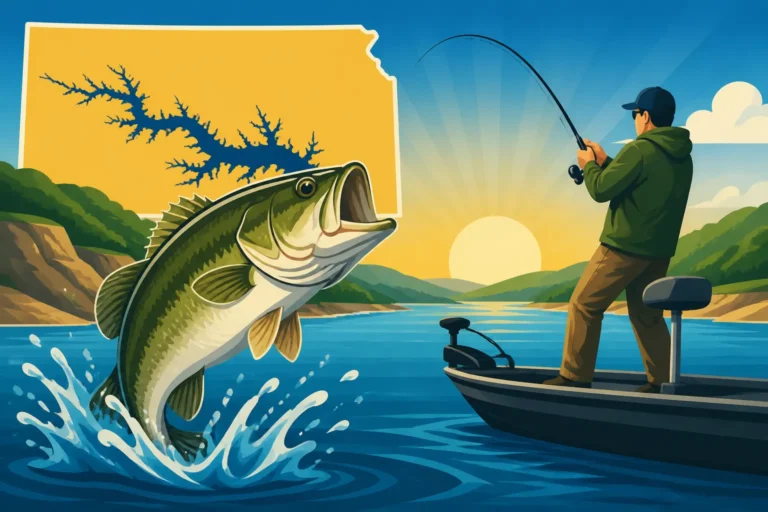
When you're itching to wet a line after a long week, the last thing you want is a two-hour drive just to get to a decent fishing spot. For those of us living in or around Topeka, that frustration is all too real when you think about the sprawling reservoirs further west. But don't despair! This guide is here to introduce you to the closest, most productive major fishing lake right on Topeka's doorstep: Clinton Lake.
Clinton Lake: Topeka's Nearest Fishing Paradise
For Topeka anglers, Clinton Lake isn't just a convenient option; it's a genuine fishing paradise offering diverse opportunities without the long haul. Tucked just a short drive west of the city, it presents an immediate escape for a morning, an afternoon, or a full weekend on the water.
The Unbeatable Proximity for Topeka Anglers
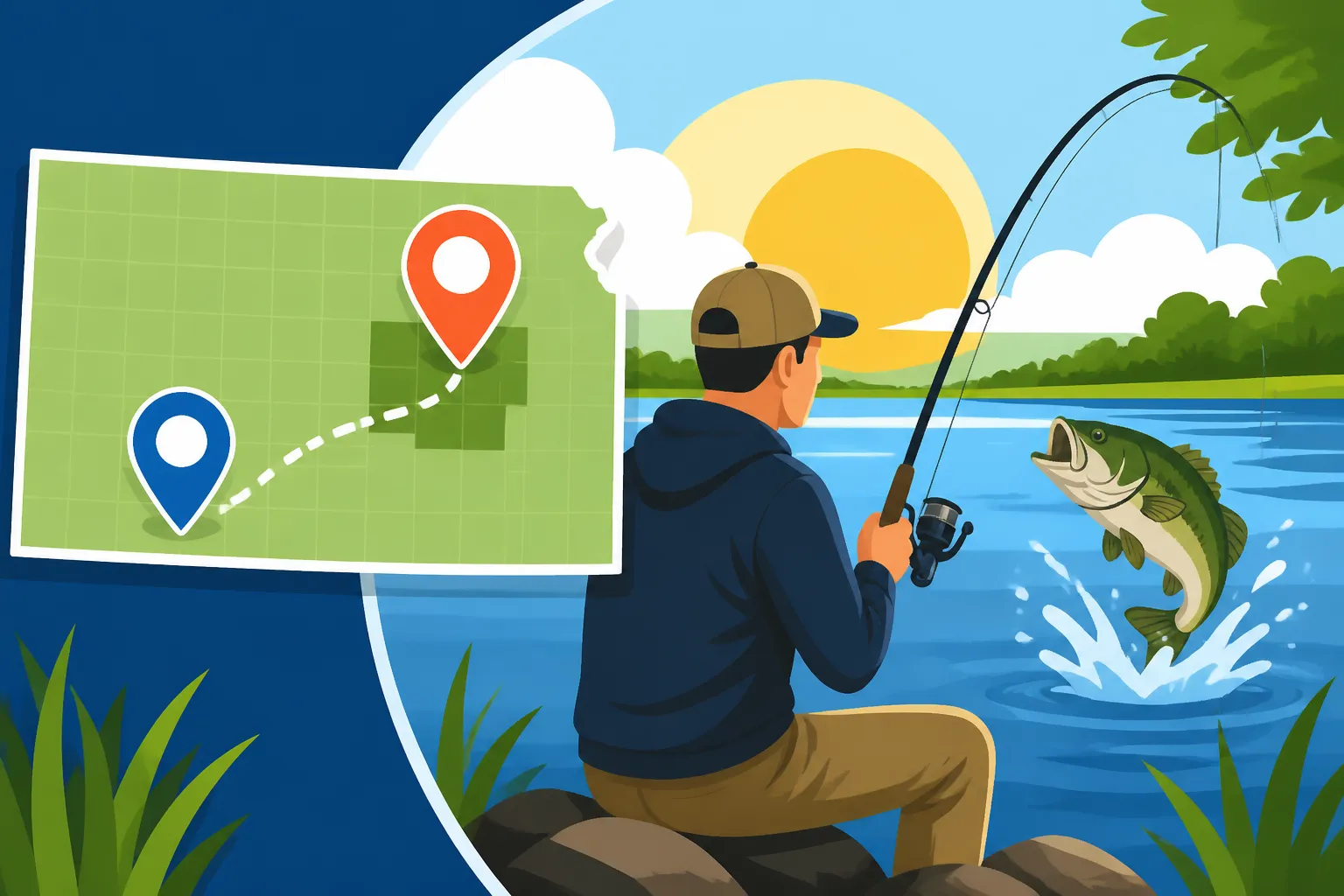
Imagine finishing work on a Friday and being able to be on the water, fishing pole in hand, within 20-30 minutes. That's the reality with Clinton Lake. Located near Lawrence, just off K-10 and a stone's throw from Topeka, it’s significantly closer than other major Kansas reservoirs like Milford Lake or Cheney Reservoir, which often require an hour or more of driving. This proximity makes spontaneous fishing trips a real possibility, whether you're heading out for a quick evening bite or planning an early morning assault on feeding fish. You can leave the house after breakfast and be casting lines by the time others are still packing their cars for a longer journey. This convenience is a game-changer for many, allowing more time fishing and less time driving.
A Rich Tapestry of Fish Species
Clinton Lake boasts an impressive variety of game fish, making it a truly versatile destination for any angler. It’s well-known for its healthy populations of walleye, crappie, catfish, and both largemouth and smallmouth bass. Additionally, hybrid striped bass, affectionately known as wipers, provide a thrilling fight for those seeking a stronger pull. The Kansas Department of Wildlife, Parks and Tourism (KDWPT) actively manages these fisheries, with regular stocking programs ensuring a vibrant and sustainable ecosystem. This means you’re not just hoping for a bite; you’re entering an environment engineered for consistent angling success across multiple species, catering to different preferences and fishing styles.
Angler-Friendly Facilities and Access Points
One of Clinton Lake’s biggest assets is its excellent infrastructure, designed with anglers in mind. The lake features multiple well-maintained boat ramps, including popular spots like Bloomington and Woodridge, making it easy to launch everything from small jon boats to larger bass rigs. For those who prefer to fish from shore, numerous bank fishing access points, including designated fishing piers, are scattered around the perimeter of the lake, particularly within Clinton State Park. These spots often provide easy access to deeper water or structure, making them productive for a variety of species. Camping facilities are also available, allowing for extended stays and multiple days of fishing without the hassle of daily commutes.
Decoding Clinton Lake's Prime Fishing Opportunities
To truly make the most of your time at Clinton Lake, it pays to understand what species thrive there and how to best target them throughout the year. Different fish have different habits, and knowing when and where to find them is key to a successful outing.
Targeting Walleye: Season, Structure, and Lures
Clinton Lake is arguably one of the best walleye lakes in eastern Kansas, offering robust fishing opportunities, especially in spring and fall. The spring spawn, usually from late March through April, sees walleye moving to rocky points, dam faces, and submerged humps, making them accessible to both boat and bank anglers. During this time, jigging with live minnows or soft plastics, or slowly trolling crankbaits like Rapalas or Berkley Flicker Shads, can be incredibly effective. As summer approaches, walleye often retreat to deeper, cooler waters, concentrating on humps, ledges, and creek channels, where they can be targeted by trolling deep-diving crankbaits or jigging spoons. Fall brings another feeding frenzy as water temperatures drop, and walleye aggressively feed to prepare for winter, often moving shallower again to rocky structures. If you're serious about chasing these delicious fish, understanding their seasonal movements and preferred structures is paramount. Check out our comprehensive Kansas Walleye Fishing Guide for even more in-depth strategies.
Crappie Hotspots and Seasonal Strategies
Crappie fishing at Clinton Lake can be phenomenal, with both white and black crappie present in good numbers. Spring is a prime time for crappie, as they move into shallow coves and brushy areas to spawn. Look for areas with standing timber, submerged brush piles, or flooded willows. Small jigs (1/16 to 1/8 ounce) tipped with minnows or soft plastic bodies are deadly. As the water warms in summer, crappie often suspend over deeper brush piles or along channel edges, requiring a more vertical approach with electronics to locate them. In the fall, they transition back towards shallower cover as they feed heavily. Ice fishing for crappie is also popular on Clinton during suitable winter conditions. Knowing Kansas Spring Crappie Fishing Tips can really boost your success, especially when targeting those spawning fish.
Catfish Tactics for Channel, Blue, and Flathead
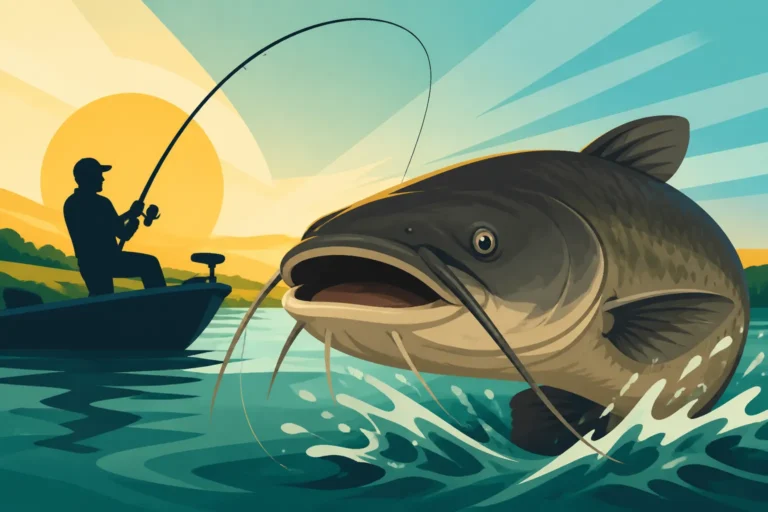
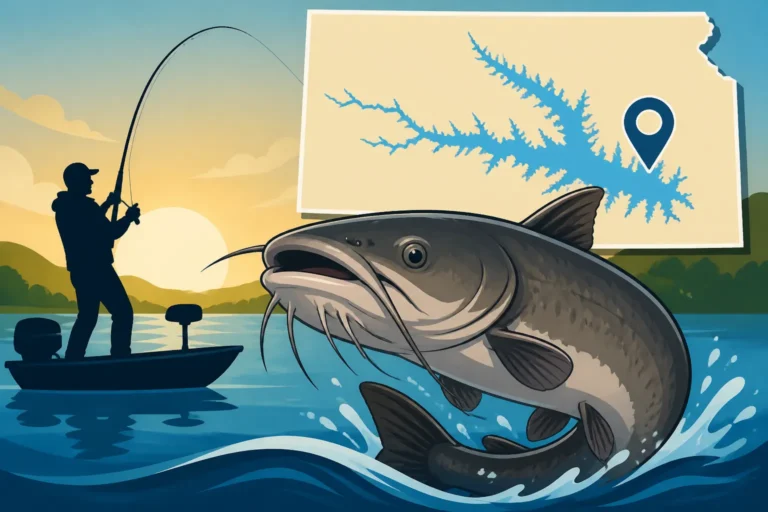
Clinton Lake is a fantastic destination for catfish enthusiasts, hosting healthy populations of channel, blue, and flathead catfish. Channel catfish are abundant throughout the lake and can be caught year-round using a variety of baits like cut bait, stink bait, worms, or chicken liver. Focus on creek channels, main lake points, and areas with current for the best results. Blue catfish, known for their size and strength, are often found in deeper areas, especially near the main river channel or the dam, and respond well to large pieces of cut bait. Flathead catfish, the true ambush predators, prefer live bait such as sunfish or shad, and are typically found near heavy cover like submerged timber or rock piles, especially during nighttime hours. Many anglers enjoy the thrill of Kansas Catfish Fishing Techniques using trotlines or jug lines for larger catches in designated areas, but traditional rod and reel fishing offers plenty of action too. If you're looking for more details on these whiskered beauties, our Kansas Catfish Species Guide breaks down each type.
Bass and Wiper: Action-Packed Encounters
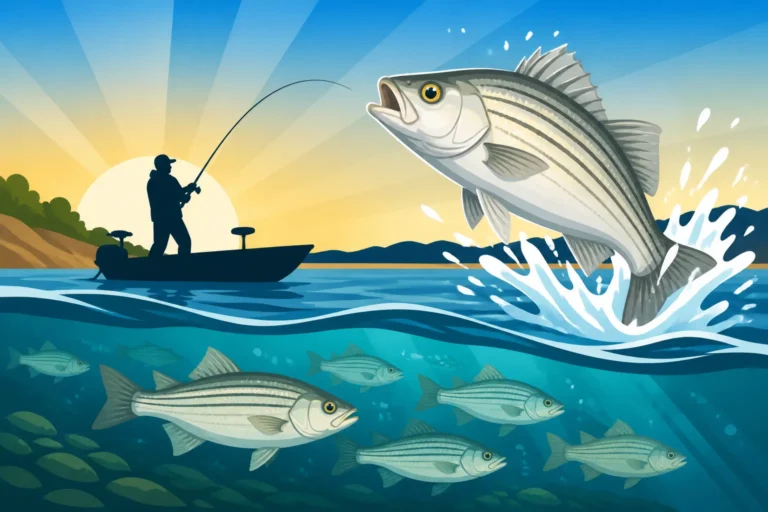
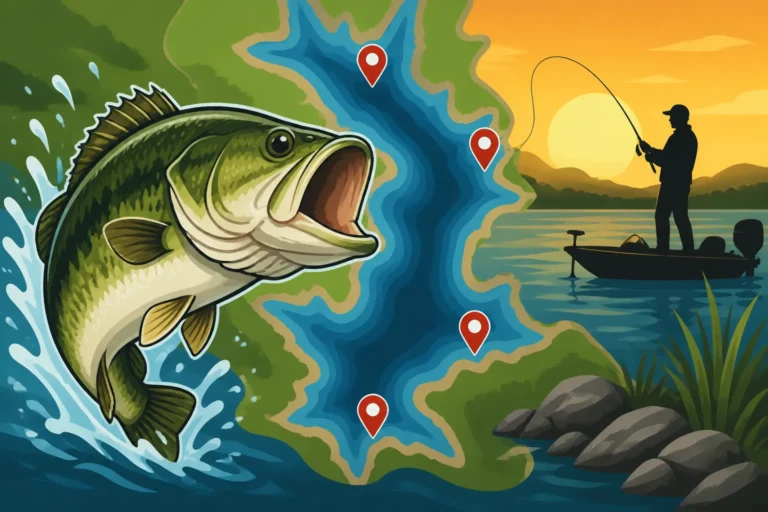
For those who love a hard-fighting fish, Clinton Lake delivers with both largemouth and smallmouth bass, and the formidable hybrid striped bass (wipers). Largemouth bass tend to inhabit the shallower, warmer coves, focusing on weed lines, lily pads, and fallen timber. Spinnerbaits, crankbaits, and soft plastics worked around this cover can entice aggressive strikes. Smallmouth bass, though less prevalent, can be found on rocky points and main lake humps. Wipers, a cross between white bass and striped bass, are schooling fish that chase baitfish in open water. They are known for their explosive strikes and powerful runs. Look for them breaking the surface when they're actively feeding, or target them by trolling spoons or large crankbaits through suspected schooling areas. They're a blast to catch and offer some of the most exciting battles on the lake.
Preparing for a Successful Trip to Clinton Lake
A little preparation goes a long way when heading out to fish, especially at a larger body of water like Clinton Lake. Knowing your gear, understanding the rules, and planning your approach will enhance your chances of a great day on the water.
Essential Gear Checklist for Kansas Waters
Your gear selection will largely depend on what species you plan to target. For general all-around fishing at Clinton, a medium-action spinning rod and reel combo spooled with 8-10 pound monofilament or braided line is a good start. For walleye, a sensitive rod capable of detecting subtle bites is crucial. Crappie anglers will want ultra-light setups for those finesse presentations. Catfish often require heavier gear, especially if you’re chasing blues or flatheads. Don't forget a well-stocked tackle box with a variety of hooks, sinkers, swivels, and specific lures or baits for your target species. A good quality net is indispensable for landing larger fish, and polarized sunglasses will help you see through the glare on the water. For boat anglers, a reliable fish finder can be a game changer for locating structure and fish.
Navigating Regulations and Licensing
Before you even cast a line, ensure you have the proper Kansas fishing license. Residents and non-residents alike are required to have a valid license if they are 16 years of age or older. Always keep your license with you while fishing. Beyond the general license, be aware of specific regulations for Clinton Lake, which can include length limits, daily creel limits, and specific rules for certain types of fishing (like trotlines or jug fishing). These regulations are in place to protect fish populations and ensure sustainable fishing for everyone. The KDWPT website is your go-to source for the most current rules and regulations. It’s always a good idea to refresh your knowledge before each season, as rules can sometimes change.
Choosing Between Boat and Bank Fishing
The choice between boat and bank fishing at Clinton Lake really comes down to personal preference, budget, and target species.
- Bank Fishing: Offers a more relaxed and accessible experience. It's cost-effective, requires minimal gear, and there are many excellent shore fishing spots around Clinton Lake, especially within Clinton State Park. You can successfully target crappie, catfish, and even walleye from the bank, particularly during the spring and fall migrations. The downside is limited access to deeper water and prime offshore structures where fish often congregate. For easy bank access, check out Best Bank Fishing Spots at Cheney Reservoir (though not Clinton, it offers similar principles of finding good bank spots) to understand what features to look for.
- Boat Fishing: Provides unparalleled access to the entire lake, allowing you to explore vast areas, troll open waters, and target fish holding on offshore structures. This is often the most effective way to consistently catch walleye, wipers, and deeper-holding crappie. However, it requires a significant investment in a boat, trailer, and associated equipment, plus the knowledge to navigate safely. Boat ramps at Bloomington and Woodridge provide excellent access for launching. Both methods can be highly rewarding, so pick the one that best suits your style and resources.
Enhancing Your Clinton Lake Experience
Fishing is more than just catching fish; it's about the experience, the learning, and enjoying the great outdoors. There are ways to make your Clinton Lake adventures even more fulfilling.
Engaging with Local Expertise and Guides
Sometimes, the best way to crack the code on a new lake, or even a familiar one, is to tap into local knowledge. Stopping by a bait shop in Lawrence or Topeka before you head out can provide invaluable, up-to-the-minute information on recent catches, hot baits, and current patterns. The folks behind the counter often have their fingers on the pulse of the lake. If you're looking for a more hands-on learning experience or want to cut down on the learning curve significantly, consider hiring a local fishing guide. Websites like FishingBooker can help you connect with experienced Kansas fishing guides who specialize in Clinton Lake, offering everything from targeted walleye trips to crappie excursions. A guided trip can teach you techniques, reveal hidden spots, and save you countless hours of trial and error, making your time on the water much more productive.
Responsible Angling and Conservation Practices
As anglers, we have a responsibility to protect the resources we enjoy. Practicing responsible angling is crucial for ensuring that Clinton Lake remains a vibrant fishery for generations to come. This includes adhering to all length and creel limits, properly handling fish you intend to release to maximize their survival, and never leaving trash or discarded fishing line behind. Consider using barbless hooks for catch-and-release fishing, and always take measures to prevent the spread of aquatic invasive species, such as zebra mussels, by cleaning, draining, and drying your boat and gear after each outing. These simple steps ensure the health of the lake and its inhabitants.
Exploring Other Fishing Near Topeka
While Clinton Lake is undoubtedly the closest major fishing destination for Topeka residents, it’s not the only option. Depending on what you're looking for, other nearby waters can offer different experiences, from quiet community ponds to the meandering Kansas River.
Smaller Topeka-Area Lakes and Ponds
If Clinton Lake feels a bit too grand, or you're just looking for a quick, low-key fishing trip without a boat, there are several smaller community lakes and urban ponds right in the Topeka area. Lake Shawnee, located within Topeka itself, offers decent fishing for channel catfish, crappie, and bass, and has plenty of bank access and piers. Shawnee County Lake (also known as Lake Shawnee), is another popular spot with various fishing opportunities. These smaller waters are often stocked by KDWPT as part of their Community Fisheries Assistance Program, providing easy access to fishing for families and beginners. While they might not offer the trophy potential of a large reservoir, they're perfect for a couple of hours of peaceful angling close to home. Kansas Community Fishing Lake Rules might apply to some of these smaller urban lakes, so it's always good to check.
The Allure of the Kansas River
For a completely different fishing experience, the Kansas River, or "Kaw" as locals call it, flows right past Topeka and offers excellent opportunities, particularly for catfish. The river is renowned for its big channel and flathead catfish, and even some impressive blue catfish. Fishing the Kansas River requires a bit of a different approach than lake fishing, often involving current, snags, and finding deeper holes or current seams. Access points can be found at various public lands along the river, including Kaw River State Park just west of Topeka. Bank fishing with heavy gear and cut bait or live bait is common, especially in the evening or at night. If you're looking to target a truly large catfish, the Kaw can deliver. Dive deeper into river fishing with our Kansas River Fishing Guide.
Clinton Lake Species Snapshot
Here’s a quick overview of what you can expect from the main game species at Clinton Lake:
| Species | Best Seasons | Primary Techniques | Recommended Bait/Lures | Key Locations at Clinton Lake |
|---|---|---|---|---|
| Walleye | Spring, Fall | Trolling, Jigging | Crankbaits, Jigs, Nightcrawlers | Rocky points, Dam face, Submerged humps |
| Crappie | Spring, Fall | Jigging, Live Bait | Small jigs, Minnows | Shallow coves, Brush piles, Standing timber |
| Channel Catfish | Spring, Summer, Fall | Bottom Fishing | Cut bait, Stink bait, Worms | Creek channels, Main lake points, Current breaks |
| Blue Catfish | Summer, Fall | Bottom Fishing | Large cut bait | Deeper channels, Near the dam |
| Flathead Catfish | Summer (Night) | Live Bait | Live sunfish, Shad | Heavy timber, Rock piles, Deep holes |
| Largemouth Bass | Spring, Summer, Fall | Casting, Flipping | Spinnerbaits, Crankbaits, Soft plastics | Coves, Weed lines, Fallen timber |
| Wiper (Hybrid Striper) | Spring, Summer, Fall | Trolling, Casting, Jigging | Spoons, Large crankbaits, Swimbaits | Open water, Chasing baitfish, Near dam |
Disclaimer
Please be aware that fishing conditions, regulations, and fish populations can change. Always consult the official Kansas Department of Wildlife, Parks and Tourism (KDWPT) website or publications for the most current and accurate information before planning your fishing trip. Local conditions, weather, and water levels can significantly impact fishing success.