Best Smallmouth Bass Spots in Kansas
If you've ever tried to chase down smallmouth bass in Kansas, you know it can feel like looking for a needle in a haystack compared to their largemouth cousins. Many anglers get frustrated because the Sunflower State isn't exactly famous for its "bronze backs." But don't despair! While they might be a bit more elusive, smallmouth bass do thrive in specific, often overlooked niches across Kansas, and this guide is here to help you uncover those prime locations and the tactics to catch them.
The Allure of Smallmouth Bass in Kansas
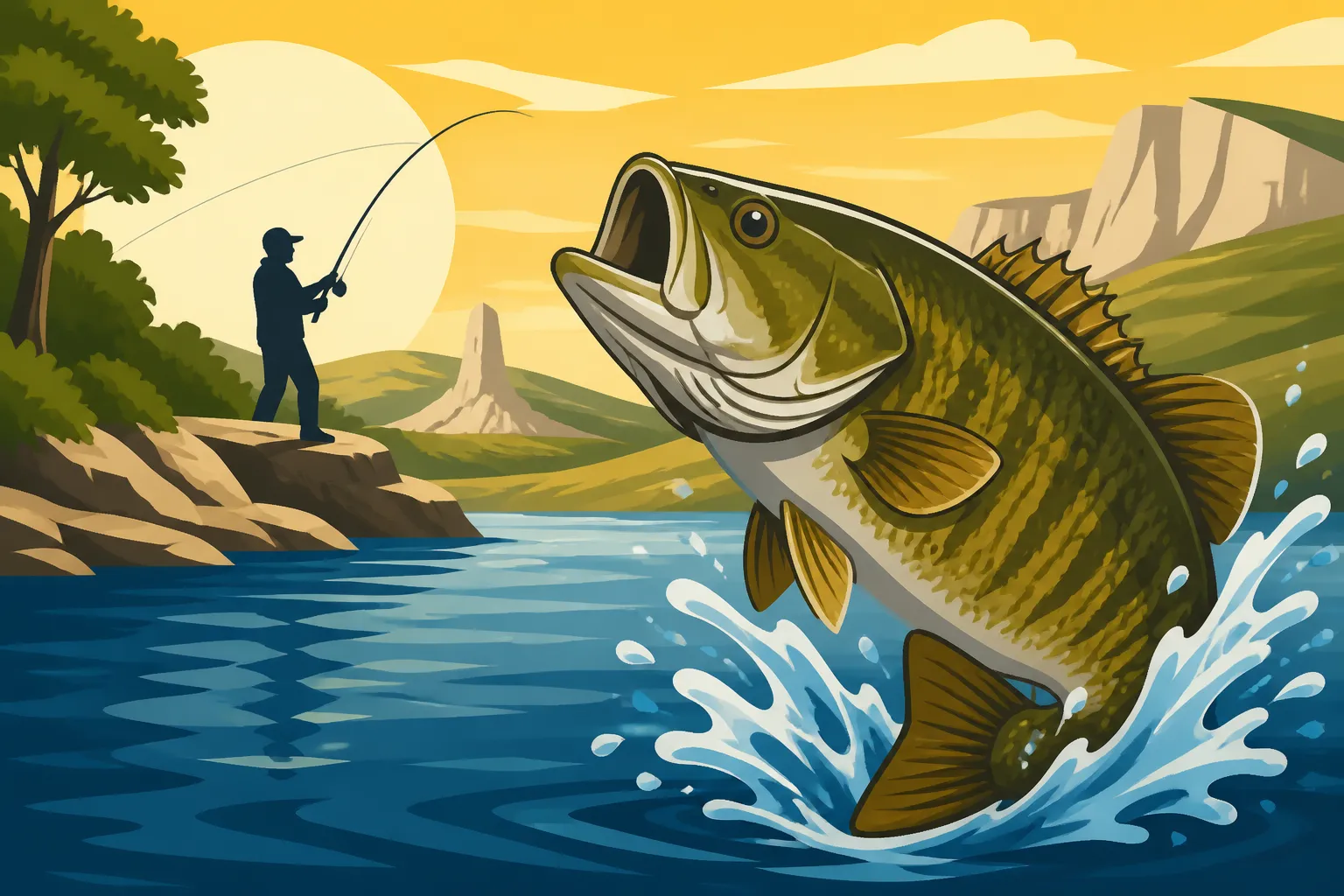
Smallmouth bass, often called "bronze backs" or "brown bass," are revered by anglers for their incredible fighting spirit and acrobatic leaps. Unlike the more common largemouth bass, which prefer weed beds and sluggish water, smallmouth thrive in clear, cool, rocky environments with good current. This specific habitat preference makes them a unique challenge in Kansas, a state more known for its vast, often turbid reservoirs and meandering plains rivers.
Why Smallmouth Bass Are a Unique Challenge
Targeting smallmouth bass in Kansas isn't just about catching a fish; it's about embracing a distinct angling experience. These fish are powerful fighters, known for their relentless runs and aerial displays once hooked. They punch well above their weight, often making a 2-pound smallmouth feel like a 5-pound largemouth. This fierce tenacity is why so many anglers dedicate themselves to finding them, even in places where they are not the dominant species. Their elusive nature in Kansas only adds to their appeal; landing one feels like a significant accomplishment.
Moreover, smallmouth bass are highly sensitive to water quality and habitat, meaning they are often indicators of healthy ecosystems. Their presence typically signifies clear, oxygen-rich waters with plenty of rocky cover. For the discerning angler, successfully locating and catching a Kansas smallmouth means you've truly understood the subtle nuances of the local aquatic environment. It's a testament to patience, observation, and adaptability, skills that every seasoned angler values deeply.
Understanding Smallmouth Habitat Preferences
Smallmouth bass are particular about where they live, a characteristic that defines their distribution in Kansas. They are creatures of rock, current, and clear water. Think about clear lakes with extensive rocky shorelines, riprap banks, points, and humps. In rivers, they'll gravitate towards current breaks, eddies behind boulders, ledges, and gravel bars. These aren't the mucky, slow-moving backwaters where you'd typically find a largemouth lurking.
The key to finding smallmouth is understanding their need for structure and flow. They use rocks for ambush points, protection from predators, and spawning. Current brings them food and keeps the water oxygenated. This contrasts sharply with largemouth bass, which often prefer heavy vegetation, submerged timber in stagnant coves, or muddy bottom transitions. Recognizing these distinct preferences is the first step to unlocking Kansas's hidden smallmouth potential. If you're looking to dive deeper into all the fish you can find, our comprehensive guide to Kansas Fish Species Guide offers a broader look at the aquatic life in the state.
Top Smallmouth Bass Hotspots Across Kansas
While smallmouth bass might not be as widespread as other species in Kansas, several locations consistently offer excellent opportunities for anglers willing to seek them out. These spots share common characteristics: clear water, ample rocky structure, and often some degree of current or wave action that mimics riverine environments. Knowing these places is half the battle; the other half is understanding how to fish them effectively.
Western Kansas Gems: Wilson Lake and Lovewell Reservoir
When you talk about smallmouth in Kansas, two names immediately jump to mind in the western half of the state: Wilson Lake and Lovewell Reservoir. These bodies of water are anomalies in the largely flat, often turbid plains, offering unique conditions that smallmouth absolutely thrive in. If you're planning a trip, considering a guide from a platform like FishingBooker can give you a significant advantage, especially if you're new to these specific waters.
Wilson Lake: The "Clearest Lake in Kansas"
Wilson Lake, often heralded as the "clearest lake in Kansas," is hands down the premier destination for smallmouth bass. Its deep, clear waters and extensive sandstone bluffs and rock formations provide an ideal habitat. Anglers targeting smallmouth here should focus on the main lake points, rocky outcroppings, the dam face, and any areas with significant riprap. The lake's abundant rocky structure creates countless ambush points and protective cover for smallmouth.
During cooler months, smallmouth will often suspend near deeper rock ledges and drop-offs, while in spring and fall, they move shallower to feed and spawn. The areas around Lucas Park and the Hell Creek area are particularly renowned for their smallmouth populations. When you're out there, pay close attention to submerged rock piles and transitions from rock to sand or gravel. You can find more detailed information about fishing this gem in our Wilson Lake Fishing Guide.
Lovewell Reservoir: A Northern Kansas Smallmouth Haven
Nestled in north-central Kansas, Lovewell Reservoir is another fantastic spot for smallmouth, though often overshadowed by Wilson. This lake also boasts clear water and rocky shorelines, making it a suitable home for bronze backs. While perhaps not as abundant as Wilson, Lovewell offers a legitimate chance at quality smallmouth, especially if you focus on the correct areas.
Key areas at Lovewell include the dam face, rocky points, and areas with riprap or natural rock rubble. The lake can experience significant wind, which helps create current and oxygenates the rocky banks, drawing smallmouth closer to shore. Look for schools of baitfish congregating near these structures, as smallmouth will be close by, actively feeding. Lovewell offers a quieter, less pressured experience than some of the larger reservoirs, providing a peaceful pursuit for these feisty fish. Check out our Lovewell Reservoir Fishing Guide for more tips on this location.
Eastern Kansas Opportunities: Clinton Lake and the Kansas River
While western Kansas might hold the crown for lake-dwelling smallmouth, the eastern part of the state offers its own unique opportunities, particularly at Clinton Lake and, surprisingly, the Kansas River itself. These locations present different challenges and rewards, catering to anglers who appreciate diversity in their fishing adventures.
Clinton Lake: Rocky Points and Clear Water Sections
Clinton Lake, located near Lawrence, primarily known for its largemouth and crappie, also harbors a respectable smallmouth population, especially in its clearer water sections. The key here is to differentiate between the turbid feeder creeks and the clearer main lake body. Smallmouth will gravitate towards the rockier, clearer areas, particularly along the main lake points, bluffs, and the dam. Any area with riprap or significant rock bottom will be a potential holding spot.
The lake's varied structure, including submerged timber in certain areas, combined with rocky edges, can make finding smallmouth a bit of a treasure hunt. Focus your efforts on the bluff lines, main lake points that extend into deeper water, and the riprap surrounding bridges or causeways. These structures offer the combination of cover, depth, and forage that smallmouth desire. You might find them mixed in with largemouth, but their fighting style will quickly give them away! For a comprehensive look at this lake, refer to our Clinton Lake Fishing Spots guide.
Kansas River: River Smallmouth in the Current
The Kansas River, or "Kaw," stretching across the northern part of the state, offers a completely different, often overlooked, smallmouth experience. River smallmouth are typically leaner, meaner, and incredibly powerful due to constantly fighting current. They prefer areas with good current flow, rocky bottoms, and structural elements like bridge pilings, log jams, and current seams.
Fishing the Kaw for smallmouth requires a different approach. Focus on eddies and slack water immediately downstream of obstacles where smallmouth can rest and ambush prey. Access points can be found in various towns like Lawrence, Topeka, and Manhattan. While catching a trophy smallmouth in the Kaw can be challenging, the reward is immense. The experience of battling a hard-fighting river smallmouth in the heart of Kansas is truly unforgettable. If you're adventurous enough to tackle this river, our Kansas River Fishing Guide has valuable insights to offer.
Other Notable Mentions for Smallmouth Bass
While Wilson, Lovewell, Clinton, and the Kansas River are the primary targets, Kansas has other waters where smallmouth might occasionally turn up, especially if conditions are right. These spots might not be known for booming populations, but they can offer pleasant surprises for dedicated anglers.
Other smaller state lakes and community lakes that have clear water and rocky structures, perhaps due to erosion control or deliberate stocking, could hold smaller populations. For instance, some sections of Melvern Lake or Kanopolis Lake, particularly around their riprap-lined dams or rocky points, could produce a few smallmouth. However, these are often opportunistic catches rather than targeted fisheries. It's always a good idea to check local fishing reports and regulations for specific impoundments before heading out.
When exploring these lesser-known spots, look for similar habitat: clear water, defined rocky structure, and any form of current or consistent wave action. A platform like FishingBooker might also list local guides who know the ins and outs of these more obscure, yet potentially rewarding, locations for smallmouth. Remember that smallmouth are often a byproduct in these lakes, so manage your expectations but enjoy the chase!
Essential Techniques and Tackle for Kansas Smallmouth
Once you've identified a promising smallmouth spot, the next step is to understand the best techniques and tackle to entice these feisty fish. Smallmouth fishing differs significantly from largemouth, demanding more finesse, precise presentations, and an understanding of their predatory nature in rocky, often current-driven environments.
Go-To Lures and Baits for Rocky Structures
Smallmouth bass are opportunistic predators, but they often key in on baitfish and crayfish found around rocky structures. Therefore, your lure selection should reflect these food sources.
When fishing around riprap and rocky points, small crankbaits in natural baitfish colors (shad, crawfish patterns) are incredibly effective. Look for those with a tight wobble that can deflect off rocks without hanging up too easily. Jerkbaits, particularly those suspending at various depths, are also deadly, especially in cooler water. Their erratic, darting action mimics an injured baitfish, triggering aggressive strikes. Brands like Rapala and Lucky Craft are popular choices among smallmouth enthusiasts.
Soft plastics rigged on jig heads are perhaps the most versatile for smallmouth. Tube jigs, grubs, and small swimbaits in natural greens, browns, and whites can imitate both baitfish and crayfish. Experiment with different jig head weights to match the depth and current. For river smallmouth, small spinnerbaits or inline spinners can also be highly productive, especially when fished through current seams and around submerged logs. Our guide on Best Lures for Kansas Walleye can also offer some crossover ideas, as walleye and smallmouth often share similar habitat and react to similar baitfish imitations.
Best Fishing Strategies for Current and Clear Water
Fishing for smallmouth in clear water and current requires stealth and precision. Unlike largemouth that might ambush from heavy cover, smallmouth in clear water can be spooky. Longer casts are often necessary to avoid spooking fish.
When fishing in current, position your boat or yourself upstream and cast downstream, allowing your lure to drift naturally into eddies or behind current breaks. Smallmouth will typically face into the current, waiting for food to be swept to them. Work your lures slowly, maintaining contact with the bottom or structure, as bites can often be subtle taps. In clear lakes, focus on covering water methodically along rocky shorelines, points, and humps. Fan casting from different angles can help you locate where fish are holding.
Timing can also be crucial. Early mornings and late evenings, or overcast days, often provide the best bite in clear water as the reduced light makes fish less wary. If you're looking for general tips on when fish are most active, you might find our insights on the Best Time of Day to Fish in Kansas helpful for planning your trips. Utilizing a fishing app or a local guide through platforms like FishingBooker can provide real-time advice on patterns and hot spots.
Gear Recommendations for Smallmouth Anglers
Having the right gear makes a huge difference when pursuing smallmouth, especially given their fighting prowess and preferred habitat. You don't need highly specialized equipment, but a thoughtful setup will increase your success and enjoyment. Our general Kansas Fishing Gear Guide offers a broader look at essential equipment.
For rods, a medium-light to medium power spinning rod, typically 6'6" to 7' long, with a fast action, is ideal. This setup provides the sensitivity to feel subtle bites and the backbone to handle strong runs. A good quality graphite rod is preferred for its sensitivity. Pair this with a reliable spinning reel in the 2000-3000 size range, spooled with 6-10 lb fluorocarbon line or 10-15 lb braided line with a 6-8 lb fluorocarbon leader. The fluorocarbon is nearly invisible in clear water and provides excellent abrasion resistance against rocks, while the braid offers superior casting distance and sensitivity. For a deeper dive into rod and reel choices, check out our guide on the Best Rods and Reels for Kansas Fishing.
Additionally, consider a sturdy landing net, especially if you're targeting larger smallmouth, as they can be quite feisty at the boat or bank. Polarized sunglasses are also a must for spotting structure and fish in clear water, allowing you to "read" the water better. Lastly, always carry extra leader material and a selection of jig heads in various weights to adapt to changing conditions.
Smallmouth Bass Hotspots Overview
To help you visualize and compare the primary smallmouth bass locations in Kansas, here's a quick overview:
| Location | Primary Habitat Features | Water Clarity | Key Techniques | Best Time of Year |
|---|---|---|---|---|
| Wilson Lake | Extensive rocky points, bluffs, riprap, ledges | Very Clear | Crankbaits, jerkbaits, tube jigs, drop-shot | Spring, Fall |
| Lovewell Reservoir | Rocky dam face, points, riprap | Clear | Jigs, crankbaits, spinnerbaits | Spring, Fall |
| Clinton Lake | Rocky main lake points, bluffs, riprap | Clear to Moderate | Jigs, small crankbaits, swimbaits | Spring, Early Summer, Fall |
| Kansas River (Kaw) | Current breaks, bridge pilings, rocky bottom, eddies | Moderate to Turbid | Jigs, spinnerbaits, crankbaits | Late Spring, Summer, Early Fall |
Remember, while these are the prime spots, smallmouth can be found in other smaller impoundments with similar characteristics. Always stay observant and willing to experiment with your techniques.
Navigating Regulations and Access for Kansas Smallmouth
Fishing in Kansas, like any state, comes with its own set of rules and regulations. When targeting smallmouth bass, it's crucial to be aware of statewide fishing regulations and specific rules that might apply to the lakes and rivers mentioned. Most of these prime smallmouth locations are within state parks or public access areas, which may have additional guidelines or permit requirements.
First and foremost, you'll need a valid Kansas fishing license. The Kansas Department of Wildlife, Parks, and Tourism (KDWP) website is your best resource for current license information, costs, and purchasing options. You can find detailed information about obtaining your license in our Kansas Fishing License Guide. Keep an eye on the specific length and creel limits for smallmouth bass, as these can vary by water body and are subject to change. While general statewide limits exist, some lakes might have special regulations to protect or enhance their smallmouth populations.
For locations like Wilson Lake and Clinton Lake, which are often within state park boundaries, you may also need a state park vehicle permit in addition to your fishing license. Our Kansas State Park Fishing Permit Rules guide can clarify these requirements. Always check signage at boat ramps and access points, as they often display current regulations. Being prepared and informed not only keeps you compliant with the law but also helps ensure the sustainability of these precious smallmouth fisheries for future generations.
Disclaimer
Please note that fishing conditions, regulations, and fish populations can change. Always consult the latest Kansas Department of Wildlife, Parks, and Tourism (KDWP) regulations before heading out on your fishing trip. This guide is intended for informational purposes only and does not constitute legal advice.