Kansas Spring Fishing Guide
Ah, spring in Kansas! There's nothing quite like that first whisper of warmer weather after a long, cold winter, when the urge to get out on the water becomes almost unbearable. But let's be honest, spring fishing can also be a rollercoaster – one day it's sunny and mild, the next you're bundled up against a biting wind. It's frustrating when you hit the lake expecting a bite and get nothing, or when you're just not sure which species are active. This guide is here to cut through that confusion, helping you understand the nuances of spring fishing in Kansas so you can finally enjoy those glorious, productive days on the water.
Why Spring is Prime Time for Kansas Anglers
Spring isn't just a season; it's an awakening for everything outdoors, and that includes our finned friends. After months of sluggish activity under cold water, the warming trends of March, April, and May trigger instinctual behaviors that make fish much more accessible and aggressive. If you've been cooped up dreaming of bending a rod, this is truly your moment.
The Biological Urge: Spawning Season Dynamics
Many of Kansas's most popular game fish go through their spawning rituals in the spring, which means they move into predictable, shallower areas and often become less wary. This biological imperative drives them to feed aggressively both before and after spawning to build up or replenish their energy reserves. For anglers, this translates to some of the most consistent action of the year.
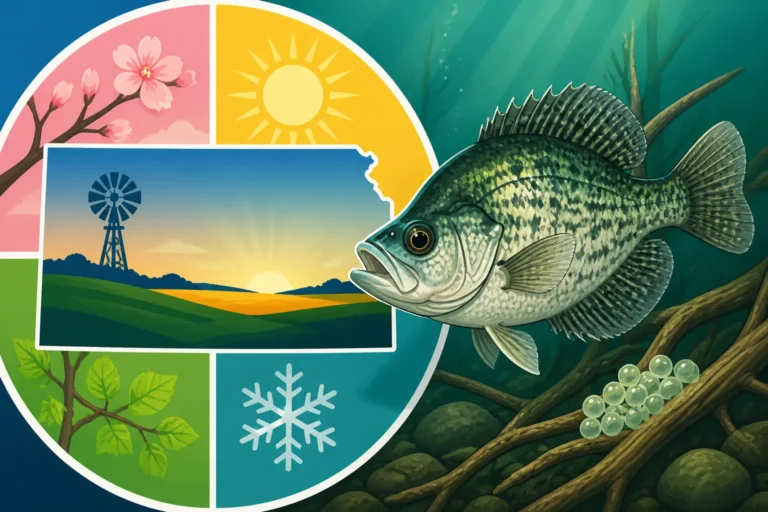
Think about crappie, for instance. As water temperatures climb into the 50s and 60s, these panfish migrate from their deeper winter haunts to brush piles, submerged timber, and weed beds in shallow coves. They're focused on procreation, and if you can find their nests, you can often find them in numbers. Similarly, walleye make their annual pilgrimage to rocky shorelines, dam faces, and river stretches with current, often congregating in large schools. The iconic white bass run on rivers like the Republican and Kansas Rivers sees these aggressive fighters packing into specific areas as they push upstream to spawn. Understanding these natural cycles is the first step to unlocking incredible spring fishing. It's not just about luck; it's about anticipating these biological clocks.
Post-Winter Feeding Frenzy: Increased Fish Activity
Beyond spawning, the overall metabolic rate of fish increases significantly as the water warms. Just like us, after a period of lower activity, they're ready to get moving and find food. Baitfish become more active, insects hatch, and the entire aquatic food chain kicks into high gear. This means fish are expending more energy, which in turn means they need to eat more frequently and aggressively.
This translates to longer feeding windows and a greater willingness to strike. You might find bass moving from deep winter structure to shallower staging areas, actively hunting for prey. Catfish, though they spawn a bit later in early summer, start to shake off their winter lethargy and begin to patrol flats and channels for an easy meal. This heightened activity makes them more susceptible to a wider range of baits and presentations, offering diverse opportunities whether you prefer artificial lures or live bait. The key is often finding where that food source is concentrated, as the game fish won't be far behind.
Comfortable Temperatures and Scenic Beauty
Let's be real, part of the joy of fishing isn't just catching fish; it's being out there. Spring in Kansas offers some of the most pleasant weather conditions for anglers. The harsh cold of winter has receded, and the scorching heat of summer hasn't yet arrived. Days are often mild, with comfortable air temperatures that make a full day on the water enjoyable without extreme discomfort.
Beyond the comfortable temperatures, the Kansas landscape bursts back to life in spring. Trees regain their leaves, wildflowers bloom, and migratory birds return, adding a vibrant backdrop to your fishing adventures. The mild breezes, the sight of bald eagles returning to their nests at Milford Lake, or the serene calm of a glassy morning on Cheney Reservoir – these moments add an irreplaceable dimension to your fishing experience. It’s a time when you can truly appreciate the beauty of nature while pursuing your passion.
Understanding Kansas Spring Weather and Water Conditions
Kansas weather is notoriously fickle, and spring is perhaps the most dramatic example. One day can feel like summer, the next can plunge you back into winter. These rapid shifts directly impact fish behavior, making it crucial for anglers to pay close attention to both the forecast and on-the-water conditions. Ignoring these signs is a surefire way to have a frustrating day.
Fluctuating Temperatures and Cold Fronts
Spring in Kansas is defined by wild temperature swings. A warm rain can bring water temperatures up several degrees overnight, signaling fish to move shallow. Then, a sharp cold front can blow through, dropping air temperatures and pushing surface water temperatures back down. This is particularly tough because fish often react by becoming lethargic and moving back to deeper water or dense cover.
When a cold front hits, that hot bite you found yesterday might vanish. Fish tend to hug the bottom, become less willing to chase, and often bite much more subtly. The key here is adaptability. If the bite slows, consider slowing down your presentation, using smaller baits, or targeting deeper contours where temperatures are more stable. Understanding how these fronts affect various species – for example, how walleye might drop off rocky points into adjacent deeper water – is critical for consistent success. This isn't the time to be stubborn with your preferred technique.
Water Levels and Clarity: Impact of Spring Rains
Spring rains are a double-edged sword for Kansas anglers. They can bring much-needed fresh water, increase current in rivers, and flush new nutrients into lakes, often triggering aggressive feeding. However, excessive rain can lead to rapidly rising water levels and, more significantly, murky or muddy conditions. Different species react differently to these changes.
For species like crappie and catfish, a bit of color in the water can actually be beneficial, as it provides cover and often concentrates baitfish. Catfish, especially, thrive in current and dirtier water, using their keen sense of smell. On the other hand, sight-feeding predators like walleye and even bass can struggle in extremely muddy water, making them harder to locate and entice. High water can also push fish into flooded vegetation or cover that's usually dry, scattering them. When facing high, muddy water, focus on areas where clearer water might be entering, like the mouths of feeder creeks after the initial runoff, or target species that prefer these conditions. You might find success by targeting the current seams or eddies where debris gathers, as fish will often congregate there for an easy meal.
Decoding Water Temperature for Species Activity
Water temperature is arguably the most critical factor in spring fishing, acting as a direct trigger for spawning, feeding, and migratory patterns. Even a difference of a few degrees can dictate where fish are holding and how active they'll be. Anglers who invest in a reliable water thermometer and use it regularly will significantly increase their success.
For example, crappie generally start their serious shallow water movement when temperatures consistently hit the mid-50s (around 55°F) and typically spawn in the low to mid-60s. Walleye prefer cooler temperatures, often spawning in the low to mid-40s. White bass runs are often triggered by river temperatures hitting the upper 40s to low 50s. If you're fishing a lake with varied depths and cover, finding the "magic" temperature zone can concentrate fish. Often, the warmest water in a large reservoir, like shallow north-facing coves that get more direct sunlight, will hold the most active fish earliest in the spring. Using a fish finder to locate these temperature breaks, or even just checking surface temps in different areas of a lake, can provide invaluable clues.
| Species | Key Spring Water Temp (F) | Spawning Temp (F) | Preferred Habitat (Spring) | Common Spring Baits/Lures |
|---|---|---|---|---|
| Crappie | 50-65 | 60-68 | Shallow brush, submerged timber, docks | Jigs, minnows, small crankbaits |
| Walleye | 40-55 | 44-52 | Rocky points, dam faces, current areas | Jigs, crankbaits, live bait rigs |
| White Bass | 45-60 | 50-65 | River runs, main lake points, current | Spinners, small crankbaits, jigs |
| Largemouth Bass | 50-70 | 62-68 | Shallow cover, weed lines, warming coves | Jigs, plastics, spinnerbaits, crankbaits |
| Channel Catfish | 55-75 | 70-75 | Channel edges, flats, woody cover | Cut bait, stink bait, shrimp |
Top Fish Species to Target in Kansas Spring
Spring truly is a smorgasbord for anglers in Kansas, with several key species becoming incredibly active and offering fantastic opportunities. Knowing which fish are doing what, and when, is like having a secret roadmap to success.
Crappie: From Pre-Spawn to Post-Spawn
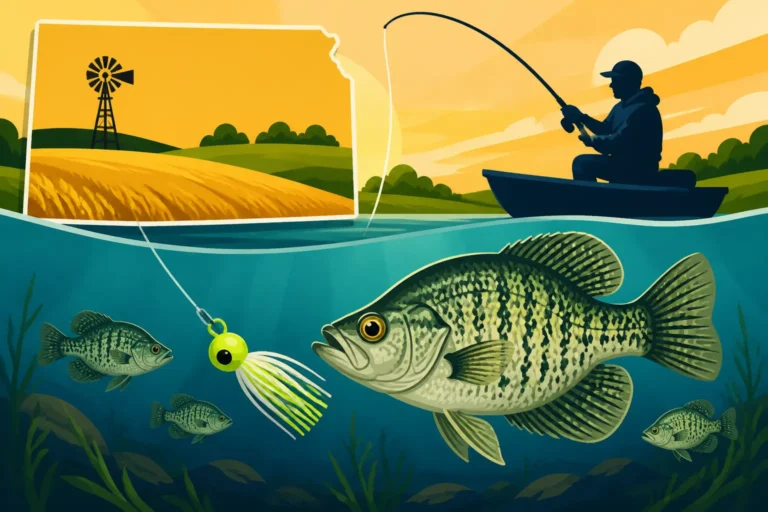
Crappie are arguably the poster child for spring fishing in Kansas. Their entire spring cycle, from pre-spawn staging to the actual spawn and then a post-spawn recovery, provides continuous action. Early spring, as water temperatures creep into the low 50s, crappie begin to move from deep winter haunts to staging areas near creek channels, submerged brush piles, and timber lines adjacent to their future spawning grounds. They're often suspended, looking for food before committing to the shallower water.
As temperatures hit the mid-50s to low 60s, the crappie push into incredibly shallow water, often less than 5 feet deep, to spawn. They'll be found around any available cover: flooded timber, cattails, boat docks, and brush. This is when the bite can be absolutely lights-out, as they aggressively guard their nests. Small jigs (1/32 to 1/8 ounce) tipped with a minnow or a soft plastic grub are deadly. Don't forget to check out our detailed guide on Kansas Spring Crappie Fishing Tips for even more specialized advice. After the spawn, they'll often pull back slightly to deeper cover nearby, recuperating and still feeding actively, albeit sometimes a bit more spread out.
Walleye: Rocky Points and Spawning Runs
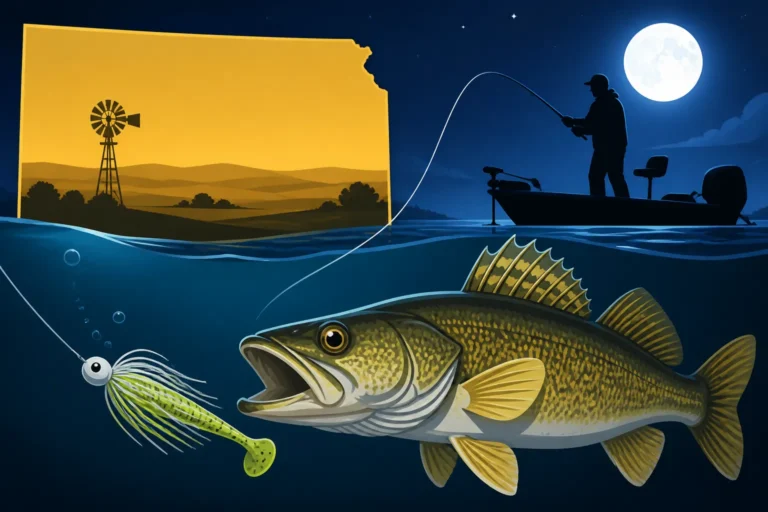
The walleye bite in Kansas in spring can be legendary, especially for anglers who understand their behavior. Walleye are cool-water spawners, typically moving to their spawning grounds when water temperatures are in the mid-40s to low 50s, often as early as March. They favor rocky areas with current, such as riprap along dam faces, rocky points, and submerged humps on large reservoirs like Wilson Lake or Milford Lake.
During the pre-spawn and spawn, walleye congregate heavily in these areas, offering an excellent opportunity for anglers willing to brave potentially cooler weather. Jigging with live minnows or paddle-tail grubs, slowly trolling crankbaits along contours, or even casting stickbaits after dark can be incredibly effective. After spawning, they'll disperse and often move to deeper main lake points and humps to feed. They're still hungry, just spread out more. For those chasing these elusive, toothy predators, our article on Kansas Spring Walleye Fishing Tips dives deep into specific tactics.
White Bass: The Energetic River Runs
If you're looking for sheer volume and fast-paced action, the Kansas white bass run is an event you simply cannot miss. Triggered by warming water and increasing flow in rivers, these schooling fish migrate upstream from reservoirs into feeder rivers and larger creeks to spawn. This typically happens from late March through May, depending on the specific water body and weather.
Popular spots include the Republican River above Milford Lake and the Arkansas River in the western part of the state. When the run is on, white bass can be found in massive schools, aggressively hitting almost anything that moves. Small inline spinners, spoons, lipless crankbaits, and white or chartreuse jigs are incredibly effective. Look for current breaks, eddies, and shallower riffles where they concentrate. It’s not uncommon to catch dozens of fish in a single outing. Keep an eye on the Kansas White Bass Run Timing to know exactly when and where to hit this exciting phenomenon.
Catfish: Waking Up and Looking for Meals
While the peak catfish spawn is typically a bit later in early summer, spring is when these whiskered bottom-dwellers really start to shake off their winter dormancy and ramp up their feeding activity. As water temperatures climb into the mid-50s and 60s, channel catfish, in particular, become very active. They'll often move from deep winter holes into shallower flats and channel edges, particularly near areas with woody cover or current.
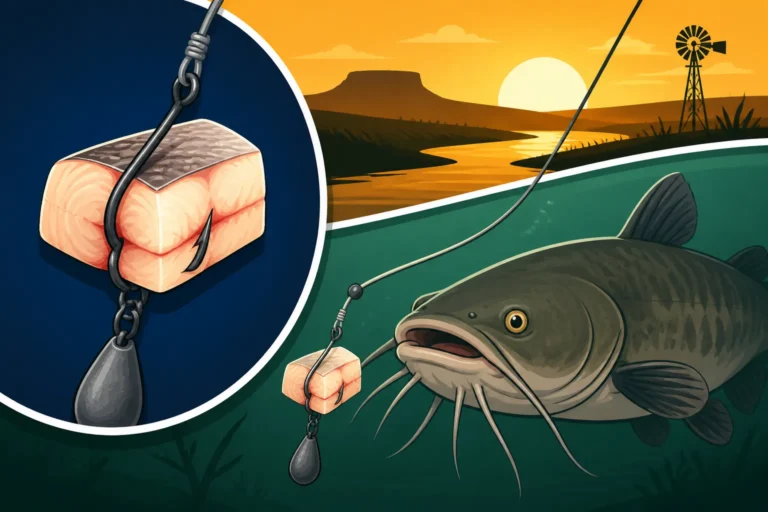
Spring rains that muddy the water can actually improve the catfish bite, as it provides them cover and stirs up food. Using stink baits, cut bait (shad or carp are excellent), or even live worms fished on the bottom with a simple slip-sinker rig can be incredibly effective. Don't overlook the main lake points and creek channels in reservoirs, or slow-moving holes in rivers. Flathead catfish, while still a bit sluggish in early spring, will also start to become more active by late spring, especially around heavy timber and rocky structure where they ambush prey.
Essential Spring Fishing Techniques and Strategies
Spring fishing demands a versatile approach. What works one week might be completely ineffective the next, thanks to the dynamic weather and water conditions. Being able to adapt your techniques is what separates the consistently successful anglers from those who only catch fish when conditions are perfect.
Mastering Shallow Water Presentations
Given that many species move shallow to spawn or feed in the warming water, mastering shallow water presentations is paramount in spring. This doesn't just mean casting into 3 feet of water; it means understanding how to present your bait effectively in these often-sensitive areas without spooking fish. For crappie, slow-trolling or casting small jigs and minnows near brush piles or docks is a classic. A simple slip bobber rig allows you to present bait precisely at a specific depth above cover.
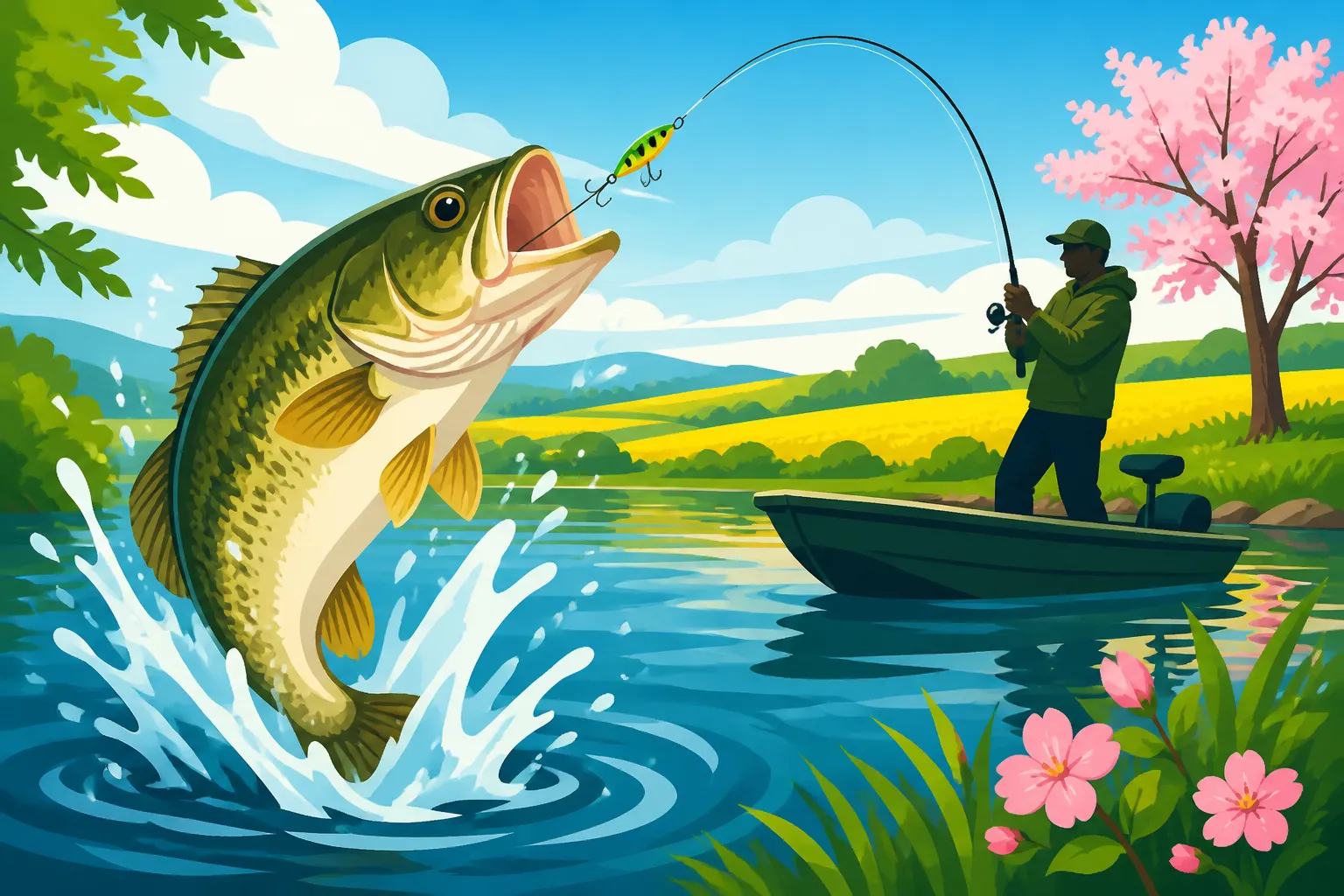
For bass, pitching jigs, Texas-rigged plastics, or spinnerbaits into submerged wood, weed lines, or rocky shorelines can be deadly. Often, these fish are tucked right up against cover, so accurate casts are crucial. Even walleye, particularly during pre-spawn, can be found shallow along rocky banks after dark. When fishing shallow, remember that fish can be skittish. Use lighter lines where practical, make longer casts, and approach quietly, especially in clear water. Sometimes, just backing off the cover by a boat length or two and making repeated casts to the edges can trigger a strike from a wary fish.
Vertical Jigging and Trolling for Deep Water Fish
While many fish move shallow, the unpredictable nature of spring often means a quick cold front can send them scurrying back to deeper, more stable water. This is where techniques like vertical jigging and trolling become indispensable. Vertical jigging, dropping a jig or spoon directly under the boat, is incredibly effective for lethargic or suspended fish.
When fish pull off shallow spawning grounds into nearby creek channels or deep structure, using your electronics to locate schools and then dropping a jig right into them can lead to success. This is particularly true for crappie, walleye, and even white bass that might be schooling over humps. Trolling crankbaits or live bait rigs is another excellent way to cover water and locate fish that are suspended or spread out along deeper contours. For instance, slow trolling deep-diving crankbaits along the channel breaks or main lake points of reservoirs like El Dorado Lake can pick up post-spawn walleye or even wipers. Your choice of lure and trolling speed will depend heavily on water temperature and target species, but having these deep-water tactics in your arsenal is crucial for those challenging post-front days.
Adapting to Changing Conditions: The Importance of Mobility
The single most important strategy for spring fishing in Kansas is adaptability. Conditions can change not just day-to-day, but hour-to-hour. A sunny morning might see fish active shallow, but a cloudy, windy afternoon could push them deeper or scatter them. Being able to change your location, your presentation, and even your target species on the fly is what makes a successful spring angler.
Don't get stuck on one spot or one technique if it's not producing. If the shallow crappie bite dies, don't be afraid to pull up stakes and try jigging a deeper brush pile for them, or switch gears entirely and target catfish in a muddy creek arm. Having a range of rods rigged with different baits (jigs, crankbaits, live bait rigs) means you can quickly switch presentations without re-tying. Furthermore, knowing how to interpret your electronics to find active fish or bait schools will give you a significant advantage. The less time you spend floundering with a technique that isn't working, the more time you'll spend with a fish on the line.
Must-Have Gear for Kansas Spring Fishing
Having the right gear isn't about having the most expensive equipment; it's about having the right tools for the job. Spring fishing often throws varied conditions at you, so a versatile and well-stocked tackle box, along with appropriate clothing, can make all the difference between a great day and a miserable one.
Versatile Rod and Reel Setups
Given the variety of species and techniques, having a few versatile rod and reel setups is a huge advantage. You don't need a dozen, but two or three different configurations will cover most spring scenarios. A medium-light spinning combo (6'6" to 7') spooled with 6-8 pound fluorocarbon or monofilament is perfect for crappie jigs, small crankbaits, and even light walleye presentations. This offers sensitivity for subtle bites and enough backbone for decent panfish.
For larger species like walleye, bass, or even medium-sized catfish, a medium-heavy spinning or casting combo (6'10" to 7'4") with 10-15 pound line is ideal. This setup provides the power to cast heavier lures, set hooks in larger fish, and handle deeper water presentations. Brands like Ugly Stik offer incredibly durable and affordable rods that can take a beating, while Abu Garcia provides reliable reels that stand up to the elements. Remember, you might be changing lures frequently, so consider easy-to-tie knots like the Palomar or improved clinch. You can often find fantastic deals on versatile rod and reel combos on platforms like Amazon, making it easy to outfit yourself without breaking the bank.
Bait and Lure Selection for Spring Species
Spring is a time for variety in your bait and lure arsenal. For crappie, tiny marabou or tube jigs (1/32 to 1/8 oz) in white, chartreuse, or black/chartreuse are staples. Live minnows, fished under a bobber or on a small jig head, are almost always effective. For walleye, bucktail jigs, paddle-tail grubs (like those from Berkley Gulp!), and slender crankbaits (Rapala Shad Raps or Berkley Flicker Shads) in natural or bright colors are top choices. Don't forget live bait rigs with leeches or minnows for those finicky walleye.
White bass will crush small inline spinners (Rooster Tails), Kastmaster spoons, and small lipless crankbaits (like a Rat-L-Trap) in chrome, white, or chartreuse. Catfish, particularly channel cats, are less picky: stink baits, cut shad, shrimp, or nightcrawlers will all produce. For flatheads, live bluegill or perch are often the preferred meal. Have a range of options, from live bait to various artificials, so you can quickly switch based on what the fish are telling you.
Essential Apparel and Safety Gear
Kansas spring weather is unpredictable, so dressing in layers is critical. You might start the morning with a heavy jacket and shed down to a t-shirt by midday. A waterproof and windproof outer shell is a must for those unexpected rain showers or chilly boat rides. Good quality waterproof boots are also essential, especially for bank fishing in muddy conditions.
Beyond comfort, safety should always be a priority. Always carry appropriate Kansas Boating Safety Equipment Requirements. This includes properly fitting life jackets for everyone on board – especially if you're fishing in cold water, as a fall overboard can quickly become life-threatening. A first-aid kit, a whistle or horn, and a fully charged cell phone (in a waterproof case) are non-negotiables. If boating, ensure your Kansas Boat Registration Guide is up to date. Don't forget sun protection, even on cloudy days: sunglasses, a wide-brimmed hat, and sunscreen will prevent painful burns and glare.
Best Kansas Lakes and Rivers for Spring Success
Kansas boasts an impressive array of fishing opportunities, and spring highlights some truly exceptional locations. Knowing where to go and what to expect from each can significantly boost your chances of a successful outing. Whether you prefer massive reservoirs, flowing rivers, or quiet community ponds, Kansas has a spring hotspot for you.
Premier Reservoir Destinations
Kansas's large reservoirs are undeniably the crown jewels for spring fishing, offering diverse habitats and abundant populations of game fish.
- Milford Lake: As the largest lake in Kansas, Milford is a powerhouse for spring angling. It's famous for its walleye bite in early spring, particularly along the riprap of the dam and rocky points near the outlet works. The white bass run on the Republican River arm, feeding into Milford, is also legendary, drawing anglers from across the state. Crappie will be found in abundance in the many coves and timbered areas as water temperatures rise. Check out our in-depth Milford Lake Fishing Guide for more specifics on spots and tactics.
- Cheney Reservoir: Located near Wichita, Cheney is another spring favorite, especially known for its walleye and wiper (hybrid striped bass) populations. The extensive riprap areas and rocky structure hold a lot of fish during the pre-spawn and spawn. Crappie fishing can also be excellent in the numerous bays and protected coves. When conditions are right, the wipers will aggressively chase baitfish, providing thrilling action. Our Cheney Reservoir Fishing Guide offers detailed insights into this popular spot.
- Wilson Lake: Known as the " clearest lake in Kansas," Wilson offers fantastic walleye and striped bass opportunities in the spring. The dramatic rock formations and clear water make for exciting fishing, though it can also make fish a bit more wary. Trolling crankbaits or casting jigs along rocky main lake points and humps are popular and effective methods. Crappie can be found in the timbered coves, particularly in the upper arms of the lake.
River Hotspots for Runs
While reservoirs get a lot of attention, Kansas rivers truly shine in spring, especially during the anticipated white bass and walleye runs.
- Republican River: This river system, especially the stretches above Milford Lake, is the place to be for the white bass run. As fish push upstream from the reservoir to spawn, they concentrate in incredible numbers in the riffles and current breaks. Anglers flock here for the fast and furious action, often catching dozens of fish in a single day. Similar runs can occur in other tributary rivers feeding into the major reservoirs.
- Kansas River (Kaw River): While not typically known for "runs" in the same way as white bass, the Kansas River offers exceptional spring fishing for channel, blue, and flathead catfish. As water temperatures rise and spring rains increase flow, these big cats become incredibly active. Focusing on deep holes, current seams, and areas with woody debris will put you on fish. Don't underestimate the potential for trophy blue cats in this mighty river.
- Arkansas River: In western Kansas, the Arkansas River can also offer good spring opportunities, particularly for catfish and even some white bass depending on flows and specific locations. While often shallower, pockets of deeper water and structure can hold impressive numbers of fish.
Community Ponds and State Fishing Lakes
Don't overlook the smaller, more accessible options across the state. These can be perfect for a quick trip or for introducing kids to spring fishing.
- Kansas State Fishing Lakes: These managed lakes, scattered throughout Kansas, are often stocked and offer excellent bank fishing opportunities for crappie, channel catfish, and bass. Many have developed amenities like fishing piers, making them very angler-friendly. In spring, the warming shallow coves and brush piles will hold active fish.
- Community Fishing Lakes: Urban and community lakes are often intensively managed by the Kansas Department of Wildlife, Parks and Tourism (KDWPT) to provide close-to-home fishing opportunities. Many are stocked with trout in the colder months, but by spring, they transition to offer good fishing for panfish, bass, and channel catfish. These smaller lakes are often among the first to warm up in spring, making them great early-season options. Check your local KDWPT office or website for stocking schedules and specific regulations for these lakes. Many of these lakes have easy bank access, making them ideal for a relaxed spring afternoon.
For a broader overview of Kansas's top fishing destinations, be sure to consult our comprehensive guide on the Best Fishing Lakes in Kansas.
Navigating Spring Fishing Regulations and Permits
Ignorance of the law is no excuse, especially when it comes to fishing regulations. Kansas has clear rules designed to manage fish populations and ensure sustainable angling for everyone. Before you cast a line this spring, make sure you understand what's required of you.
Annual License and Trout Permit Requirements
First and foremost, nearly every angler aged 16 through 74 needs a valid Kansas fishing license. There are various options, including annual resident and non-resident licenses, one-day licenses, and even five-year licenses for those committed to the sport. Spring is often when people realize their old license has expired, so check yours before you head out! You can easily purchase or renew your Kansas Fishing License Guide online through the KDWPT website, or at many sporting goods stores and bait shops, including some larger retailers.
Additionally, if you plan to target trout, which are stocked in various community and state fishing lakes during the colder months (December through April), you'll need a separate Kansas Trout Permit Guide regardless of age. This permit is required in addition to your regular fishing license. It's a small price to pay for the chance to catch those feisty rainbow and golden rainbow trout that provide excellent cold-water action in early spring.
Species-Specific Limits and Length Restrictions
Kansas implements specific creel (daily catch) limits and length limits for various fish species. These regulations are crucial for managing fish populations and promoting healthy fisheries, particularly during vulnerable periods like the spring spawn. Failing to adhere to these can result in hefty fines.
For example, walleye often have length limits (such as a 21-inch minimum at certain lakes) and strict daily bag limits (often two or five fish), especially to protect breeding stock. Crappie might have a generous daily limit (e.g., 50 fish), but often include a length limit (e.g., 10-inch minimum) to protect younger fish. Catfish species also have varying limits based on species (channel, blue, flathead). These rules can sometimes vary by specific water body, so it’s essential to consult the most current KDWPT fishing regulations summary, available online or in print wherever licenses are sold. Always check the rules for the specific lake or river you plan to fish to ensure you're compliant. Our comprehensive Kansas Fishing Regulations Explained guide delves into all these details.
Understanding State Park Permits
Many of Kansas's prime fishing locations are situated within State Parks, such as Milford State Park or Cheney State Park. While you'll have your fishing license in hand, remember that entering these parks often requires a separate State Park Vehicle Permit. This permit grants you access to park facilities, including boat ramps, fishing piers, and shoreline access points.
You can purchase daily or annual State Park Vehicle Permits. If you plan on visiting multiple parks or frequently throughout the spring and summer, an annual pass is usually the most cost-effective option. It's an easy detail to overlook, but arriving at the gate without one can cause delays or force you to turn back. Check the KDWPT website or park signage for specific requirements. This ensures a smooth start to your fishing trip without any unexpected detours.
Safety Considerations for Spring Fishing Trips
Spring fishing is exhilarating, but the unpredictable weather and water conditions can also present unique hazards. Prioritizing safety is paramount to ensure your outing is enjoyable and without incident. It's not about being overly cautious, but about being prepared and aware.
Cold Water Safety and Hypothermia Prevention
Despite warmer air temperatures, Kansas waters in early spring can still be dangerously cold. Water temperatures in the 40s or 50s can lead to hypothermia rapidly if you fall in. Hypothermia impairs your judgment and physical coordination, making it difficult to self-rescue.
Always wear a life jacket, especially if you're fishing from a boat, kayak, or float tube. It will keep you afloat and increase your survival time if you unexpectedly enter the water. Dress in layers, using synthetic materials or wool that retain insulating properties even when wet. Avoid cotton, which loses nearly all its insulating value when damp. Carry spare, dry clothing in a waterproof bag. If boating, make sure your vessel is equipped with all necessary safety gear, including a throwable flotation device and a way to signal for help. Understanding the risks of cold water exposure is crucial, even on what feels like a mild spring day.
Weather Awareness and Storm Preparedness
Spring in Kansas is synonymous with unpredictable and often severe weather. Pop-up thunderstorms, high winds, and even tornadoes are real possibilities. Always check the detailed weather forecast before heading out, and keep an eye on radar throughout the day. Never assume the weather will hold.
If you're on a large body of water like Milford Lake or Tuttle Creek Lake, high winds can quickly make conditions unsafe for smaller boats, creating dangerous waves. If you see dark clouds gathering, hear thunder, or notice a sudden drop in temperature or shift in wind direction, don't hesitate to head for shore. Have a plan for seeking shelter, and always tell someone your float plan – where you're going and when you expect to return. A portable weather radio or a reliable weather app on your phone (kept charged in a waterproof case) can be a lifesaver. Never gamble with Mother Nature; she always holds the winning hand.
Boating Safety and Equipment Checks
If you're using a boat for your spring adventures, a thorough safety and equipment check is non-negotiable before each trip. Cold water, debris from spring runoff, and increased boat traffic can all contribute to potential issues.
Ensure your boat's registration is current and all required safety equipment is onboard and easily accessible. This includes PFDs for everyone, a sounding device (horn or whistle), navigation lights (if fishing near dawn, dusk, or at night), a fire extinguisher, and visual distress signals. Check your engine and fuel lines for any issues, and make sure your battery is fully charged. Inspect your trailer, lights, and tires before towing. Always practice safe boating habits, including maintaining safe speeds, staying aware of other boaters, and avoiding alcohol. A responsible boater is a safe boater, and a safe boater ensures everyone can enjoy the bounty of spring fishing in Kansas.
Disclaimer
Please note that fishing regulations, license requirements, and local conditions can change. Always consult the official Kansas Department of Wildlife, Parks and Tourism (KDWPT) website or their current fishing regulations summary for the most up-to-date and accurate information before planning your trip. The information provided here is for general guidance and educational purposes only.