Kansas Spring Walleye Fishing Tips
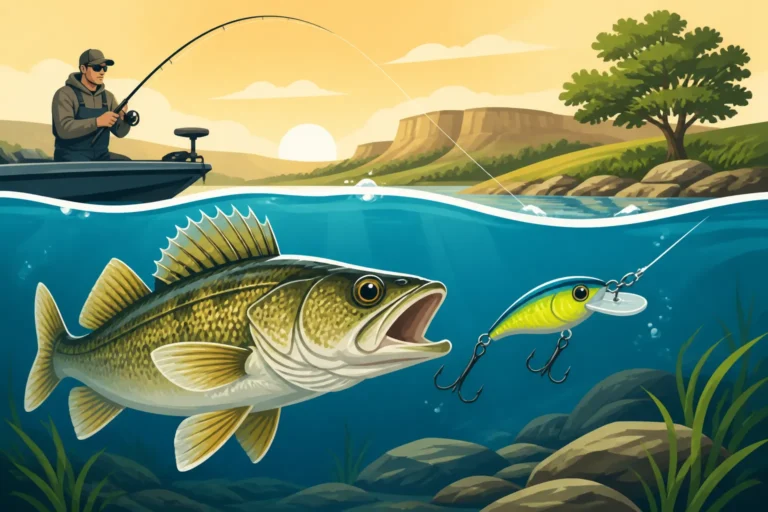
Spring walleye fishing in Kansas can be a real head-scratcher. One day you're on fire, the next it feels like the fish have completely vanished, leaving you wondering if you're doing something wrong. It’s a common frustration, especially with the wild weather swings we get here in the Heartland. This comprehensive guide is here to demystify the complexities of chasing walleye as the ice recedes and spring truly takes hold, providing you with actionable tips and strategies to increase your success on Kansas waters.
Understanding the Spring Walleye Bite in Kansas
Spring is a season of transition, and for walleye, it's all about their annual spawning ritual. Their behavior shifts dramatically from pre-spawn gorging to post-spawn recovery, and understanding these phases is key to knowing where to find them and what they're willing to bite on. It's not just about throwing out any old lure; it's about anticipating their movements and preferences.
The Pre-Spawn Rush and Early Spring Challenges
As the ice melts away, usually starting in late February or early March, walleye in Kansas begin to shake off their winter lethargy. Water temperatures are still quite cold, often in the low 40s Fahrenheit, but these fish instinctively start migrating towards their spawning grounds. They're driven by the urge to reproduce, but also by a need to replenish energy reserves after a long, cold winter. This period can be challenging because while the fish are active, they might be spread out, making them harder to locate. You're often looking for those crucial staging areas where they gather before moving onto the actual spawning beds.
Think about those windy points and rocky shorelines that receive a lot of sunlight; these spots warm up just a touch faster, attracting baitfish and, consequently, hungry walleye. Creek channels and submerged humps leading into shallower spawning areas are also prime locations. During this time, the walleye are often concentrated, but they can be finicky. They’re not always in a chasing mood, preferring a slower presentation. Anglers often find success fishing deep edges where the main lake basin meets these staging areas. Persistence is really the name of the game here, and being willing to cover a lot of water with your electronics can make a huge difference.
Peak Spawning Window and Location Clues
The actual spawning period for walleye in Kansas typically occurs when water temperatures reach the upper 40s to low 50s Fahrenheit, usually from late March through mid-April, depending on the specific lake and spring weather patterns. During this brief window, male walleye move into shallow, rocky areas – often shorelines, riprap, or gravelly points – to await the females. Females will join them, deposit their eggs, and then typically retreat to slightly deeper water to recover. For a few days during the absolute peak, the fish can be so focused on spawning that they're difficult to catch, often ignoring lures altogether.
However, just before and immediately after the peak spawn, fishing can be incredible. Look for areas with clean, hard bottoms, particularly those with rock or gravel. Riprap along dam faces, causeways, or bridge abutments are classic spots. On lakes like Milford Lake, the rocky banks and submerged humps near the dam can be hotspots. The walleye won't be in the absolute shallows all day; they often move up to spawn under the cover of darkness or low light, then pull back to the nearest deep water during the day. This is when knowing the Kansas Fishing Seasons and Limits becomes crucial, as certain areas or times might have specific restrictions to protect spawning fish.
Post-Spawn Recovery and Shifting Patterns
Once the spawning is complete, usually by late April or early May, female walleye are exhausted and typically head to deeper water to recuperate. They won't bite aggressively for a while. The male walleye, however, tend to hang around the spawning areas for a bit longer, sometimes guarding the eggs, and then slowly transition into a feeding pattern as well. This post-spawn phase sees walleye spreading out more across the lake as they recover and seek out abundant food sources. Water temperatures will be climbing into the mid-50s and 60s, which really kickstarts the metabolism of both walleye and their prey.
Now, instead of tight concentrations, you'll find walleye moving more freely. They'll follow baitfish into shallower flats, along weed lines, and around submerged structure. The bite can become more consistent, and they'll often be more willing to chase faster-moving baits. This is a time when understanding the lake's topography and where baitfish are holding becomes paramount. Look for transitions where shallow flats drop into deeper water, or submerged humps adjacent to weed beds. The fish are still recovering, so they might not be as aggressive as their summer counterparts, but they’re definitely on the hunt.
Essential Gear and Tackle for Kansas Spring Walleye
Having the right tools for the job can make all the difference, especially when you’re dealing with finicky spring walleye. You don't need to break the bank, but a few key pieces of equipment tailored to the conditions will certainly give you an edge. Many of these items can be found conveniently on sites like Amazon, making it easy to stock up before your next trip.
Rods, Reels, and Line Choices
For spring walleye, versatility is key. A good medium-light to medium power spinning rod, around 6’6” to 7’ long, with a fast action tip is ideal. This setup provides enough sensitivity to detect subtle bites, yet enough backbone to handle larger walleye and get a good hookset. Paired with a 2000 or 2500 series spinning reel, you'll have a balanced setup that's comfortable to cast all day. You might even consider a dedicated walleye rod if you're serious about the species, which often come with extra sensitive tips specifically for feeling those light takes.
When it comes to line, a good fluorocarbon or braided main line with a fluorocarbon leader is a fantastic combination. Braided line, like a 8-10 lb test PowerPro, offers superior sensitivity and casting distance, which is a huge advantage when you're trying to feel those light bites in deeper water or windy conditions. Its no-stretch properties are excellent for telegraphing even the lightest tap. However, walleye can be line-shy in clear Kansas waters, especially in spring. So, tying on a 6-8 lb test fluorocarbon leader (about 3-6 feet long) to your braid using a small swivel or an FG knot provides invisibility and abrasion resistance. If you prefer mono, stick to a high-quality 6-8 lb test line for its stretch and shock absorption, which can be beneficial with certain presentations.
Lure Selection for Different Spring Phases
Spring walleye often have specific preferences when it comes to lures, influenced by water temperature and their activity levels.
-
Early Spring/Pre-Spawn (Cold Water):
- Jigs: These are absolute workhorses. ¼ to ½ ounce jigs tipped with a soft plastic like a curly tail grub or a paddle tail swimbait are deadly. Colors like chartreuse, white, or dark green often perform well. A slow lift-and-drop retrieve along bottom transitions is usually most effective. You can also tip jigs with live minnows for added appeal, which is a classic tactic for Kansas Walleye Fishing Techniques.
- Blade Baits: Lures like the Heddon Sonar or Johnson ThinFisher create a lot of vibration and flash, which can entice lethargic walleye. A vertical jigging motion is best, especially over deeper staging areas.
- Hair Jigs: Sometimes, the subtle action of a hair jig, like a marabou jig, can outperform plastics in very cold water. These have a natural pulsation that fish find irresistible.
-
Peak Spawn (Transitional):
- Stickbaits/Shallow-Diving Crankbaits: As fish move shallower to spawn, suspending jerkbaits (e.g., Rapala Husky Jerk, Smithwick Rattlin' Rogue) become excellent choices. They can be twitched and paused, mimicking a struggling baitfish, right in the strike zone near rocky spawning areas.
- Rattling Baits: Some anglers have success with lipless crankbaits, especially in windy conditions or when trying to cover water quickly over staging flats near spawning grounds. The loud rattles can draw attention when visibility is low.
-
Post-Spawn (Warming Water):
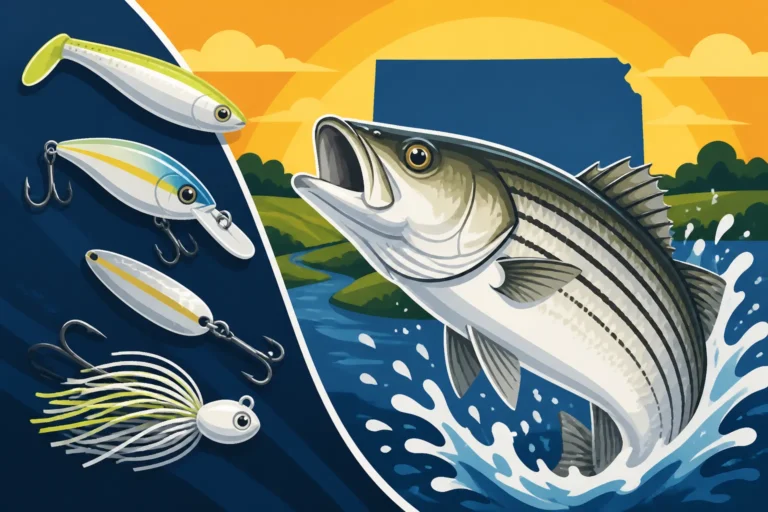
- Deeper Diving Crankbaits: As walleye disperse and move to deeper breaklines and submerged structure, trolling or casting medium-diving crankbaits (e.g., Berkley Flicker Shad, Rapala Shad Rap) becomes very effective. Experiment with colors, but natural baitfish patterns or bright firetiger are often good starting points.
- Swimbaits: Larger paddle tail swimbaits on a jig head can imitate a recovering baitfish and draw aggressive strikes from hungry post-spawn walleye.
- Spinner Rigs: Trolling spinner rigs tipped with a worm or minnow behind a bottom bouncer is a classic tactic, especially once water temperatures are consistently in the 50s and 60s. This method excels at covering vast areas and presenting bait directly in the fish's face.
Live Bait Tactics and Presentation
Even with the advancements in artificial lures, live bait remains an incredibly effective option for spring walleye in Kansas. Sometimes, nothing can beat the real thing, especially when fish are less aggressive.
-
Minnows: Hands down, minnows are the king of live bait for spring walleye. Shiners, fatheads, or even small creek chubs are excellent choices.
- Jigging with Minnows: The simplest and often most effective method is to hook a minnow lightly through the lips or dorsal fin and present it on a jig. A ¼ to ⅜ ounce jig is usually sufficient. A slow, controlled lift-and-drop or a subtle drag along the bottom is a deadly presentation, especially in those pre-spawn staging areas. You're looking for that delicate balance of giving the minnow some natural movement without making it seem like it's trying to escape.
- Slip Bobbers: For suspending walleye over structure or in weed edges, a slip bobber rig with a minnow can be incredibly effective. Set your depth so the minnow is just above the fish or structure. The natural movement of the minnow under a bobber is often all it takes to trigger a strike.
- Three-Way Rigs: In rivers or areas with current, a three-way swivel rig with a bell sinker on the bottom leader and a minnow on a snelled hook can keep your bait in the strike zone. This is a common tactic for river walleye or where current is present on reservoir points.
-
Nightcrawlers: While perhaps more associated with summer, nightcrawlers can still produce in late spring, especially for post-spawn walleye. Trolling a simple bottom bouncer rig with a spinner blade and a threaded nightcrawler (or half a crawler) can cover ground and entice fish that are starting to feed more actively. Consider purchasing a bulk pack of hooks or swivels from Amazon to ensure you're always ready.
-
Leeches: Often overlooked, leeches can be phenomenal walleye bait, especially as water temperatures warm into the mid-50s. Their subtle movement and durability on a hook make them great for jigging, slip bobber rigs, or even on spinner rigs. They're resilient and can often survive multiple bites, making them a cost-effective choice if you find a good supply.
Prime Kansas Reservoirs for Spring Walleye Action
Kansas boasts several fantastic reservoirs known for their walleye populations. While the specific hotspots might change year to year or even day to day, these lakes consistently rank among the best for spring walleye fishing. Understanding their unique characteristics can help you tailor your approach.
Milford Lake: A Walleye Powerhouse
Milford Lake, near Junction City, is often hailed as the "Walleye Capital of Kansas," and for good reason. As the largest lake in Kansas by surface area, it offers extensive walleye habitat, from rocky main lake points and mud flats to expansive creek channels and timber. Its sheer size means there’s a lot of water to cover, but also a lot of fish. In early spring, focus on the upper reaches of the lake in the areas influenced by the Republican River and its tributaries. These areas typically warm up first and concentrate pre-spawn walleye moving upstream.
As the spawn approaches and during the post-spawn recovery, the main lake basin becomes more productive. Look for rocky points, riprap along the dam face, and submerged humps or old roadbeds. The fishing near the dam, particularly on windy days, can be exceptional as walleye move in to spawn on the riprap. Later in spring, as fish disperse, the vast mud flats and submerged timber in the middle and lower sections of the lake become key. Trolling deep-diving crankbaits or spinner rigs with bottom bouncers are effective ways to cover these expansive areas. Knowing the Milford Lake Walleye Fishing patterns will significantly boost your chances here.
Cheney Reservoir: Western Kansas Walleye Haven
Located west of Wichita, Cheney Reservoir is another premier walleye destination in Kansas. Known for its clear water and excellent white bass and wiper fisheries, Cheney also holds a strong population of quality walleye. In spring, the dynamics here are a bit different due to its clearer water and more defined structure. Pre-spawn walleye often stage along the deeper break lines and rocky humps leading into the shallower spawning flats. The main lake points and the causeway areas are classic early spring locations.
During the spawn, focus on the northern and eastern shorelines, which often feature rocky and gravelly areas conducive to spawning. The clarity of the water means walleye can be more sensitive to light, so low-light periods (dawn, dusk, cloudy days) are often most productive, especially for shallow-water presentations. Post-spawn, walleye disperse to the numerous humps, old pond dams, and submerged roadbeds scattered throughout the lake. Trolling crankbaits or snap-jigging over these structures are proven tactics. Don't forget to check the regulations for Kansas Walleye Length Limits and daily creel limits specific to Cheney, as they can sometimes have special management rules.
Other Notable Walleye Lakes
While Milford and Cheney are top-tier, several other Kansas reservoirs offer excellent spring walleye fishing. Each has its own unique character and hotspots:
- Wilson Lake: Near Lucas, often called "Kansas's Most Beautiful Lake," Wilson is known for its clear water and rugged, rocky terrain. Walleye here relate heavily to structure. In spring, target rocky points, bluff walls, and submerged humps. The Hell Creek and Lucas Park areas can be productive. The clearer water often means a lighter line and more subtle presentations are key.
- Clinton Lake: Located near Lawrence, Clinton offers good walleye fishing, especially in its upper reaches which receive inflow from the Wakarusa River. The timbered areas and channels in the upper part of the lake hold fish in early spring. As waters warm, the main lake points and humps become productive.
- Tuttle Creek Lake: Just north of Manhattan, Tuttle Creek is a large, often turbid lake known for its excellent catfish, but it also supports a healthy walleye population. The riverine characteristics in the upper end can concentrate pre-spawn walleye, while the main lake offers plenty of rocky points and riprap near the dam. The water clarity can fluctuate, so adapting your lure colors and presentation depth is crucial here. Its diverse habitats mean you might find fish in different stages of the spawn across various parts of the lake.
- El Dorado Lake: East of Wichita, El Dorado Lake also provides solid walleye opportunities. The areas near the dam and the numerous submerged humps and old river channels are prime locations for spring walleye.
Advanced Techniques for Tricky Spring Conditions
Sometimes, simply casting a jig isn't enough. Spring weather in Kansas can be notoriously unpredictable, from warm sunny days to sudden cold fronts. Mastering a few advanced techniques can turn a tough day into a successful one.
Mastering Shallow Water Strategies
Even though walleye are often thought of as deep-water dwellers, in spring, especially during pre-spawn and peak spawn, they will move into surprisingly shallow water, sometimes only a few feet deep. This is often during low-light conditions or on cloudy, windy days.
- Casting Shallow Crankbaits: For these shallow-water fish, casting shallow-diving or suspending crankbaits parallel to rocky shorelines, riprap, or emergent weed lines can be deadly. The key is to keep your boat in slightly deeper water and cast towards the bank, slowly retrieving your lure so it just ticks the bottom or structure without getting snagged. Use a retrieve that incorporates pauses and twitches, mimicking a vulnerable baitfish. The Smithwick Rattlin' Rogue or a Rapala Husky Jerk are excellent choices for this.
- Light Jigs with Plastics: If the fish are very shallow and wary, a very light jig (1/16 to ⅛ ounce) tipped with a small plastic grub or even a live minnow can be more effective. The lighter weight allows for a slower fall and less disturbance upon entry. This is particularly effective when working specific shallow cover, like individual rocks or brush piles. Anglers often find success by casting these setups from shore or from a kayak, allowing for a stealthier approach than a larger boat. Check out specific tips for Bank Fishing Techniques in Kansas for more insights.
- Wade Fishing: On some shallower lakes or specific rocky shorelines, wading can be an effective way to target shallow walleye, especially during the spawn. It allows for an incredibly quiet approach and precise lure presentation. Just be sure to wear appropriate waders and exercise caution with slippery rocks and cold water.
Adapting to Cold Fronts and Changing Weather
Kansas weather can turn on a dime, and a sudden cold front can shut down a hot bite faster than you can say "walleye." When the weather shifts, especially with dropping temperatures and rising barometric pressure, walleye often become lethargic and move deeper.
- Slow Down Your Presentation: This is the golden rule after a cold front. Faster retrieves that worked yesterday will likely be ignored. Switch to a dead-sticking approach with live bait, slow-trolling crankbaits, or painfully slow jigging. Think subtle movements, barely enough to impart action to your bait. Walleye will often hug the bottom and require a bait directly in front of them, so precise depth control is crucial.
- Seek Deeper Cover: Walleye will often retreat to the deepest available cover or breaklines after a cold front. This might be a deep rock pile, a sunken tree, or the edge of a significant drop-off. Using your electronics to locate these deeper hideouts is paramount. Once found, focus your efforts on these isolated pieces of structure.
- Target Low-Light Periods: Even more so than usual, the periods around dawn, dusk, or on heavily overcast days can be your best bet after a front. Walleye tend to be more active and willing to feed when the light penetration is reduced. Sometimes, even the middle of the day during a persistent drizzle can trigger a bite.
Trolling and Drifting for Dispersed Fish
Once walleye start to disperse after the spawn, or when trying to locate scattered fish in large reservoirs, trolling and drifting become incredibly efficient methods.
- Trolling Crankbaits: This is a fantastic way to cover large expanses of water and present lures at precise depths. Use different crankbait diving depths and colors until you find what the fish prefer. Match your trolling speed to the lure's action and the water temperature – generally slower in colder water (1.0-1.5 mph) and faster as it warms (1.8-2.5 mph). Pay close attention to your boat speed and adjust it based on what your electronics are telling you about baitfish and structure. Using a good fish finder from brands like Lowrance or Humminbird, readily available on Amazon, can help you keep your lures in the strike zone.
- Bottom Bouncers with Spinner Rigs: This technique is a staple for walleye. A bottom bouncer keeps your bait near the lakebed, and a spinner rig tipped with a minnow, crawler, or leech adds flash and vibration. This is exceptionally effective when fish are hugging the bottom along contours, over submerged humps, or across flats. Experiment with different blade sizes and colors, as well as leader lengths behind the bouncer. The amount of weight on your bottom bouncer should be enough to maintain bottom contact without dragging excessively, usually 1 to 2 ounces depending on depth and speed.
- Drifting with Jigs or Live Bait: On windy days, letting the wind do the work can be highly productive. Drifting across flats, points, or humps with jigs tipped with minnows or plastics, or even a slip bobber rig, can present your bait naturally. Use a drift sock or sea anchor to control your speed if the wind is too strong. This passive yet effective method allows you to cover a broad area while presenting a very natural bait. Don't underestimate the power of a simple jig and minnow drifted slowly over prime walleye territory.
Safety and Conservation Practices
Fishing in Kansas, especially in the spring, comes with its own set of responsibilities. Safety should always be your top priority, and practicing good conservation ensures that these incredible walleye fisheries remain healthy for years to come.
Boating Safety in Early Spring
The allure of spring walleye can sometimes make us forget the dangers of early spring boating. Water temperatures are dangerously cold, and even on a warm, sunny day, immersion can quickly lead to hypothermia.
- Wear Your Life Jacket: This isn't just a suggestion; it's a non-negotiable rule. Accidents happen quickly, and a life jacket will keep you afloat and increase your survival time in cold water. Make sure everyone on board is wearing a properly fitted personal flotation device (PFD). Many new PFDs are comfortable and low-profile, so there's no excuse not to wear one. Remember, Kansas Boating Safety Equipment Requirements extend beyond just having them on board; they need to be accessible and functional.
- Check Your Boat and Gear: Before hitting the water, perform a thorough check of your boat. Ensure your engine is running smoothly, lights are operational, and all safety equipment – including a fire extinguisher, horn/whistle, and throwable device – is on board and in good condition. Cold weather can be tough on batteries and other components, so a pre-season check-up is wise.
- Monitor Weather Conditions: Spring weather in Kansas is notoriously fickle. A beautiful morning can quickly turn into a windy, stormy afternoon. Always check the forecast before you go and be prepared to cut your trip short if conditions deteriorate. Strong winds on large reservoirs like Milford or Cheney can create dangerous waves in a hurry.
- Dress in Layers: Hypothermia is a real threat. Dress in non-cotton layers that will wick away moisture and provide insulation, even if wet. A waterproof outer shell is also a must. It's always better to overdress and remove layers than to be caught unprepared in freezing temperatures.
Practicing Catch and Release for Future Generations
While it's exciting to bring home a limit of delicious walleye, practicing selective harvest and responsible catch and release is vital for the long-term health of our fisheries.
- Understand Regulations: Always know the current Kansas Fishing Regulations Explained for the specific lake you are fishing, including length limits and daily creel limits. These regulations are in place to protect the spawning population and ensure sustainable fishing. For example, some lakes might have slot limits designed to protect larger, prime breeding-size walleye.
- Handle Fish Carefully: If you plan to release a fish, minimize its time out of the water. Handle it gently with wet hands, supporting its belly, especially if it's a larger fish. Avoid touching the gills or eyes.
- Use Proper Tools: A good pair of long-nosed pliers or a de-hooking tool can help remove hooks quickly and efficiently, reducing stress on the fish. For larger walleye, a rubberized landing net (available on Amazon) is far better than a stringer or bare hands, as it protects their slime coat and fins.
- Know When to Release: During the peak spawning season, consider releasing larger female walleye. These are often the most prolific spawners and are crucial for the future of the fishery. Keeping a few smaller, eater-sized fish while releasing the big breeders is a great conservation practice.
| Spring Walleye Phase | Water Temp (F) | General Location | Recommended Lure/Bait Types | Retrieve/Presentation |
|---|---|---|---|---|
| Pre-Spawn | 40s-Low 50s | Deep points, creek channels, breaks leading to spawning areas | Jigs (tipped with minnows/plastics), Blade Baits, Hair Jigs | Slow lift & drop, subtle drag, vertical jigging |
| Peak Spawn | Upper 40s-Mid 50s | Shallow rocky shorelines, riprap, gravelly points (often low light) | Suspending Jerkbaits, Shallow Crankbaits, Light Jigs with Minnows | Twitch-pause, slow retrieve, casting shallow |
| Post-Spawn | Mid 50s-Mid 60s | Main lake humps, submerged structure, deep breaklines, flats | Deep Diving Crankbaits, Spinner Rigs (with crawlers/minnows), Swimbaits | Trolling, drifting, casting & retrieving |
Disclaimer
Fishing conditions and regulations in Kansas can change. Always consult the latest Kansas Department of Wildlife, Parks and Tourism (KDWPT) regulations before heading out on the water. This article is intended for informational purposes only and does not constitute official legal advice.