Best Bait for Kansas Crappie
Few things are as frustrating as heading out to your favorite Kansas crappie spot, only to find the fish aren't biting, no matter what you throw at them. It leaves you questioning everything, from your technique to your choice of bait. But don't despair! This guide will dive deep into the best baits for Kansas crappie, helping you understand their preferences and giving you the confidence to entice even the most finicky slabs.
Understanding Kansas Crappie and Their Feeding Habits
Crappie in Kansas, whether you're chasing white crappie or black crappie, are fascinating fish with feeding habits that can change on a dime. Knowing what makes them tick is the first step to choosing the perfect bait. It's not just about what they can eat, but what they want to eat, and when.
White Crappie vs. Black Crappie Preferences
While both white and black crappie share a common love for certain baits, there are subtle differences in their preferred habitats and, consequently, their foraging behaviors. White crappie, often found in the murkier, open waters of larger reservoirs like Milford Lake or Cheney Reservoir, tend to be a bit more schooling and may respond well to baits that are presented in a more active, searching manner. They're often associated with standing timber, brush piles, and submerged roadbeds, always on the lookout for a meal to pass by. Their mouths are generally a bit larger, which can sometimes influence lure size preference.
Black crappie, on the other hand, usually prefer clearer, more vegetated waters, often found in smaller lakes, ponds, and the backs of coves where aquatic plants provide cover and ambush points. They tend to be more solitary or found in smaller groups, hugging tight to structure. This means a more subtle, precise presentation of your bait is often key when targeting black crappie. If you're fishing a Kansas State Fishing Lake with plenty of lily pads and submerged weeds, chances are you'll be running into more black crappie. Understanding these subtle differences can help you tailor your bait choice and presentation for better success, though many baits will attract both species. For detailed identification, check out our guide on White Crappie vs Black Crappie Identification.
Crappie Diet Across Different Water Bodies
The local cuisine plays a massive role in what crappie will hit. In big Kansas reservoirs, crappie are often gorging on threadfin shad, minnows, and small invertebrates. If you're fishing a lake that's known for a healthy shad population, mimicking that prey is going to be your best bet. This is where a small, silver-colored jig or a live shad-imitating minnow can be absolutely deadly. They're tuned into the available food sources, and if your bait doesn't look or act like something they're used to eating, they might just pass it up.
Conversely, in smaller farm ponds or community fishing lakes where shad might be less prevalent, crappie might rely more heavily on insect larvae, small crustaceans, and smaller forage fish like bluegill fry. In these scenarios, a tiny beetle spin or a micro jig tipped with a piece of worm might outperform a larger minnow. It's crucial to observe the water, talk to local anglers, or even use a fish finder to see what baitfish are present. The more your chosen bait aligns with the crappie's natural diet in that specific water body, the higher your chances of success.
Seasonal Shifts in Crappie Foraging
Crappie don't eat the same way year-round, which is a major point of frustration for many anglers. Their metabolism and location shift dramatically with the seasons, directly impacting their hunger and aggressiveness. In spring, especially during the spawn, they move incredibly shallow, often into just a few feet of water, becoming hyper-focused on reproduction. During this time, they're not always actively feeding heavily, but rather defending nests, so a subtle, slow-moving bait presented right in their face is often the ticket. Our guide on Kansas Spring Crappie Fishing Tips has more insights on this.
As summer heats up, crappie retreat to deeper, cooler waters, often suspending over brush piles, submerged timber, or channel edges. Their feeding can become more consistent but often requires getting your bait down to specific depths. Then, in the fall, they follow schooling baitfish back into shallower coves and creeks, feeding aggressively to fatten up for winter. This is when they can be very active and willing to chase down a bait. Come winter, they become lethargic, holding tight to structure in deep water, requiring an incredibly slow and often vertical presentation. Understanding these Kansas Fishing Seasons Guide is paramount to selecting the best bait and technique.
Live Bait: The Undisputed King for Kansas Crappie
When it comes to consistently catching crappie, especially in tough conditions, live bait often reigns supreme. There's just something about the natural movement, scent, and feel of a live offering that can trigger a bite when artificial lures fail. Many seasoned Kansas anglers will tell you that if all else fails, go back to live bait.
Minnows: The All-Time Favorite
If there's one bait that's synonymous with crappie fishing in Kansas, it's the humble minnow. Whether it's a shiner, fathead, or rosie red, minnows are crappie candy. Their natural swimming action and scent are hard for crappie to resist. The key is often choosing the right size. For most Kansas crappie, a 1 to 2-inch minnow is ideal. Too large, and they might pass it up; too small, and you might attract too many smaller panfish.
You can fish minnows in a variety of ways. A simple hook and bobber rig is classic and effective, especially when crappie are shallow or suspended. Just a small split shot above the hook to keep the minnow down, and a bobber set to the desired depth. You can also fish minnows on a jig head, either by hooking them through the lips or just behind the dorsal fin. This gives the minnow a bit more action and allows you to present it effectively in deeper water or around structure. Always make sure your minnows are lively. A dying minnow is far less attractive than a vigorous one, so proper live bait care, which we'll discuss next, is crucial. You can often find a good selection of live minnows at local bait shops or even through online retailers like Amazon, though the latter is more common for gear.
Other Live Bait Options: Worms and Insects
While minnows get most of the glory, don't overlook other live bait options, especially if you're targeting crappie in farm ponds or smaller lakes where their diet might include more insects. Small pieces of nightcrawlers or red worms can be incredibly effective, particularly when tipped on a tiny jig. The scent trail they leave and their subtle wiggling action can be just what a hesitant crappie needs to commit. This can be particularly true when the water is cold, and crappie are less inclined to chase a fast-moving minnow.
Beyond worms, crickets or grasshoppers can be surprisingly productive, especially during late summer and early fall when these insects are abundant and might accidentally fall into the water. Presenting them under a bobber near submerged vegetation or over brush piles can yield fantastic results. These baits offer a different profile and scent, sometimes appealing to crappie that have become wary of traditional minnow presentations. It's all about offering something a little different when the bite gets tough.
Proper Live Bait Care and Storage
Nothing is more frustrating than buying a bucket of lively minnows only to have them die off before you even get to the water. Proper care and storage are essential for keeping your live bait frisky and appealing to crappie. First, invest in a good minnow bucket or a livewell if you're fishing from a boat. Aeration is key; a small, battery-operated aerator can make a huge difference, especially on warm days. You can often find decent portable aerators on Amazon or at any sporting goods store.
Keep the water cool and clean. Avoid overcrowding your bait container, as this quickly depletes oxygen and fouls the water. If you're using tap water, let it sit out for a day to allow chlorine to dissipate, or use a de-chlorinator. When transporting, minimize splashing and direct sunlight. For longer trips or multi-day fishing, keeping your minnows in a cooler with ice (but not directly in the ice water) can help maintain a cool, stable temperature. Remember, a happy, lively minnow is a much more effective bait. Read our guide on Best Live Bait Container for Summer Trips for more tips.
Artificial Lures: Modern Tactics for Kansas Crappie
While live bait might be king, artificial lures offer incredible versatility, convenience, and the ability to cover more water. Modern crappie lures are highly effective, mimicking natural prey with lifelike actions and vibrant colors. Learning to use them effectively can drastically improve your crappie catch rates in Kansas.
Jigs: Versatility in Small Packages
Jigs are arguably the most versatile artificial lure for crappie fishing. They come in an endless array of sizes, shapes, and colors, allowing you to match nearly any condition or crappie mood. The most common types for crappie are small lead-head jigs, typically ranging from 1/32 to 1/8 ounce, though sometimes lighter or heavier depending on depth and wind. These tiny jigs can be fished plain, tipped with a small minnow or worm, or dressed with a soft plastic body.
Feather jigs and hair jigs, like marabou jigs, offer a pulsating, lifelike action in the water that crappie find irresistible. They're particularly effective in cold water when a subtle presentation is key. Soft plastic jigs, ranging from tiny tubes to curly-tail grubs and paddle-tail swimbaits, can mimic minnows, insects, and other forage. The key to jig fishing is presentation: a slow, controlled retrieve with subtle lifts and drops often works best. Experiment with colors; sometimes chartreuse is hot, other times a natural white or black. For targeting crappie near structure, understanding How to Jig for Crappie in Rocky Cover can be a game-changer.
Spinnerbaits and Crankbaits for Aggressive Crappie
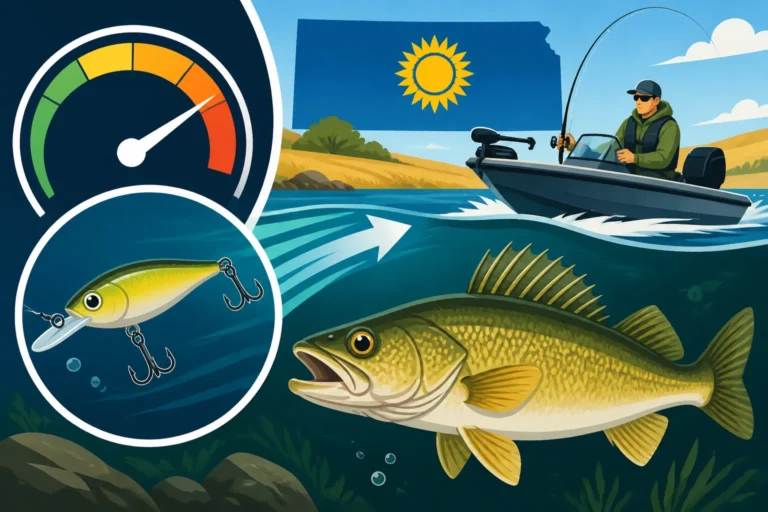
When crappie are aggressive and actively chasing baitfish, small spinnerbaits and crankbaits can be incredibly effective, especially for covering large areas quickly. Tiny inline spinners, like Johnson Beetle Spins or Rooster Tails, combine flash, vibration, and a small profile that can trigger reaction strikes. They're particularly good when crappie are suspended or in shallow, open water where they're willing to move a bit to ambush prey. The flash of the blade acts as a beacon, drawing attention from a distance.
Micro crankbaits, designed specifically for panfish, dive to various depths and have a tight wobbling action that perfectly imitates a fleeing baitfish. They're excellent for trolling or casting along weed lines, channel edges, or over brush piles. Brands like Strike King and Bandit make excellent small crankbaits that crappie absolutely crush. These lures are best used when crappie are feeding actively, perhaps during the white bass run where crappie often get caught up in the feeding frenzy, or in the fall when they are aggressively stocking up on calories.
Soft Plastics: Mimicking Natural Prey
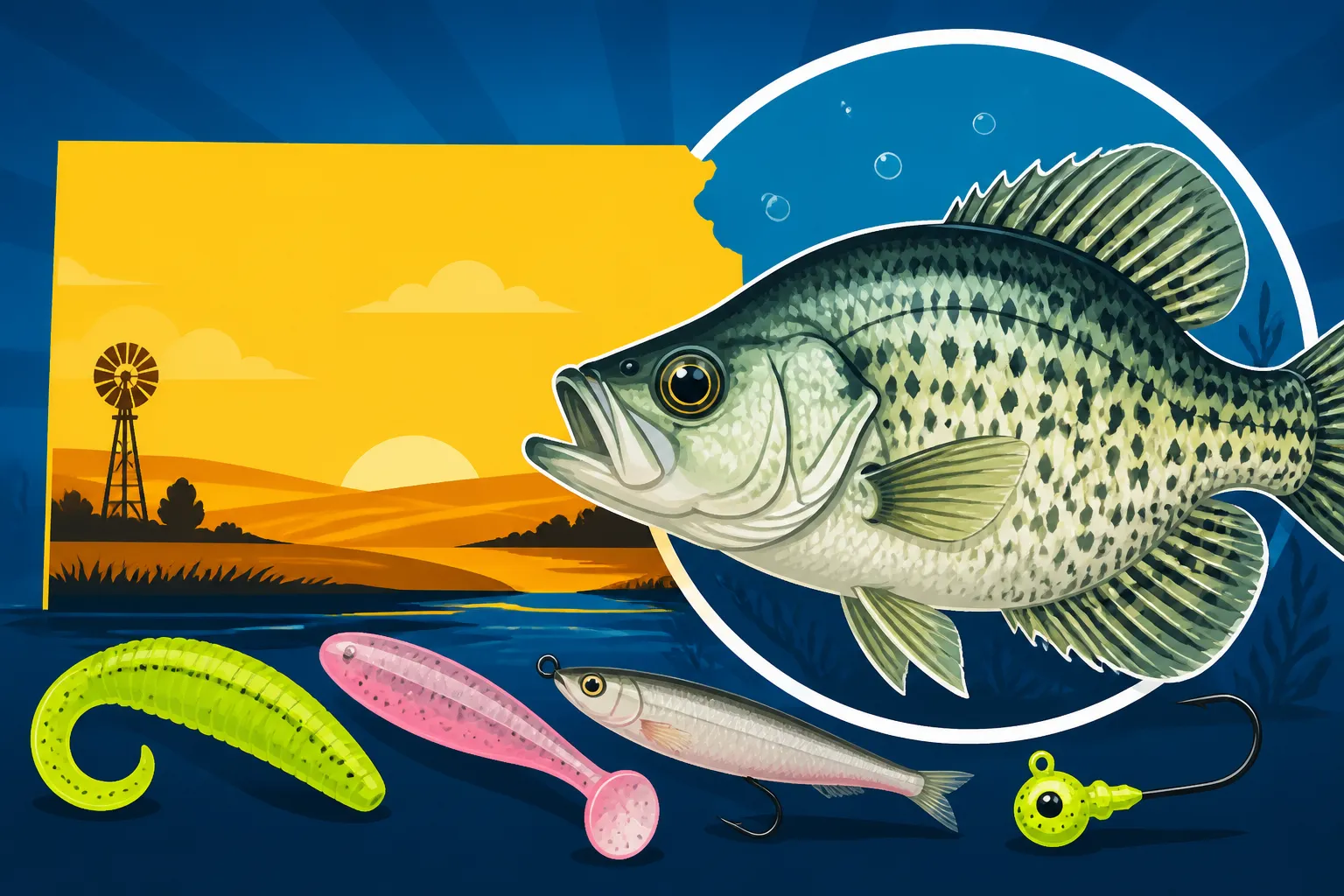
Soft plastic crappie baits have exploded in popularity due to their realism, versatility, and sheer effectiveness. These tiny artificial lures can be threaded onto small jig heads, providing a lifelike profile and action that often outfishes traditional jigs. From tiny tubes that mimic small shad to micro-grubs with curly tails that undulate enticingly, the options are vast. Paddle-tail swimbaits, even in micro sizes, create incredible vibration and swimming motion, making them irresistible to hungry crappie.
The beauty of soft plastics is their ability to be fished slowly and subtly, or with more aggressive retrieves, depending on the crappie's mood. Many soft plastics are also infused with scent, adding another layer of attraction. Colors vary wildly, and it's often a good idea to have a range of natural colors (pearl, smoke, shad) and bright "attractor" colors (chartreuse, pink, orange) to experiment with. Brands like Bobby Garland, Crappie Buster, and Berkley Gulp! are very popular among Kansas crappie anglers. You can easily stock up on a variety of these soft plastics and jig heads on Amazon, making it convenient to fill your tackle box with options.
Matching Bait to the Season and Conditions
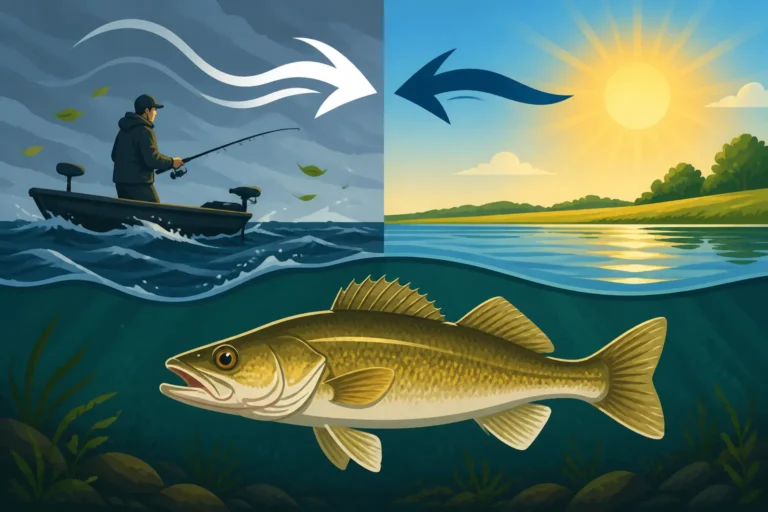
The secret to consistent crappie fishing isn't just having the right bait; it's using the right bait at the right time. Crappie behavior is heavily influenced by water temperature, light conditions, and their spawning cycle. Adapting your bait choice and presentation to these factors is crucial for success in Kansas waters.
Spring Spawn: Shallow Water Temptations
When spring arrives and water temperatures start climbing into the high 50s and low 60s, crappie move into shallow water for their annual spawn. This is a magical time for anglers, but it requires specific bait choices. During the pre-spawn, crappie are actively feeding to build energy for the spawn. Small minnows fished under a bobber or tiny jigs (1/32 to 1/16 oz) in white, chartreuse, or black are incredibly effective. Focus on shallow brush piles, downed trees, and docks. This is when they're relatively easy to find, often staging in slightly deeper water adjacent to their spawning grounds.
As the actual spawn kicks off, crappie become more territorial and less focused on feeding. This is when a slow, precise presentation is key. A small jig or a minnow gently drifted into a nest area can trigger a defensive strike. Sometimes, a tiny hair jig or a tube jig fished vertically, barely twitching, is all it takes. Remember, crappie length and bag limits still apply during this time, so always check the current Kansas Fishing Regulations Explained to ensure you're compliant. For specific depth advice, refer to our article on the Best Depth for Crappie Fishing in Spring.
Summer Heat: Deep Water Strategies
As Kansas summers get into full swing and water temperatures soar, crappie retreat to deeper, cooler, and more oxygenated waters. They'll often suspend over submerged timber, brush piles, old creek channels, or river bends in the main lake. Finding them is the first challenge, usually requiring a good fish finder. Once located, presenting your bait at their depth is paramount.
During summer, crappie can still be quite active, especially in the early mornings, late evenings, or even at night. Live minnows on a tight-line rig, drop-shotting small soft plastics, or vertical jigging with 1/8 to 1/4 ounce jigs are excellent strategies. Look for shad schools on your electronics, as crappie will often be lurking nearby. Trolling small crankbaits or spider rigging multiple rods with minnows can also be effective for covering broad areas of deeper water. Remember, consistency in depth is key here; a foot too high or too low can mean the difference between a full livewell and an empty one.
Fall Transition: Following the Baitfish
Fall is a fantastic time for crappie fishing in Kansas, as dropping water temperatures trigger a major feeding spree. Crappie, much like other species, follow the abundant baitfish that are moving into shallower coves and creek arms. They're trying to pack on weight for the colder months ahead, making them more aggressive and willing to chase down a meal. This often means they're easier to catch. Our guide on Kansas Fall Crappie Fishing Tips delves deeper into this exciting season.
Live minnows remain a top choice, but artificial lures like small paddle-tail swimbaits, curly-tail grubs, and even small spinnerbaits can be incredibly effective. Look for crappie on the edges of main lake points, submerged humps, and brush piles in 8-20 feet of water. As the water cools further, they might move into deeper creek channels. Vertical jigging or casting jigs to structure, then slowly retrieving, can be deadly. The key is to be mobile and look for active schools of baitfish, as the crappie won't be far behind. Learning How to Find Crappie in the Fall will greatly increase your success.
Winter Chill: Slow and Subtle Approaches
Winter in Kansas can be brutal, but if you're brave enough to face the cold, crappie fishing can be surprisingly rewarding. Crappie become very lethargic in cold water, conserving energy and holding tight to deep water structure. Their metabolism slows down drastically, meaning they won't chase a bait aggressively. This calls for an incredibly slow and subtle presentation.
Small live minnows are still a winter staple, but tiny artificial baits become equally important. Think 1/32 oz jigs, even 1/64 oz jigs, tipped with micro-soft plastics like tiny tubes or Mitey Mites. Ice fishing for crappie in Kansas, when conditions allow, is a prime example of this. You're often fishing straight down, barely moving the bait, relying on its small profile and subtle action to draw a strike. Bright colors like chartreuse or glow-in-the-dark baits can be effective in low light or deep water. Focus on deep brush piles, timber, and channel drops, often in 20 feet or more of water, depending on the lake. Patience is a virtue when winter crappie fishing.
Rigging and Presentation: Making Your Bait Irresistible
Choosing the best bait is only half the battle. How you rig and present that bait to the crappie is just as, if not more, important. A perfectly chosen bait presented poorly will get ignored, while a decent bait presented perfectly can trigger strikes.
Essential Rigs for Live Bait
When using live minnows, the simplest rigs are often the best. The classic bobber rig is unbeatable for shallow water or when crappie are suspended at a specific depth. Use a small slip bobber for deeper presentations, allowing you to cast farther and retrieve without tangling. A #2 or #4 light-wire hook (like a Tru-Turn or Eagle Claw snelled hook) is perfect for minnows, hooked lightly through the lips or just behind the dorsal fin to keep them lively. A small split shot a few inches above the hook will help get the minnow down.
For vertical jigging or tight-lining in deeper water, a simple lead-head jig (1/16 to 1/8 oz) with a minnow hooked through the head is highly effective. You can also use a double-jig rig or "spider rig" with multiple rods out, each rigged with a minnow and a sinker, allowing you to cover multiple depths and present several baits simultaneously. This is often done from a boat, slowly trolling or drifting over crappie hotspots. Using the right hooks is important, so check out our guide on Best Hooks for Kansas Crappie Fishing.
Optimizing Jig Presentations
Jigs are incredibly versatile, but their effectiveness lies in proper presentation. For casting and retrieving, a slow, steady retrieve with subtle twitches and pauses often works wonders. Think of it as mimicking a struggling baitfish. In cooler water or when crappie are less active, a "dead stick" retrieve where you cast out and let the jig slowly fall, barely moving, can be deadly.
For vertical jigging over structure or suspended fish, gentle lifts and drops are key. The movement should be just enough to make the jig "dance" without pulling it too far away from the strike zone. Many crappie strikes on jigs are incredibly subtle – sometimes just a slight "thump" or a feeling of weight. Watching your line for any twitch or slack line movement can indicate a bite. Experiment with different jigging cadences until you find what the fish prefer on a given day. These Kansas Crappie Fishing Techniques cover these in more detail.
Line and Leader Considerations
Choosing the right fishing line is often overlooked but plays a significant role in crappie success. Crappie have excellent eyesight, especially in clearer waters, so a light, low-visibility line is usually best. Monofilament line in 4 to 6-pound test is a classic choice, offering good knot strength and stretch for fighting these thin-mouthed fish. Fluorocarbon line, while a bit more expensive, offers excellent abrasion resistance and is virtually invisible underwater, making it a great leader material.
Braid, in 6 to 10-pound test, is gaining popularity, especially when paired with a fluorocarbon leader. Its no-stretch properties give you incredible sensitivity, allowing you to feel even the lightest crappie bites. This is particularly useful when fishing with jigs in deeper water. Just remember to tie a good knot when connecting braid to fluorocarbon, like an FG or Albright knot. The lighter your line, the more natural your bait presentation will be, and the more bites you'll likely get.
Where to Find the Best Crappie Bait in Kansas
Once you know what crappie crave, the next logical step is figuring out where to get it. Luckily, Kansas offers plenty of options, from local mom-and-pop shops to larger retailers, and even the option to gather your own.
Local Bait and Tackle Shops
Your local bait and tackle shop is a treasure trove of knowledge and the best place to find fresh, lively bait. These shop owners are often avid anglers themselves and know the local waters better than anyone. They can tell you what baits are currently working, what colors crappie are hitting, and even pinpoint some hotspots. For instance, if you're around Milford Lake, places like Milford Lake Bait & Tackle are invaluable resources. You'll typically find a wide selection of live minnows, worms, and local artificial baits specifically designed for Kansas crappie.
Beyond bait, these shops carry the right jig heads, hooks, and other terminal tackle perfectly suited for crappie. Supporting these local businesses not only keeps them going but provides you with the most up-to-date and relevant information for your fishing trip. Don't be shy about asking questions; that's what they're there for!
Big Box Retailers and Online Options
For those times when a dedicated bait shop isn't nearby, or you need to stock up on a wider variety of artificials, big box retailers like Bass Pro Shops or Cabela's (or even Walmart in a pinch) can be a convenient option. They often carry a broad selection of artificial lures, including popular crappie jigs, soft plastics, and small crankbaits from major brands. While their live bait selection might be more limited or less specialized, they're excellent for bulk purchases of tackle or specific lure types.
Online retailers, especially Amazon, have become invaluable for anglers looking for specific gear or artificial baits that might be hard to find locally. You can browse thousands of options, compare prices, and have tackle delivered right to your door. This is particularly useful for stocking up on a variety of soft plastic crappie baits or specialty jigs. Just remember, for live bait, nothing beats a fresh supply from a local shop.
DIY Bait Collection
Believe it or not, you can collect some of your own crappie bait right here in Kansas! For instance, if you have access to a small creek or pond, you can often catch your own small minnows with a cast net or a minnow trap. This not only saves money but ensures you have incredibly fresh, local bait. Just be sure to check local regulations regarding bait collection, as some methods or areas might be restricted.
Collecting your own worms after a rain or even starting a worm farm in your backyard is another fantastic way to ensure a constant supply of fresh bait. Earthworms, red wigglers, and nightcrawlers are all excellent crappie baits. And if you're feeling adventurous, you can even catch your own grasshoppers or crickets during the warmer months, which can be dynamite crappie bait, especially in areas where these insects are a natural part of the crappie's diet.
Crappie Bait Comparison Table
| Bait Type | Pros | Cons | Ideal Conditions |
|---|---|---|---|
| Live Minnows | Natural scent & action, highly effective | Requires aeration/care, can be delicate | All seasons, especially tough bites & cold water |
| Jigs (Soft Plastic) | Versatile, wide color/shape range, durable | Less natural scent, requires active presentation | All seasons, good for covering water & structure |
| Jigs (Hair/Feather) | Subtle, lifelike pulsation, good in cold water | Less durable, can be expensive | Cold water, finicky fish, slow presentations |
| Spinnerbaits | Flash & vibration, covers water quickly | Less effective in deep, slow conditions | Active fish, moderate to warm water, searching |
| Crankbaits | Target specific depths, strong vibration | Can be snaggy, requires specific fish activity | Active fish, specific depth targeting, trolling |
| Worms/Insects | Natural scent, subtle action | Can be messy, less durable than plastics | Small ponds, varied diet crappie, subtle bites |
Disclaimer
Fishing conditions and regulations in Kansas can change frequently. Always consult the latest Kansas Department of Wildlife, Parks, and Tourism (KDWPT) regulations before heading out on your fishing trip to ensure compliance. This guide is for informational purposes only.