When Does Trout Season Open?
There's often a bit of a scramble and a lot of head-scratching when anglers start thinking about trout fishing in Kansas. Unlike some states with year-round wild trout streams, Kansas manages its trout program a little differently, focusing on seasonal stocking to bring these cold-water beauties to our lakes and ponds. If you've ever wondered exactly when you can start casting for trout and what you need to know, you're in the right place. This guide will clear up all that confusion and get you ready for a fantastic trout season.
Navigating Kansas's Trout Season Dates
Kansas offers a unique "put-and-take" trout fishing experience, meaning the fish are stocked specifically for anglers to enjoy, rather than naturally reproducing in most waters. This makes understanding the official season dates absolutely crucial, as it dictates when you'll find trout and when you'll need that special permit.
The Official Trout Permit Season
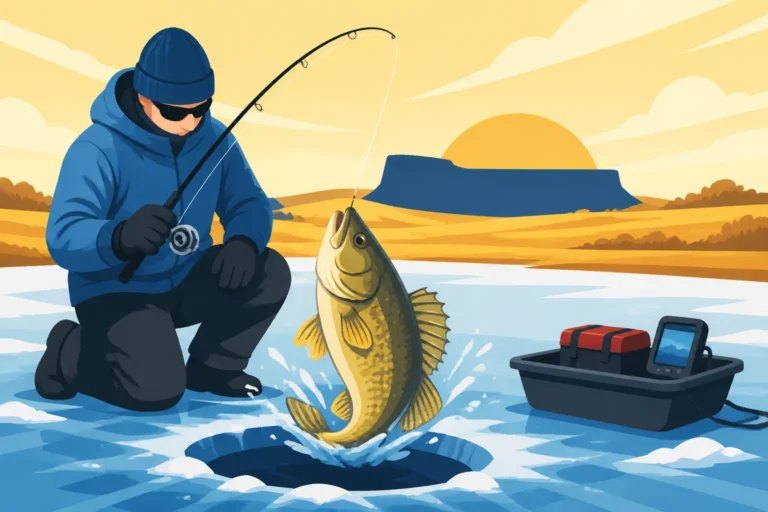
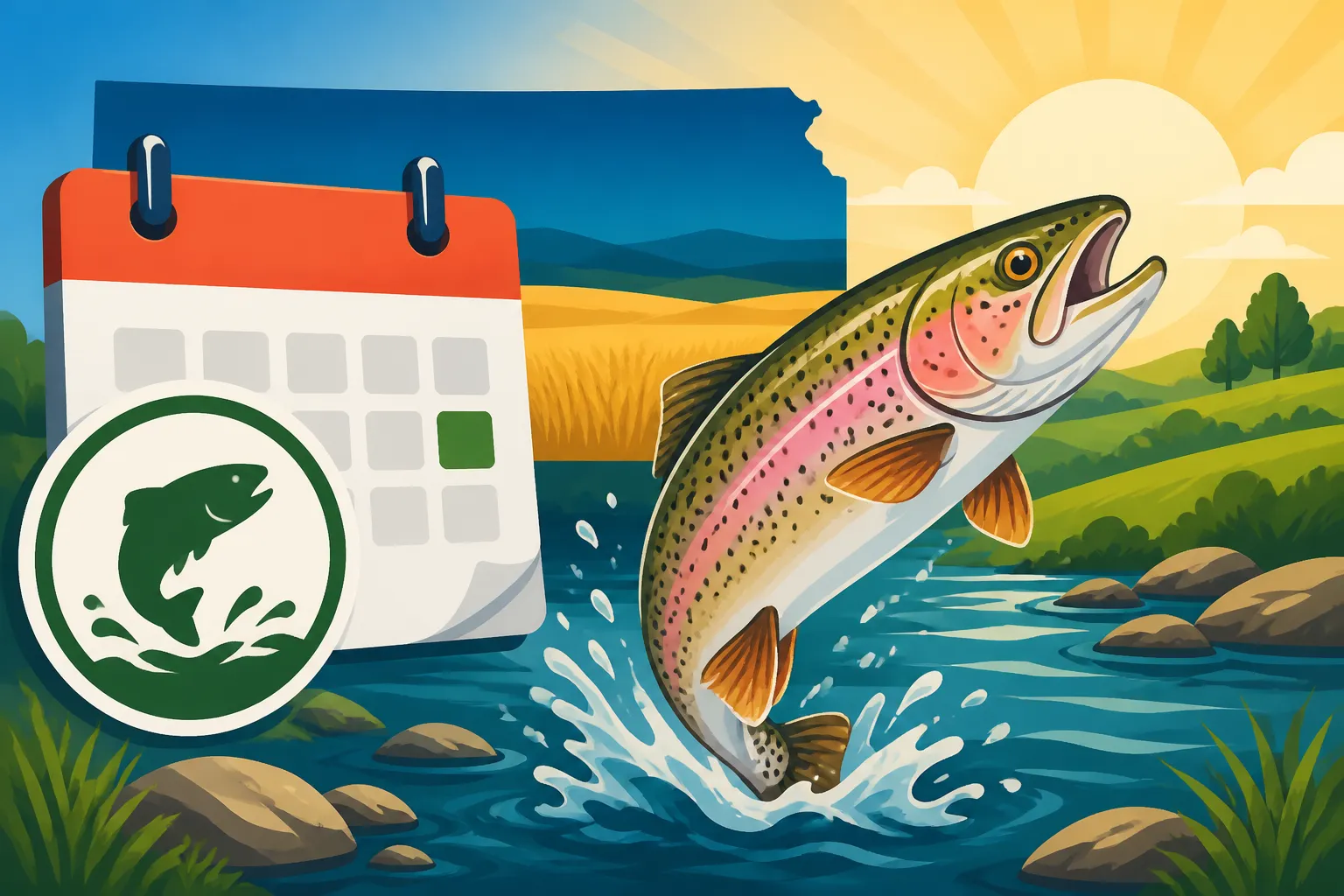
Alright, let's get straight to it: the primary, most anticipated trout season in Kansas — the one where trout are regularly stocked and a special permit is required — officially kicks off on November 1st and generally runs through April 15th of the following year. This period is affectionately known by many as the "winter trout season" because that's when the Kansas Department of Wildlife and Parks (KDWP) focuses its efforts on stocking thousands of rainbow and sometimes golden rainbow trout into designated waters across the state.
During these months, the cooler water temperatures are ideal for trout, which simply wouldn't survive the brutal Kansas summer heat in most of our impoundments. The KDWP carefully plans these stocking events to ensure a vibrant fishing experience throughout the cooler parts of the year. So, when someone asks, "When does trout season open?", the answer most Kansas anglers are looking for is typically November 1st, marking the beginning of the intensive stocking and permit-required period. For more details on the specific timeframe, you might want to check out our guide on Trout Season Runs December 1 to March 31, which delves into the core stocking months.
Understanding Year-Round Trout Opportunities
While the prime, permit-required trout season runs from November to April, it’s a common misconception that you absolutely cannot catch a trout outside of those dates. The reality is a little more nuanced. If a trout manages to survive the warmer months – which is rare in most stocked locations but can happen in deeper, colder reservoirs or spring-fed streams – and you happen to catch it outside the designated trout season (November 1 to April 15), you generally don't need a trout permit. Your standard Kansas Fishing License Guide covers you.
However, the key here is "designated trout water." During the permit season, specific lakes and ponds are marked as such, and that's where the permit is mandatory. Outside of that specific window, without active stocking, finding trout is like finding a needle in a haystack. So, while technically a trout could be caught year-round, the practical and productive "trout season" for most Kansans truly revolves around that November to April window. You won't find the same concentrations of fish, nor will you benefit from the regular stockings that make trout fishing so exciting here.
Essential Permits for Kansas Trout Anglers
You’ve got your fishing rod, your lucky hat, and a cooler full of enthusiasm. But before you head out on November 1st, there's a vital piece of paper (or digital permit on your phone) you absolutely must have in addition to your regular fishing license if you plan on targeting trout in designated waters.
Do You Need a Separate Trout Permit? Absolutely!
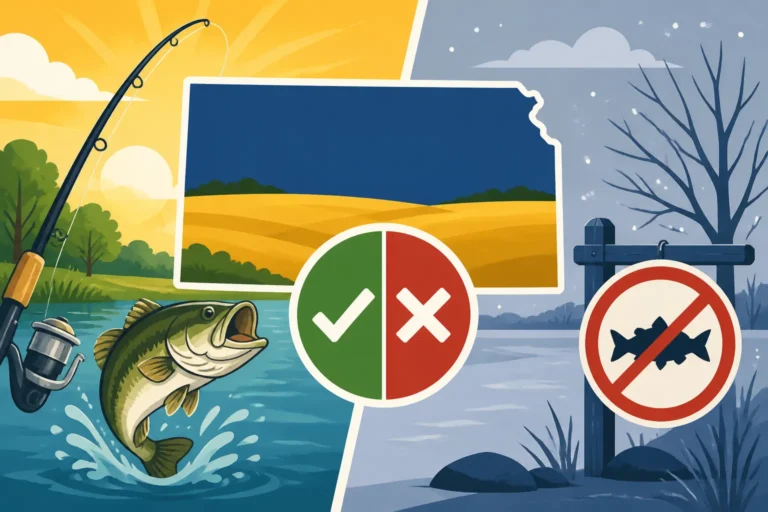
Yes, you do! This is one of the most frequently asked questions and a point of confusion for many anglers. A standard Kansas fishing license, while essential for most other species, does not automatically grant you permission to fish for or possess trout in waters designated as "trout waters" during the official trout permit season (November 1st to April 15th). You need a separate Kansas Trout Permit Guide.
Think of it this way: the trout program requires additional funding for stocking efforts, and the permit helps cover those costs. It ensures that the KDWP can continue to provide this unique cold-water fishing opportunity. Ignoring this requirement can lead to fines, so it’s always better to be prepared.
Here's a quick breakdown of who needs one and the typical costs:
- Adults (16-74 years old): If you possess a Kansas fishing license, you will also need an annual trout permit. For residents, this typically costs around $14.50 Kansas Adult Trout Permit Costs $14.50. Non-residents also need a permit on top of their nonresident fishing license.
- Youth (15 years and younger): Kids aged 15 and under do not need a fishing license, but they do need a youth trout permit if they are fishing in a designated trout water during the permit season. This permit is usually very affordable, costing around $7 Kansas Youth Trout Permit Costs $7.
- Seniors (75 years and older): Kansas residents 75 years or older may not need a fishing license, but they still need a trout permit if fishing in designated trout waters during the season.
Where to Purchase Your Kansas Trout Permit
Getting your trout permit is a straightforward process, designed for convenience. You have a few options, so pick the one that works best for you:
- Online Through the KDWP Website: This is perhaps the easiest and most common method. You can visit the official Kansas Department of Wildlife and Parks website, navigate to their licensing portal, and purchase your trout permit (and your regular fishing license, if you need to renew it) from the comfort of your home. You’ll receive an immediate digital copy that you can store on your phone.
- Authorized License Vendors: Many sporting goods stores, bait shops, and even some large retailers like Walmart and Academy Sports + Outdoors are authorized to sell KDWP fishing licenses and permits. It's a great way to support local businesses while picking up any last-minute tackle. To find a location near you, you can often search the KDWP site or just ask at your local bait shop. If you're wondering Where to Buy a Kansas Fishing License, these same locations usually handle trout permits too.
- KDWP Offices and State Parks: If you prefer an in-person transaction or have specific questions, you can visit a KDWP regional office or the office at many Kansas State Parks. Their friendly staff can help you get set up with all the necessary permits.
Always ensure you have your permit (either a physical copy or a digital one on your phone) with you when you are fishing for trout. Enforcement officers do check, and it's simply part of being a responsible angler.
Kansas's Winter Trout Stocking Program
The reason we even have a trout season in Kansas is thanks to the incredible stocking program run by the KDWP. Without it, the vast majority of our warm-water lakes and ponds simply wouldn't support healthy trout populations. This program brings a unique and exciting fishery to the state, especially for those living in or near urban areas.
What Trout Species Are Stocked and Where
The vast majority of trout stocked in Kansas are Rainbow Trout. These feisty fish are known for their beautiful colors and willingness to bite, making them a favorite among anglers of all ages. Occasionally, you might even encounter the more elusive and striking Golden Rainbow Trout, which are specially bred for their distinct golden hue. The KDWP puts a lot of effort into ensuring these trout are healthy and ready for sport fishing.
These trout are primarily stocked in what the KDWP designates as Community Fishing Lakes (CFLs) and other specific KDWP-managed waters. The idea is to make trout fishing accessible to as many people as possible, often within city limits or a short drive from population centers. Some popular stocking locations you might hear about include:
- Lakes in the Topeka area: Such as Lake Shawnee or Gage Park Pond.
- Wichita area ponds: Like Vic's Lake or the ponds at Sedgwick County Park.
- Kansas City metro lakes: Often including Wyandotte County Lake or Cedar Lake.
- State Fishing Lakes: Many of the Kansas State Fishing Lakes also receive trout stockings, providing opportunities in more rural settings.
- Mined Land Wildlife Area: This unique area in Southeast Kansas, with its numerous pits and ponds, is a prime location for trout stocking, sometimes even offering the chance to catch larger, holdover trout.
The KDWP aims to stock a substantial Number of Waterbodies Stocked With Kansas Trout each season, spreading the joy of trout fishing across the state. This makes it possible for anglers to find trout fishing spots without having to travel too far from home.
The Timing and Frequency of Stocking
The stocking schedule for trout generally commences around early November and continues through late March. The exact timing and frequency can vary depending on weather conditions, water temperatures, and fish availability, but the KDWP typically provides regular updates on their website or social media channels. You’ll often see announcements of upcoming stockings, allowing anglers to plan their trips for when the fish are fresh and active.
Most designated trout waters receive multiple stockings throughout the season. For instance, a lake might get an initial stocking in November, followed by additional drops in December, January, February, and March. This consistent replenishment ensures that there are always new fish available, maintaining angler interest and success rates throughout the colder months. This strategic timing is key to the success of the Kansas Winter Trout Fishing Guide, providing a consistent fishery. If you're curious about the weight of fish released, you might be interested in details like Pounds of Rainbow Trout Kansas Stocks Each Season.
Maximizing Your Early Season Trout Success
Okay, you've got your permit, you know when and where the trout are going to be. Now, let's talk about how to actually catch them. Early season trout fishing, especially right after a fresh stocking, can be incredibly productive if you approach it with the right mindset and gear.
Best Baits and Lures for Freshly Stocked Trout
When trout are first introduced to a new environment, they're often a bit disoriented and very hungry. This makes them relatively easy to catch. Here are some of the tried-and-true baits and lures that work wonders for newly stocked trout:
- PowerBait: This synthetic dough bait, particularly in bright colors like chartreuse, orange, or rainbow, is a perennial favorite. It floats, allowing you to present it just above the bottom where trout often cruise. You can find a wide variety of PowerBait options on Amazon. Just pinch off a small piece, roll it into a ball, and thread it onto a small hook.
- Worms: Good old nightcrawlers or garden worms are fantastic. Trout naturally forage for insects and worms, so a wiggling worm is an irresistible treat. You can fish them whole or in pieces, either on the bottom or suspended under a bobber.
- Corn: Believe it or not, canned corn is a surprisingly effective bait for stocked trout. Its bright yellow color and slight sweetness seem to attract them. Plus, it's cheap and readily available. Just make sure to use a small hook, as trout have small mouths.
- Small Spinners: Lures like Rooster Tails, Mepps Aglias, or Panther Martin spinners in sizes 0 to 2 are excellent. Their flashing blades and vibrating action mimic small baitfish or insects, triggering an aggressive strike from curious trout. These are also widely available, with many choices on Amazon that can be delivered right to your door.
- Small Spoons: Tiny Kastmaster or Little Cleo spoons, especially in silver, gold, or brass finishes, can be very effective. Their wobbling action is enticing, and they cast well even on light tackle.
- Mini Jigs: Small marabou jigs or plastic grub tails on 1/32 or 1/16 ounce jig heads can also entice strikes, especially if you retrieve them slowly or let them fall on a tight line.
For a deeper dive into specific offerings, our guide on Kansas Trout Fishing Bait and Lures has even more recommendations.
Recommended Gear for Winter Trout Fishing
Trout fishing doesn't require heavy-duty equipment; in fact, lighter tackle often yields better results. Here's what you'll want to have:
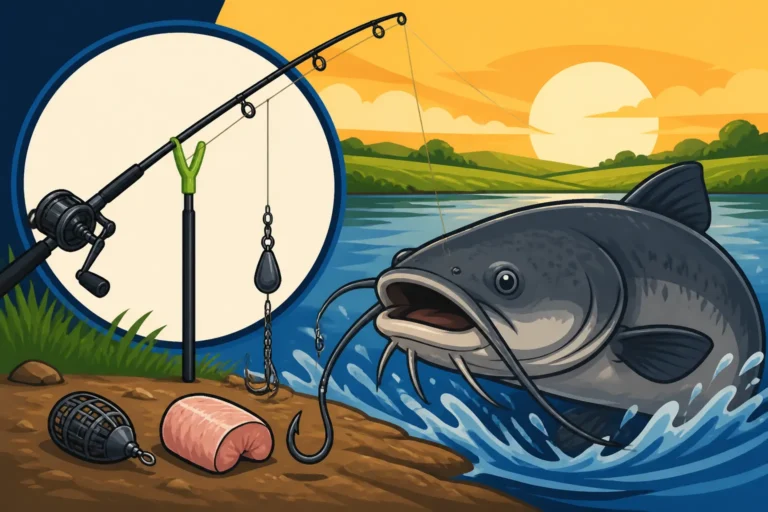
- Light Spinning Rod and Reel: A light to ultralight spinning rod, around 5 to 6 feet long, paired with a small spinning reel (size 500-1000) is perfect. This setup allows for delicate presentations and makes even smaller trout feel like a trophy.
- Light Line: Spool your reel with 4 to 6-pound test monofilament or fluorocarbon line. The lighter line is less visible to the trout and allows for better casting of small baits and lures.
- Small Hooks: Size 8 to 14 hooks (aberdeen or treble hooks, depending on bait) are ideal for trout's smaller mouths.
- Small Sinkers/Split Shots: You'll need just enough weight to get your bait down. Small split shot or sliding egg sinkers work well.
- Bobbers: A small bobber can be invaluable for suspending your bait at a specific depth, especially when fishing near the bottom.
- Landing Net: A small, fine-mesh landing net can help you safely land and release fish, minimizing stress on the trout. You can find a variety of affordable nets on Amazon.
- Pliers/Forceps: Essential for safely removing hooks from trout, which sometimes swallow baits deep.
- Warm Clothing: Don't forget, this is primarily a "winter" season! Dress in layers, wear a warm hat, gloves, and waterproof boots. Kansas winters can be unpredictable, so being prepared for cold and damp conditions is key to enjoying your time outdoors.
- Cooler: If you plan to keep your catch (and remember to check the Kansas Daily Creel Limits by Species for trout), a small cooler with ice is important to keep the fish fresh.
With the right gear and knowledge, you'll be well on your way to catching some beautiful Kansas trout. Don't be afraid to experiment with different baits and presentation styles; sometimes, what worked yesterday won't work today. Flexibility is key to success! If you want to refine your technique even further, our guide on How to Catch Rainbow Trout offers plenty of pointers.
Here’s a quick summary to help you plan your trout adventure:
| Feature | Details |
|---|---|
| Official Permit Season | November 1st – April 15th |
| Primary Stocking Months | November through March |
| Required Permits | Kansas Fishing License + Kansas Trout Permit (for designated waters) |
| Adult Trout Permit Cost | ~$14.50 |
| Youth Trout Permit Cost | ~$7.00 |
| Main Trout Species | Rainbow Trout (occasionally Golden Rainbow Trout) |
| Typical Locations | Community Fishing Lakes, State Fishing Lakes, select KDWP waters |
| Recommended Baits | PowerBait, worms, corn, small spinners, spoons, mini jigs |
| Recommended Tackle | Ultralight spinning rod/reel, 4-6 lb line, small hooks (size 8-14) |
Disclaimer
The information provided in this guide is for general informational purposes only and is subject to change. Fishing regulations, license requirements, and stocking schedules are determined by the Kansas Department of Wildlife and Parks (KDWP) and can be updated at any time. It is always the angler's responsibility to review the most current KDWP fishing regulations summary before heading out on the water.