Does Wind Direction Affect Kansas Walleye Fishing?
Oh, the wind! If you've spent any time on a Kansas lake, you know that wind isn't just a nuisance; it feels like it has a personal vendetta against your fishing plans. Many of us have been out there, battling white caps and struggling to keep our boats on course, all while wondering if the fish even care. But believe me, walleye absolutely care about wind direction and strength, and understanding its impact can dramatically improve your success. This guide will help you decode the wind's secrets, so you can stop fighting it and start using it to your advantage to catch more walleye.
Understanding the Basics of Wind's Influence on Walleye
The wind isn't just moving your boat; it's actively reshaping the underwater world in subtle yet profound ways that dictate where walleye will be and how they'll behave. It's a critical factor that often gets overlooked, or simply cursed, by anglers. But once you start thinking about the science behind it, you'll see opportunities you never noticed before.
The Walleye's Relationship with Current and Structure
Walleye are masters of efficiency. They're built to conserve energy, which means they're always looking for places where food comes to them, or where they can ambush prey with minimal effort. This is where wind-generated current becomes incredibly important. When wind consistently blows across a large body of water like Milford Lake or Cheney Reservoir, it creates a surface current. This surface current then causes a subsurface current, especially around structural elements.
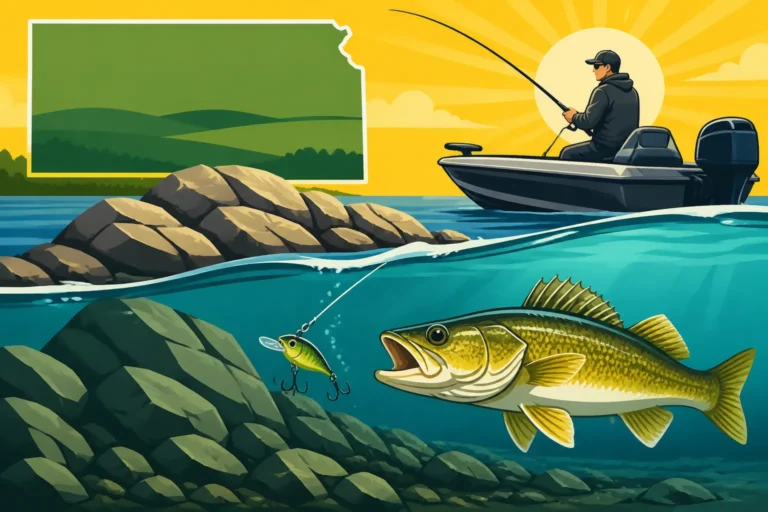
Think about a rocky point or a submerged hump. As the wind pushes water against these structures, it creates current breaks. Walleye will often position themselves on the "down-current" side of these structures, much like a trout in a stream, waiting for baitfish to be swept past them. This also concentrates baitfish, which are often less powerful swimmers, making them easier targets for hungry walleye. If you're struggling to find walleye, start by looking for those wind-blown points and understanding how the current is sweeping around them. It's all about finding that subtle current seam where baitfish gather and walleye lurk.
How Wind Affects Water Clarity and Temperature
Wind doesn't just create current; it's a powerful mixer. On shallower lakes or reservoirs, strong winds can stir up the bottom, especially in areas with softer sediment, leading to reduced water clarity. Walleye, being sight feeders, generally prefer water that's not overly muddy. However, they're also opportunistic predators and will use slightly stained water as a camouflage advantage against their prey. The key is finding the right balance. Too much turbidity, and they might move to clearer areas. Just enough stain, and they're in their element.
Furthermore, wind plays a huge role in water temperature. A persistent wind blowing from a certain direction can push warmer surface water, creating "thermal breaks" or concentrating warm water on one side of a lake. Conversely, a strong cold wind can cool down shallow areas rapidly. Walleye are sensitive to temperature changes, often seeking out their preferred temperature range. For instance, a warm south wind pushing across a long flat can concentrate warmer water and active baitfish on the leeward shore, creating a prime feeding zone. Meanwhile, the windward shore might be cooler and churned up, making it less appealing. Keeping an eye on the water clarity and temperature in different areas of the lake, especially in relation to the wind, is a critical part of developing a successful Kansas Walleye Fishing Techniques strategy.
Decoding Wind Directions and Walleye Behavior
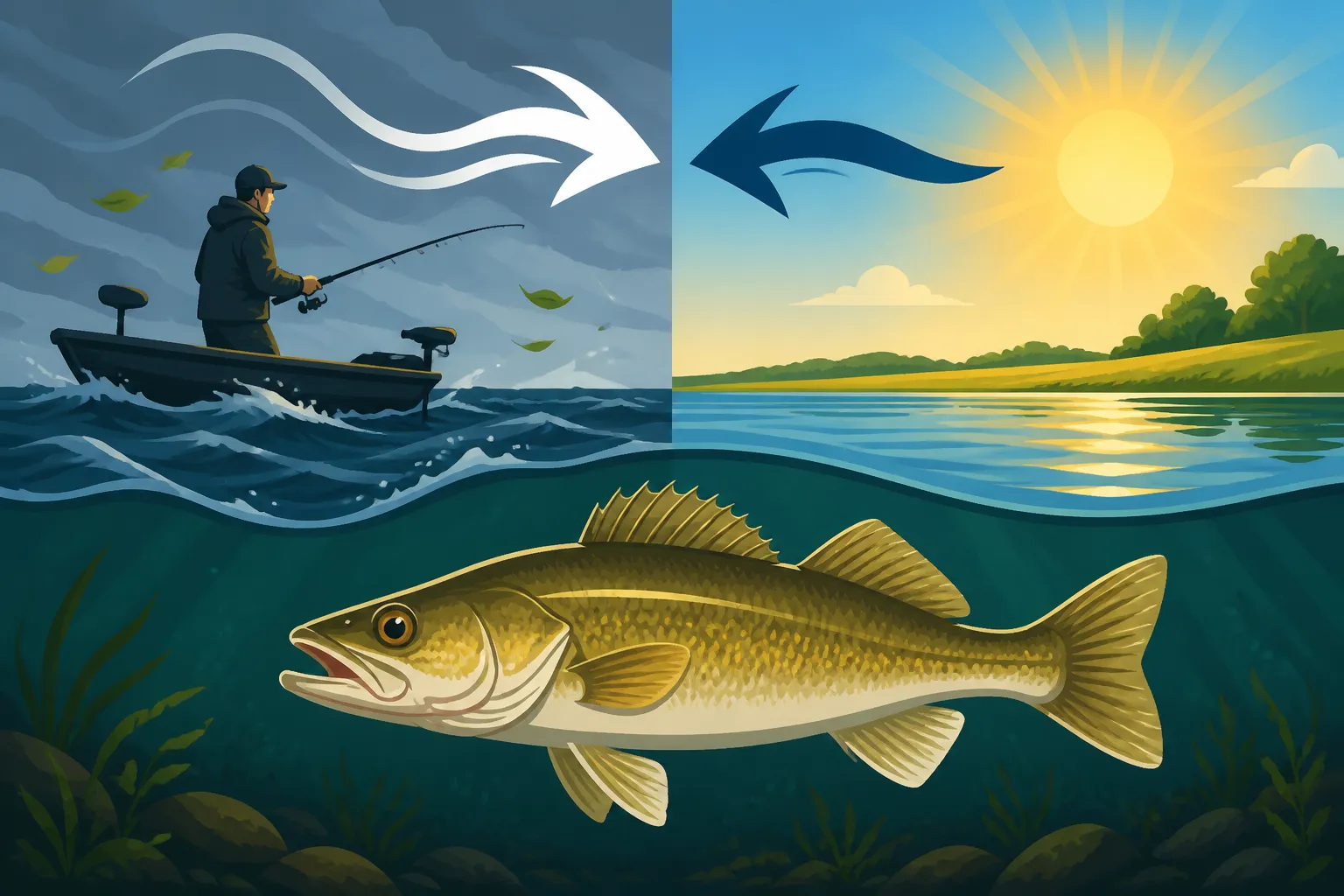
The old saying "wind from the east, fish bite least; wind from the west, fish bite best" holds more truth than many give it credit for, though it's not an absolute rule. Each wind direction can signal different weather patterns and, consequently, different walleye behaviors. Understanding these nuances can help you predict where the fish might be active, or where they might be hunkered down.
East Wind: "Fish Bite Least" – Fact or Fiction?
Ah, the dreaded east wind. This old fishing adage is one that many seasoned anglers swear by, and for good reason. An east wind often accompanies a shift in barometric pressure, specifically a falling or low-pressure system, which can precede storms or unsettled weather. Fish, including walleye, are quite sensitive to changes in barometric pressure. When the pressure drops, it can sometimes make them feel uncomfortable, reducing their activity levels and making them less inclined to feed aggressively. It's like they have a headache and aren't in the mood for dinner.
While it's true that an east wind can make fishing tougher, it doesn't mean you should pack up and go home. Walleye still need to eat. If you find yourself facing an east wind, focus on slower presentations, like vertical jigging or slow-trolling with live bait. Walleye might be holding tighter to structure or deeper in the water column, so a more precise, less aggressive approach is often key. Remember, any current, even a subtle one created by an east wind, can still concentrate bait and provide a feeding lane. Sometimes, even when the fish "bite least," persistence with the right technique can still yield results.
West and North Winds: Often Bringing Stability
When the wind shifts to the west or north, it often heralds more stable weather conditions, especially after a cold front has passed. North winds, in particular, often follow the leading edge of a high-pressure system, bringing clear skies and stable air pressure. This stability can often put walleye into a more predictable and active feeding pattern. They're more comfortable, less stressed by changing conditions, and more likely to roam and hunt.
During a west or north wind, you'll often find walleye relating tightly to current breaks created on the wind-blown sides of points, humps, and submerged rock piles. The consistent breeze can keep baitfish pushed up against these structures, making them prime ambush points. This is a great time for active presentations like casting crankbaits or Trolling for Walleye on Kansas Reservoirs along contour lines. The cooler, clearer water associated with a north wind can also invigorate walleye, prompting them to chase down lures. Look for areas on the lake that are receiving the brunt of the wind – these can often be your most productive spots.
South Wind: Warmth and Activity
A south wind often brings warmer air and can be a fantastic sign for walleye fishing, especially during the cooler months of spring and fall. As a south wind blows across the water, it pushes warmer surface water, which can activate baitfish. These baitfish, in turn, become more accessible targets for walleye. This is particularly true on large, shallow flats or long main-lake points. The warmth and increased baitfish activity can turn sluggish walleye into aggressive feeders.
During a south wind, I'll often target the wind-blown shorelines and shallow flats where that warmer water and baitfish are congregating. Casting crankbaits, swimbaits, or even using a slip-bobber with a live minnow can be incredibly effective. The chop created by a south wind also helps to break up the water's surface, providing a bit of camouflage for the walleye and making them less wary of anglers and boats. On reservoirs like El Dorado Lake, a persistent south wind can stack fish on expansive shallow zones, creating incredible fishing opportunities. Don't be afraid to fish shallower than you might expect when that south wind is blowing!
Strategic Fishing Approaches Based on Wind
The wind might feel like your adversary, but in reality, it's a powerful ally if you learn how to read its cues and adapt your fishing strategy. Instead of simply enduring the wind, savvy anglers use it to pinpoint walleye and optimize their presentations. It's all about finding the advantage in the chaos.
Fishing Wind-Blown Banks and Points
When the wind is whipping across a Kansas reservoir, it's not a bad thing for walleye. In fact, it's often exactly what they're looking for! Wind-blown banks, points, and humps are like a buffet line for walleye. The current created by the wind pushes baitfish against these structures, concentrating them into a tight zone. Walleye will sit on the down-current side of these structures, facing into the wind-generated current, waiting to ambush any unsuspecting shiner or shad that gets swept their way.
For these active walleye, aggressive techniques often pay off. Casting crankbaits, especially those that dive to match the depth of the structure, can be incredibly effective. Consider using a brighter color or a lure with a strong vibration to cut through the chop and grab attention. Another great option is to troll parallel to these wind-blown contours. This allows you to cover a lot of water and present your lure directly into the feeding zone. For instance, on a place like Wilson Lake, famous for its walleye, finding a wind-swept rocky point and working it thoroughly with a deep-diving crankbait can be incredibly productive. Remember to adjust your retrieve speed; sometimes a faster, more erratic retrieve mimics a struggling baitfish, while other times a slow, steady retrieve is all it takes.
Seeking Out Calm Pockets and Lee Sides
While wind-blown areas attract active feeders, not all walleye are looking for a fight. Sometimes, especially after a strong front or when the wind is particularly brutal, walleye might seek refuge in calmer, more protected waters. These "lee" sides or calm pockets can be found behind larger islands, inside deeper coves, or in the lee of prominent points. Here, the water is typically clearer and less turbulent, offering a comfortable sanctuary.
When targeting these calmer areas, your approach needs to shift. The walleye here are often less aggressive and more likely to be suspended or holding tight to cover. Slower, more finesse presentations are usually the ticket. Think about vertical jigging with a spoon or a soft plastic, or using a live bait rig, such as a slip-bobber with a minnow or nightcrawler. A quality fish finder, like those you can find on Amazon, becomes an invaluable tool here, allowing you to locate those elusive fish holding tight to subtle breaks or suspended off the bottom. These calmer spots might require more patience, but they can be a goldmine, especially when the main lake is too rough to fish effectively. Consider areas in Clinton Lake where deeper coves offer shelter; these can be prime spots for less active walleye.
Adjusting Your Boat Control and Presentation
Fishing in the wind can be a challenge for boat control, but mastering it is crucial for consistent success. A good trolling motor, especially a bow-mount electric one, is a non-negotiable piece of gear for windy conditions. It allows you to precisely control your boat's drift or hold your position over a specific spot, even against considerable chop. Many anglers will also use drift socks, which act like underwater parachutes, to slow down their boat's drift and maintain a more consistent presentation, particularly when drifting large flats or humps. You can find a variety of reliable drift socks on Amazon to match your boat size and fishing style.
When it comes to presentation, the wind can either help or hinder you. Use the wind to your advantage when possible; let it naturally push your boat and present your baits. For instance, drifting a jig-and-minnow combo across a productive flat with the wind can be incredibly effective, allowing your bait to cover ground naturally. However, the wind can also create slack in your line, making it harder to detect subtle bites. To combat this, use heavier jigs or sinkers than you normally would, and keep your rod tip low to the water to minimize wind interference on your line. Paying close attention to your line and using sensitive rods are key to feeling those light walleye bites in windy conditions. Mastering these boat control and presentation adjustments will significantly increase your odds on any windy day.
Essential Gear and Safety Considerations for Windy Days
Fishing on windy days, especially on large Kansas reservoirs, requires more than just knowing where the fish are. It demands the right gear to maintain control and ensure your safety. Overlooking these aspects can quickly turn a challenging day into a dangerous one.
Must-Have Gear for Battling the Breeze
When the wind picks up, your standard tackle might not cut it. First and foremost, you'll want to ensure you have heavier weights and jigs in your tackle box. Light jigs and sinkers will simply get swept away by the current or lose contact with the bottom, making it impossible to feel a bite. Packing a variety of jig head weights, from 1/4 ounce up to 3/4 ounce or even more for really deep or fast drifts, is a smart move. Heavy bottom bouncers are also indispensable for keeping your bait on the bottom while trolling or drifting in windy conditions.
Beyond weights, consider your line. Braided line, with its lack of stretch and thin diameter, offers superior sensitivity and cutting power in the wind, allowing you to feel subtle bites even with slack in the line. A good pair of polarized sunglasses is also critical to cut through glare and spot subtle changes in water color or structure, especially in choppy conditions. And as mentioned, a quality bow-mount trolling motor, preferably one with GPS anchoring capabilities, is a game-changer for maintaining boat control. You can browse various options for these essential items on Amazon, often finding great deals to upgrade your windy-day arsenal. Don't forget a durable set of Best Lures for Kansas Walleye that can handle being worked aggressively in chop.
Prioritizing Safety on Windy Kansas Waters
While we're all eager to chase those walleye, safety should always be your top priority, especially when Mother Nature throws a curveball. Wind can turn a calm lake into a dangerous washing machine in a matter of minutes. Always check the weather forecast before heading out, and be prepared for conditions to change rapidly. If the forecast calls for sustained high winds or gusts, it might be safer to reschedule or opt for a smaller, more sheltered body of water like one of the many Kansas Community Fishing Lake Rules allow.
Wearing a life jacket is non-negotiable on windy days, even if you're an experienced swimmer. Choppy water makes it incredibly difficult to re-enter a boat if you fall out, and hypothermia can set in quickly, even in moderately cool water. Ensure all passengers, especially children, are wearing properly fitted life jackets. Large reservoirs like Milford Lake or Tuttle Creek Lake can develop genuinely dangerous waves when the wind blows consistently from one direction. Know your boat's limitations. If your boat feels overwhelmed by the waves, it's time to head back to the ramp. It's far better to miss a few bites than to put yourself or your fishing partners in harm's way. Always tell someone your float plan, including where you're going and when you expect to return. For more detailed information, consult the Kansas Life Jacket and Boating Safety Guide.
Wind Direction and Walleye Strategy Cheat Sheet
To help you quickly adapt to whatever the Kansas wind throws your way, here’s a quick overview of how different wind directions might influence walleye behavior and what strategies you can employ.
| Wind Direction | Typical Weather/Pressure | Walleye Behavior Trend | Recommended Fishing Strategy | Key Gear/Tactics |
|---|---|---|---|---|
| East | Falling/Low Pressure, Unsettled, Pre-stormy | Less aggressive, deeper, tight to structure | Slower, finesse presentations. Target deeper breaks, calm pockets. | Heavy jigs, live bait, slip-bobbers, vertical jigging. |
| West | Stable, often clear skies, moderate pressure | More active, relating to wind-blown structure | Active presentations. Target wind-blown points, humps. | Crankbaits, jigging (horizontal), trolling. |
| North | Stable High Pressure, Cooler, Clear Skies | Consistent activity, often relating to current | Focus on wind-generated current breaks, clear water. Can be good for both active and passive methods. | Trolling, casting crankbaits, jigging. Pay attention to water clarity. |
| South | Warming air, rising temps, moderate chop | Active, shallower, following baitfish | Target wind-blown flats, shallow points, warmer water. | Shallow-diving crankbaits, swimbaits, slip-bobbers with live bait. |
| No Wind | High pressure, stable, clear. Can be tough. | Often suspended, deeper, less active | Finesse, stealth. Target main lake points, deep structure. Look for low light bite. | Small jigs, light line, deep trolling, night fishing (if allowed). |
This table provides a general guideline, but remember that local conditions, time of year, and even specific lake characteristics (like if it's a deep clear lake or a shallower turbid one) will always play a role. Always be willing to experiment and adjust!
Disclaimer
This article is for general informational purposes only and does not constitute professional advice. Laws, prices and regulations vary by location and change over time. Consult a qualified professional for guidance on your specific situation.