How to Fish From Shore at a Kansas Reservoir
It's a familiar scenario for many Kansas anglers: you're gazing out at the vast, shimmering expanse of a reservoir like Milford or Cheney, longing to get a line in the water, but alas, you don't have a boat. The thought of fishing these massive bodies of water exclusively from the bank can feel overwhelming, like trying to empty a swimming pool with a teacup. This comprehensive guide is here to change that perception, showing you exactly how to approach shore fishing at Kansas reservoirs effectively and enjoyably, proving you don't need a fancy boat to find fantastic fish.
Understanding Kansas Reservoirs from Shore
Fishing from the bank at a large reservoir presents a unique set of circumstances compared to a smaller pond or river. These are dynamic, expansive environments, and understanding their characteristics is key to unlocking successful shore fishing experiences.
The Unique Challenges of Shore Fishing Reservoirs
When you're restricted to the shoreline, you instantly face a few common hurdles. First, there's the sheer size of the water body. Reservoirs like Wilson Lake or Tuttle Creek Lake cover thousands of acres, and from shore, you can only access a tiny fraction of that. This often means fish, especially species like walleye or striped bass, can be holding in deeper, offshore structures that feel completely out of reach. Secondly, the depth can drop off slowly from the bank in many areas, requiring long casts to reach deeper water where bigger fish might lurk, or conversely, it can drop off too quickly, making it hard to find fish that are feeding in shallower zones.
Another challenge is covering water. A boat allows you to move quickly, prospecting different areas until you find active fish. As a shore angler, your mobility is limited to how far you can walk. This makes strategic location selection paramount. You can't just pick any spot; you need to find areas that naturally concentrate fish or offer favorable access to deeper water. Lastly, crowded bank fishing spots can sometimes be an issue, especially on popular weekends. It requires patience and sometimes a willingness to explore less-trafficked areas to find your own slice of fishing heaven. Despite these hurdles, with the right approach, shore fishing can be incredibly rewarding, often leading to catches that surprise even seasoned boat anglers.
Key Features to Look for Along the Shoreline
Don't let the vastness intimidate you; instead, learn to read the shoreline like a treasure map. The most productive spots for shore anglers on Kansas reservoirs often share common features. Look for points that extend out into the water. These act like underwater highways, funneling fish past them as they move along the lakebed, and can often offer access to deeper water without needing an extremely long cast. Coves, especially those with some submerged timber or brush, can be excellent nurseries for baitfish and, in turn, attract predatory species like crappie and bass. During the spring, these shallower, warmer areas are prime spawning grounds.
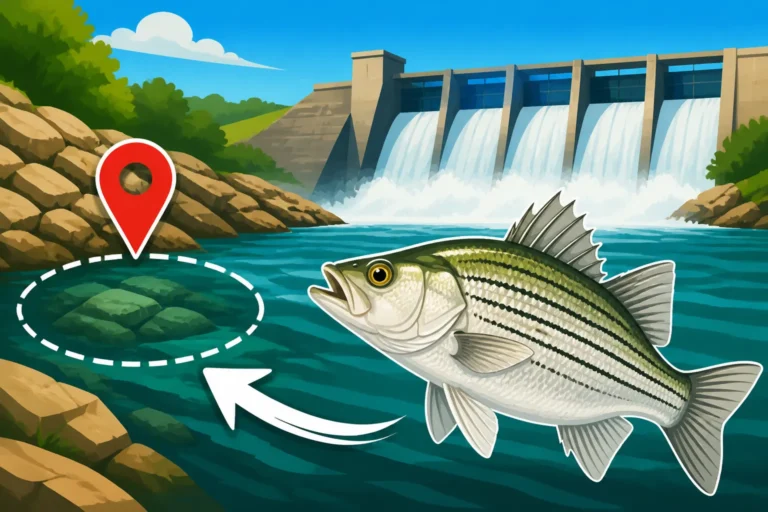
Rip-rap, the rocky banks often found near dams, bridges, or causeways, is another hotspot. These rocks provide cover for baitfish and crawfish, attracting larger game fish that patrol these areas for an easy meal. The deep water often associated with these structures, combined with the abundance of forage, makes them irresistible to species like walleye and catfish. Pay attention to changes in bottom composition, if you can feel them through your line, or observe them visually in clear water. Patches of weeds, rock piles, or old stumps can all hold fish. You might even find some of the Best Bank Fishing Spots in Kansas are known for these very features. Lastly, areas with current, such as below dams or where rivers feed into the reservoir, can be phenomenal, as moving water concentrates bait and oxygen, attracting active feeders.
Essential Gear for Successful Shore Fishing
You don't need to break the bank to outfit yourself for shore fishing, but having the right tools for the job will significantly increase your success and enjoyment. Think versatile, durable, and manageable gear.
Rods, Reels, and Line for Reservoir Bank Anglers
When selecting your rod for reservoir shore fishing, versatility is the name of the game. A medium-heavy to heavy power spinning rod, anywhere from 7 to 9 feet in length, is often ideal. This length gives you the casting distance needed to reach deeper water or cover more ground from a fixed position, while the medium-heavy power provides the backbone to handle larger fish like channel catfish or wipers, and to throw a variety of lures. Match this with a reliable spinning reel in the 3000 to 4000 size range, capable of holding a good amount of line and offering a smooth drag system. Brands like Shimano or Daiwa offer excellent options at various price points, and you can often find great deals on reliable setups on Amazon.
For line, consider a quality monofilament or fluorocarbon in 10-15 pound test, or a braided line in 20-30 pound test. Braided line offers superior casting distance, sensitivity, and strength, which can be a huge advantage when fishing from shore. If you use braid, consider tying on a fluorocarbon leader (8-12 lb test) for abrasion resistance and invisibility, especially in clear reservoir waters. Having a second, shorter rod (6.5-7 feet, medium power) can also be useful for lighter presentations, like bobber fishing for crappie or bluegill closer to shore. Remember, the goal is a setup that allows you to present your bait effectively at a distance and then confidently bring in whatever bites. For more specific recommendations, check out a guide on the Best Rod Length for Bank Fishing.
Tackle Box Essentials for Multi-Species Success
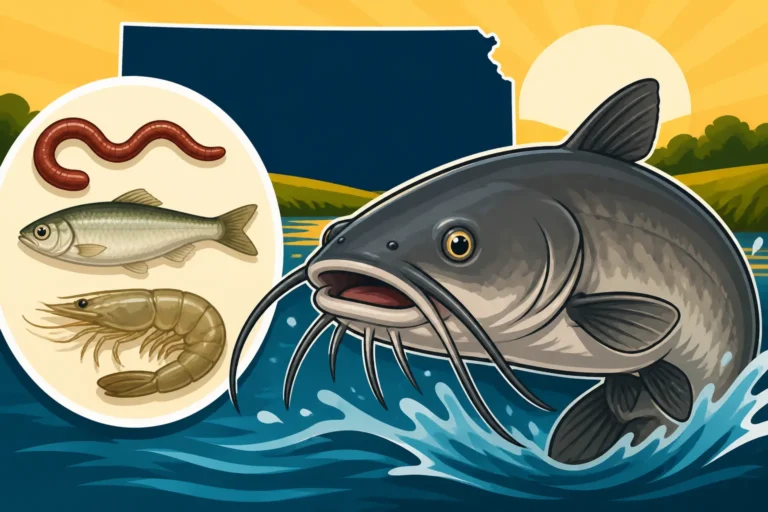
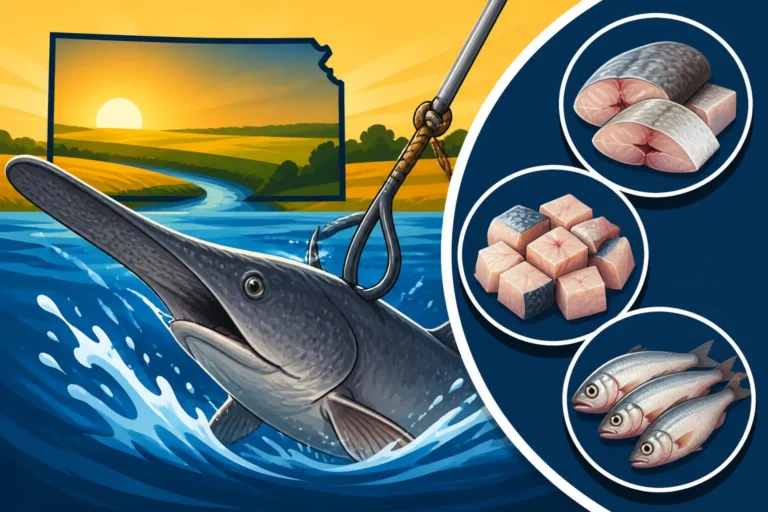
Your tackle box needs to be a compact arsenal, ready for whatever a Kansas reservoir throws at you. Since you're targeting multiple species, think multi-purpose. For bait, live worms or nightcrawlers are universal fish catchers, appealing to everything from crappie to catfish. Cut bait, like shad or skipjack, is a deadly choice for catfish. If you're wondering about specifics, a guide on the Best Bait for Kansas Catfish can offer deeper insights. For artificials, keep a selection of jigs (1/8 oz to 1/2 oz) in various colors, especially white, chartreuse, and black, paired with soft plastic grub or paddle tail trailers. These are fantastic for crappie, white bass, and even walleye.
Crankbaits and lipless crankbaits, in sizes appropriate for your rod, are excellent for covering water and targeting active walleye, bass, and white bass. Silver, chrome, and firetiger patterns are often productive. Additionally, a few spinnerbaits or inline spinners can attract bass and white bass. Don't forget terminal tackle: a variety of hooks (Aberdeen, Kahle, circle hooks in sizes 2 to 4/0), an assortment of sinkers (split shot, bullet weights, egg sinkers, bell sinkers), swivels, and bobbers (slip bobbers are particularly useful for adjusting depth). A pair of pliers for hook removal and line cutters are also non-negotiable. Organizations for your tackle, like a good tackle bag or a robust tackle box from a brand found on Amazon, will make your life much easier, keeping everything organized and accessible.
Proven Techniques for Catching Fish from Shore
Effective shore fishing isn't just about showing up with a rod; it's about employing techniques that compensate for your limited mobility and maximize your chances of connecting with fish.
Targeting Common Kansas Reservoir Species
Kansas reservoirs are teeming with a diverse array of fish, and from shore, you can target many of them effectively.
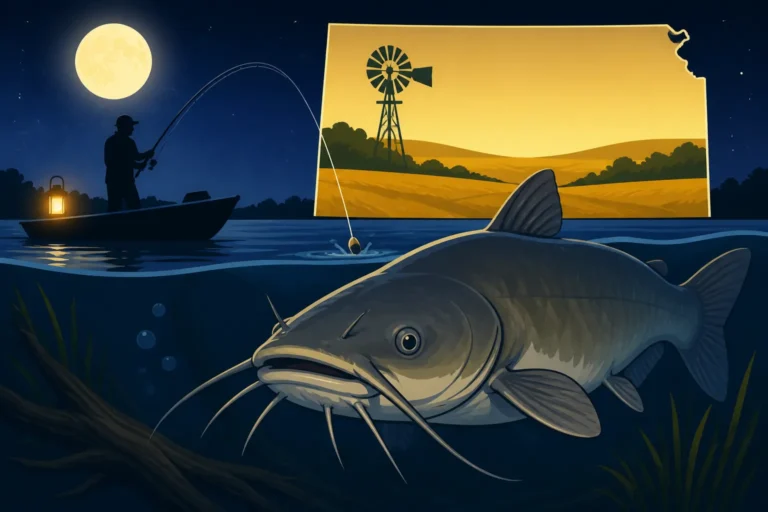
Catfish: Channel catfish are arguably the most accessible species for bank anglers. They patrol shorelines, especially at dawn, dusk, and throughout the night. A classic bottom rig, like a slip-sinker rig with a single hook baited with cut bait, nightcrawlers, or prepared stink bait, is highly effective. Cast it out, let it sink to the bottom, and wait. Look for areas with a gentle current or near deeper holes. For more advanced tactics, consider exploring Kansas Catfish Fishing Techniques.
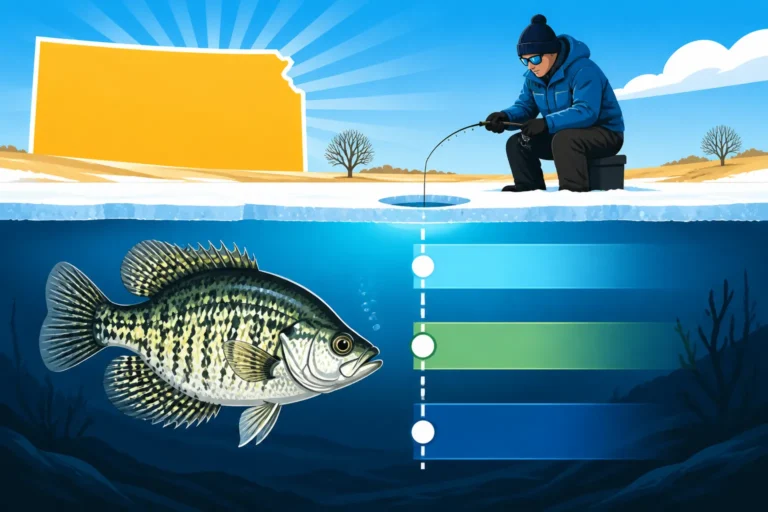
Crappie: These panfish are a favorite among many Kansas anglers. In spring, they move into shallow coves and brushy areas to spawn, making them highly accessible from shore. A small jig (1/16 to 1/8 oz) under a slip bobber, tipped with a minnow or a tiny soft plastic grub, is deadly. Cast it near submerged cover like brush piles, fallen trees, or dock pilings, and let it sit. As the water warms in summer, they may move deeper, but can still be caught on jigs worked slowly along drop-offs if you can reach them. Many anglers find the Best Bait for Kansas Crappie to be a small minnow.
Walleye: While often associated with boat fishing, walleye can be caught from shore, especially during low-light conditions or when they move shallower to feed. Rip-rap shorelines, rocky points, and dam faces are prime locations. Casting crankbaits, lipless crankbaits, or jigging with soft plastic swimbaits or a jig-and-minnow combination can be very productive. Fish these baits slowly along the bottom or just above it. Dawn, dusk, and even nighttime are often the most fruitful times for shore-bound walleye anglers. To truly dial it in, check out Kansas Walleye Fishing Techniques.
White Bass: These feisty fighters are a blast from shore, particularly during their spring spawning runs up rivers and creeks that feed into reservoirs. During these runs, they school up in large numbers and will aggressively strike small spoons, inline spinners, or small white or silver crankbaits. Even outside the runs, look for them schooling baitfish near points or along windy shorelines.
Reading the Water and Adapting Your Approach
One of the biggest differences between just fishing and catching fish from shore is the ability to read the water and adapt. Since you can't move around as freely as a boat angler, you need to make every cast count. Start by fan casting, systematically casting your lure or bait to different areas in a fan shape from your position. This helps you explore the immediate area and determine if fish are holding in a particular depth or structure. Pay attention to changes in the bottom as you retrieve your lure – feeling rocks, mud, or weeds can tell you a lot about the underwater landscape.
Weather conditions also play a huge role. A strong wind blowing into a particular shoreline can push baitfish there, making it an excellent feeding ground for predatory fish. Conversely, calm, clear days might push fish deeper or make them warier. Adjust your lure choices and presentation speeds accordingly. After a rain, muddy runoff can create current seams and turbidity lines that concentrate bait and attract fish. Don't be afraid to experiment with different baits, lures, and retrieval speeds until you find what the fish are responding to on that particular day. Observing other anglers (respectfully, of course) can also provide clues about what's working. Being adaptable is your superpower as a shore angler.
Maximizing Your Shore Fishing Experience
Shore fishing is more than just catching fish; it's about enjoying the peace and beauty of Kansas's natural landscapes. A little preparation for comfort and safety goes a long way.
Safety and Comfort Considerations
Spending hours on the bank can be a serene experience, but it’s important to plan for safety and comfort. First and foremost, always be aware of your surroundings. If fishing near the water's edge, especially on slippery or uneven terrain, consider wearing appropriate footwear. If you're planning to wade, even just a little, a Kansas Boating Safety Equipment Requirements guide might remind you that a life jacket is a wise precaution, especially if you're alone or fishing unfamiliar waters. Always let someone know where you're going and when you expect to return. Be mindful of potential wildlife encounters, and never leave trash behind.
For comfort, a sturdy, portable chair or stool can be a game-changer, especially during long waits for catfish bites. A cooler packed with water, snacks, and perhaps a sandwich is essential, particularly during the warmer months when consulting a Kansas Summer Fishing Guide might be wise. Sun protection is critical: wear a wide-brimmed hat, sunglasses (polarized lenses are amazing for spotting fish or submerged structure), and apply sunscreen liberally. A good headlamp or lantern is indispensable if you plan on fishing at dawn, dusk, or into the night. Consider bringing a small, collapsible fishing cart or wagon if you have a bit of a trek from your vehicle to your chosen spot, as it will save your back from hauling heavy gear.
Respecting the Environment and Other Anglers
As anglers, we have a responsibility to protect the natural resources we enjoy and to ensure a positive experience for everyone on the water. This starts with practicing "leave no trace" principles. Pack out everything you pack in, including all your trash, discarded fishing line, and bait containers. Don't litter, and if you see litter, consider picking it up. It benefits everyone.
Be mindful of other anglers. Maintain a respectful distance, especially if they were there first. Casting over someone else's line or crowding their space is poor etiquette. If you're walking along the bank, try to do so quietly and avoid disturbing their fishing spot. Observe all Kansas Fishing Regulations Explained, including daily creel limits and length limits for various species. Keeping only what you need and releasing healthy fish responsibly helps maintain strong fish populations for future generations of anglers. If you're fishing in a Kansas State Park, remember there might be additional rules, like needing a Kansas State Park Vehicle Permit for Anglers in addition to your fishing license. By being a considerate and responsible angler, you contribute to a positive fishing community and help preserve Kansas's beautiful fishing opportunities for years to come.
Disclaimer
This article is for general informational purposes only and does not constitute professional advice. Laws, prices and regulations vary by location and change over time. Consult a qualified professional for guidance on your specific situation.