How to Fish a Kansas Pond in Winter
Many Kansas anglers pack away their rods when the temperatures drop, thinking winter means the end of good fishing, especially in smaller ponds. But let me tell you, that couldn't be further from the truth! While challenging, winter pond fishing in Kansas offers incredible solitude and often some fantastic catches if you know how to approach it. This guide will walk you through everything you need to know to safely and successfully fish Kansas ponds during the colder months, whether you're battling open water or venturing onto the ice.
Understanding Winter Pond Dynamics in Kansas
When the crisp autumn air gives way to the biting chill of winter, the underwater world of a Kansas pond undergoes a significant transformation. It's not just about the surface freezing over; the entire ecosystem shifts, impacting where fish live, what they eat, and how they behave. Understanding these dynamics is the first step to becoming a successful winter angler. Many folks assume all fish go dormant, but really, it's more about finding their comfort zone.
Why Ponds Change in Winter
First off, water temperature is everything. As the air cools, the surface water of a pond cools down, becomes denser, and sinks, pushing warmer water (which is still above freezing, around 39 degrees Fahrenheit or 4 degrees Celsius) deeper. This process, known as "turnover," can happen in both fall and spring, but in winter, it creates distinct layers. Eventually, the surface freezes, creating an insulating layer of ice. This layer protects the water below from further heat loss and wind, which actually stabilizes the environment for the fish.
Underneath that ice, or even in open-water periods during a mild winter, fish metabolism slows down. They're not as active, they don't need to eat as much, and they tend to congregate in specific areas where conditions are most stable. Oxygen levels can also become a concern, especially in smaller, shallower ponds with thick ice and heavy snow cover that blocks sunlight, reducing aquatic plant photosynthesis. This is why targeting the right spots becomes absolutely crucial. Ponds are often fed by springs or have deeper sections, and these are key to finding active fish.
Another factor is vegetation. Submerged weeds that were thriving in summer die back in winter. While some might still provide cover, their lushness is gone. This changes the ambush points for predatory fish and the feeding grounds for panfish. You'll often find fish relating more to hard structure like timber, rock piles, or steep drop-offs rather than the sparse remnants of summer weeds. This shift in habitat preference is something every smart angler pays close attention to.
Common Fish Species in Kansas Ponds in Winter
Kansas ponds, especially the well-managed community fishing lakes and even many farm ponds, hold a variety of species that can be successfully targeted in winter. You're not just limited to one type of fish, which makes it exciting! Understanding what you're likely to catch helps you tailor your gear and techniques.
Panfish Powerhouses: Crappie, bluegill, and redear sunfish are often the stars of winter pond fishing. These species tend to school up in deeper areas, seeking stable temperatures and protection. They might be a bit lethargic, but they're still willing to bite. Finding a school can mean fast action, even on the coldest days. They are a fantastic target for beginners because they are usually quite numerous.
Catfish Crusaders: While channel catfish might be less active, they don't completely shut down. They'll often move to the deepest parts of the pond and can still be caught, especially if you present a bait right on their nose. Flathead catfish are even more sluggish in winter, often burrowed down, but a persistent angler might still find one. Blue catfish, if present in larger ponds or community lakes, will behave similarly to channel cats. Just don't expect the same frenzied bite as in summer. You can learn more about specific species in our Kansas Catfish Species Guide.
Trout Tactics: Many Kansas ponds and community lakes are stocked with rainbow trout during the colder months. These "put-and-take" fisheries provide an excellent opportunity for winter fishing. Trout are often quite active in cold water, making them a prime target. You'll definitely want to check out our Kansas Winter Trout Fishing Guide for specific tips if you plan on targeting these beauties. They are often stocked in late fall and early winter, so they are readily available.
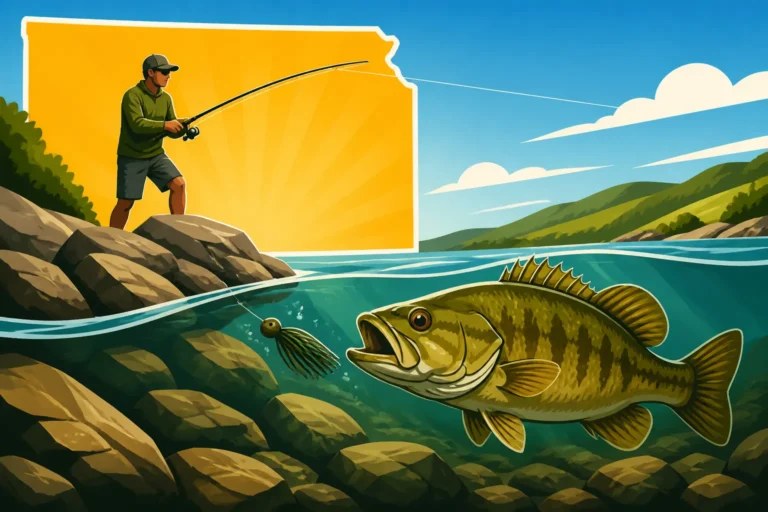
Bass Battles: Largemouth bass will also slow down in winter, moving to deeper structure like submerged timber, rock piles, or points. They'll hold tight to cover and won't chase baits aggressively. A slow presentation is key to enticing a strike. Smallmouth bass, if found in some rockier pond environments, will behave similarly, preferring hard bottom and structure. Catching a lunker bass in winter can be a real trophy accomplishment, thanks to their slower metabolism allowing for very precise presentations.
Essential Gear for a Successful Winter Pond Trip
Okay, let's talk gear. This isn't your summer setup! Winter pond fishing, whether it's open water or through the ice, requires specific equipment to keep you safe, warm, and effective. Skimping on the right gear can quickly turn a fun day into a miserable one. Trust me, I've learned that lesson the hard way more than once.
Staying Warm and Safe
First and foremost, your personal comfort and safety are paramount. Cold can sneak up on you faster than you think, especially when you're relatively inactive by the water. Layers are your best friend. Start with a moisture-wicking base layer, add insulating middle layers like fleece or down, and top it off with a waterproof and windproof outer shell. Don't forget a warm hat, gloves or mittens, and insulated, waterproof boots. You can often find great deals on quality base layers and insulated outerwear on a site like Amazon.
For ice fishing, safety equipment is non-negotiable. You absolutely need ice picks around your neck, ready to use if you break through. A spud bar is crucial for checking ice thickness as you move, and a throw rope or flotation device can be a lifesaver for you or a fishing buddy. An emergency whistle to signal for help is also a wise addition. Never, ever go onto the ice alone without checking the conditions, and always let someone know where you're going and when you expect to be back. Seriously, your life could depend on it. Our Kansas Ice Fishing Safety Tips has even more crucial advice.
Here's a quick checklist for your winter pond outing:
| Category | Essential Items | Notes |
|---|---|---|
| Personal Safety | Ice picks, spud bar, throw rope, whistle | For ice fishing, absolutely mandatory. |
| Warmth & Comfort | Layered clothing, insulated waterproof boots | Crucial for staying out longer and enjoying the experience. |
| Warm hat, insulated gloves/mittens | Extremities lose heat quickly. | |
| Navigation | GPS or compass, fully charged phone | Know your surroundings, especially on larger lakes or unfamiliar ponds. |
| First Aid | Basic first aid kit | Always a good idea for any outdoor activity. |
| Hydration | Thermos with hot beverage, water bottle | Staying hydrated is important even in cold weather. |
| Shelter | Ice fishing shelter (optional for ice fishing) | Offers protection from wind and cold, extends fishing time. |
Tackle and Bait for Cold Water
When it comes to tackle, less is often more, and finesse is key. Fish aren't aggressively chasing baits, so smaller presentations are usually more effective. Light to ultra-light rods and reels are perfect for feeling those subtle winter bites. A 24- to 30-inch ultra-light ice rod paired with a small spinning reel spooled with 2-4 pound test monofilament or fluorocarbon is ideal for panfish and trout. For bass or larger catfish, you might bump up to a medium-light setup with 6-8 pound line.
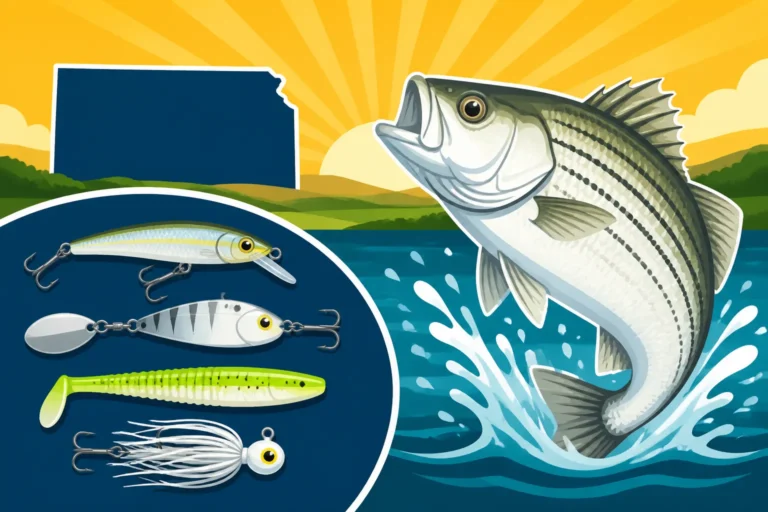
Lures: Think small jigs! Tiny tungsten jigs, often tipped with a grub, wax worm, or a small plastic, are deadly for crappie, bluegill, and trout. Spoon-style lures, small blade baits, or even miniature crankbaits can work for bass or larger panfish, especially when jigged vertically. Don't forget to pack a variety of colors, as fish can be picky on any given day. Sometimes, a bright chartreuse is the ticket, other times a more natural brown or black.
Bait: Live bait is often the most effective choice in cold water because of its natural scent and movement. Wax worms, mealworms, spikes, and small minnows are staples for panfish and trout. For catfish, cut bait or prepared baits might still work, but remember they are less active. If you're targeting trout, specifically, checking out our Best Bait for Winter Trout article will give you even more specialized advice. Make sure to keep your live bait from freezing – a small insulated bait bucket can help. Some anglers even keep a hand warmer in their bait container.
Electronics: A good quality fish finder or flasher can be an absolute game-changer, especially for ice fishing. It allows you to see your lure, detect fish, and understand their depth and behavior. Brands like Garmin and Humminbird offer excellent portable options that are often available on Amazon. Being able to see how fish react to your presentation lets you adjust your technique in real-time, making you much more efficient. It's truly like having x-ray vision into the underwater world.
Strategic Approaches to Winter Pond Fishing
Okay, you're dressed for success and have your gear ready. Now, where do you go, and how do you convince those sluggish winter fish to bite? This is where strategy comes in. Winter fishing, whether on open water or ice, is often about precision and patience.
Locating Fish in Cold Ponds
Finding fish is perhaps the biggest challenge in winter. In summer, they're spread out, but in winter, they consolidate.
Deeper is Better: During winter, the warmest water (around 39 degrees Fahrenheit) sinks to the bottom. Fish will often gravitate to the deepest sections of the pond where temperatures are most stable. Look for basin areas, old creek channels, or sharp drop-offs. These are winter sanctuaries for many species.
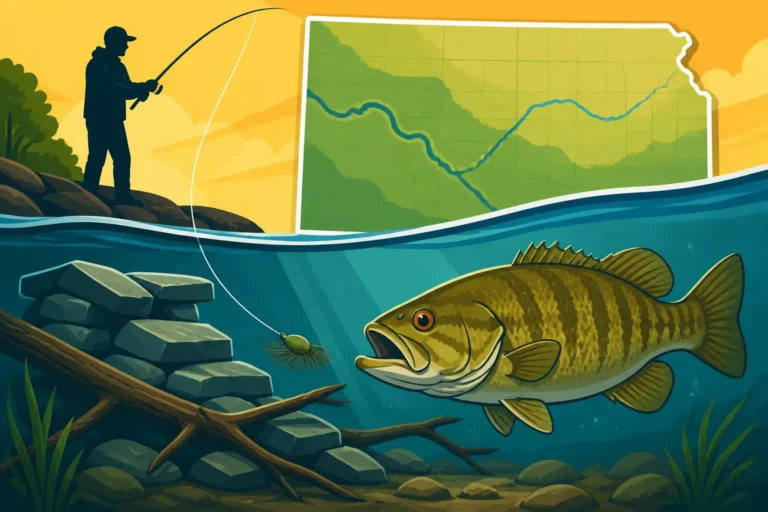
Structure is Key: Submerged timber, rock piles, brush piles, and even artificial fish attractors become magnets for fish. These structures provide cover, ambush points, and a slight thermal advantage. If you know where these features are from summer fishing, revisit them. If not, use a topographical map or your fish finder to locate them. Even a single submerged tree can hold a surprising number of fish.
Edge Work: Don't completely discount shallower areas, especially if there's remaining green vegetation or a distinct edge where the deep water meets a flat. On warmer, sunny winter days, fish might push up slightly shallower to feed. This is especially true for bluegill and sometimes crappie. If you're fishing open water without ice, the sunny side of the pond might warm up slightly faster and attract baitfish, drawing in predators.
Oxygen Levels: In ponds with heavy ice and snow cover, oxygen can become depleted in very shallow areas. Fish will move away from these zones to deeper, more oxygenated water. This is another reason why deeper basins are often more productive. In some smaller, older ponds, you might even see fish hugging the underside of the ice where small pockets of oxygen can accumulate. This is less common but worth noting.
Best Techniques for Winter Pond Species
Once you've found a likely spot, your presentation needs to be slow and deliberate.
Vertical Jigging: This is the bread and butter of winter fishing. Whether through an ice hole or from a boat in open water, vertical jigging a small lure or live bait directly below you is incredibly effective. Tiny tungsten jigs, small spoons, or even teardrop jigs tipped with bait are perfect. The key is minimal movement. Just a slight twitch or lift, followed by a long pause, is often all it takes. Think of it as inviting the fish to come take a look, rather than forcing them to chase.
Deadsticking: This is a technique often used in conjunction with jigging. Have one rod in a rod holder (or resting on a bucket if ice fishing) with a baited hook or small jig sitting perfectly still, often just above the bottom. The lack of movement can sometimes be more enticing than an active presentation to sluggish fish. Many anglers will use a single wax worm or a small minnow on a plain hook for deadsticking. Sometimes, the subtle current or movement of the bait itself is enough.
Sight Fishing (for panfish/trout): If you're ice fishing and have clear ice, or a small open hole, sometimes you can actually see the fish! This is incredibly exciting and allows you to adjust your presentation in real-time. Drop your bait, watch how the fish react, and fine-tune your jigging motion. You'll quickly learn what they like and what they ignore. This is often done in conjunction with a quality fish finder, which helps you see the fish even if the water isn't perfectly clear.
Patience is a Virtue: Winter bites are often incredibly subtle. It might feel like a slight tap, a spongy feeling, or simply added weight. Don't expect a rod-bending strike. Watch your line closely for any unusual movement, or pay attention to even the slightest twitch on your rod tip. A bobber or spring bobber can be a huge asset in detecting these light bites, especially for panfish. Our article How to Catch Fish in Cold Water in Kansas goes into more depth on these techniques.
Considering Ice Fishing or Open Water
The "how" of fishing a Kansas pond in winter often boils down to whether it's iced over or not. Our state sees a mix of both throughout the season, and it can even change week by week!
Open Water Winter Fishing: If the pond isn't completely frozen, you'll be fishing from the bank or a boat. Bank fishing involves casting small jigs, grubs, or spoons, working them very slowly along drop-offs or near submerged cover. Pay attention to calm, sunny days when fish might move shallower. For boat anglers, utilizing a fish finder to locate schools of fish in deeper water and then vertically jigging or casting soft plastics extremely slowly is effective. Remember that even without ice, the water is cold, and fish are lethargic, so slow and steady wins the race.
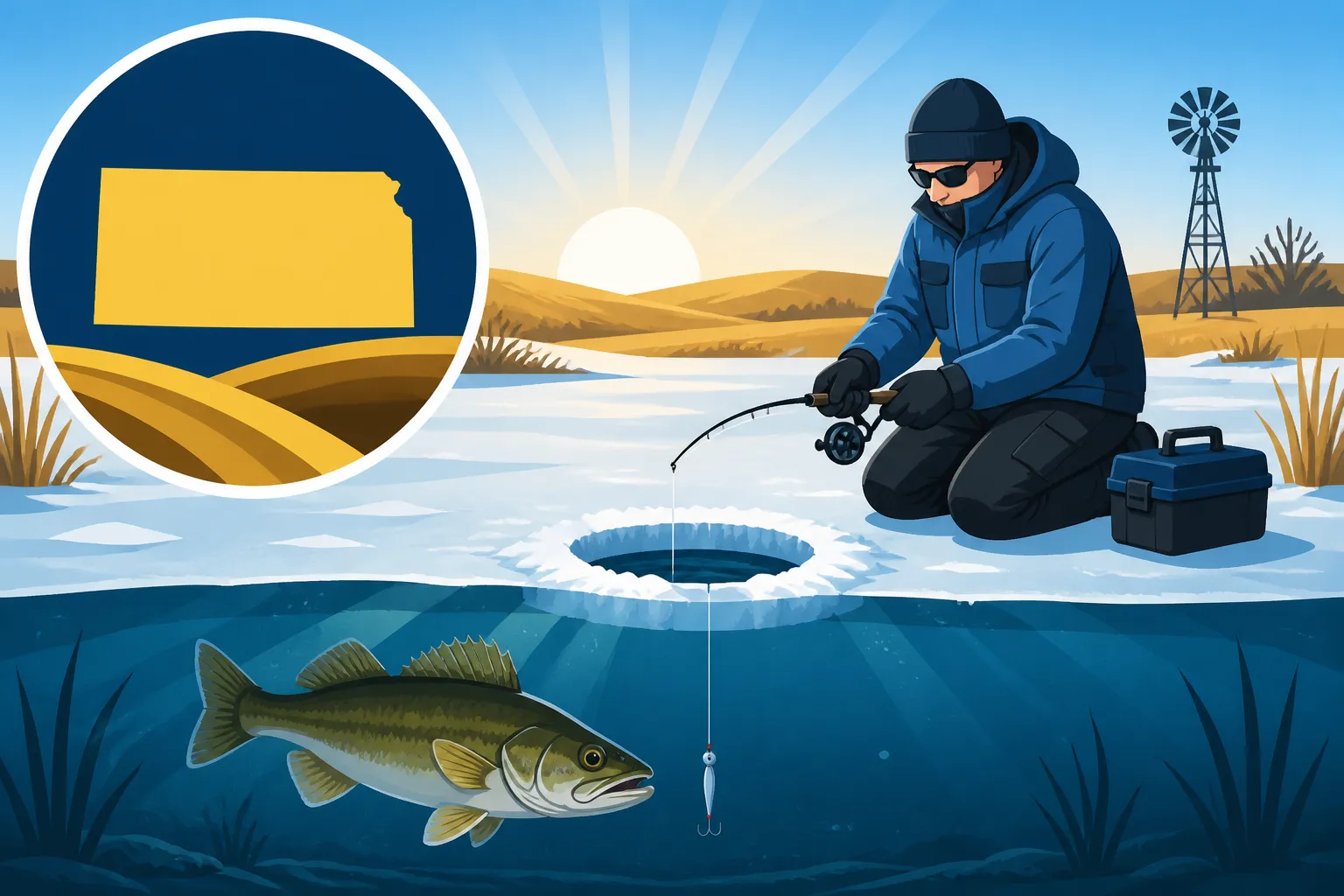
Ice Fishing: When the ice is safe, a whole new world of angling opens up. Ice fishing allows you to access spots that are impossible to reach from the bank in warmer months. Drilling multiple holes in promising areas (deep basins, structure, drop-offs) and moving frequently until you find active fish is a common and effective strategy. Each hole is like a new opportunity to drop your line into a hidden pocket of fish. The sheer silence and solitude of ice fishing are an experience in themselves. For a deeper dive into this unique method, check out our Kansas Ice Fishing Guide.
Safety First: Ice and Cold Weather Considerations
I can't stress this enough: safety is paramount when fishing in cold weather, especially when ice is involved. A memorable catch is never worth risking your life. Always err on the side of caution. Conditions can change rapidly, and what seemed safe one day might be dangerous the next.
Assessing Ice Conditions
Before you even think about stepping foot on the ice, you need to assess the conditions carefully. There are no guarantees with natural ice, and its thickness can vary dramatically even within the same pond. Factors like hidden springs, fluctuating water levels, and even snow cover (which insulates and can prevent solid freezing) can create weak spots.
Know the Minimums: As a general rule, many experts recommend a minimum of 4 inches of clear, solid ice for safe foot travel. For snowmobiles or ATVs, you're looking at 5-7 inches, and for light vehicles, 8-12 inches. These are general guidelines, though, and you should always perform your own checks. Our guide How Thick Does Ice Need to Be to Fish? has even more details on this crucial topic. This isn't just about weight; it's about the integrity of the ice.
Check as You Go: A spud bar is your best friend. Tap it ahead of you as you walk, listening for changes in sound and feeling for resistance. A solid thud means good ice, while a hollow sound or easy penetration means you need to back off. Drill test holes frequently, especially as you move into new areas, to visually inspect the ice thickness and quality. Pay extra attention near inlets, outlets, bridges, or any areas with current, as these will always have thinner ice.
Color and Texture: Clear, "black" ice is generally the strongest. White or opaque ice (often due to refreezing snow or slush) is much weaker. Slushy areas are a big warning sign. Also, be wary after a warm spell or heavy rain, even if temperatures drop again, as the ice integrity might be compromised. Remember that Is Ice Fishing Safe on Lakes? highlights that no ice is ever 100% safe.
Essential Safety Practices
Beyond checking the ice, there are other crucial safety measures you must always follow.
Dress Appropriately (Again!): We covered layers, but it bears repeating. Hypothermia is a silent killer. Have extra dry clothes in a waterproof bag, just in case. If you do break through, those ice picks will help you get back out, but getting out of wet clothes and into dry ones immediately is vital.
Never Fish Alone: Always go with a buddy. If something goes wrong, having someone there to help or call for help can save a life. This is especially true for ice fishing or when fishing remote ponds in extreme cold. Cell phone service isn't always reliable in rural Kansas, so don't count on it as your sole lifeline.
Tell Someone Your Plans: Inform a family member or friend of your exact location and your expected return time. This way, if you don't check in, they know where to start looking. This simple step is one of the most effective safety precautions you can take.
Carry Emergency Gear: Beyond the ice picks and throw rope, a fully charged cell phone (in a waterproof case), a whistle, and a basic first aid kit are absolute must-haves. A headlamp or lantern is also vital if you plan to be out near dawn or dusk. Some anglers even carry a small, portable power bank to keep their phone charged, especially if using it for navigation or fish finders.
Know the Regulations: Always be aware of the specific regulations for the pond you are fishing. This includes general Kansas Fishing Regulations Explained, but also any specific rules for community lakes or state fishing lakes, which can sometimes have unique limits or restrictions. Ignorance of the law is never an excuse, and it could lead to penalties.
Fishing a Kansas pond in winter can be an incredibly rewarding experience, offering peaceful solitude and some excellent fishing opportunities. With the right knowledge, gear, and a healthy respect for the conditions, you can extend your fishing season well into the colder months. Get out there, be safe, and tight lines!
Disclaimer
This article is for general informational purposes only and does not constitute professional advice. Laws, prices and regulations vary by location and change over time. Consult a qualified professional for guidance on your specific situation.