Is Night Fishing Legal on Kansas Reservoirs?
There's nothing quite like the peace and quiet of fishing under a blanket of stars, but if you've ever wondered if casting lines after dark is actually allowed on Kansas reservoirs, you're not alone. Many anglers assume that once the sun dips below the horizon, fishing opportunities disappear, or worse, that they're breaking some obscure rule. This guide is here to clear up that confusion, explore the nuances of night fishing regulations across our beautiful state, and equip you with the knowledge to enjoy those tranquil nocturnal hours on the water safely and legally.
Understanding Kansas Night Fishing Regulations
The good news for night owls and dedicated anglers is that, generally speaking, yes, night fishing is legal on many Kansas reservoirs and public waters. However, like most things in life and especially in fishing, it's not a blanket rule that applies uniformly everywhere. The specifics can depend on the managing agency of the particular body of water you're visiting. This is where the confusion often creeps in, and it's totally understandable to feel a bit lost trying to navigate the different sets of rules.
You might be thinking, "Why can't it just be simple?" And honestly, it's a fair point. But think about it from the perspective of managing vast stretches of water, wildlife, and public access across different jurisdictions. What works for a small community fishing lake might not be appropriate for a massive federal reservoir. The key is knowing who manages the lake or reservoir you're eyeing for a nighttime excursion, and then familiarizing yourself with their specific guidelines. Usually, the Kansas Department of Wildlife and Parks (KDWP) sets the overarching regulations, but federal lands (like those managed by the Army Corps of Engineers) or local entities might have additional layers of rules. Always check the local signage or the specific lake's page on the KDWP website.
State-Managed Waters and KDWP Rules
For the most part, if a reservoir or lake is managed directly by the Kansas Department of Wildlife and Parks, night fishing is typically permitted. These are your Kansas State Fishing Lakes and many of the larger reservoirs where KDWP maintains public access areas. The general assumption is that if the area is open for day use, it's open for fishing around the clock, unless explicitly stated otherwise.
However, there can be exceptions, particularly in designated areas or during certain times. For example, some sensitive wildlife areas might have restricted access after dark, or specific boat ramps might have gate closures during certain seasons. It's rare, but it happens. Imagine planning a whole night trip only to find the access road chained off! That's why it's always worth a quick check of the KDWP's current fishing regulations summary. You'll often find information about general rules like Kansas Fishing Regulations Explained, which covers the basics that apply to most state-managed waters. They're usually more concerned with things like proper lighting on boats, fishing limits, and ethical angling practices than they are with anglers simply being out after sunset.
Federal Reservoirs and Army Corps of Engineers Rules
Kansas is home to several large reservoirs that are managed by the U.S. Army Corps of Engineers (USACE), such as Milford Lake, Cheney Reservoir, Wilson Lake, and Tuttle Creek Lake. These federal properties often have their own set of rules that might differ slightly from KDWP guidelines, especially concerning park amenities, campgrounds, and specific boat ramps.
The good news is that for the vast majority of these federal reservoirs, night fishing is also perfectly legal and a popular activity. Many dedicated anglers swear by night fishing on these larger bodies of water, especially during the warmer months, as the fish tend to be more active and the crowds thin out. However, access points can sometimes be a point of contention. While the water itself is open, some park areas or boat ramps might have gates that close after dark, especially in developed recreation areas. It's not usually to prevent fishing, but more for general park security or to prevent vandalism. Always look for signage at the entrance to boat ramps or recreation areas. If a gate closes, you'll want to make sure your vehicle isn't locked in (or out!) before you launch your boat or set up for an evening on the bank. Public boat ramps at larger reservoirs are usually accessible 24/7, but it's always wise to double-check.
Community Fishing Lakes and City/County Parks
This is where things can get a little trickier, as rules can vary significantly. Many cities and counties across Kansas manage their own community fishing lakes or ponds within local parks. While these spots are fantastic for a quick fishing trip during the day, they often have specific park hours that might prohibit access after dark.
It's common for city parks to close at 10 PM or 11 PM, and this closure usually extends to all activities, including fishing. These rules are generally in place for public safety, noise ordinances, and preventing loitering. So, while the idea of quietly casting a line in a nearby community pond under the moonlight sounds lovely, it's crucial to check the specific rules posted at the park entrance or on the city's parks and recreation website. You wouldn't want to get a citation just for enjoying a peaceful evening! Always prioritize checking the local rules before heading out, especially for smaller, urban fishing spots.
Essential Gear and Safety for Night Angling
Night fishing isn't just about whether it's legal; it's also about being prepared and staying safe. The darkness brings unique challenges and requirements. You're not just dealing with low visibility; you're also navigating potential hazards, dealing with cooler temperatures, and ensuring you can see what you're doing with your tackle. Don't let these challenges deter you, though! With the right gear and a little common sense, night fishing can be incredibly rewarding.
One of the most common frustrations for new night anglers is feeling unprepared, fumbling with gear, or struggling to see properly. Trust me, I've been there, dropping my bait bucket in the dark or tying a knot by the dim light of my phone. It’s not fun. Investing in a few key pieces of gear can make all the difference between a frustrating night and a fantastic one.
Lighting Up Your Night Fishing Experience
This is perhaps the most critical aspect of safe and effective night fishing. You need light, but not just any light. You need hands-free light, and supplemental ambient light.
- Headlamps: A good headlamp is non-negotiable. It keeps your hands free for baiting hooks, tying knots, and handling fish. Look for one with adjustable brightness settings, and ideally, a red light option. Red light preserves your night vision better than white light and is less disruptive to other anglers or wildlife. You can find a huge variety of reliable headlamps on Amazon, from simple models to those with long-lasting rechargeable batteries. For specific recommendations, check out a guide like Best Headlamp for Night Fishing in Kansas.
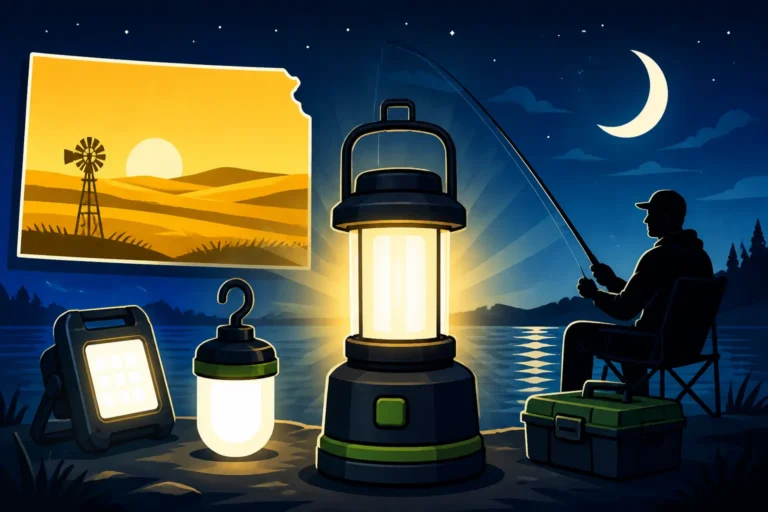
- Lanterns: For ambient light around your fishing spot, a portable lantern is incredibly helpful. This could be a battery-powered LED lantern or even a propane lantern if you're comfortable with it. A lantern provides a general illuminated area, reducing shadows and making it easier to move around your bank setup or boat deck. Again, Amazon offers a wide selection, and a strong recommendation would be to explore options that offer different light settings and long battery life. Consider one with a hanging hook if you're on a boat or fishing under a shelter. A resource like Best Lantern Setup for Night Fishing can help you choose the right one for your needs.
- Boat Lights: If you're fishing from a boat, proper navigation lights are not just recommended, they are legally required in Kansas after sunset. Make sure your bow (red/green) and stern (white) lights are fully functional and visible. Having additional interior lighting for working on deck is also a huge plus for safety and convenience. Remember, Kansas Boating Safety Equipment Requirements spells out exactly what you need to have on board.
Safety First: Essential Gear Beyond Lights
Beyond just seeing, you need to ensure you're protected and prepared for any eventuality in the dark.
- Life Jackets: If you're on a boat, wearing a life jacket is always a good idea, but it's absolutely crucial at night. Low visibility means if you fall overboard, it's much harder for others (or even yourself) to find you. Kansas law has specific requirements, so familiarize yourself with the details in resources like Kansas Life Jacket and Boating Safety Guide. Even from the bank, if you're near deep or fast-moving water, consider wearing one.
- First-Aid Kit: Accidents happen, and in the dark, a minor cut or hook prick can become a bigger issue if you can't see to treat it properly. A well-stocked first-aid kit is essential.
- Insect Repellent: Mosquitoes and other biting insects often come alive at night, especially near water. Don't let them ruin your peaceful evening!
- Warm Clothing: Even on warm summer days, temperatures can drop significantly after dark. Layering is key to staying comfortable.
- Communication Device: Make sure your phone is charged, and consider a portable charger. Let someone know where you're going and when you expect to return, especially if you're fishing alone.
- Spare Batteries/Power Bank: For all your electronics – headlamps, lanterns, fish finders, phones. You don't want to be left in the dark.
- Proper Footwear: Uneven terrain, wet banks, or slippery boat decks are more hazardous in the dark. Wear sturdy, slip-resistant shoes.
Species That Shine After Dark and Best Practices
So, you've confirmed it's legal, you've got your gear, now what? Night fishing isn't just for atmosphere; it's often a prime time to target certain species that become more active under the cover of darkness. The transition from day to night often triggers a feeding frenzy for many fish, as they take advantage of cooler water temperatures and reduced light to ambush prey.
If you've ever struggled to catch certain fish during the bright midday sun, night fishing could be the game-changer you're looking for. It offers a unique opportunity to experience the lake in a different way and often yields impressive results.
Top Species for Night Fishing in Kansas
Many popular Kansas game fish are excellent targets after dark. You'll find that the change in light often makes them bolder and less wary, especially in shallower waters where they might hesitate during the day.
- Catfish (Channel, Blue, Flathead): This is perhaps the quintessential night fishing target. Catfish are highly nocturnal and rely heavily on their sense of smell and barbels to locate food in low light. The biggest cats often move into shallower feeding areas after dark. Whether you're drift fishing from a boat or bank fishing with stink baits or cut bait, night is prime time for these whiskered giants. For more on targeting them, explore Kansas Catfish Fishing Techniques or Best Bait for Kansas Catfish.
- Walleye: While often associated with low-light conditions like dawn and dusk, walleye also feed actively throughout the night, especially during warmer months. They'll often move from deeper, cooler water into shallower rocky areas, points, and humps to chase baitfish. Trolling crankbaits or jigging spoons can be very effective after dark. You might also find them in areas below dams where baitfish congregate. Check out Kansas Walleye Fishing Techniques for more tips.
- Crappie: Similar to walleye, crappie often hold in deeper cover during the day and move shallower to feed at night, especially around structure like brush piles, submerged timber, or bridge pilings. Using submersible lights to attract plankton and baitfish can be a deadly tactic for crappie at night. Small jigs and minnows are always a good bet.
- White Bass / Wipers: These aggressive feeders can have incredible night bite, particularly during their spring and fall runs or when they're chasing baitfish near the surface. Casting small spoons, jigs, or topwater baits can lead to explosive strikes under the stars. They often congregate around underwater humps, points, or lights that draw in their prey.
Best Practices for a Successful and Respectful Night Trip
Fishing at night requires a bit more intentionality than during the day, not just for safety but also for maximizing your chances and respecting other anglers and wildlife.
- Scout During the Day: If possible, visit your chosen fishing spot during daylight hours. This allows you to identify potential hazards, note submerged structure, locate easy access points, and generally get a lay of the land (or water). It's much harder to navigate unfamiliar territory in the dark.
- Minimize Light Pollution: While you need light for safety and efficiency, try to use it judiciously. Turn off bright lights when not actively needed. Use your headlamp's red light setting when possible. This helps preserve your own night vision, is less disruptive to wildlife, and shows courtesy to other anglers who are also enjoying the darkness. Blasting a bright spotlight across the water can spook fish and annoy others.
- Be Quiet and Stealthy: Sound travels further on still night air. Keep conversations low, avoid slamming tackle box lids, and approach your fishing spot or cast your lines as quietly as possible. Fish are often less wary in the dark, but sudden loud noises can still send them scattering.
- Check Weather Conditions: Night fishing often means cooler temperatures, but it can also bring unexpected fog or dew. Be aware of changing weather, potential for storms, and wind conditions, especially if you're on a boat.
- Organize Your Tackle: Before darkness fully sets in, organize your tackle box and rig up some baits. Fumbling for hooks or tying intricate knots in the dark is frustrating and time-consuming. Having frequently used items easily accessible will make your night much smoother. Even considering purchasing pre-tied leaders or bait rigs can save precious time when visibility is low. Amazon offers many tackle organization solutions to help.
Navigating Specific Regulations and Local Nuances
While the general rule is "yes, night fishing is legal," it's worth reiterating that local variations are the biggest pitfall. A responsible angler is an informed angler, and a quick check can save you a lot of headache (and potential fines). This is especially true for those specific scenarios that make you scratch your head and wonder, "What about this place?"
It's tempting to just assume, especially if you see others out there, but remember that rules can change, and ignorance isn't a valid defense if you're approached by a game warden. Take the extra five minutes to confirm.
Special Considerations: State Parks and Wildlife Areas
Kansas State Parks often fall under the KDWP umbrella, and generally allow night fishing. However, specific rules can apply within certain developed areas of state parks, such as campgrounds or designated swimming beaches, which might have "quiet hours" or restricted access after certain times. Always consult park entrance signs or the park office.
Wildlife Areas that are primarily managed for hunting or wildlife observation might have stricter nocturnal access rules to minimize disturbance to animals. While a lake within a wildlife area might be open for fishing, the surrounding land access could be restricted. For instance, some areas might require you to be actively fishing or hunting during certain hours, rather than just loitering. This is why a document like Kansas Fishing License Guide is important, as it outlines the basic requirements that give you permission to be on the water.
Private Waters and Landowner Permission
If you're lucky enough to have access to a private pond or lake, the rules regarding night fishing are largely up to the landowner. You will always need explicit permission to fish on private land, regardless of the time of day. If the landowner says it's okay to fish at night, then you're usually good to go, assuming you still adhere to statewide fishing regulations (license, creel limits, etc.).
However, it's a good practice to discuss specifics with the landowner. They might have concerns about noise, lights, or potential damage. A simple conversation upfront can prevent misunderstandings and ensure you remain welcome. Remember that even on private land, certain state regulations like Fishing Rules for Private Ponds in Kansas might still apply regarding species limits or methods.
The Rewards of Night Fishing
Beyond the legality and the gear, there's a reason so many anglers are drawn to night fishing. It offers a completely different experience than fishing during the day, one that many find deeply satisfying and often more productive.
Think about the scorching Kansas summer days. Fish, especially larger ones, often become lethargic and seek deeper, cooler water to escape the heat. They're less inclined to chase baits or be active near the surface. But as the sun sets and the air and water temperatures begin to drop, many species "wake up." The nocturnal world hums with activity, and suddenly, those elusive fish become much more willing to bite.
Peace, Solitude, and Cooler Temperatures
One of the most immediate benefits is the sheer peace and quiet. Day fishing on popular reservoirs can be bustling with pleasure boats, jet skis, and other anglers. At night, that often changes dramatically. The lake transforms into a tranquil haven, and you might find yourself as one of only a handful of souls on the water. This solitude can be incredibly therapeutic, allowing you to truly connect with nature without distractions.
Then there's the temperature. During those sweltering July and August days, the midday sun can be brutal. Night fishing offers a welcome reprieve from the heat, making for a much more comfortable experience for both you and the fish. It means you can stay out longer, focus better, and avoid the sunburn and dehydration that often plague daytime anglers in the summer.
Targeting Trophy Fish and Active Feeders
As mentioned, many fish species that are shy during the day become bolder and more active under the cover of darkness. This means night fishing often provides better opportunities to hook into larger, trophy-sized fish. Whether it's a massive flathead catfish cruising shallow flats, a big walleye moving onto a rocky point, or a schooling wiper feeding aggressively, the darkness can be your secret weapon.
It's a different challenge too. Relying more on your other senses, feeling subtle bites, and navigating in low light sharpens your angling skills. There’s a certain thrill in hearing a splash in the darkness and knowing a big fish is on the line, even before you see it. So, while the question "Is night fishing legal on Kansas reservoirs?" is important, the even bigger question might be, "Why haven't you tried it yet?" With the right preparation and respect for the rules, the night can open up a whole new world of fishing adventures.
| Waterbody Type | General Night Fishing Legality | Common Access Hours/Considerations | Key Action for Anglers |
|---|---|---|---|
| KDWP State Fishing Lakes | Generally Permitted | Most public access areas open 24/7 unless otherwise posted | Check KDWP regulations and local signs for exceptions |
| Federal Reservoirs (USACE) | Generally Permitted | Water access usually 24/7; some park areas/boat ramps may have gates | Confirm boat ramp access hours; use proper boat lighting |
| Community Fishing Lakes | Varies by Municipality | Often restricted by city/county park hours (e.g., 10 PM or 11 PM closure) | Crucial: Check specific city/county park rules and signage |
| Private Ponds/Lakes | Permitted with Permission | Dependent entirely on landowner's rules and agreements | Obtain explicit landowner permission for night access |
| Kansas State Parks | Generally Permitted | Park quiet hours or specific area closures may apply | Consult park office or entrance signs |
| Wildlife Areas | Varies by Specific Area | May have restrictions to minimize disturbance to wildlife | Check specific KDWP wildlife area regulations |
Disclaimer
This article is for general informational purposes only and does not constitute professional advice. Laws, prices and regulations vary by location and change over time. Consult a qualified professional for guidance on your specific situation.