How Long Is the Kansas Fishing Season?
One common question that new and even experienced anglers often ask, especially if they're used to fishing in other states, is "How long is the Kansas fishing season?" It’s a completely fair question, because many places have very defined opening and closing dates for fishing, sometimes even for specific species. However, that's not quite how things work here in the Sunflower State, and understanding this key difference can unlock a whole new world of year-round angling opportunities for you.
Understanding the "Always Open" Nature of Kansas Fishing
It's easy to assume that fishing, like hunting, has a specific season with a start and end date. After all, many states implement these structures to manage fish populations and recreational pressure. But Kansas takes a slightly different approach, one that often surprises newcomers.
Why Kansas Doesn't Have a Traditional "Closing" Season
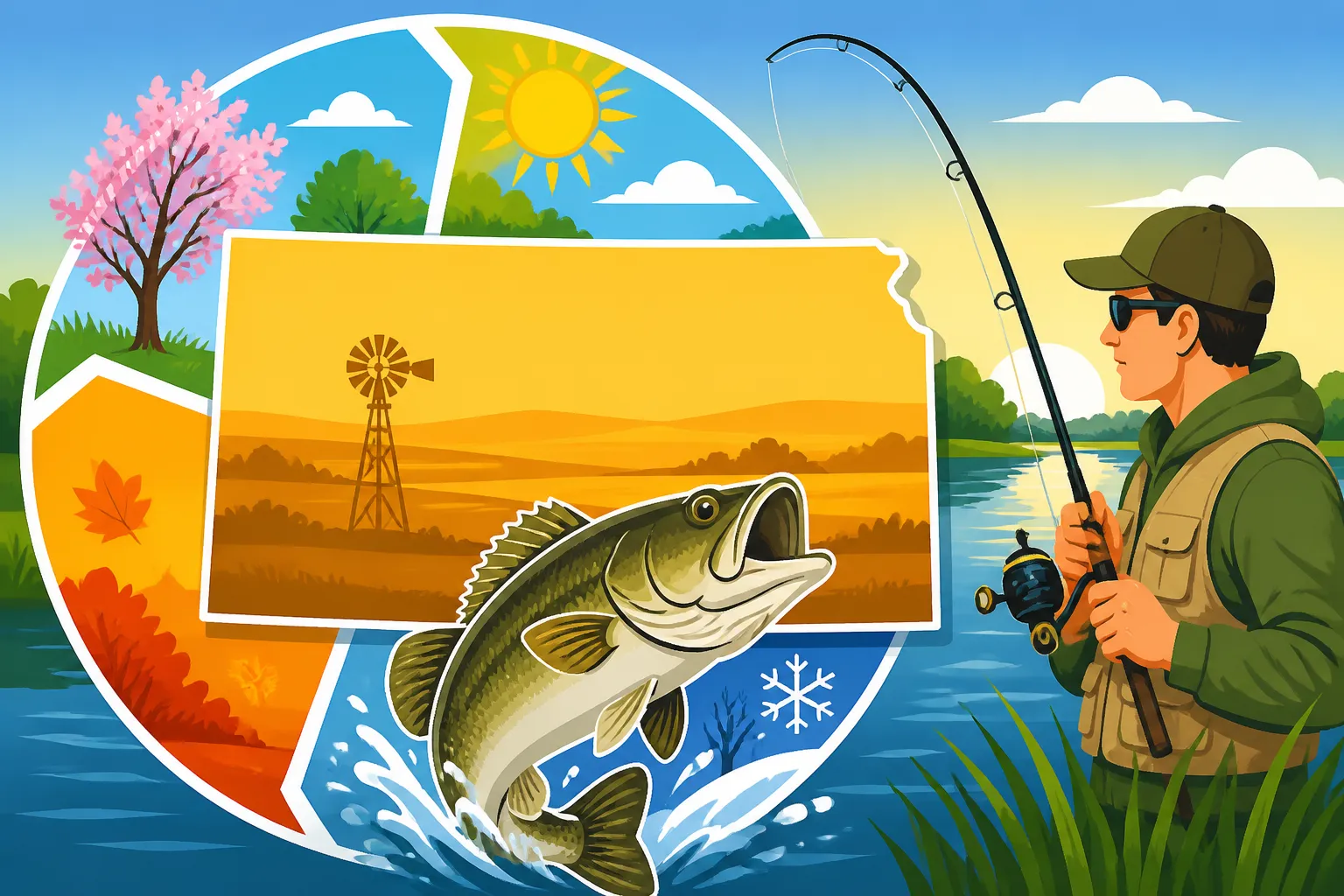
When you ask about the Kansas fishing season, the simplest answer is: it's always open for most species, year-round! That's right, there isn't a statewide "closure" period where you have to hang up your rods and wait for spring. This approach is rooted in the Kansas Department of Wildlife, Parks and Tourism's (KDWPT) management philosophy, which focuses more on specific regulations, like length and creel limits, to protect fish populations rather than blanket closures. It means that whether it's the dog days of summer, the crisp chill of autumn, the icy grip of winter, or the budding warmth of spring, you can almost always find a place to cast a line. This continuous access is a real blessing for dedicated anglers who love to fish in all conditions and for various species.
The Misconception of Fishing Seasons
The idea of a "fishing season" often comes from places where certain species migrate, spawn en masse in sensitive areas, or are vulnerable during specific times, necessitating a break from angling pressure. While fish in Kansas certainly have spawning periods and active feeding windows, the state's diverse aquatic environments and robust management practices mean that a full closure isn't typically necessary. Instead, specific regulations are tailored to protect fish during vulnerable times or to encourage the growth of trophy-sized individuals. For example, you might see slot limits on certain bass species or reduced daily limits during a particular time of year for a specific lake, but the water itself remains open for fishing. This nuanced approach ensures conservation while maximizing recreational opportunities for anglers. It's really about understanding the specific rules for the fish you're targeting and the water you're on, rather than worrying about a universal "closed" sign.
Continuous Opportunity for Anglers
The year-round accessibility in Kansas is a huge perk. It means your passion for fishing doesn't have to be limited to just a few months. If you love the challenge of ice fishing, Kansas offers plenty of opportunities on its frozen lakes and ponds during winter. If you prefer the tranquility of night fishing for catfish, you can do that in the heat of summer. Spring brings the exciting crappie spawn, and fall offers fantastic walleye and bass action as water temperatures cool. This continuity also allows you to hone your skills across different seasons and conditions, making you a more versatile angler. You'll find that many local bait shops and guides embrace this year-round mentality, always ready to share tips on what's biting, no matter the calendar date. Just remember, while the season is always open, you still need to ensure you have your Kansas Fishing License Guide in hand and are up-to-date on all the current rules.
Species-Specific Seasons and Peak Times
While the overall fishing season in Kansas is always open, it's absolutely crucial to understand that fish behavior is very much seasonal. Different species have peak activity times, spawning periods, and preferred habitats that change with water temperature and weather patterns. Knowing these "mini-seasons" for individual species is the secret to consistent success.
Walleye and Crappie: Spawns and Structure Fishing
Walleye and crappie are two of Kansas's most popular game fish, and their activity levels fluctuate significantly throughout the year.
Walleye: Spring Spawning and Fall Feeding Frenzies
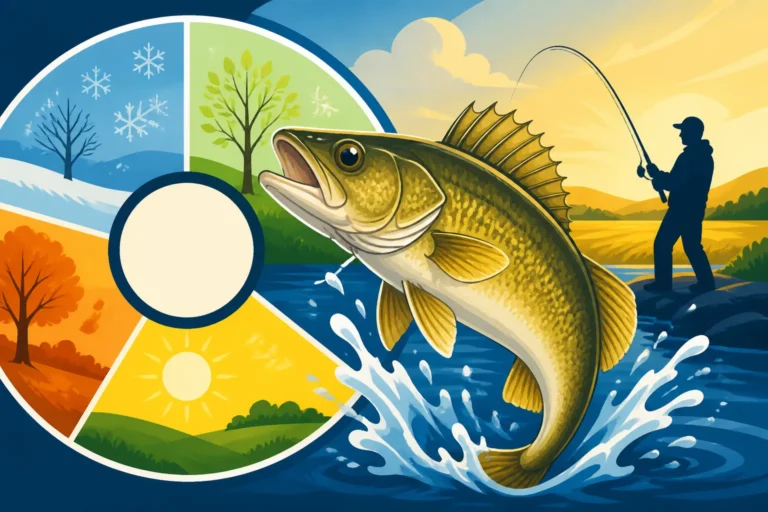
For walleye, the prime time usually kicks off in early spring, often from late March through April, as they move into shallower, rocky areas or tributaries to spawn. This can be a fantastic time for targeting them, especially around riprap or dam faces. After the spawn, they tend to move deeper, often congregating around underwater structures like humps, points, and old creek channels throughout the summer. Fall brings another surge in activity as walleye aggressively feed to pack on weight before winter. You might find them chasing baitfish in shallower water again during this period. Understanding these patterns, combined with checking the Kansas Walleye Length Limits for the lake you're fishing, is key. Gear-wise, many anglers find success with crankbaits, jigs, or live bait rigs, often found easily on platforms like Amazon, throughout these active periods. For more in-depth information, you can check out our Kansas Walleye Fishing Guide.
Crappie: Shallow Water Spawning and Deep Water Holds
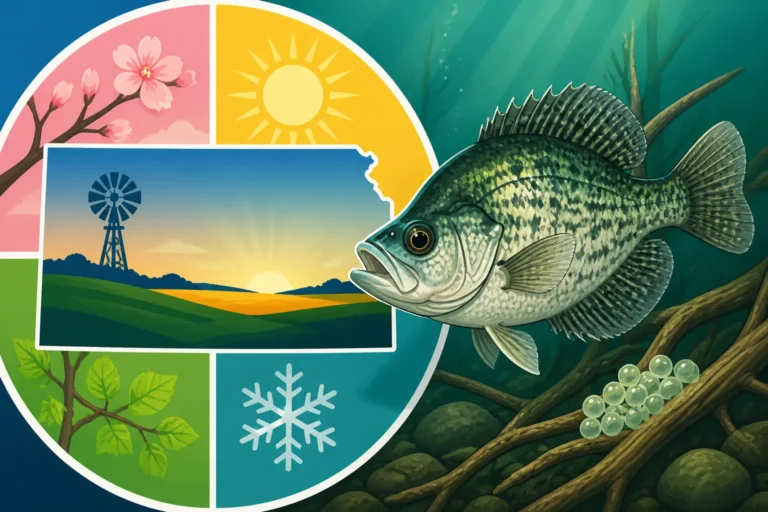
Crappie are another favorite, particularly for their delicious fillets! Their peak "season" often centers around the spring spawn, which typically occurs from April through May when water temperatures hit the sweet spot. During this time, both white and black crappie move into very shallow water, often around brush piles, submerged timber, or docks, making them highly accessible to bank anglers and boaters alike. After the spawn, they generally retreat to deeper brush piles, bridge pilings, and standing timber, where they'll hold through the summer. Fall can offer another good bite as crappie school up and feed actively before winter. Even in winter, dedicated anglers can find crappie holding tight to deep structure, often requiring specialized ice fishing or vertical jigging techniques. Check out our Kansas Crappie Fishing Guide for detailed strategies.
Catfish: Summer Nights and River Runs
Kansas is a fantastic state for catfishing, with healthy populations of channel, blue, and flathead catfish. Their activity is heavily influenced by warm water, making summer their prime season.
Channel and Blue Catfish: Active in Warm Water
Channel catfish are abundant throughout Kansas's lakes and rivers. Their activity picks up significantly as water temperatures rise in late spring and peaks throughout the summer. You'll find them actively feeding both day and night, especially in the evenings and overnight when the air cools. They love prepared baits, cut bait, and even stink baits. Blue catfish, the largest of the Kansas catfish species, also become very active in warm water, often found in the deeper, open waters of larger reservoirs or in strong river currents. The Kansas Catfish Daily Limits vary, so it’s always good to consult the regulations. Many anglers targeting big blues will use large cut bait or shad. Look for active feeding in river bends, deep holes, or along channels.
Flathead Catfish: The Solitary Hunter
Flathead catfish are a different beast altogether. They prefer live bait and often hold in snaggy, woody cover in rivers and larger reservoirs. Like other catfish, their activity is highest in the warmer months, especially from late spring through early fall. Many anglers specifically target flatheads at night, patiently waiting for a bite near submerged logs or rock piles. Their solitary nature and preference for live bait like bluegills or sunfish make them a unique challenge. Regardless of the species, summer night fishing is incredibly popular for catfish, offering a peaceful escape from the daytime heat. Check out our Kansas Night Fishing Guide for tips on how to maximize your success after dark.
Trout: The Winter Stocking Program
While Kansas isn't known for native trout streams like some mountainous states, it does offer a unique and very popular winter trout fishing "season" through its stocking program.
Seasonal Trout Opportunities
From roughly November 1 to March 31, the KDWPT stocks various community lakes and state fishing lakes with rainbow trout. This creates a special, albeit temporary, trout fishing opportunity, often bringing anglers out during the colder months when other species might be less active. To participate, you'll need a Kansas Trout Permit Guide in addition to your regular fishing license. These stocked trout are typically catchable size and provide a fun challenge. Anglers often use light tackle, small spinners, powerbait, or even flies to target them. It's a fantastic way to extend your fishing year and enjoy a different kind of angling. The specific stocking dates can vary, so keeping an eye on KDWPT announcements is always a good idea.
Other Popular Species and Their Activity Windows
Beyond the "big three," many other species offer great fishing throughout the year in Kansas.
Bass (Largemouth, Smallmouth, Spotted)
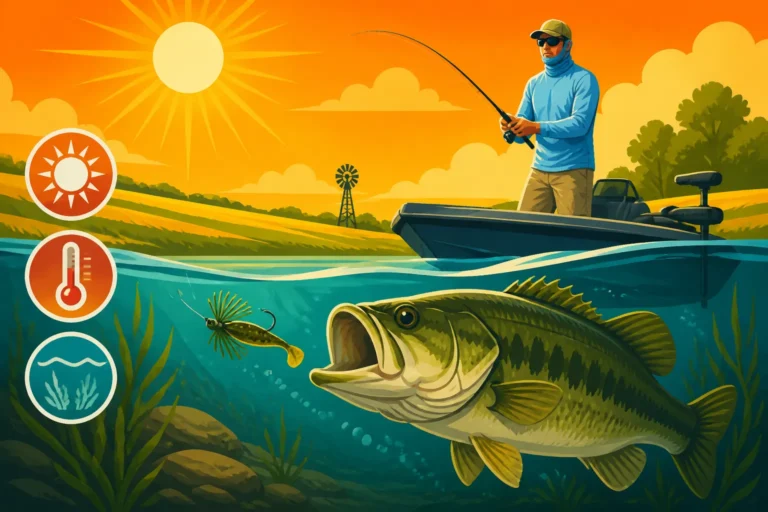
Bass species, including largemouth, smallmouth, and spotted bass, have peak activity in spring and fall. Spring sees them moving shallow for the spawn, while fall is a major feeding period. During summer, they often retreat to deeper, cooler water or seek shade under docks and overhanging trees. Winter sees them become sluggish but still catchable with slow presentations.
White Bass and Wipers
White bass are famous for their spring spawning runs up rivers and tributaries, offering fast and furious action, particularly on systems like the Republican River arm of Milford Lake. This period is often short but incredibly productive. Wipers (hybrid striped bass) can be caught year-round, often following baitfish schools in open water or near main lake points and humps. They are strong fighters and provide excellent action.
Panfish (Bluegill, Redear Sunfish)
Bluegill and redear sunfish are accessible almost year-round, making them perfect targets for family fishing or beginners. Their spawning activity in late spring/early summer brings them into shallow water, making them easy to catch with simple baits like worms or crickets. They remain active, though sometimes in deeper water, throughout the warmer months and can even be caught through the ice.
Navigating Regulations Beyond "Season" Dates
Since Kansas doesn't have a traditional closed fishing season for most waters, the real "rules of engagement" come down to understanding specific regulations. These rules are put in place to ensure healthy fish populations, protect spawning fish, and promote quality angling experiences. Ignoring them can lead to fines and frustration, so it's vital to stay informed.
Length and Creel Limits: The Real Season Controls
Instead of closing a waterbody, Kansas primarily manages fish populations through daily creel (bag) limits and length limits. These are your real "season controls," dictating how many fish you can keep and how big they need to be.
Understanding Daily Creel Limits
Daily creel limits specify the maximum number of fish of a particular species you can legally keep in one day. These limits vary widely by species and even by specific water body. For instance, you might find a generous limit on crappie in some lakes, while walleye or larger bass species often have much more restrictive limits. The idea is to allow anglers to take a reasonable number of fish for consumption while leaving enough in the water to reproduce and grow. It's not uncommon to see a limit of 50 crappie on one lake, while others might have lower limits or even protected slots. Always check the current Kansas Daily Creel Limits by Species before you head out.
Navigating Length Limits and Slot Limits
Length limits are another critical tool. These rules specify the minimum or maximum length a fish must be for you to legally keep it. A common example is a minimum length limit for walleye, ensuring that smaller fish have a chance to grow and spawn before being harvested. Some lakes implement "slot limits," where you can keep fish below a certain size and above another, but fish within the "slot" must be released. This is a highly effective way to protect the prime breeding stock and often leads to larger, trophy-sized fish in a lake. For example, some lakes might have a 13- to 16-inch slot limit on bass, meaning you can keep those under 13 or over 16, but anything in between goes back. It's a nuanced system that requires attention, but it's designed for better fishing.
Permit Requirements and Specific Waterbody Rules
Beyond your general fishing license, Kansas has specific permits and rules that apply to certain species or locations. It's not enough just to have a license; you need to understand these additional layers of regulation.
Trout Permits and State Park Permits
As mentioned earlier, if you plan to fish for trout during the winter stocking season, you'll need a separate Kansas Trout Permit Guide. This permit helps fund the stocking program, ensuring these opportunities continue. Additionally, some specific areas, like certain state parks, may require a state park vehicle permit in addition to your fishing license, even if you're just fishing from the bank. These are important details that can easily be overlooked, leading to an unexpected conversation with a KDWPT officer. Always check the local regulations for any specific lake, reservoir, or river you plan to visit, particularly if it's within a state park boundary.
Community Fishing Lake Rules and Special Regulations
Kansas has a wonderful network of Community Fishing Lakes (CFLs) and urban ponds, designed to provide accessible fishing opportunities, often close to populated areas. While many follow general state regulations, some CFLs have special rules regarding fishing methods, catch limits, or even restrictions on certain types of bait to manage these heavily fished waters effectively. For example, some may have more stringent bass limits or specific rules about using trotlines or jug lines. It’s always best to look up the specific rules for the exact waterbody you plan to fish. You can usually find this information on the KDWPT website or through local signage at the lake itself. Ignoring these specific rules can result in penalties, so a quick check is always worth your time.
Seasonal Restrictions on Specific Techniques
While the general fishing season never closes, certain fishing techniques might have seasonal restrictions to protect fish or manage fair chase. These are less common than length and creel limits but are important to be aware of.
Paddlefish Snagging Season
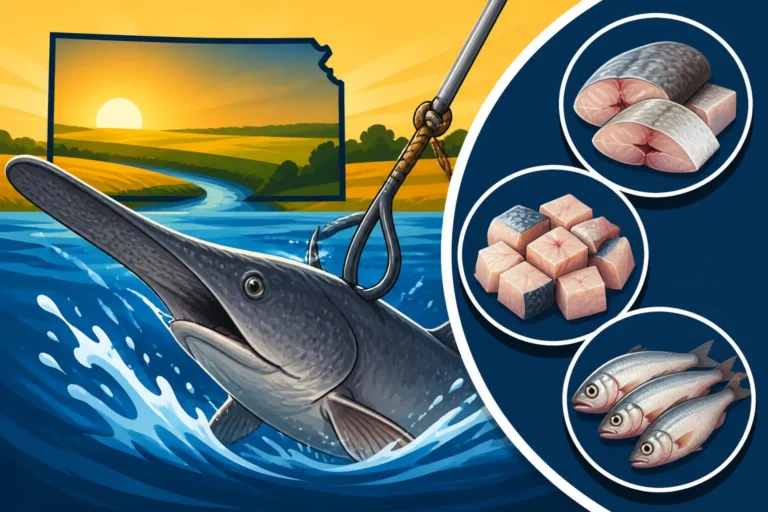
One prominent example is paddlefish snagging. Paddlefish are unique filter feeders and cannot be caught with traditional hook-and-line methods. In Kansas, they are typically harvested through snagging, which involves using a large, barbless hook to snag the fish as they migrate upstream to spawn. This activity is highly regulated and only permitted during a very specific, limited season, often in the spring, and only on certain stretches of rivers. You'll need a special permit for paddlefish, and the season dates are strictly enforced. Trying to snag paddlefish outside of these designated times and areas is illegal and will result in penalties.
Other Method-Specific Rules
Less common, but still possible, are rules around trotlines or jug fishing. While generally allowed year-round in many waters for certain species (like catfish), there might be local restrictions or requirements for tagging these devices. Bowfishing, another popular method for rough fish, is generally allowed year-round but also has specific regulations regarding target species, shooting hours, and allowed locations. The takeaway here is that while you can almost always fish, how you fish and what you fish for sometimes comes with its own seasonal or location-specific rules. Think of it less as a "closed season" and more as a "check the manual before you operate" situation for certain specialized techniques.
Planning Your Fishing Year in Kansas
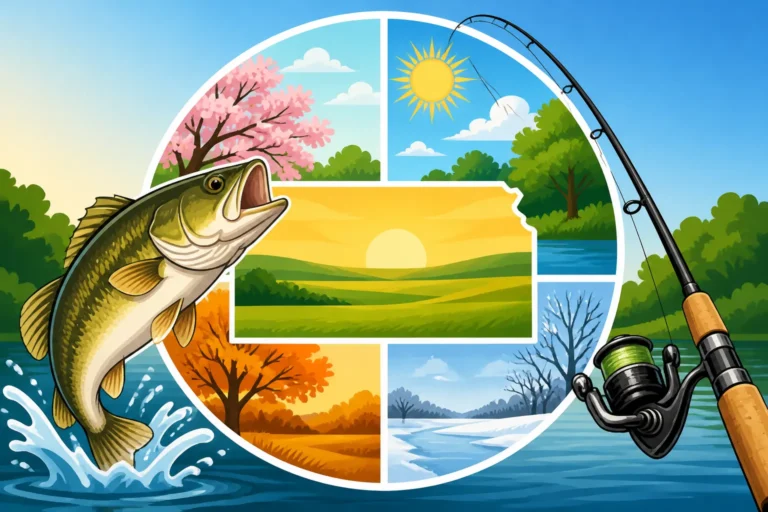
The beauty of Kansas fishing is its year-round nature, offering distinct challenges and rewards in every season. This means you can truly plan a full calendar of angling adventures, shifting your focus as the weather and fish behavior change.
Embracing Four-Season Fishing
Don't let the thought of cold or hot weather deter you; each season in Kansas brings its own unique fishing opportunities.
Spring: The Reawakening
Spring is often seen as the quintessential fishing season, and for good reason! As the ice melts and water temperatures rise, fish become incredibly active. This is prime time for the crappie spawn, the beginning of the walleye bite, and increasing activity for bass and catfish. The air is often crisp and pleasant, making for comfortable days on the water. It’s a great time to experiment with shallow-water presentations and enjoy the explosion of life around the lakes and rivers. You might even find some early white bass action.
Summer: Long Days and Nighttime Bites
Summer in Kansas can be hot, no doubt about it. But this heat drives intense activity for species like catfish, particularly during the cooler evening and nighttime hours. Early mornings and late evenings are also excellent for bass, white bass, and wipers. Deeper water trolling becomes effective for walleye. Don't be afraid to embrace the heat; just adapt your techniques. Many anglers find solace and success by fishing after the sun goes down, making for some truly memorable experiences under the Kansas stars. Our Kansas Night Fishing Guide offers plenty of strategies for success in the dark.
Fall: Cooling Waters and Feeding Frenzies
For many, fall is the absolute sweet spot for fishing. As water temperatures cool down, fish become incredibly aggressive, trying to pack on calories before winter. Walleye and bass often move shallower, providing excellent opportunities. Crappie school up, and catfish remain active. The cooler air makes for very comfortable fishing, and the changing leaves provide a beautiful backdrop. It’s a fantastic time for casting lures and covering water.
Winter: Ice and Trout
When winter fully sets in and lakes freeze over, Kansas transitions into an exciting ice fishing season. Popular species like crappie, bluegill, and even some walleye can be caught through the ice. Additionally, this is when the state's popular trout stocking program takes center stage, offering unique opportunities in designated waters. While the cold demands proper gear and safety precautions, the solitude and unique challenge of ice fishing are incredibly rewarding. Don't forget to check out our Kansas Ice Fishing Guide for tips on staying safe and successful on the ice.
Essential Gear for Year-Round Angling
Having the right gear is paramount to enjoying Kansas fishing throughout the year. You don't need to break the bank, but having versatile equipment will make a huge difference.
Versatile Rods and Reels
For most Kansas fishing, a medium-light to medium-heavy spinning or casting rod, between 6'6" and 7'6" in length, will cover a wide range of species and techniques. Pair it with a reliable reel spooled with appropriate line (e.g., 8-12 lb monofilament or fluorocarbon, or 15-30 lb braided line for heavier applications). For panfish or trout, a lighter ultra-light setup is ideal. You can find excellent options on Amazon, often bundled as combos, making it easy to get started.
Tackle for All Seasons
Your tackle box should reflect the species you'll target and the conditions you'll face. Jigs, crankbaits, spinnerbaits, and soft plastics are versatile for bass and walleye. For crappie, focus on small jigs and minnows. Catfish anglers will need a variety of hooks, sinkers, and baits (cut bait, prepared baits, live worms). Don't forget essentials like pliers, a landing net (especially for bigger catfish!), and a first-aid kit. Consider a tackle box that allows for easy organization and access to different lure types. Our Kansas Fishing Gear Guide provides an extensive look at what you'll need.
Weather-Appropriate Apparel
Kansas weather can be unpredictable, so dressing in layers is always a good strategy. In summer, focus on breathable, sun-protective clothing, a wide-brimmed hat, and polarized sunglasses (essential for spotting structure and protecting your eyes). In colder months, waterproof and insulated jackets, pants, gloves, and warm hats are non-negotiable. Quality rain gear is a must for those unexpected spring and fall showers. Being comfortable on the water directly impacts how long you can stay out and enjoy the experience.
Leveraging Resources for Current Conditions
Even though the season is always open, fish activity is highly dependent on current conditions. Staying informed is a key part of planning successful outings.
KDWPT Reports and Online Forums
The Kansas Department of Wildlife, Parks and Tourism (KDWPT) website is an invaluable resource, offering weekly fishing reports for many major lakes and reservoirs. These reports provide updates on what species are biting, where they're being caught, and what baits or techniques are working. Additionally, local fishing forums and social media groups are fantastic for real-time information and connecting with other anglers. These communities often share tips, recent catches, and advice that can be incredibly helpful.
Local Bait Shops and Guides
Never underestimate the wisdom of local bait shop owners and fishing guides. They are often on the water daily or in constant contact with those who are, giving them unparalleled insight into current conditions, hot spots, and effective techniques. A quick stop at a local bait shop before heading to the lake can provide invaluable, up-to-the-minute information. If you're new to an area or targeting a specific species, hiring a local guide for a day can be a fantastic investment, accelerating your learning curve and putting you on fish quickly.
Weather and Water Condition Apps
Modern technology can be a huge asset. Apps that provide detailed weather forecasts, including wind speed and direction, barometric pressure, and water temperatures (if available for your chosen lake), can help you predict fish behavior and plan your approach. Understanding how these factors influence fish can give you a significant edge, regardless of the time of year. Knowing when to hit the water can often be more important than which water you hit.
Summary of Kansas Fishing Seasons and Peak Activity
To help you visualize the year-round opportunities, here's a general overview of when various popular species are most active in Kansas. Remember, these are general guidelines, and local conditions can always vary.
| Species | General Peak Activity Season(s) | Key Factors & Notes |
|---|---|---|
| Walleye | Spring (spawn), Fall (feeding) | Spring: shallow, rocky areas. Summer: deep structure. Fall: active feeding. |
| Crappie | Spring (spawn), Fall (feeding) | Spring: very shallow, brush. Summer: deep brush. Fall: schooling. |
| Channel Catfish | Summer, Late Spring, Early Fall | Active in warm water, day and night. Found widely. |
| Blue Catfish | Summer, Late Spring, Early Fall | Larger rivers and reservoirs, deep channels, strong currents. |
| Flathead Catfish | Summer, Late Spring, Early Fall | Prefers live bait, woody cover, often nocturnal. |
| Rainbow Trout | Winter (Nov-Mar) | Stocked program in community lakes. Requires special permit. |
| Largemouth Bass | Spring (spawn), Fall (feeding) | Spring: shallow cover. Summer: deeper/shade. Fall: active feeding. |
| Smallmouth Bass | Spring, Fall | Rocky areas, clear water. Similar patterns to largemouth. |
| White Bass | Spring (spawn run), Summer | Spring: river runs. Summer: schooling in open water. |
| Wiper (Hybrid Striper) | Year-round, peaks in Spring/Fall | Chases baitfish schools, often in open water or main lake points. |
| Bluegill/Sunfish | Spring, Summer, Fall | Active almost year-round. Spawns in late spring/early summer. |
As you can see, Kansas truly offers a continuous fishing season. It's not about if you can fish, but what you can catch and how you can catch it, no matter what month the calendar shows. So, get out there and enjoy the incredible angling diversity the Sunflower State has to offer!
Disclaimer
This article is for general informational purposes only and does not constitute professional advice. Laws, prices and regulations vary by location and change over time. Consult a qualified professional for guidance on your specific situation.