Melvern Lake Fishing Spots
Trying to figure out where to drop your line on a new lake can feel like a guessing game, especially when you hear whispers of certain spots but can't quite pinpoint them. It’s frustrating to spend hours driving around, launching the boat, and then just idling aimlessly, hoping to stumble upon a bite. This guide is all about cutting through that confusion, giving you the real scoop on the best fishing spots at Melvern Lake, so you can spend less time searching and more time reeling in those Kansas trophies.
Unlocking Melvern Lake's Fishing Potential
Melvern Lake, nestled in Osage County, is one of Kansas's hidden gems when it comes to angling. While not as massive as some of our other reservoirs, it holds its own with diverse fish populations and plenty of accessible spots. Many anglers, especially those new to the area, often overlook Melvern in favor of the bigger names, but those in the know understand its incredible potential. It's a fantastic place to fish, offering something for almost every preference, from big cats to schooling crappie and aggressive walleye.
Melvern's Unique Character and Fish Habitat
Melvern Lake spans roughly 6,930 acres at its normal pool elevation, making it a sizable body of water without being overwhelming. What truly sets Melvern apart is its varied underwater topography. You'll find a mix of rocky shorelines, submerged timber, old creek channels, and expansive flats. The lake was formed by damming the Osage River, and that old river channel still acts as a major highway for fish, offering deeper water and structure even when other areas are shallower. This provides excellent habitat for a multitude of species. The water clarity can vary, but generally, Melvern tends to have a moderate stain, which can be ideal for various fishing techniques. Understanding these features is the first step to truly mastering Melvern's waters.
Key Fish Species to Target at Melvern
Melvern Lake boasts a robust population of popular game fish, making it a versatile destination for anglers. You'll find a strong presence of walleye, a species highly sought after for both its fight and its delicious fillets. Crappie fishing is also incredibly popular, with both white and black crappie thriving in the lake's timbered areas. For those who love the bend of a rod and a strong pull, the catfish here—channel, blue, and flathead—can reach impressive sizes, especially in the deeper river channels. Largemouth and smallmouth bass are also abundant, particularly around the rocky points and woody cover. And let's not forget the thrilling fight of hybrid striped bass, or wipers, that patrol the open water. Each of these species has its preferred haunts, and knowing them is key to a successful outing. For a broader overview of what swims in Kansas waters, check out our comprehensive Kansas Fish Species Guide.
Prime Spots for Walleye and Wipers
Walleye and wipers are two of Melvern Lake's most prized catches, known for their powerful strikes and excellent table fare. These fish often prefer similar types of structure, especially areas with current, deep water access, and rocky bottoms. They are often found in transition areas, where shallow feeding grounds meet deeper escape routes.
The Dam Face and Spillway Area
One of the most consistently productive areas for walleye and wipers is around the main dam face and the outflow below the spillway. The dam itself creates a natural riprap structure that extends deep, offering hiding spots and ambush points for predatory fish. During periods of generation or higher water flows, the current below the spillway concentrates baitfish, drawing in hungry walleye and wipers. Anglers often have success here casting crankbaits or jigging spoons. Be mindful of safety regulations and signage around the dam, as certain areas might be restricted. Above the dam, the riprap along the face provides excellent feeding habitat, especially during low light conditions or when wind creates a good chop. When fishing this area, consider using jigs tipped with live minnows or trolling crankbaits parallel to the riprap.
Rocky Points and Submerged Humps
Melvern Lake is dotted with numerous rocky points that jut out into the main lake, as well as submerged humps and ledges that rise from deeper water. These structures are absolute magnets for walleye and wipers. Walleye often congregate on the wind-blown sides of these points, where waves stir up the bottom and dislodge bait. Wipers, being open-water predators, will cruise these areas, ambushing baitfish that pass by. Using your fish finder to locate these humps and then fishing them with jigging spoons, deep-diving crankbaits, or even vertical jigging presentations can be highly effective. The key is to cover different depths until you find where the fish are holding. Remember, walleye, in particular, prefer structure. For more specialized tips on targeting these cunning predators, explore our guide on Kansas Walleye Fishing Techniques.
River Channel and Creek Arms
The old Osage River channel, which snakes its way through Melvern Lake, is a critical feature for both walleye and wipers. These fish often use the deeper channel as a migration route and a holding area, especially during periods of extreme heat or cold. The creek arms, particularly those with significant inflow during rain events, also attract these species as they move upstream to feed. The submerged bends and ledges within the river channel are excellent places to troll deep-diving crankbaits or present bottom bouncers with live bait. Focus on areas where the channel interacts with points or humps, creating natural ambush points. Similarly, exploring the larger creek arms like Turkey Creek or Rock Creek, particularly where they deepen or have submerged timber, can yield fantastic results for both species.
Crappie and Panfish Havens
Crappie fishing at Melvern Lake is a year-round affair, with anglers consistently pulling in good numbers of both white and black crappie. These schooling fish love structure and tend to congregate in predictable areas, making them a fantastic target for anglers of all skill levels. Beyond crappie, Melvern also offers good opportunities for other panfish like bluegill and sunfish, especially for family outings or beginners.
Timbered Coves and Brush Piles
If you're after crappie, submerged timber and brush piles are your bread and butter at Melvern. The lake features several coves with standing timber that was left when the lake was impounded, providing extensive vertical cover where crappie love to hide. Additionally, the Kansas Department of Wildlife, Parks and Tourism (KDWP) often maintains and adds artificial brush piles, which are fantastic crappie magnets. These spots can be found using your electronics or by looking for markers if available. Jigging small jigs (1/16 to 1/8 ounce) tipped with minnows or soft plastics around these timbered areas is a classic and highly effective technique. In warmer months, crappie might suspend in the timber, while in colder periods, they'll often be tighter to the bottom. For detailed methods to entice these schooling fish, check out our Kansas Crappie Fishing Techniques guide.
Marinas and Bridge Pilings
Man-made structures offer reliable crappie fishing, especially during certain times of the year. The marina docks and their associated brush piles provide year-round cover and are often accessible even without a boat. The pilings of bridges, such as the one crossing the upper end of the lake, disrupt current and create eddies that concentrate baitfish, drawing in crappie. These structures often hold fish in deeper water, making them excellent spots during the heat of summer or the chill of winter. Small jigs or minnows fished vertically alongside these pilings can be incredibly productive. These spots are often well-known and can get crowded, so practicing good etiquette is key.
Shallow Flats and Weedy Areas in Spring
As spring approaches and water temperatures begin to rise, crappie move into shallower flats and coves to spawn. Areas with gradually sloping bottoms and some submerged vegetation or scattered timber become prime targets. Look for these areas in the backs of coves, especially those that warm up quickly. Crappie will often stage in slightly deeper water nearby before moving into just a few feet of water to lay their eggs. Casting small jigs or suspending minnows under a bobber in these shallow areas can lead to fast and furious action during the spawn. This period is a favorite for many anglers, as the fish are aggressive and plentiful. You might even want to book a trip with a local guide through platforms like FishingBooker to maximize your success during this prime time.
Catfish Hotspots and Strategies
Melvern Lake is a fantastic destination for catfish enthusiasts, offering strong populations of channel cats, powerful blue cats, and elusive flatheads. These fish are known for their strong fight and can reach impressive sizes here. Targeting catfish often requires a different approach than other species, focusing on their keen sense of smell and preference for certain types of structure and bait.
The Osage River Channel
Just like with walleye and wipers, the original Osage River channel is a major draw for Melvern's catfish population. This deeper, submerged channel provides a constant flow of water, ample food, and critical thermal refuge for all three species of catfish. Blue catfish, in particular, are known to roam these deeper parts of the lake. Fishing the edges of the channel, especially where it features sharp drops or bends, can be highly effective. Using stout rods and reels with heavy line is essential when targeting these powerful fish in such deep water. Cut bait, shad, or even prepared stink baits are excellent choices when deployed along the channel bottom using a Carolina rig or a three-way swivel rig. For more on what to use, explore our Best Bait for Kansas Catfish guide.
Main Lake Points and Inflow Areas
Beyond the river channel, prominent main lake points that extend into deeper water also serve as catfish magnets. These points often concentrate baitfish, which in turn attracts catfish looking for an easy meal. Furthermore, any areas where creeks or smaller rivers flow into Melvern Lake, particularly after a rain, will be hotspots. The inflowing water carries nutrients and food into the lake, creating a feeding frenzy for catfish. Fishing near these inflows, especially at night, can be incredibly productive. Again, robust tackle is recommended, as these areas can hold some true giants. Experiment with different depths around these points until you locate the fish.
Night Fishing for Flatheads and Blues
Catfish, especially flatheads and larger blue cats, are often most active after dark. Night fishing at Melvern Lake can be an exhilarating experience, offering cooler temperatures and less boat traffic. Flatheads are solitary ambush predators, preferring live bait such as sunfish or shad presented near submerged timber or log jams. Blue cats, on the other hand, often school and will readily take cut bait on the deeper channel edges or main lake humps. Setting up multiple rods with different baits and depths can increase your chances of success during a night fishing excursion. Always remember to prioritize safety, bringing appropriate lighting and ensuring you know the area well before venturing out in the dark. For general information on seasonal patterns, our Kansas Fishing Seasons Guide can offer insights.
Bass Fishing: Largemouth and Smallmouth Opportunities
Melvern Lake offers diverse opportunities for both largemouth and smallmouth bass anglers. While largemouth tend to prefer the shallower, more vegetated coves, smallmouth thrive in the rockier, clearer main lake areas. Understanding their preferred habitats is key to a successful bass fishing trip at Melvern.
Riprap and Rocky Shorelines
The extensive riprap along the dam face and various rocky points throughout Melvern Lake provide ideal habitat for smallmouth bass. These bronze beauties love to hug the rocks, feeding on crawfish and baitfish that hide among the crevices. Casting crankbaits, jigs, or soft plastics that mimic crawfish or shad parallel to these rocky banks can be very effective. During cooler months, smallmouth will often move deeper along these structures, while in warmer periods, they might be found shallower, especially during low light. Largemouth bass will also utilize these areas, particularly where rock transitions into brush or submerged timber. Our guide on Kansas Bass Fishing Guide offers even more techniques.
Submerged Timber and Vegetation Lines
For largemouth bass, look no further than the submerged timber and any emergent vegetation lines you can find in the lake's coves and creek arms. The lake has areas where standing timber was left after impoundment, creating perfect ambush cover for largemouth. Flipping jigs, Texas-rigged worms, or throwing spinnerbaits into these dense cover areas can draw aggressive strikes. As the lake level fluctuates, new vegetation might emerge, creating temporary but highly productive bass hideouts. Focus on the edges of these cover lines or any isolated clumps of timber that stand out. These areas provide shade, protection, and a buffet for hungry bass.
Coves and Inlets with Deeper Water Access
Many of Melvern's coves and inlets offer fantastic bass fishing, especially those that have a quick transition to deeper water. Largemouth bass will often move into the shallower portions of these coves to feed, particularly in the spring and fall, but they need that nearby deep water to retreat to when temperatures fluctuate or they feel pressured. Look for coves with a good mix of timber, rock, and perhaps some patchy vegetation. These complex environments allow bass to move vertically and horizontally to find comfortable temperatures and abundant food. Casting topwater lures in the early morning or late evening, or working soft plastics along the bottom during the day, can yield excellent results in these transitional areas.
Accessing Melvern Lake: Ramps, Bank Fishing, and Local Tips
Getting out on Melvern Lake, whether by boat or from the shore, is fairly straightforward, but knowing the best access points and some local nuances can make your trip much smoother. The KDWP and Army Corps of Engineers manage several facilities around the lake, ensuring good access for all anglers.
Public Boat Ramps and Access Points
Melvern Lake has several well-maintained public boat ramps strategically located around its perimeter, making it easy to launch your vessel. Popular ramps include those at Melvern State Park, Eisenhower State Park, and several Corps of Engineers public use areas such as Outlet Park and Turkey Creek. Each ramp offers slightly different access to various parts of the lake, so choosing the right one can depend on where you plan to focus your fishing efforts.
- Melvern State Park: Located on the north side, this park offers multiple ramps and easy access to the main lake. It's a great central launch point.
- Eisenhower State Park: Situated on the southwest side, this park also provides excellent ramps, particularly useful for accessing the lake's western arms and channels.
- Outlet Park: Found below the dam, this access is primarily for tailwater fishing but has areas for launching smaller craft or kayaks into the lower lake, often favored for wiper and walleye.
Always remember to have your Kansas Boat Registration Guide and other necessary documents ready.
Shoreline and Pier Fishing Opportunities
Not everyone has a boat, and that's perfectly fine at Melvern! There are plenty of fantastic opportunities for bank fishing and pier fishing. The various parks around the lake offer numerous accessible shorelines and fishing piers. Eisenhower State Park, for instance, has several designated bank fishing areas and accessible piers that extend into productive waters. Outlet Park, below the dam, also provides great bank access for those targeting walleye and catfish in the tailwaters. These areas are perfect for a relaxing day of fishing, especially for families or those looking for a quick outing. Just remember, a Kansas State Park fishing permit might be required in certain areas, so it’s always good to be aware of the Kansas State Park Fishing Permit Rules. For specific spots, a local guide found on FishingBooker could highlight prime bank fishing locations.
Navigating Melvern's Waters Safely
While Melvern Lake is not notoriously difficult to navigate, safe boating practices are always paramount. Always be aware of fluctuating water levels, especially in the shallower coves or upstream sections, which can expose submerged hazards. Pay attention to weather forecasts, as Kansas weather can change rapidly, bringing strong winds or thunderstorms. Carry all required safety equipment, including life jackets, a fire extinguisher, and sounding devices. Familiarize yourself with navigation markers and always operate your vessel at a safe speed. Utilizing a good quality fish finder with GPS can help you mark hazards and productive fishing spots, making your time on the water both safer and more productive. When heading out on a trip, especially if it's your first time, checking local reports or even considering a guided trip found on FishingBooker can offer valuable insights into current conditions.
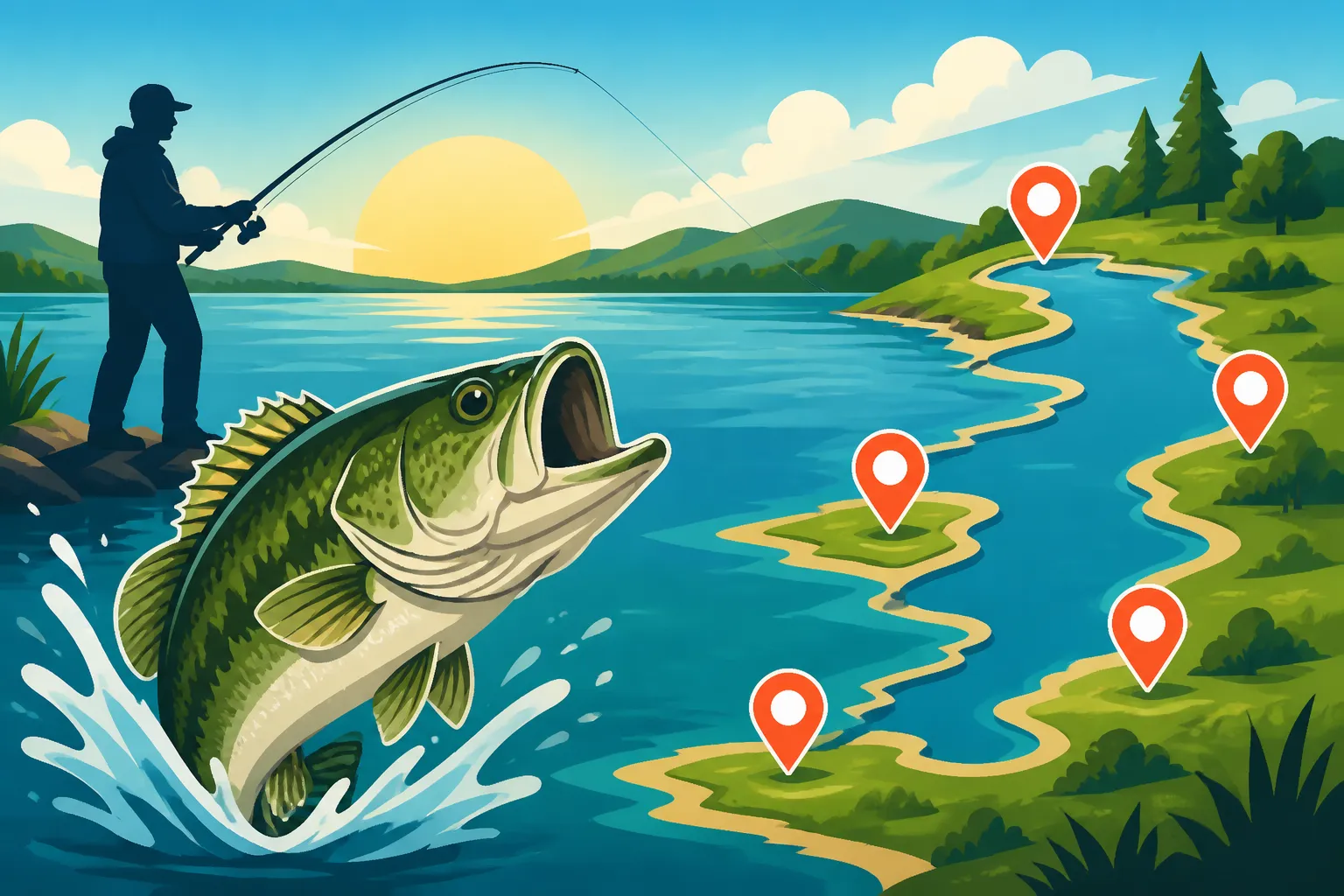
Here's a quick summary of some key Melvern Lake fishing spots:
| Hotspot | Primary Target Species | Key Features & Tips | Best Season(s) |
|---|---|---|---|
| Dam Face & Riprap | Walleye, Wipers, Catfish | Deep water, current (below spillway), rocky structure. Cast jigs, crankbaits. | Year-round |
| Rocky Points & Humps | Walleye, Smallmouth Bass, Wipers | Submerged structure, wind-blown sides. Troll deep cranks, jig spoons, Carolina rigs. | Spring, Summer, Fall |
| Timbered Coves | Crappie, Largemouth Bass | Standing timber, brush piles. Vertical jig small jigs, minnows. Flip jigs for bass. | Spring, Fall, Winter |
| Osage River Channel | Catfish (Blue, Flathead), Walleye | Deepest water, old riverbed, bends, ledges. Heavy tackle, cut bait, live bait on bottom. | Year-round |
| Bridge Pilings (upper lake) | Crappie, White Bass | Structure, current breaks. Fish vertically with small jigs/minnows. | Year-round |
| Shallow Spawning Flats | Crappie, Largemouth Bass | Gradual slopes, patchy vegetation. Jigs under bobbers, soft plastics. | Spring |
| Inflow Areas (creek mouths) | Catfish, White Bass, Walleye | Nutrient-rich water, baitfish concentration. Fish current seams with cut bait or lures. | After Rain, Spring |
Disclaimer
Please note that fishing conditions, regulations, and fish populations can change. Always consult the official Kansas Department of Wildlife, Parks and Tourism (KDWP) regulations guide before heading out on any fishing trip to ensure you are compliant with all current laws. This guide is for informational purposes only and does not guarantee fishing success.