State Record Walleye Weight
There's a special kind of thrill that comes with the dream of catching a state record fish, especially a hard-fighting, delicious walleye. For many Kansas anglers, knowing the benchmark — the exact weight to beat — is a powerful motivator. This comprehensive guide will not only reveal the impressive weight of the current Kansas state record walleye but also dive deep into what it takes to pursue such a magnificent catch, from prime locations to essential techniques and proper reporting.
Understanding the Kansas State Record Walleye
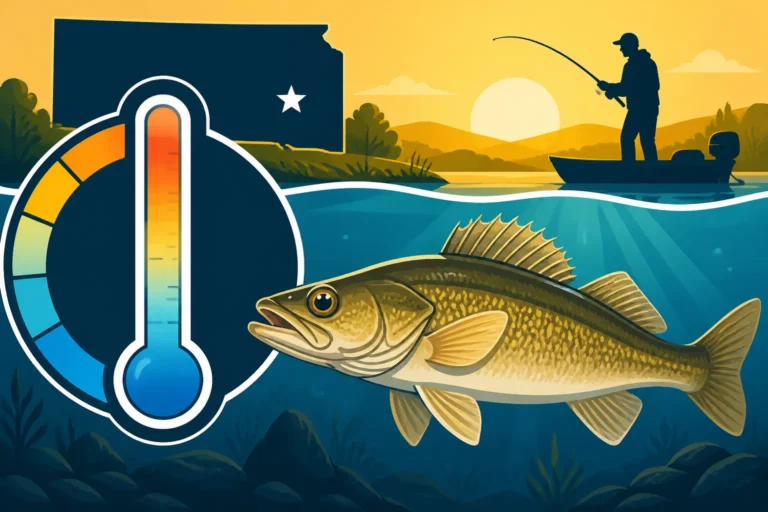
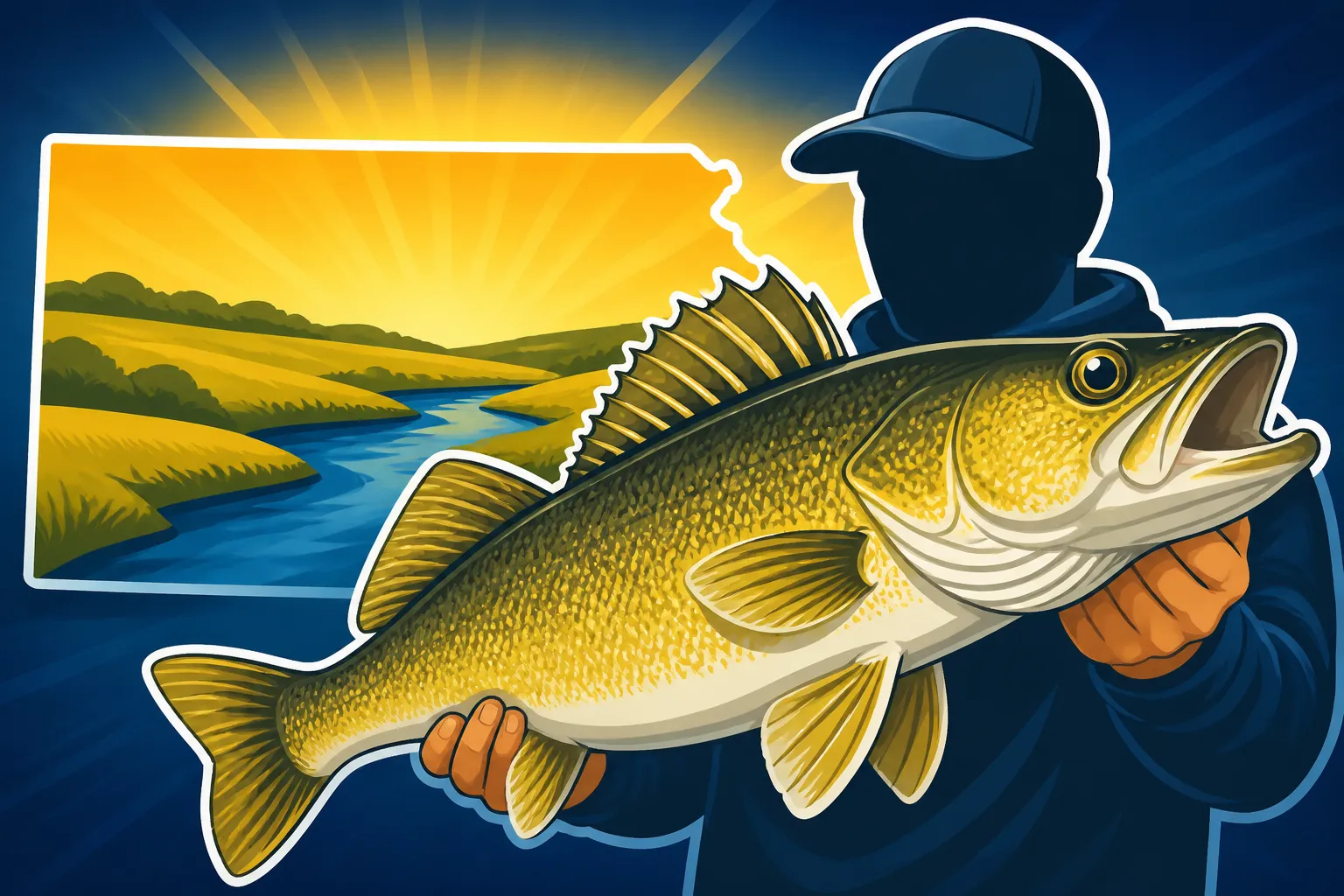
The Kansas state record walleye is more than just a number; it represents a pinnacle of angling achievement and a testament to the incredible fisheries we have right here in the Sunflower State. Many anglers dedicate countless hours, honing their skills and exploring different waters, all with the silent hope of one day pulling in a fish of a lifetime. The official state record for walleye in Kansas stands at an impressive 13 pounds, 2 ounces. This monumental fish was caught in 1996, and for nearly three decades, it has held its place as the one to beat, inspiring generations of walleye enthusiasts.
The Significance of a State Record
When we talk about a state record, we're not just discussing a big fish. It's about a specific fish that has been officially recognized and verified, meeting stringent criteria set forth by the Kansas Department of Wildlife and Parks (KDWP). This isn't just a casual weigh-in; it involves precise measurements, witness verification, and often, an inspection by a KDWP biologist to ensure everything is above board. The record stands as a symbol of the genetic potential of our fish populations and the quality of our aquatic habitats. It also highlights the dedication of the angler who managed to land such a magnificent specimen, often against challenging odds.
Achieving a state record is a truly rare feat, something that most anglers only dream of. It requires a combination of skill, perseverance, knowledge of local waters, and a good dose of luck. Think about all the variables: weather, water conditions, bait presentation, equipment, and the sheer chance of a record-sized fish even being in your vicinity. Every element has to align perfectly. It's a reminder that even after decades, the possibility of a new record always exists, waiting for the right angler on the right day.
The Allure of Chasing a Record Fish
The pursuit of a record-breaking walleye ignites a passion in many anglers. It's not just about the recognition, but the challenge itself. Imagining that massive walleye, deep in the water, waiting for your perfect presentation—it's what keeps us coming back to the lake at dawn or staying out late into the night. Many people spend their entire fishing careers trying to land a fish that just might be a record. It’s a driving force that pushes anglers to experiment with new techniques, explore uncharted waters, and spend countless hours studying fish behavior and feeding patterns.
While the 13-pound, 2-ounce mark is a high bar, it's also a constant source of inspiration. Every time you hook into a particularly heavy walleye, that thought flashes through your mind: "Could this be it?" Even if it's not the record, landing a personal best or a truly large walleye is an accomplishment in itself. It connects us to a larger community of anglers who share the same dream and respect for these incredible fish. This pursuit also often leads to a deeper understanding and appreciation for the fishery itself, its health, and the conservation efforts that help maintain it.
Tactics and Locations for Trophy Walleye in Kansas
Kansas might be known for its plains, but beneath the surface of its many reservoirs and rivers, there's a thriving walleye population, including some true giants. While catching a state record is incredibly rare, consistently targeting and catching trophy-sized walleye – those over 8 or 10 pounds – is a more attainable goal with the right approach. It requires understanding walleye behavior, knowing where they hide, and presenting your bait effectively. If you're hoping to get close to that State Record Walleye Weight, you'll need to focus on these key areas.
Prime Walleye Waters in Kansas
Several Kansas reservoirs have a reputation for producing large walleye, offering the best chances for anglers hoping to land a trophy. These lakes often feature deep, clear water, abundant baitfish, and plenty of structure where walleye love to ambush their prey. Lakes like Milford Lake, Cheney Reservoir, and Wilson Lake are consistently at the top of the list for Best Walleye Lakes in Kansas.
Milford Lake, the largest lake in Kansas, has a diverse underwater landscape that includes rocky points, submerged timber, and extensive humps. These areas provide excellent ambush points for large walleye. Cheney Reservoir, known for its clear water and vast expanses, also holds a significant population of mature walleye. Wilson Lake, often called "Hell Creek" by locals, is another prime location, famous for its deep, rugged structure and clear water, which are ideal for large, predatory walleye. These larger reservoirs offer the space and food sources necessary for walleye to grow to impressive sizes, making them hotspots for those chasing bigger fish. Smaller community lakes or rivers might offer good numbers of walleye, but generally, the massive reservoirs are where the truly colossal fish are found.
Effective Techniques for Landing Big Walleye
Trophy walleye are often more elusive and cautious than their smaller counterparts, demanding specific techniques and a patient approach. One of the most common and effective methods on large Kansas reservoirs is Trolling for Walleye on Kansas Reservoirs. This allows you to cover vast amounts of water, especially over deep flats, humps, and along channel edges. Using crankbaits that mimic shad or other baitfish is a popular choice, ensuring they run at the proper depth for suspended walleye. Different crankbait sizes and dive curves are crucial; larger crankbaits tend to attract larger fish.
Another highly effective technique, particularly in cooler months or during periods of fish inactivity, is vertical jigging. Targeting submerged points, deep breaks, and brush piles with a stout rod and jigs tipped with live bait like shiners or a soft plastic can entice a hesitant walleye. Understanding your electronics is paramount here, as you'll want to precisely target fish holding tight to structure. Night fishing can also be incredibly productive for trophy walleye, especially during the summer, as these fish often move shallower to feed under the cover of darkness. Don't forget to check out articles like Best Lures for Kansas Walleye for specific recommendations.
Essential Gear for Trophy Hunting
When you're targeting truly large walleye, your gear needs to be up to the task. A robust rod and reel setup is crucial, capable of handling powerful runs and the heavy weight of a big fish. Medium-heavy to heavy power spinning or baitcasting rods, paired with reels spooled with strong braided line and a fluorocarbon leader, are common choices. This provides the sensitivity needed to detect subtle bites and the backbone to control a fighting fish. For those considering trolling, a good rod holder system is essential, along with a reliable fish finder and GPS to mark productive spots.
Beyond rods and reels, a quality landing net with a wide hoop and deep basket is indispensable. Losing a trophy walleye at the boat because your net is too small is a heartbreaking experience. You'll also want a precise, certified scale to weigh any potential record-breaker quickly and accurately. Many anglers also find a sturdy set of lip grippers helpful for safely handling large, toothy walleye. Having a selection of different crankbaits, jigs, and soft plastics on hand, along with fresh live bait if that's your preference, ensures you're prepared for varying conditions. You can find a vast selection of these items from retailers like Amazon, making it easy to stock up on everything from specialized lures to advanced electronics.
What to Do When You Catch a Potential Record
Imagine the scenario: you're out on Milford Lake, the sun is setting, and suddenly your rod doubles over. After a heart-pounding fight, you land a walleye that looks… enormous. This could be the moment you've been dreaming of, the one that makes you wonder about the State Record Walleye Weight. But what happens next? Knowing the proper steps to take is crucial, not just for verifying a record, but also for respecting the fish and the regulations. Panic and excitement can easily lead to mistakes that invalidate your catch, so a clear head and a plan are vital.
Immediate Steps After a Potential Record Catch
The moment that giant walleye is in your boat or on the bank, the clock starts ticking. First and foremost, you need to keep the fish alive and in good condition if you intend to release it after verification, or properly preserved if you plan to keep it for mounting or consumption. Many anglers use a livewell or a large cooler with ice to maintain the fish's vitality. Immediately take clear photographs of the fish, especially against a measuring board or with a ruler for scale, even before official measurements are taken. This helps document the catch.
Next, identify two witnesses who can attest to the catch and the subsequent measurements. These witnesses are a critical part of the verification process. Have them observe the initial measurements, which should include the total length and girth. While you might be tempted to weigh it on your personal scale, resist the urge to rely solely on that for official purposes, as household scales can be inaccurate. The goal at this stage is to preserve the fish and gather preliminary data while you make arrangements for an official weigh-in.
Official Verification Process
To have your walleye considered for a state record, you must follow the official KDWP guidelines strictly. The fish must be weighed on a certified scale, usually found at reputable bait shops, tackle stores, or sometimes at grocery stores with a certified deli scale. It is paramount that the scale has a current certification stamp. A KDWP representative or a designated official must witness this weigh-in. They will likely require a photograph of the fish on the scale, showing the weight clearly.
The KDWP will also require details about the catch, including the date, time, location, and the method used. They will also take official measurements of the fish's length and girth. It's often helpful to have already contacted KDWP at their regional office or through their website to understand their specific requirements and who to contact in your area. This preemptive step can save a lot of time and potential heartache. Remember, the accuracy of all documentation and measurements is key to a successful record application. Every detail counts when aiming for a legitimate Kansas State Record Walleye.
The Importance of Accurate Measurement and Reporting
Beyond the thrill of the catch, accurate measurement and reporting serve a critical role in fishery management. Each state record not only celebrates an angler's achievement but also provides valuable data on the maximum growth potential of fish in Kansas waters. Incorrect measurements, or a lack of proper witness verification, can lead to a record being disputed or rejected. This is why the KDWP is so meticulous in its process.
It's also why having quality measuring tools is important. A good measuring tape or bump board, along with a reliable scale, are essential pieces of equipment for any serious angler. While these items can be found at most sporting goods stores, online retailers like Amazon offer a wide array of precision measuring devices that can help ensure your preliminary data is as accurate as possible. Even if your fish doesn't break the state record, having accurate information about your catch contributes to personal records and community knowledge, inspiring others and fostering a culture of responsible angling.
| Category | Criteria for State Record Consideration | Importance for Angler |
|---|---|---|
| Weight | Must be weighed on a certified scale, witnessed by KDWP official. | Determines if the fish surpasses the existing record. |
| Measurement | Official length and girth taken by KDWP or verified personnel. | Confirms the fish's size and contributes to scientific data. |
| Witnesses | Two unrelated adult witnesses to the catch and weigh-in. | Ensures integrity and legitimacy of the claim. |
| Documentation | Photos of fish, scale reading, and full details of the catch. | Provides irrefutable proof and context for the catch. |
| Conservation | Handling methods to preserve the fish's condition. | Ethical angling, allows for live release if desired. |
Responsible Angling and Conservation for Walleye
Chasing after a trophy walleye, or even the State Record Walleye Weight, is an exciting endeavor, but it comes with a significant responsibility: ensuring the health and sustainability of our fisheries. As anglers, we are stewards of our natural resources, and our actions directly impact the future of fishing in Kansas. Understanding and practicing responsible angling, especially when it comes to large, mature fish, is paramount. This means more than just following the rules; it's about adopting an ethical approach to every fishing trip.
Practicing Catch and Release for Large Walleye
Mature, large walleye, especially those reaching trophy sizes, are often the prime spawners in a population. They contribute significantly to the genetic pool and reproductive success of the species. For this reason, many experienced anglers choose to practice catch and release for these larger fish, particularly those exceeding the legal slot limits or personal consumption needs. When considering a potential record, the KDWP often encourages anglers to release the fish alive after verification, if possible, to allow it to continue its role in the ecosystem.
If you do choose to release a large walleye, ensure you handle it with the utmost care. Minimize its time out of the water, support its body horizontally to avoid organ damage, and use wet hands or gloves to protect its slime coat. Gently revive the fish by holding it in the water, facing into the current, until it swims away under its own power. This conscious effort helps sustain the populations for future generations of anglers. It's a small act that can have a huge positive impact on the health of our walleye fisheries.
Understanding Kansas Walleye Regulations and Limits
Kansas has specific Kansas Fishing Regulations Explained designed to manage its diverse fish populations, including walleye. These regulations include daily creel limits and length limits, which can vary by water body. For walleye, you'll often encounter a minimum length limit, such as the Kansas Walleye Minimum Length Limit of 21 Inches, and a daily bag limit, which can be something like the Kansas Walleye Daily Limit of Two Fish. These rules are in place for a reason: to protect specific age classes of fish, allow them to reach maturity, and ensure sustainable harvesting.
It's every angler's responsibility to know and abide by these rules. Before heading out, always check the current KDWP fishing regulations summary. Violations, such as keeping undersized fish or exceeding the daily limit, not only carry penalties like fines (as detailed in Fishing Without a License Penalties in Kansas) but also harm the long-term health of the fishery. Understanding Why the Kansas Walleye Limit Is Only Two Fish or why specific length limits exist provides insight into the biological rationale behind these regulations, fostering a deeper respect for conservation efforts.
Contributing to Conservation Efforts
Beyond individual actions, anglers can contribute to broader conservation efforts. This includes participating in angler surveys, reporting unusual fish observations or environmental concerns to KDWP, and supporting organizations dedicated to habitat improvement and fisheries research. Purchasing your Kansas Fishing License Guide also directly contributes to these efforts, as license fees fund vital programs for stocking, habitat restoration, and enforcement.
Being a responsible angler also means practicing good stewardship of our natural spaces. This includes leaving no trace, properly disposing of trash, and being mindful of other users of the waterways. By engaging in these practices, we help ensure that Kansas remains a premier destination for walleye fishing, offering the chance for future anglers to pursue their own trophy fish and maybe even one day, the next state record walleye. It's about preserving the legacy and the thrill for everyone who loves to cast a line in Kansas waters.
Disclaimer
This article is for general informational purposes only and does not constitute professional advice. Laws, prices and regulations vary by location and change over time. Consult a qualified professional for guidance on your specific situation.