Are Redear Sunfish Good to Eat?
You've just pulled a beautiful Redear Sunfish out of a quiet Kansas pond, its vibrant colors glistening in the sun, and a common thought flashes through your mind: "This looks like a great catch, but is it actually good to eat?" It's a valid question many anglers ponder, especially when faced with the bounty of Kansas panfish. This guide is here to settle that debate once and for all, delving into the delicious reality of Redear Sunfish and how to make the most of your catch from the water to your dinner plate.
Understanding the Redear Sunfish: Kansas Panfish Delight
Before we talk about putting them on the grill, let's get to know the Redear Sunfish a little better. These fantastic panfish are a real joy to catch and have some unique qualities that set them apart from their sunfish cousins in Kansas waters.
What Makes Redear Sunfish Unique?
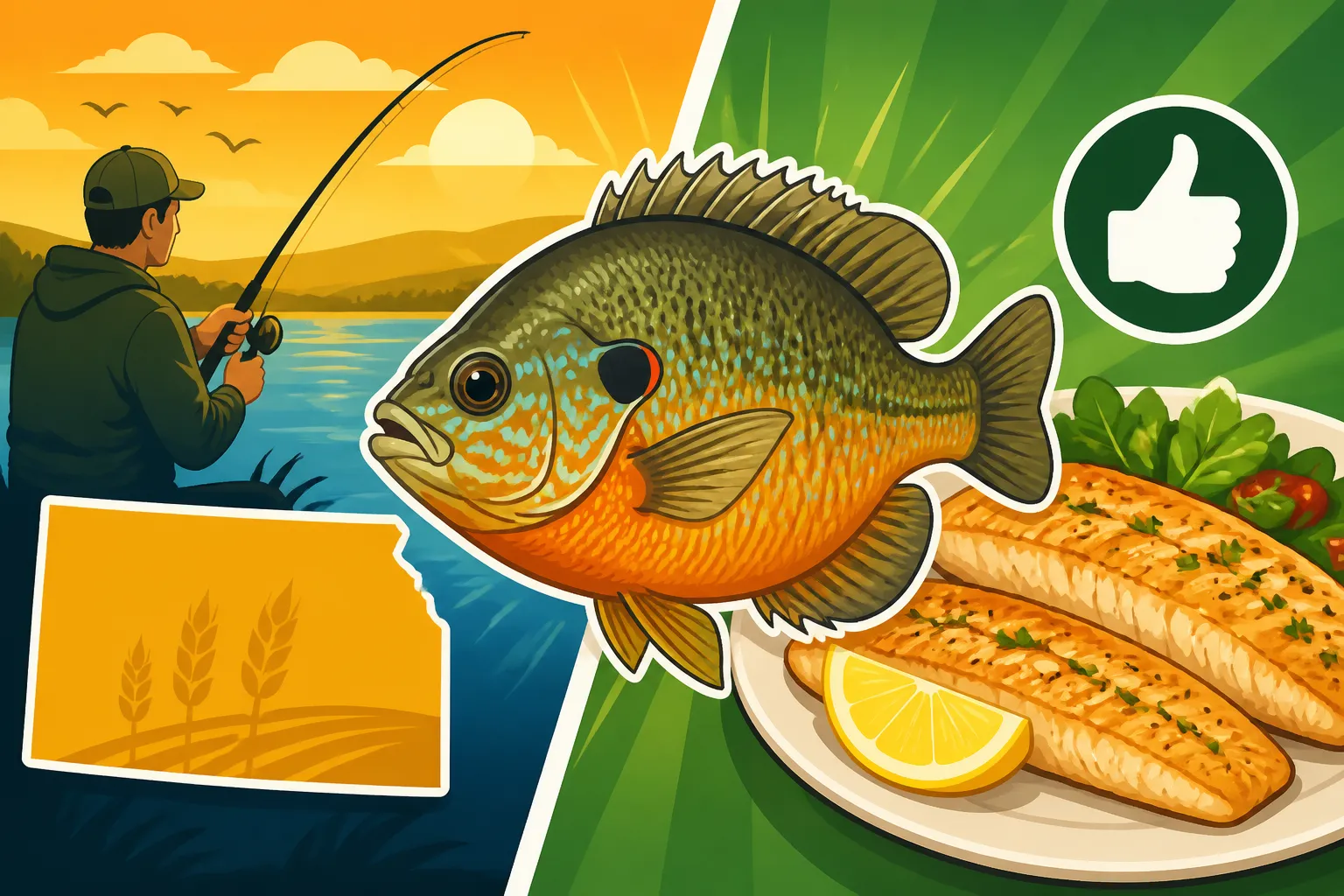
Redear Sunfish, often affectionately called "shellcrackers" by seasoned anglers, are named for the distinctive red or orange flap on the gill cover of the male fish. Females usually have a duller orange or brownish-red mark. Beyond this splash of color, they boast a somewhat compressed, disc-shaped body, typically olive green to golden brown on top, fading to lighter shades on their sides and a yellowish-white belly. You might notice some faint vertical bars on their sides, especially when they're fresh out of the water.
Their nickname, "shellcracker," isn't just for show. It's a direct reference to their primary diet. Redear Sunfish have specialized pharyngeal teeth in their throats that allow them to crush the shells of snails and other mollusks. This unique feeding habit is great news for anglers, as it often means they're growing fat and healthy on a protein-rich diet, which can translate to a firm, clean-tasting flesh. While they share some similarities with other sunfish, their preference for shelled creatures and typically larger size potential often makes them a sought-after catch. You can learn more about identifying them in our Redear Sunfish Identification guide.
Where Do Redear Sunfish Thrive in Kansas?
Kansas is blessed with an abundance of diverse fishing opportunities, and Redear Sunfish are right at home in many of them. They generally prefer clear, quiet waters with plenty of aquatic vegetation and submerged structure. Unlike some fish that prefer open water, redear like to hang around cover where they can ambush their preferred snacks.
You'll often find them lurking in the shallower areas of Kansas's smaller lakes, farm ponds, and even the quieter coves and backwaters of larger reservoirs. They love areas with lily pads, cattails, submerged timber, or even brush piles that offer both shelter and a buffet of snails. If you're fishing a spot that looks like prime bluegill habitat, chances are you'll find redear there too, sometimes even side-by-side with their sunfish relatives. Their presence is a good sign of healthy water quality and a thriving ecosystem.
The Culinary Verdict: Are Redear Sunfish Good to Eat?
Now for the burning question: are these beautiful fish truly good to eat? The answer, for most anglers who've tasted them, is a resounding YES! Redear Sunfish are widely considered one of the finest-eating panfish you can catch, rivaling even the beloved crappie and bluegill in flavor and texture.
Flavor Profile and Texture
When you fillet a Redear Sunfish, you'll be greeted with firm, flaky, white meat that has a delightfully mild and sweet flavor. It's not "fishy" in the way some other species can be, making it a fantastic choice for those who might be a little hesitant about eating freshwater fish. Their diet of snails contributes to this clean taste, as they're not typically bottom-feeders grubbing in the mud like some catfish species.
The texture is excellent – it holds together well when cooked but flakes apart easily with a fork. It’s lean, too, which makes it versatile for various cooking methods. If you enjoy the delicate taste of crappie or the subtle sweetness of bluegill, you're going to love Redear Sunfish. They offer that same satisfying panfish experience, often with a slightly thicker fillet due to their potential for larger size. For a broader overview of similar species, check out our Kansas Panfish Guide.
Factors Affecting Taste and Quality
While Redear Sunfish generally taste fantastic, a few factors can influence their overall quality:
- Water Quality: Just like any fish, the water they live in plays a huge role. Fish from clean, clear Kansas waters, especially those with good vegetation and consistent flow, tend to have the best flavor. Fish from stagnant or muddy ponds might have a slightly earthier taste, though this is less common with redear due to their diet.
- Diet: As mentioned, their snail-heavy diet contributes to their clean flavor. A diverse, natural diet is always best for taste.
- Size: Smaller redear (under 7-8 inches) are still delicious but can be a bit more work to fillet due to their small size and proportionally larger bone structure. Larger redear, say 9 inches and up, yield much more substantial, easier-to-handle fillets. You won't have to worry about a "slot limit" for these panfish, but keeping fish of a decent size makes the effort more rewarding.
- Handling After Catch: This is crucial! To preserve that delicious flavor and firm texture, you need to handle your catch properly.
- Keep them alive or on ice: The moment a fish dies, its quality starts to degrade. If you're keeping fish, immediately put them on a stringer in the water or, even better, in a cooler packed with ice. This chills them rapidly, slowing down spoilage and firming up the meat.
- Bleed them: If you're serious about taste, bleeding your fish as soon as you catch them can make a noticeable difference. A quick cut to the gills allows the blood to drain, which removes impurities that can lead to a stronger, less pleasant flavor.
- Clean quickly: Process your fish as soon as possible after your trip, ideally within a few hours. The longer they sit, even on ice, the more the quality can diminish. Using a quality cooler, like one you might find on Amazon, is key for maintaining freshness on the water.
Catching and Preparing Your Redear Sunfish for the Table
Getting these tasty fish from the water to your dinner plate is part of the fun! With the right approach, you can ensure a successful catch and a delicious meal.
Effective Techniques for Catching Redear
Redear Sunfish are generally not difficult to catch, making them an excellent target for anglers of all skill levels.
- Bait and Lures: Because of their "shellcracker" diet, natural baits work incredibly well.
- Worms: A classic for a reason! Red wigglers, nightcrawlers (pinched in half for smaller hooks), or even pieces of earthworms are irresistible to redear.
- Crickets/Grasshoppers: These insect baits are fantastic, especially in late spring and summer when redear are active and feeding near the surface or along weed lines.
- Small Jigs: Tiny jigs, often tipped with a piece of worm, a wax worm, or a small soft plastic grub, can be very effective. Think 1/32 or 1/64 ounce jigs in subtle colors like black, brown, or olive, often tipped with a chartreuse or white tail.
- Small Lures: Mini spinnerbaits or even tiny beetle spins can occasionally entice a bite, especially if the fish are aggressively feeding.
- Gear: Light tackle is the name of the game.
- Rod and Reel: A light to ultralight spinning rod (4.5 to 6 feet in length) paired with a small spinning reel spooled with 2 to 4-pound test monofilament or fluorocarbon line is perfect. This setup allows for casting small baits and provides excellent fight with these feisty panfish. Check out our Best Rod and Reel Combo for Crappie guide for ideas, as similar setups work well.
- Bobbers: A small, sensitive bobber (slip bobber or fixed) is ideal for suspending your bait at the desired depth, especially over weed beds or submerged timber.
- Hooks: Small, sharp hooks are essential. Size 8 or 10 Aberdeen or baitholder hooks are usually perfect for their mouth size.
- Best Times and Spots:
- Spring Spawn: Late spring, when water temperatures rise into the 60s Fahrenheit, is prime time. Redear move into shallow, protected areas to spawn, often congregating in large numbers. Look for dish-shaped beds in sandy or gravelly bottoms.
- Summer: During summer, they'll often retreat to slightly deeper water during the hottest parts of the day, but will come shallow in the mornings and evenings, particularly around dense cover.
- Structure: Focus on areas with aquatic vegetation, submerged logs, brush piles, rock beds, and docks. These provide shelter and food sources.
- Sight Fishing: In clear water, you might even be able to spot their beds or see them cruising, allowing for precise bait placement.
From Water to Frying Pan: Cleaning and Filleting
Proper cleaning is essential for enjoying your catch. While some prefer to scale and gut smaller panfish to cook whole, filleting is often the preferred method for redear, especially larger ones, to avoid small bones.
- Preparation: Have a sharp fillet knife (like those recommended in our Best Fillet Knife for Kansas Catfish article, though smaller for panfish), a clean cutting board, and a bowl of ice water ready.
- Make the First Cut: Lay the fish on its side. Just behind the gill plate, make a cut down to the backbone, starting from the top of the fish.
- Cut Along the Backbone: Turn the knife flat and carefully slide it along the backbone, towards the tail. Apply gentle pressure to ensure the blade stays close to the bones.
- Remove the Rib Cage: Once you reach the tail, flip the fillet over (it should still be attached at the tail). Carefully cut the meat away from the rib cage, working from the belly side towards the back. You can use your fingers to feel the bones and guide the knife.
- Remove Skin (Optional): Many prefer to skin redear. Lay the fillet skin-side down. Make a small cut at the tail end, just through the skin. Grip the skin firmly and slide your knife between the skin and the meat, working it towards the head end. A good, sharp fillet knife makes this process surprisingly easy.
- Rinse and Store: Rinse your clean fillets in cold water and place them immediately into the bowl of ice water. This keeps them firm and cold until you're ready to cook.
- Repeat: Process the other side of the fish and then move on to your next catch.
For a visual aid, the process for filleting a crappie is very similar and our How to Fillet a Crappie guide can provide excellent step-by-step instructions. Remember, the faster you get your fish cleaned and chilled, the better the final meal will taste.
Simple and Delicious Cooking Methods
Redear Sunfish fillets are incredibly versatile and lend themselves to many cooking styles. Here are a few simple ways to prepare them:
- Pan-Frying (The Classic): This is arguably the most popular way to enjoy panfish.
- Pat the fillets dry with paper towels.
- Season with salt, pepper, garlic powder, and paprika, or use your favorite fish breading mix (cornmeal-based coatings work wonderfully). You can find many pre-made mixes on Amazon.
- Heat a shallow layer of oil (vegetable, canola, or peanut oil are good choices) or a mix of oil and butter in a cast-iron skillet over medium-high heat.
- Fry the fillets for 2-4 minutes per side, depending on thickness, until golden brown and flaky. Don't overcrowd the pan!
- Baking: A healthier alternative that still locks in flavor.
- Preheat oven to 375°F (190°C).
- Lightly grease a baking dish.
- Arrange fillets in a single layer. Drizzle with olive oil or melted butter, season, and perhaps add a squeeze of lemon and some fresh herbs like dill or parsley.
- Bake for 10-15 minutes, or until the fish flakes easily with a fork.
- Grilling: Great for larger fillets or when you want a smoky flavor.
- Brush fillets with olive oil and season them.
- Place them in a grill basket or directly on well-oiled grill grates over medium-high heat.
- Grill for 3-5 minutes per side, being careful not to overcook. The skin-on side can sometimes be grilled first to help keep the fillet intact.
No matter your chosen method, the key is not to overcook them. Redear Sunfish cook quickly, and overcooking will dry out the delicate meat. Pair your cooked fillets with some hushpuppies, coleslaw, or fresh garden vegetables for a truly satisfying meal.
Comparing Redear Sunfish to Other Popular Kansas Panfish
Kansas anglers have a fantastic variety of panfish to pursue, and while many are delicious, the redear holds its own in the culinary rankings. Let's stack them up against some of their more famous cousins.
Redear vs. Bluegill
Bluegill are arguably the most common and widely caught panfish in Kansas, and for good reason—they're plentiful and aggressive biters.
| Feature | Redear Sunfish | Bluegill |
|---|---|---|
| Appearance | Red/orange ear flap, usually larger scales | Black ear flap, often darker vertical bars |
| Diet | Primarily snails, mollusks, insects | Insects, larvae, some plant matter |
| Average Size | Often grows larger (8-12+ inches) | Typically smaller (6-9 inches) |
| Flavor | Mild, sweet, very clean, firm white meat | Mild, sweet, slightly softer white meat |
| Fillet Yield | Good, especially from larger fish | Smaller fillets, can be more effort per fish |
| Fight | Strong, solid pull once hooked | Spirited, often puts up a good struggle for its size |
Both are excellent eating, but many anglers would argue that a large Redear Sunfish provides a more substantial and slightly firmer fillet than a comparable bluegill, and perhaps an even cleaner taste due to its unique diet. If you enjoy bluegill, you'll definitely appreciate the redear. For more on bluegill, see our Kansas Bluegill Identification guide.
Redear vs. Crappie
Crappie, both white and black, are often considered the kings of Kansas panfish, revered for their delicious fillets and willingness to bite. They're a tough act to follow, but redear hold their own!
| Feature | Redear Sunfish | Crappie (White/Black) |
|---|---|---|
| Appearance | Sunfish body, red/orange ear flap, typically bronze | Silvery, speckled (black crappie), vertical bars (white crappie) |
| Diet | Snails, mollusks, insects | Primarily small baitfish, insects, crustaceans |
| Average Size | Good size potential (8-12+ inches) | Excellent size potential (10-15+ inches) |
| Flavor | Mild, sweet, very clean, firm white meat | Very mild, delicate, flaky white meat |
| Fillet Yield | Good, especially from larger fish | Excellent, often larger, thicker fillets |
| Difficulty | Generally easy to catch with bait | Can be finicky, schooling behavior, specific patterns |
Crappie are hard to beat when it comes to fillet size and delicacy of flavor, but Redear Sunfish come very, very close. Their firm, clean-tasting meat is a strong contender. Some anglers even prefer the slightly firmer texture of a redear. While crappie might require a bit more finesse to locate and catch consistently (especially in large numbers), redear are often more forgiving with simple bait presentations. If you're looking for more crappie info, check out our Kansas Crappie Fishing Guide.
Why Redear Deserve a Spot on Your Plate
In conclusion, if you've been wondering if those beautiful Redear Sunfish you're catching in Kansas are worth keeping for the table, the answer is a resounding yes. Their mild, sweet flavor, firm, white meat, and relatively easy catchability make them a top-tier choice for any angler looking for a delicious meal.
There's a special kind of satisfaction that comes from catching your own food and preparing it fresh. The Redear Sunfish offers that experience in spades. So next time you're out on a Kansas lake or pond and you hook into a handsome shellcracker, don't hesitate! Get it on ice, clean it up, and get ready for a truly delightful meal. For ensuring your catch stays fresh on the way home, having a reliable cooler (you can find many great options on Amazon) is indispensable. And if you're just starting out, remember that simple gear and an eagerness to learn are all you need. You might even find some useful beginner tips in our Kansas Fishing Techniques for Beginners guide. Tight lines, and happy eating!
Disclaimer
This article is for general informational purposes only and does not constitute professional advice. Laws, prices and regulations vary by location and change over time. Consult a qualified professional for guidance on your specific situation.