How Paddlefish Differ From Other Game Fish
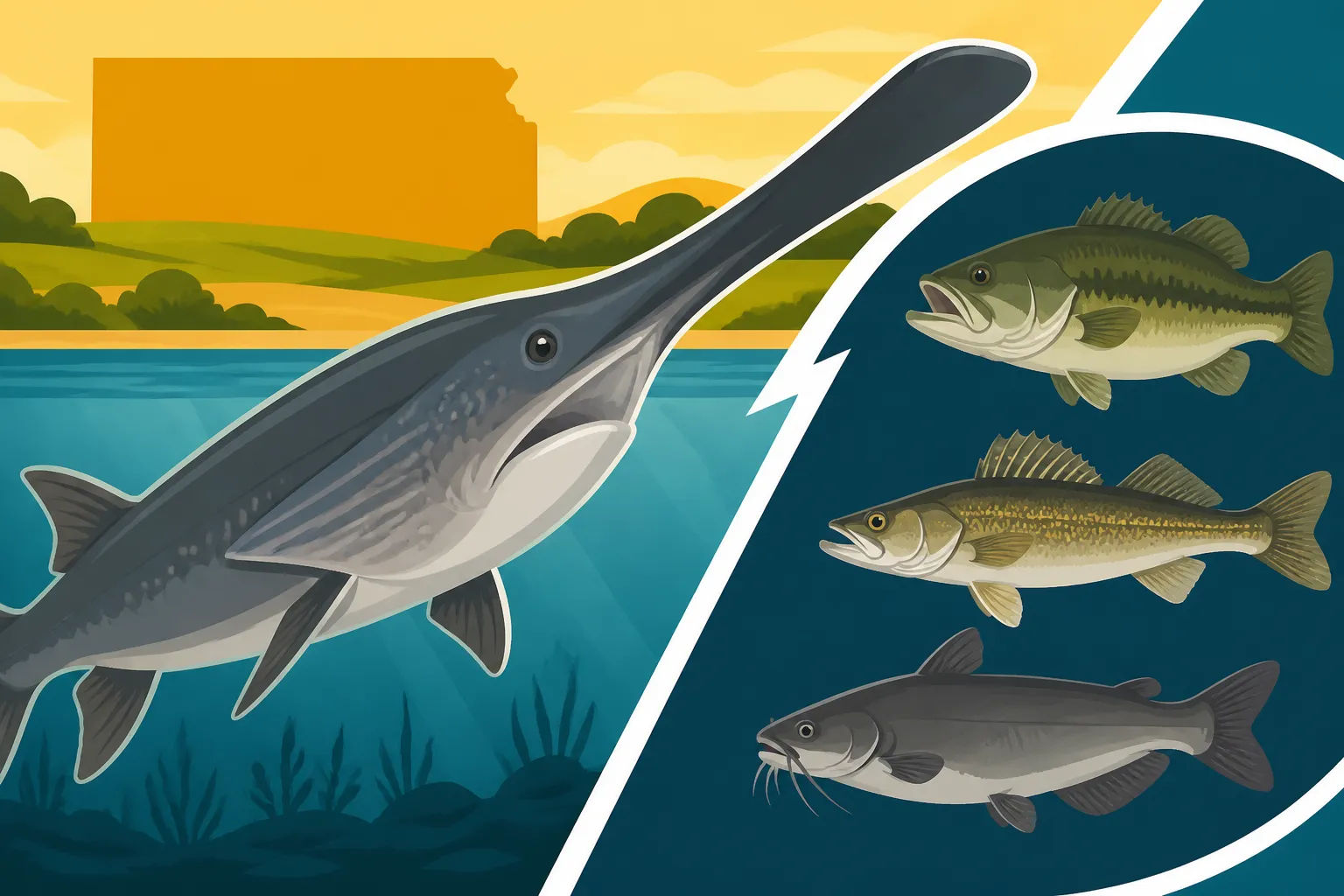
Kansas anglers often get comfortable with the usual suspects – the scrappy bass, the whiskered catfish, or the prolific crappie. We learn their habits, their haunts, and how to tempt them with our favorite baits and lures. But then there’s the paddlefish, a true prehistoric anomaly that swims in our waters, and let me tell you, it's a completely different creature. If you've ever wondered why paddlefish seem to exist in their own separate fishing universe, you're not alone. This guide will dive deep into what makes paddlefish so profoundly different from every other game fish you'll encounter in Kansas.
The Unmistakable Appearance and Anatomy of a Paddlefish
The moment you see a paddlefish, whether in the water, in a photo, or on the end of your line, you know it's not like the others. Forget the sleek, torpedo-shaped walleye, the broad-shouldered largemouth, or the whiskered channel cat. Paddlefish are a masterclass in unique design, boasting features that set them apart in the aquatic world. Their appearance isn't just for show; it's intricately linked to their survival, feeding, and the very methods we use to catch them.
Imagine a fish that looks like a cross between a shark and something you'd see in a natural history museum. They lack the familiar scales of most game fish, sporting smooth, almost leathery skin. Their mouths are vast, designed not for biting or snatching, but for filtering. And, of course, there's that incredible, elongated, paddle-shaped snout – the namesake feature that immediately identifies them. This primitive yet highly specialized anatomy truly puts them in a league of their own compared to the common finned dwellers of our Kansas lakes and rivers.
The Distinctive Rostrum or "Paddle"
Let's talk about that "paddle." This isn't just a funny nose; it's a highly sophisticated sensory organ, officially called a rostrum. It can be nearly one-third the length of the fish's entire body! While its exact functions were long debated, we now know it's covered in thousands of electroreceptors. These tiny pores allow the paddlefish to detect the faint electrical fields given off by their primary food source: plankton. Think of it like a built-in sonar system, guiding them through murky waters to find their microscopic meals.
Contrast this with a walleye, which relies heavily on its large eyes for sight feeding, or a bass, which uses its keen lateral line and eyesight to ambush prey. The paddlefish's rostrum means it navigates and feeds in an entirely different dimension. It's not scanning for a minnow to chase or a crawdad to crunch; it's literally filtering the microscopic life from the water around it. This fundamental difference in sensory perception and feeding apparatus is the first clue as to why fishing for them is so unique.
Skin, Skeleton, and Size — A Primitive Marvel
Beyond the paddle, paddlefish possess other ancient traits. Unlike most modern bony fish, their skeleton is primarily cartilaginous, much like a shark's, rather than calcified bone. This contributes to their unique texture and feel when handled. They also lack the overlapping scales that protect most fish, instead having a smooth, tough skin. You won't be scaling a paddlefish after your trip; it's more like skinning a catfish, but on a much larger scale.
And speaking of scale, paddlefish are absolute giants compared to most Kansas game fish. While a trophy channel catfish might push 30-40 pounds, and a massive walleye could hit 10-12 pounds, paddlefish can routinely exceed 50 pounds, with some absolute monsters topping 100 pounds! Imagine pulling in a fish that's longer than you are tall and heavier than a small child. This sheer size means you need incredibly robust gear, far more heavy-duty than your typical bass or crappie setup. Their primitive nature and massive size are powerful reminders of their long evolutionary journey, making them truly unique inhabitants of our Rivers With Paddlefish.
Feeding Habits and How They Impact Angling Techniques
This is arguably the most crucial difference between paddlefish and virtually every other game fish you'll ever target in Kansas. While bass chase crankbaits, catfish slurp up cut bait, and crappie nibble on jigs, paddlefish simply do not "bite" a traditional hook and bait. Their entire existence revolves around microscopic food, and this fact dictates a completely different approach to catching them.
Anglers accustomed to carefully presenting a lure or bait and waiting for a strike often scratch their heads when it comes to paddlefish. There's no subtle twitch, no aggressive take, because they aren't interested in anything you're offering as "food." This fundamental biological reality leads directly to the specialized, and often misunderstood, technique of snagging. It’s a method that sounds aggressive, but for paddlefish, it’s the only practical way to harvest them due to their unique diet.
The Plankton Diet — A World Apart from Predation
Paddlefish are obligate filter feeders, meaning their diet consists almost exclusively of zooplankton and phytoplankton suspended in the water column. They swim with their enormous mouths agape, using gill rakers to strain these tiny organisms from vast quantities of water. Think of them as the baleen whales of the freshwater world. They are constantly on the move, sifting through the water to gather enough sustenance to fuel their massive bodies.
This dietary specialization means that traditional baits and lures – minnows, worms, grubs, jigs, crankbaits, spinnerbaits – are utterly useless. A paddlefish will swim right past them, completely oblivious to their presence as a food source. They simply do not possess the predatory instincts or the mouthparts to consume larger prey. This is a stark contrast to nearly every other game fish we pursue, which are predators or scavengers actively seeking out food items that we can imitate or present. For a comprehensive look at their biology, you can read more in Kansas Paddlefish Facts.
The Art and Legality of Snagging
Because paddlefish don't bite, the only effective and legal method for catching them is snagging. This technique involves using heavy rods and reels, strong line, and large, weighted treble hooks. Anglers cast these hooks into areas where paddlefish are known to congregate, often during their spawning migrations. The goal is to "snag" the fish in the body as it swims past. It's not a gentle sport; it requires powerful sweeps of the rod to set the hook.
It’s important to understand that snagging for paddlefish, when done within strict regulations, is a legal and accepted practice because of their unique feeding habits. Without it, these incredible fish would be virtually uncatchable by hook and line. However, it's crucial to respect the regulations surrounding this method. Kansas Paddlefish Snagging Season is usually very specific, often limited to certain times of year and locations to protect the fish during vulnerable periods. Using heavy-duty gear is key, and you'll find plenty of options on Amazon for rods, reels, and weighted treble hooks designed for this powerful quarry. To learn the ropes, check out our guide on How to Snag Paddlefish.
Habitat, Behavior, and Life Cycle Differences
Paddlefish aren't just physically and dietetically different; their preferred habitats, migratory behaviors, and life cycles also set them apart from many common Kansas game fish. While you might find bass hugging submerged structure or crappie suspended around brush piles, paddlefish tend to occupy more open, often turbid, water in large rivers and reservoirs, driven by their filter-feeding needs.
Their unique life cycle, characterized by slow growth and long lifespans, also means they face different conservation challenges than faster-reproducing species. Understanding where and how they live is just as important as knowing how to catch them, especially when considering their long-term survival in our waters.
Riverine Giants and Reservoir Roamers
Paddlefish are primarily fish of large, free-flowing river systems and the open waters of major reservoirs. They need extensive waterways to sustain their plankton diet and to undertake their spawning migrations. In Kansas, you'll find them in large reservoirs connected to big river systems, like parts of the Kansas River drainage. They often suspend in the middle of the water column or near the bottom, constantly on the move, filtering water as they go.
This contrasts sharply with many other game fish. Bass are notorious for lurking in cover – weed beds, fallen timber, rock piles. Walleye often hug rocky points, submerged humps, or channel edges. Crappie congregate around vertical structure. Paddlefish, by nature of their feeding, don't rely on these types of structures for ambush points. They are cruisers, traversing vast expanses of water. This means locating them often involves covering a lot of water with your boat or focusing on known migration routes.
Spawning Migrations and Conservation Needs
One of the most remarkable behaviors of paddlefish is their extensive spawning migrations. During late spring, when water temperatures and river flows are just right, mature paddlefish will travel hundreds of miles upstream from reservoirs into major river channels. They seek out specific gravel bar habitats with adequate current for their eggs to hatch successfully. This reliance on free-flowing rivers and specific hydrological conditions makes them particularly vulnerable to damming and habitat alteration.
Their life cycle is also considerably longer than many other game fish. Paddlefish can live for decades, and they don't reach sexual maturity until they are quite old – sometimes 7 to 10 years or even more. This slow maturation and long lifespan mean that overfishing or habitat degradation can have a much more profound and lasting impact on paddlefish populations than on a species like white bass, which matures quickly and reproduces in large numbers. These biological traits underscore the critical importance of careful management and strict Kansas Fishing Regulations Explained when it comes to this ancient species. Their unique biology makes responsible angling practices paramount for their continued presence in Kansas waters.
Gear and Regulations — Tailored for the Unique Challenge
Because paddlefish are so distinct in their size, feeding habits, and habitat, the gear you use and the rules you follow must be equally specialized. You simply can't show up with a finesse spinning rod and expect to land a 70-pound paddlefish, nor can you ignore the specific legal requirements that govern snagging. This section dives into the practicalities of preparing for a paddlefish outing, highlighting how the demands of this species differ from conventional fishing.
It’s not just about having a stout rod; it’s about understanding the entire system needed to safely and successfully target these riverine giants. From the strength of your line to the size of your hooks and the nuances of the law, everything is elevated to match the scale and particularities of the paddlefish. This distinction is crucial for both success and compliance when chasing one of Kansas's most impressive, albeit unusual, game fish.
Specialized Tackle for Snagging Success
To effectively snag a paddlefish, you need serious tackle. Your everyday bass or catfish rod simply won't cut it. You're looking for heavy-action rods, often 7 to 9 feet long, capable of handling significant weight and absorbing the shock of a powerful sweep and a fighting fish. Paired with this, you'll need a large, robust baitcasting or spinning reel, spooled with strong braided line – think 80 to 100-pound test – to withstand the immense pressure. Monofilament or fluorocarbon of that strength would be too thick and have too much stretch.
The business end involves heavy-duty, weighted treble hooks. These hooks are often larger than what you’d use for any other species, with a substantial lead weight incorporated directly into the hook shank or crimped above it. This weight is essential for sinking the hooks quickly and keeping them in the strike zone where paddlefish are swimming. You might find similar heavy gear for species like big blue catfish, but the specific configuration for snagging is unique. Many anglers find it easiest to purchase specialized paddlefish rigs, which can often be found through online retailers like Amazon, ensuring you have the right components for the job. If you're used to a Best Rod and Reel Combo for Catfish, prepare for an upgrade!
Unique Rules for a Unique Fish
The regulations governing paddlefish in Kansas are distinct and often more stringent than those for other game fish. This is due to their long lifespan, slow maturation, and specific spawning needs, which make them more vulnerable to overfishing. Key differences include:
- Dedicated Season: Paddlefish typically have a very specific, limited season for snagging. You can't just decide to go paddlefishing any time of year like you might for crappie or bass. These seasons are carefully chosen to coincide with their migratory movements but also to protect them. You must know the current Kansas Fishing Seasons Guide and specific dates for paddlefish.
- Length Limits: Minimum and sometimes maximum length limits are common for paddlefish. These are designed to protect younger, immature fish and often large, prime breeding adults. This is similar to Kansas Walleye Length Limits but often with less flexibility given the species' biology.
- Creel Limits: The daily and possession limits for paddlefish are typically much lower than for other species. While you might be able to keep Kansas Crappie Daily Limit of 50 Fish or a generous number of channel catfish, paddlefish limits are usually very conservative, often one or two fish per day/season. See Kansas Catfish Daily Limits for comparison.
- Method Restrictions: Snagging is the primary legal method. Any attempt to use bait or conventional lures for paddlefish, which would be ineffective anyway, might be illegal during the snagging season.
- Licensing: Of course, just like with any other fishing, you'll need a valid Kansas Fishing License Guide to pursue paddlefish.
These stringent rules are in place for a good reason: to ensure that this magnificent, ancient fish continues to thrive in Kansas waters for generations to come. Always consult the official Kansas Department of Wildlife, Parks and Tourism regulations before heading out.
Paddlefish vs. Common Kansas Game Fish: A Comparative Look
To truly grasp how unique paddlefish are, it helps to put them side-by-side with the game fish we all know and love. Let’s break down the major differences in a clear comparison.
| Feature | Paddlefish | Channel Catfish | Walleye | Largemouth Bass |
|---|---|---|---|---|
| Appearance | Long paddle-like rostrum, smooth skin, cartilaginous skeleton, shark-like tail | Smooth skin, barbels (whiskers), deeply forked tail, bony skeleton | Large eyes, sharp teeth, prominent dorsal fin, bony skeleton | Large mouth, dark lateral line, bony skeleton, spiny dorsal |
| Diet | Filter feeder (zooplankton/phytoplankton) | Omnivore/Scavenger (cut bait, worms, insects, small fish) | Predator (minnows, shad, crayfish, insects) | Predator (fish, frogs, crawfish, insects, rodents) |
| Angling Method | Snagging | Bait fishing (bottom rigs), trotlines, jug fishing | Lure fishing (jigs, crankbaits, trolling), live bait | Lure fishing (plastics, crankbaits, topwater), live bait |
| Primary Habitat | Large rivers, open waters of reservoirs, mid-water column | River channels, lake bottoms, near structure, turbid water | Rocky points, humps, ledges, clear to moderately clear water | Weedy cover, submerged timber, docks, shallow water |
| Size Potential | Very Large (50-100+ lbs) | Large (20-40+ lbs) | Medium (5-15 lbs) | Medium (5-10 lbs) |
| Conservation Need | High (slow growth, late maturity, specific spawning needs) | Moderate (fast growth, prolific) | Moderate (popular, managed through limits) | Moderate (popular, managed through limits) |
As you can see, the paddlefish stands out in every major category, from how it looks to what it eats and how you catch it. It’s a truly specialized creature that demands respect and a unique understanding from Kansas anglers.
Disclaimer
This article is for general informational purposes only and does not constitute professional advice. Laws, prices and regulations vary by location and change over time. Consult a qualified professional for guidance on your specific situation.