Water Temperature Kansas Catfish Prefer
There’s nothing quite as frustrating as heading out to your favorite Kansas fishing spot, full of anticipation, only to find the catfish are nowhere to be found. Often, the culprit isn't your bait, your technique, or even the moon phase, but rather the water temperature. Understanding the preferred temperature ranges for Kansas catfish species is a game-changer for consistently successful angling, and this guide is going to break down everything you need to know to adapt your strategy to the conditions.
The Intimate Relationship Between Catfish and Water Temperature in Kansas
Water temperature isn't just a number on a thermometer for catfish; it dictates nearly every aspect of their lives, from their metabolism to their mood. For us anglers, knowing these preferences is like having a secret weapon in our tackle box, especially when conditions are less than ideal.
Why Temperature Matters So Much for Catfish
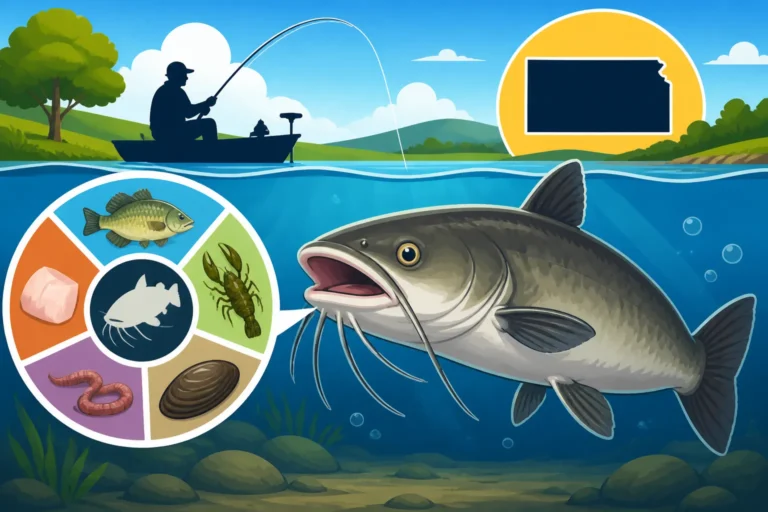
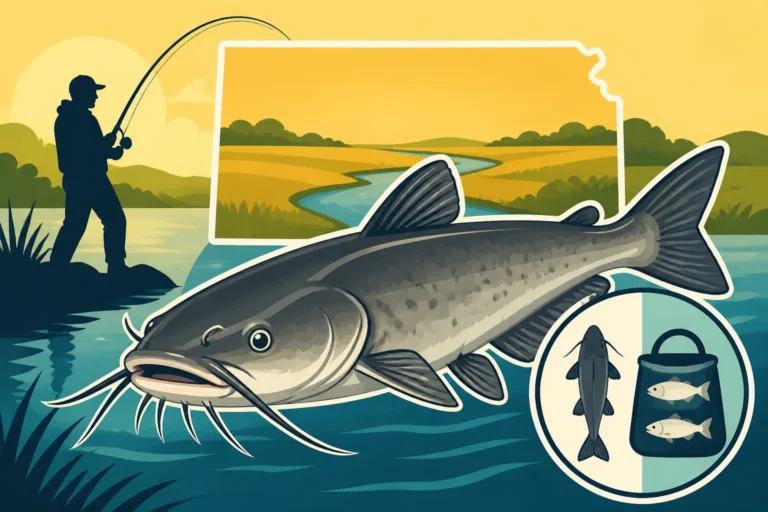
Think about how you feel on a sweltering summer day versus a crisp autumn morning. Your energy levels change, right? Fish are much the same, but far more sensitive, as their body temperature directly mirrors the water around them. When the water is too cold, their metabolism slows down, making them sluggish and less interested in feeding. Conversely, if the water gets too hot, oxygen levels can drop, causing stress and again, reducing their feeding drive. This is especially true for the different species we have roaming Kansas waters: the feisty Channel Catfish, the powerful Blue Catfish, and the elusive Flathead Catfish. Each has a slightly different comfort zone, but all are profoundly affected by the thermal conditions of their habitat.
A subtle shift of just a few degrees can trigger a major change in where catfish hold, what they're willing to eat, and how aggressively they'll bite. It’s why one day you might be hauling them in shallow and the next they seem to have vanished, often moving to deeper, more stable temperatures. Ignoring this fundamental factor is like trying to drive a car without checking the fuel gauge – you might get somewhere, but it's likely to leave you stranded sooner or later. By paying close attention to water temperature, you’re essentially tuning into the catfish’s daily rhythm, allowing you to anticipate their movements and feeding patterns.
Ideal Temperature Ranges for Active Catfish
While catfish are incredibly hardy and can tolerate a wide range of temperatures, they truly thrive and become most active within specific windows. For most Kansas catfish species, the "sweet spot" for feeding generally falls between roughly 65°F and 85°F (about 18°C to 29°C). Within this range, their metabolism is humming, they're digesting food efficiently, and they're actively on the hunt for their next meal.
- Channel Catfish: These adaptable fish are often quite active from the mid-60s into the low 80s. They're a bit more tolerant of warmer water than some other species.
- Blue Catfish: Blues, especially the larger ones, tend to prefer slightly cooler, more oxygenated water than channel cats. Their prime feeding often occurs in the upper 60s to mid-70s, though they’ll certainly be caught outside this.
- Flathead Catfish: These ambush predators typically become very active once water temperatures hit the low 70s and stay strong into the low 80s. They are less tolerant of extreme cold or heat, preferring stable conditions.
Understanding these ideal ranges helps us target times and locations where catfish are most likely to be engaged. If the water is significantly colder or warmer, you might still catch fish, but you'll likely need to adjust your Kansas Catfish Fishing Techniques drastically, presenting baits slower and often deeper to reluctant biters.
Signs of Temperature Stress in Catfish
Just like people, fish can get stressed when the environment isn't to their liking. When water temperatures fall outside their comfort zone, catfish can exhibit signs of stress that impact their behavior and make them harder to catch. In extremely cold water, below 45°F (7°C), catfish become lethargic, moving very little and feeding sporadically, if at all. They seek out deeper holes or thermal refuges where temperatures are more stable, entering a semi-dormant state.
On the flip side, excessively hot water, often above 88°F-90°F (31°C-32°C), can also be highly stressful. High water temperatures lead to decreased dissolved oxygen levels, which can make fish lethargic, seek out cooler, deeper water, or even rise to the surface gasping for air in extreme cases. You might notice fish rising sluggishly, or not responding to typical presentations. This stress manifests as reduced appetite and a tendency to "shut down." Observing these subtle cues, along with your thermometer, can tell you a lot about whether you're fishing in comfortable conditions for the fish. If you see signs of stress, it's a good indication you need to adjust your depth or location to find more favorable temperatures.
Seasonal Strategies for Chasing Kansas Catfish Through Temperature Changes
Kansas weather is a rollercoaster, and water temperatures follow suit. Each season brings unique challenges and opportunities for catfish anglers. Adapting your approach with the changing seasons, and the water temperatures they bring, is essential for consistent success.
Spring: The Warming Waters and Spawning Prep
Ah, spring in Kansas! After a long, cold winter, the warming waters are a welcome sight for both anglers and catfish. As ice melts and water temperatures climb into the 50s and then the 60s, catfish begin to shake off their winter lethargy. This is a fantastic time for pre-spawn feeding. Catfish, particularly Channel and Blue Cats, start moving out of their deep wintering holes and into shallower areas where the sun's rays have warmed the water first. They're looking for food to fuel their upcoming spawning rituals.
During this period, focus your efforts on northern banks, shallow coves, and flats that receive ample sunlight. In a large impoundment like Tuttle Creek Lake, these areas can warm up several degrees faster than the main lake, concentrating hungry catfish. Target water temperatures in the upper 50s to low 70s for excellent action. Baits like cut bait, worms, and prepared baits become highly effective. This time of year, catfish are often aggressive as they load up on calories. You can learn more about general spring tactics in our Kansas Spring Fishing Guide.
Summer: Hot Temperatures and Night Fishing Tactics
Summer in Kansas means hot, often scorching, temperatures, and the water certainly reflects that. As water temperatures climb into the mid-80s and even 90s, catfish behavior changes significantly. While they are warm-water fish, extreme heat can make them seek refuge. During the heat of the day, catfish will often retreat to deeper, cooler waters where oxygen levels might be more stable. They'll also seek out shade from overhanging trees or structure, and areas with current, such as river channels or below dams, which can offer cooler, more oxygenated water.
This is where night fishing truly shines for catfish. As the sun sets and surface temperatures begin to drop, catfish move out of their deep hiding spots and into shallower feeding areas. This nocturnal activity is especially true for Flathead Catfish, which are renowned for their nighttime hunts. Targeting areas they might frequent after dark, such as shallow flats adjacent to deep water, humps, or even submerged timber, can be incredibly productive. Our Kansas Night Fishing Guide offers excellent tips for this, and many of the tactics for white bass at night can be adapted for catfish. Even in the sweltering Kansas summer, you can still find good catfish action if you're willing to embrace the cooler hours. Don't forget to stay hydrated!
Fall: Cooling Down and Aggressive Feeding
As autumn leaves begin to change and the crispness returns to the air, Kansas waters start to cool down from their summer highs. This transitional period, when water temperatures gradually drop from the 80s into the 60s and 50s, triggers another aggressive feeding period for catfish. They instinctively know winter is coming and need to pack on calories. This can be one of the best times of the year to target large catfish.
During the fall, catfish will often be found in a wider range of depths. Early fall still sees them in relatively shallow areas, particularly on sunny days, but as the water cools further, they'll start to congregate closer to deeper wintering holes. Creek channels, main lake points, and areas with abundant baitfish can be hot spots. Blue and Channel Catfish will be actively foraging, and Flatheads will still be opportunistic. Look for water temperatures in the low 70s down through the 60s for peak activity. This "fattening up" phase means they're often less picky about baits and will hit aggressively.
Winter: Dormancy and Deep-Water Holds
Winter fishing for catfish in Kansas is definitely a different ballgame. As water temperatures plummet below 50°F and often into the low 40s or even below, catfish enter a state of semi-dormancy. Their metabolism slows dramatically, and they feed infrequently. Don't let that discourage you, though! While tougher, winter catfishing can yield some surprisingly big fish if you know where to look.
During the coldest months, catfish will seek out the deepest, most stable water available. This means targeting deep river channels, main lake basins, and large holes in reservoirs where the water temperature fluctuates the least. They often stack up in these areas in large numbers, conserving energy. Your approach needs to be slow and precise. Heavy cut bait or large prepared baits presented directly on the bottom are often the key. It's not about quantity in winter, but often about quality, as larger fish can be coaxed into biting. Always check local regulations, as Kansas Catfish Daily Limits still apply, even in the dead of winter.
Finding Catfish in Varying Kansas Water Temperatures
Knowing the preferred temperature range is one thing, but actually finding fish in those conditions is another. It requires a bit of detective work and the right tools.
Reading the Water: Thermometers and Fish Finders
To consistently put yourself in front of catfish, you need to know the actual water temperature at different depths. This is where modern angling tools become invaluable. A good fishing thermometer, whether it's a simple tethered model you drop to different depths or an integrated part of your Kansas Fish Finder Buying Guide system, is crucial. Surface temperatures can be deceiving, especially on large bodies of water like Milford Lake or Cheney Reservoir, where deeper water can be significantly cooler or warmer depending on the season.
When you're out on the water, take temperature readings at various depths and in different locations. Pay attention to how the temperature changes from the surface to the bottom, or from a shallow flat to a deep channel. This information, combined with knowing the general behavior of catfish at those temperatures, allows you to pinpoint likely holding areas. For instance, if surface temps are scorching in summer, and you find a thermocline (a layer where water temperature changes rapidly) at 20 feet, and cooler, more oxygenated water below it, you can bet that catfish will be concentrated just below or within that thermocline. Investing in a quality fish finder, many of which are readily available on platforms like Amazon, will give you invaluable insights into both depth and temperature readings.
Temperature Gradients and Structure
Catfish are experts at using subtle temperature differences to their advantage. They will often position themselves on "temperature gradients"—areas where the water temperature gradually changes. This might be at the edge of a thermocline, where cooler water meets warmer water, or along a transition zone where a shallow flat drops off into deeper water. Structure plays a huge role here; a submerged creek channel, a rock pile, or a brush pile that extends through different temperature layers can be a magnet for catfish.
Consider a hot summer day at Tuttle Creek Lake Catfish Fishing. If the main lake is 88°F, but there's a deep channel that holds 78°F water, catfish will likely be concentrated along the edges of that channel, using it as a thermal refuge. Conversely, in early spring, a dark, muddy flat that warms up to 60°F a few degrees faster than surrounding areas will attract hungry catfish looking for an easy meal. Always think about how structure intersects with these thermal zones. Catfish don't just sit in one temperature; they'll use structure within or adjacent to their preferred temperature range for ambush points, security, and resting areas.
Adjusting Your Approach: Bait and Presentation
Once you've located catfish within their preferred temperature zone, the next step is to adjust your bait and presentation to match their mood. As water temperatures cool down, catfish become less active, and their metabolism slows. This means they're less likely to chase down fast-moving baits. Instead, a slower, more subtle presentation is often more effective. Heavy cut bait or stink bait fished on a Best Bait for Kansas Catfish rig, allowed to sit patiently on the bottom, can be the ticket. They need time to find the scent and decide to strike.
Conversely, in warmer, more active periods (within their ideal range), catfish might respond well to more aggressive presentations. You might find success with drifting baits, using trotlines, or even jug fishing. The key is to match your tactic to their energy level, which is directly tied to the water temperature. Think about the size of your bait too; in colder water, smaller, more concentrated offerings might be better, while in warmer water, larger, more scent-dispersing baits can grab their attention from a distance.
Common Misconceptions and Advanced Tips for Temperature-Sensitive Catfishing
Even experienced anglers can sometimes fall into common traps regarding catfish and water temperature. A deeper understanding of other interacting factors, coupled with savvy information gathering, can elevate your catfishing game.
Myth Busting: Catfish Always Love Muddy Water
It’s a common refrain: "Catfish love muddy water!" And while it's true that catfish are often found in turbid conditions, and can tolerate mud much better than many other species, it's not a universal rule or always their preference. The "muddy water" association often comes from their strong sense of smell, which gives them an advantage in low visibility. However, extremely muddy water, especially after heavy rains, can lead to lower oxygen levels and can actually push catfish out of an area.
Furthermore, clear water can still hold plenty of catfish, especially Blue Cats and Flatheads, which often prefer clearer, more oxygenated conditions within rivers or specific lake sections. The key isn't necessarily mud, but rather how the water clarity (or lack thereof) affects other factors like oxygen and temperature. In many cases, muddy water is also warmer, especially in shallower areas. So, while you might find catfish in muddy water, it's often because of a beneficial temperature or dissolved oxygen level within that turbidity, rather than the mud itself being the sole draw. Always assess the overall conditions, not just one aspect.
The Role of Current and Oxygen
Water temperature doesn't act in isolation; it's intricately linked with other environmental factors, most notably current and dissolved oxygen. Cooler water can hold more dissolved oxygen, which is vital for fish health and activity. This is why areas with good current, such as river sections like the Kansas River Catfish Spots or below dams on reservoirs, can be magnets for catfish, especially during hot summer months. The moving water often brings in cooler temperatures, higher oxygen levels, and a steady supply of food.
Even in lakes, subtle currents created by wind or inflow from feeder creeks can create oxygenated "sweet spots" that attract catfish. When surface temperatures are high, catfish will often gravitate to these areas of current and oxygen, even if the temperature isn't perfectly within their "ideal" range. The boost in oxygen can override slight temperature discomfort. Pay attention to inflows, outflows, and areas where wind pushes surface water, as these can concentrate oxygen and, consequently, catfish.
Tracking Water Temperatures Online and Local Knowledge
In today's connected world, there are more resources than ever to help you stay ahead of the game. While live on-the-water readings are best, many state wildlife agencies and local fishing forums provide water temperature updates for major lakes and rivers. Some even publish regular fishing reports that might include temperature data. A quick search before your trip can give you a general idea of what to expect.
Beyond official channels, don't underestimate the power of local knowledge. Chat with bait shop owners, other anglers at the boat ramp, or participate in online fishing communities. Many seasoned Kansas anglers have a wealth of knowledge about how specific bodies of water behave with temperature changes. Combining online research, local tips, and your own on-the-water thermometer readings will give you the most comprehensive picture. Remember, understanding the big picture of Kansas Fishing Seasons Guide and how temperatures dictate fish movement is a lifelong pursuit, but a rewarding one!
Here's a quick reference table to help you categorize catfish behavior based on water temperature:
| Water Temperature Range (Fahrenheit) | Catfish Behavior | Angler Strategy |
|---|---|---|
| Below 45°F | Lethargic, semi-dormant. Seek deepest, most stable water. Feed very infrequently. | Fish deepest holes, channels. Slow, large, scent-rich baits. Very subtle presentations. Focus on holding, not active hunting. |
| 45°F – 55°F | Slowly becoming active. Still primarily in deep water but may make short forays to feed. | Target slightly shallower edges of deep water. Slow, steady retrieves/soaks. Look for sunny days to warm shallower flats near deep access. |
| 55°F – 65°F | Increasing activity, pre-spawn feeding. Moving to shallower areas for warmth and food. | Excellent spring fishing. Target shallow coves, flats, sunny banks. Cut bait, worms, prepared baits are effective. Fish can be aggressive. |
| 65°F – 80°F | Peak activity, prime feeding, spawning in upper end of range. Blue and Channel cats thrive. | Highly active. Use various Kansas Catfish Fishing Techniques. Day or night fishing can be productive. Catfish are actively hunting. Flatheads become very active. |
| 80°F – 88°F | High activity in early morning/evening. Seek deeper, cooler water or current during day. | Summer strategy. Focus on deeper channels, current breaks, shade during midday. Excellent for How to Catch Flathead Catfish at Night and Kansas Summer Catfish Fishing Tips when waters cool. |
| Above 88°F | Stressed, lethargic due to low oxygen. Seek thermal refuge, current, or shade. Feed sparingly. | Very challenging. Target strongest current, deepest oxygenated water, or immediate post-sunset/pre-dawn hours. Minimize stress on fish if caught; handle quickly and release carefully. |
Disclaimer
This article is for general informational purposes only and does not constitute professional advice. Laws, prices and regulations vary by location and change over time. Consult a qualified professional for guidance on your specific situation.