Kansas Kayak Fishing Gear Guide
Kayaking has truly exploded in popularity across Kansas, offering a unique and incredibly rewarding way to experience our beautiful lakes and rivers. But let's be real, outfitting yourself for kayak fishing isn't just about grabbing a rod and paddle; it requires some thoughtful planning to ensure you're safe, comfortable, and ultimately, successful on the water. This comprehensive guide is here to walk you through all the essential gear you'll need to hit the water, from the kayak itself to those crucial little accessories that make all the difference, making your Kansas kayak fishing adventures memorable and productive.
Choosing Your Kayak: Stability, Speed, and Storage
Your kayak is more than just a boat; it's your personal fishing platform, your mobile basecamp on the water. The right choice can drastically change your experience, influencing everything from how easily you can cast to how stable you feel reeling in that trophy fish. When you're looking at kayaks for Kansas waters, you're really balancing a few key factors: stability for safety and casting, speed for covering water, and enough storage for all your essentials.
Sit-on-Top vs. Sit-in Kayaks for Fishing
This is often the first big decision any aspiring kayak angler faces, and for good reason. Each style has its distinct advantages and disadvantages, especially when you consider the varied conditions of Kansas fishing.
Sit-on-top kayaks are overwhelmingly popular among anglers, and it’s not hard to see why. Their open deck design makes them incredibly versatile. You can easily swing your legs over the side, cast from various positions, and even stand up to sight fish in calm waters – a huge bonus when you're targeting cruising bass or suspended crappie. If you happen to take on water, it self-drains through scupper holes, meaning you won't be sitting in a puddle all day. This is a big plus during our warm Kansas summers, allowing you to cool off a bit. Access to gear is also much easier, as everything is laid out on the deck or in readily accessible hatches. However, they tend to be a bit slower and heavier than their sit-in counterparts, and you're definitely more exposed to the elements, which can be a chilly proposition on a breezy spring morning or a late fall afternoon.
Sit-in kayaks, on the other hand, offer more protection from the wind and spray, keeping you drier and warmer. This can be a significant comfort factor when you’re out on a large, windswept reservoir like Cheney Reservoir Fishing Guide on a cooler day. They also tend to be faster and track straighter, making long paddles more efficient. However, the enclosed cockpit can feel restrictive for fishing. Casting can be awkward, and landing a big fish can be a real challenge with limited maneuverability. If you do take on water, it stays in the cockpit, which can be a serious hassle to bail out, and they typically have less accessible storage on deck for tackle and gear. For most dedicated Kansas kayak anglers, the benefits of the sit-on-top for fishing outweigh the drawbacks.
Understanding Kayak Length and Width
Once you've settled on the style, the dimensions of your kayak become crucial. Length and width directly impact performance and comfort. Think about where you'll be fishing most often in Kansas.
A longer kayak (typically 12 feet and up) will generally be faster and track straighter, meaning it holds a true line with less effort. This is fantastic if you're planning to cover significant distances on sprawling waters like Milford Lake Is the Largest Lake in Kansas or even some of the larger stretches of the Kansas River. It also tends to handle chop and waves better, which you'll definitely encounter on windy reservoir days. The downside is that longer kayaks are less nimble and can be harder to transport and store. On the flip side, a shorter kayak (under 12 feet) is much more maneuverable, easier to turn, and lighter to transport. These are ideal for smaller, intimate waters like our many state fishing lakes or tight river bends where agility is key.
Width directly correlates to stability. A wider kayak (30 inches or more) will feel incredibly stable, allowing you to stand up to cast, stretch your legs, or have a more solid platform when fighting a fish. This increased stability is often a priority for anglers, as it boosts confidence and comfort, especially if you’re new to kayak fishing. However, that extra width comes at the cost of speed. You'll work harder to paddle a wider kayak, and it won't glide through the water as efficiently. A narrower kayak will be faster but much less stable, making standing nearly impossible and potentially feeling a bit tippy when reeling in a feisty Kansas Walleye Fishing Guide. Most fishing kayaks strike a balance, offering good stability without sacrificing too much speed. For a comprehensive guide on specific kayaks, check out Best Kayak for Kansas Reservoir Fishing.
Propulsion and Pedal Drive Systems
Beyond the paddle, modern kayak fishing has revolutionized propulsion, offering anglers hands-free options that can completely change how you approach a fishing trip.
Traditional paddle power is where most of us start, and it’s still highly effective. A good quality paddle is lightweight, durable, and matched to your height and kayak width. It’s also excellent for exercise and getting into shallow, tight spots where other propulsion methods might struggle. However, holding a paddle means you often have one less hand for fishing. Imagine drifting off your spot while trying to land a fish, or having to put down your rod to make a quick adjustment against the wind. It's a common struggle for paddle anglers.
This is where pedal drive systems really shine. Brands like Hobie and Old Town, often found at retailers like Bass Pro Shops, have popularized systems that allow you to propel your kayak using your legs, similar to riding a bicycle. This frees up both your hands for casting, reeling, and managing your lines. Being able to effortlessly maintain position against the wind or a slight current while actively fishing is a game-changer. It also allows for much more precise boat control, letting you creep up on a spot or follow a contour line with ease. Many pedal drives can also be reversed, acting as a "brake" or allowing you to back away from snags. While pedal kayaks are significantly more expensive and heavier than paddle-only models, the efficiency and hands-free operation make them incredibly popular for serious anglers.
Some kayaks also offer the option to mount a trolling motor, giving you even more power and less physical exertion. This can be especially appealing on large Kansas reservoirs where you might need to cover vast distances or fight strong winds. However, motors add weight, require batteries, and might have restrictions in certain waters. Always check Kansas Fishing Regulations Explained for any specific rules regarding motorized kayaks.
Essential Safety Gear: Never Compromise on Peace of Mind
Out on the water, especially alone, safety is absolutely paramount. No fish is worth risking your life over, and neglecting basic safety gear is simply not an option. From the moment you launch until you pack up, being prepared for the unexpected ensures you can focus on enjoying your time without unnecessary worry.
Personal Flotation Devices PFDs
This isn't just a recommendation; it's often a legal requirement and, more importantly, a lifeline. While you might be tempted to just have a PFD stowed away, wearing it is what counts. Accidents happen fast, and there's often no time to grab and put on a PFD once you're unexpectedly in the water.
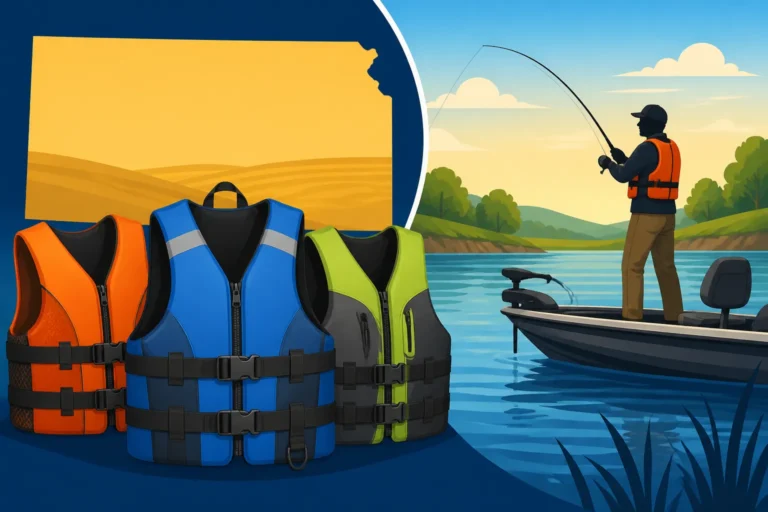
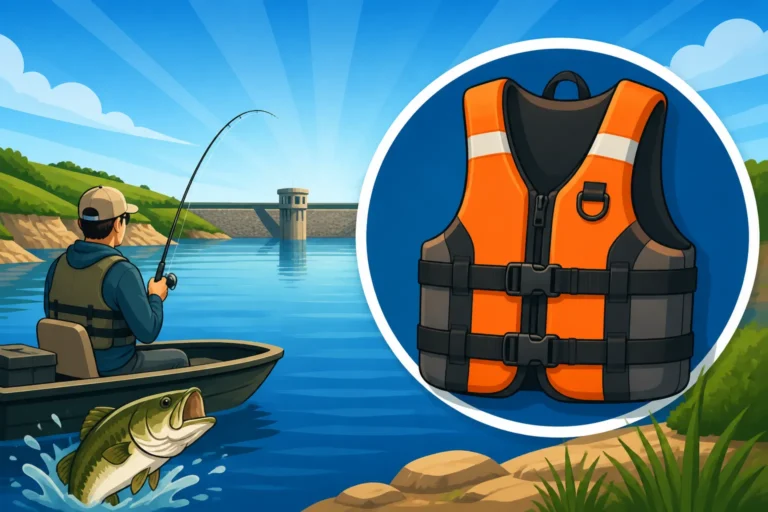
Look for a PFD specifically designed for fishing. These typically feature multiple pockets, attachment points, and a comfortable, ergonomic fit that doesn’t hinder casting or paddling. Brands like NRS and Old Town offer excellent fishing PFDs. They are designed to allow a full range of motion, meaning you won’t even notice you’re wearing it most of the time. When choosing, ensure it’s properly sized for your weight and chest circumference. It should fit snugly but not restrictively, and not ride up when you lift your arms. A well-fitting PFD will keep your head above water, even if you’re unconscious or injured. Always refer to Kansas Boating Safety Equipment Requirements for specifics on PFD types and regulations, but generally, a Type III or Type V vest is suitable for kayak fishing.
Signaling Devices and Communication
If you find yourself in trouble, being able to call for help is crucial. The vastness of Kansas lakes and rivers can quickly make you feel isolated if an emergency arises.
At a minimum, every kayak angler should carry a whistle. It's simple, waterproof, and doesn't rely on batteries. Three short blasts are the universal distress signal. For more serious situations or larger bodies of water, an air horn can carry farther. While rarely needed, visual distress signals like flares might be appropriate for offshore kayak fishing, though less common on typical Kansas waters. More importantly, consider your communication method. A fully charged cell phone in a waterproof, floating case is essential. Not only can you use it to check the weather or share a photo of your catch, but it's your primary way to call for help. Some anglers also opt for a VHF marine radio on large reservoirs, especially if they are frequently out of cell service range. Finally, always tell someone your float plan – where you're going, when you expect to be back, and who to call if you don't check in. It's a simple step that can be a lifesaver.
First Aid and Emergency Preparedness
Beyond the immediate crisis, preparing for smaller incidents can prevent them from ruining your trip or escalating into something worse. A basic first aid kit is non-negotiable for kayak fishing.
Your kit should include band-aids, antiseptic wipes, pain relievers, and moleskin for blisters (those paddles can rub!). Crucially, include a tool for hook removal and a pair of small scissors or line clippers for tangles or cuts. Given Kansas's often bright sun, sunscreen and a wide-brimmed hat are vital to prevent sunburn and heatstroke. Always bring more water than you think you'll need; hydration is key, especially during long summer days when chasing Kansas White Bass Guide. A multi-tool or a good sharp knife is also incredibly useful for a myriad of tasks, from cutting fishing line to making minor repairs. Think about what could go wrong, and pack a small, waterproof kit to address those potential issues. Being self-sufficient on the water means you're not relying on others for basic care, allowing you to enjoy your fishing experience without unnecessary stress.
Rods, Reels, and Tackle: Tailoring Your Setup
When you're fishing from a kayak, your gear choices become even more critical than when you're on a big boat or standing on the bank. Space is limited, stability can be a factor, and every piece of equipment needs to earn its spot. Efficient and smart tackle management is key to a productive day.
Kayak-Specific Rod Lengths and Actions
Forget those 7.5-foot bass rods you might use from your bass boat; they're just too cumbersome in a kayak. Shorter rods, typically in the 6-foot to 7-foot range, are your best friends here.
A shorter rod allows for easier casting without hitting your paddle or the bow of the kayak. It also makes fighting fish more manageable in the confined space of a kayak, giving you better leverage and control. When choosing a rod action, think about the species you're targeting. For panfish or smaller crappie, a light to ultralight rod with a fast action will make even a small bluegill feel like a monster. For common Kansas species like channel catfish, walleye, or largemouth bass, a medium to medium-heavy rod with a fast to moderate-fast action is a versatile choice. This setup provides enough backbone to handle bigger fish while still offering sensitivity for subtle bites. Many kayak anglers bring two or three rods, pre-rigged for different techniques or species, stowed securely in flush-mount or rail-mount rod holders to maximize efficiency and minimize retying.
Managing Tackle on a Kayak
This is where organization becomes less about neatness and more about necessity. Clutter in a kayak is a recipe for disaster—lost lures, tangled lines, and even safety hazards.
You'll want compact, waterproof tackle boxes or bags. Instead of one massive tackle box, consider several smaller boxes, each dedicated to a specific type of lure or technique. For instance, one box for crankbaits, another for soft plastics and jig heads, and a third for terminal tackle like hooks, sinkers, and swivels. Brands like Plano and Bass Pro Shops offer excellent waterproof options that fit well into kayak hatches or bungeed storage areas. Keeping your most frequently used lures and tools in a small, easily accessible tray or pocket on your PFD or a crate behind you will save you from constantly rummaging. Remember, every item should have a place, and that place should be secure. Bungees, leashes, and tethers (more on that later) are your allies against losing gear overboard, especially when trying to land a feisty fish or navigate choppy water.
Landing Nets and Fish Grips
Trying to hand-land a thrashing Kansas Channel Catfish Daily Limit or a toothy walleye in a narrow kayak is a recipe for chaos, potential injury, and often, a lost fish. A good landing net is absolutely essential.
Look for a net with a rubberized or clear mesh, which is much gentler on fish (especially if you plan to release them) and less likely to tangle hooks. An extendable handle is a huge plus, allowing you to reach fish easily without over-stretching or compromising your stability. A net that floats is also a smart investment, just in case it goes overboard. When not in use, it should stow securely to avoid becoming a snagging point or a tripping hazard. For species like catfish or hybrid stripers with sharp fins or rough mouths, a pair of fish grips (like those offered by manufacturers that Amazon sells) can be invaluable. They provide a secure hold without you having to touch the fish directly, reducing the risk of being poked or cut, and giving you better control for unhooking and photographing your catch before release. Having both a net and grips ensures you're prepared for whatever you hook. For those targeting different species, researching Kansas Crappie Fishing Guide might lead you to different netting considerations than Kansas Walleye Fishing Guide.
Navigation and Anchoring Solutions for Kayak Anglers
Being able to hold your position and accurately find fishing spots is just as important from a kayak as it is from a larger boat. Whether you're battling wind on a reservoir or trying to pick apart a brush pile in a quiet cove, the right navigation and anchoring tools can significantly enhance your success and enjoyment.
Kayak Anchoring Systems
One of the biggest challenges for kayak anglers is dealing with wind and current, which can quickly pull you off your desired fishing spot. A reliable anchoring system is therefore a cornerstone of effective kayak fishing.
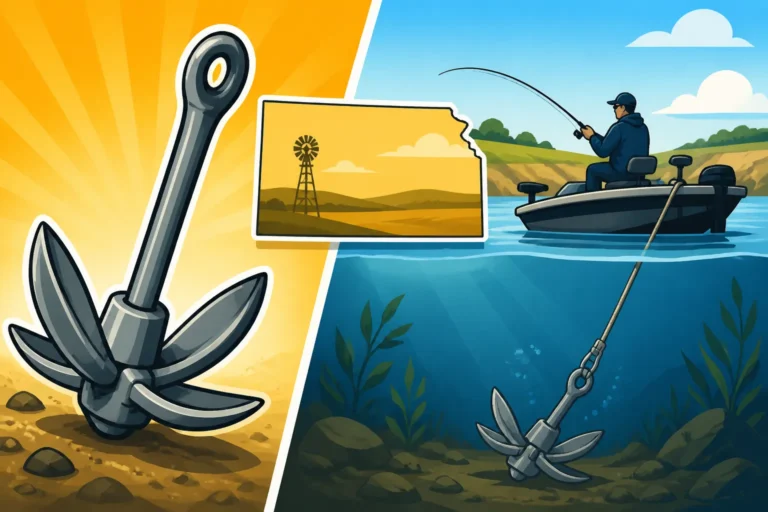
For kayaks, a small, collapsible grapple anchor or a folding anchor is usually ideal. These types of anchors are lightweight, stow compactly, and have flukes that can grip various bottom types, from mud to rock. The weight of the anchor will depend on your kayak size and the typical conditions you face, but often a 1.5 to 3-pound anchor is sufficient for most Kansas waters. Crucially, invest in an anchor trolley system. This allows you to easily move your anchor line from the bow to the stern (or anywhere in between) without having to reach awkwardly or paddle around. It lets you perfectly orient your kayak into the wind or current, ensuring you’re casting exactly where you want to be. Always use a quick-release cleat or cam device on your anchor line, so you can rapidly detach from your anchor if you need to maneuver quickly, get snagged, or if an emergency arises. Safety first!
Fish Finders and GPS for Kayaks
Gone are the days when fish finders were exclusively for large powerboats. Today's compact, portable units are perfect for kayak fishing, giving you a huge advantage in locating fish and understanding underwater structure.
Many companies offer small, battery-powered fish finders that are specifically designed for kayak mounting. These units can show you depth, water temperature, structure (like brush piles, rock formations, or drop-offs), and most importantly, the presence of fish. Some even come with GPS capabilities, allowing you to mark waypoints for productive fishing spots, navigate back to a launch, or follow contour lines. Look for models with bright, readable screens and intuitive controls. Battery life is a key consideration; make sure you have enough juice for a full day, or even an extra battery pack. Mounting options include suction cups, ram mounts, or transducer arms that attach to your kayak's rails. Having a Best Fish Finder for Kansas Reservoirs can save you countless hours of blind casting, helping you pinpoint where the Kansas Walleye Fishing Guide or Kansas Crappie Fishing Guide are holding.
Understanding Kansas Water Conditions and Navigation
Beyond the gadgets, understanding the nuances of the water you're fishing is priceless. Kansas weather can be fickle, and knowing how it affects your kayak and the fish can make or break a trip.
Wind is perhaps the most significant factor for kayak anglers on Kansas reservoirs. A strong breeze can make paddling exhausting, push you off your spots, and create choppy water that tests your stability. Learning to read the wind and use your anchor trolley to your advantage is crucial. Consider how wind can stack baitfish or create current lines that attract predators. River fishing, like on the Kansas River Fishing Guide, presents different challenges with constant current, requiring you to understand eddies, seams, and slack water areas. Utilizing a combination of paper maps, digital charts on your phone or fish finder, and real-time observation will help you navigate effectively. Pay attention to visible structure, depth changes, and current breaks. Knowing the general layout of a lake, where the creek channels run, or where submerged timber lies will guide your efforts and make your time on the water much more productive.
Comfort and Convenience: Making Your Trip Enjoyable
Kayak fishing often involves long hours on the water, paddling, casting, and waiting for that bite. If you're not comfortable or your gear isn't conveniently arranged, the experience can quickly become frustrating. Prioritizing comfort and smart organization will allow you to focus on the fishing, not on fidgeting.
Seating Upgrades and Ergonomics
The stock seats that come with many kayaks are often rudimentary and can lead to significant discomfort after just a couple of hours. This is especially true if you plan on spending full days chasing Kansas Fishing Seasons Guide.
Investing in a high-quality aftermarket seat is one of the best upgrades you can make for your kayak fishing experience. Look for seats that offer ample padding, good back support, and ideally, an adjustable height feature. A higher seat allows for easier standing and a more natural casting position, reducing strain on your back and legs. Many premium fishing kayaks now come with stadium-style seats that are designed for all-day comfort. When paddling, focus on proper posture: sit upright, engage your core, and use your body's larger muscle groups, not just your arms. Adjust your footpegs or rudder controls so your knees are comfortably bent, providing leverage for paddling strokes. Eliminating discomfort means you can extend your time on the water, concentrating on the fishing rather than wishing you were back on shore.
Hydration and Nutrition on the Water
Kansas summers are no joke, and even on cooler days, physical exertion can lead to dehydration. Staying properly hydrated and fueled is critical for safety, focus, and endurance during your fishing trip.
Always bring more water than you think you’ll need. Insulated water bottles or a hydration bladder in your PFD are excellent ways to keep cold water accessible. Consider freezing a couple of water bottles; they'll act as ice packs for your snacks and provide refreshing cold water as they melt throughout the day. For food, pack snacks that are easy to eat with one hand and provide sustained energy – think granola bars, nuts, dried fruit, or sandwiches. Avoid anything that requires a lot of preparation or creates excessive waste. A small, soft-sided cooler that fits securely in your tankwell or a forward hatch can keep your food and drinks cool without taking up too much precious space. Remember, a bonk or a bout of dehydration can quickly turn a fun day into a miserable one, so plan your provisions wisely.
Rod Holders and Storage Solutions
Effective storage is crucial in a kayak. You need your gear to be accessible but also secure and out of the way to avoid tangles and hazards.
Rod holders are indispensable. Most fishing kayaks come with at least a couple of flush-mount rod holders behind the seat, great for trolling or simply holding a rod while you paddle. However, many anglers add adjustable, rail-mount or track-mount rod holders, often from brands like Scotty or YakAttack, which allow for more versatile positioning for different fishing techniques. You can angle them for trolling, point them forward for casting, or simply keep a spare rod within easy reach. For general storage, the classic "milk crate" system has been adopted and refined by kayak anglers. Many purpose-built kayak crates (available from places like Amazon or Bass Pro Shops) are designed to fit perfectly in the kayak's tankwell (the open storage area behind the seat). These crates often have built-in rod holders, plier holders, and bungee systems to keep tackle boxes and other essentials secure. Keeping your primary tackle, extra bait, and maybe a small cooler in a well-organized crate means you can quickly grab what you need without losing your balance or reaching awkwardly.
Transportation and Launching Your Kayak
One of the beautiful things about kayak fishing is the ability to access smaller, less crowded waters. But getting your kayak from your vehicle to the water, and then getting yourself in and out, requires some planning and the right tools, especially if you're often fishing solo.
Kayak Carts and Wheels
Unless you're blessed with a short, clear path to the water, a kayak cart is an absolute game-changer, especially for heavier fishing kayaks.
These wheeled devices allow you to easily roll your kayak over various terrains, saving your back and making solo launches much more feasible. There are different types: scupper carts that insert into the kayak's drain holes (check your kayak’s manual for compatibility), strap-on carts that cradle the hull, and even balloon-tire carts for sandy beaches. Consider the typical terrain of your favorite Kansas launch spots. Will you be traversing gravel paths, grassy fields, or rough boat ramps? Choose a cart with appropriate wheels that can handle the job without getting bogged down. Many state park lakes and community fishing lakes have decent access, but for those hidden gems along a river, a sturdy cart can be the difference between fishing and frustration. When you’re looking to get out on the water at some of our great reservoirs, check out Kayak Cart for Boat Ramp Access for more specific advice.
Vehicle Transportation Methods
How you transport your kayak depends on your vehicle, the size of your kayak, and your budget. The goal is always to transport it safely and securely.
For most cars and SUVs, a roof rack system is the most common solution. This involves crossbars mounted to your vehicle's roof, onto which you place your kayak. You'll then need sturdy straps to secure the kayak, along with bow and stern lines to prevent shifting and uplift at highway speeds. For pickup trucks, a bed extender can be used to support the stern of the kayak, allowing the bow to rest in the truck bed. This is a great option for longer kayaks. Smaller kayaks can sometimes fit entirely in a truck bed with the tailgate down, but still require proper securing. Dedicated kayak trailers are another option, especially for multiple kayaks or heavier models, offering easy loading and unloading. Whichever method you choose, always double-check your straps before driving off. A loose kayak on the highway is a serious hazard to yourself and others.
Launching and Landing Techniques
Mastering the art of launching and landing your kayak can prevent awkward tumbles, wet gear, and potential damage to your boat.
From a boat ramp, aim for a quiet section away from larger boat traffic. You can often slide your kayak directly into the water, using the ramp's incline to your advantage. Step in carefully, ensuring your weight is centered, and then push off. If you're launching from a bank, try to find a gently sloping area without too many obstacles. You can either sit in the kayak on the bank and slide in, or wade into shallow water, float the kayak, and then climb in. The key is to keep your weight low and centered and to use your paddle for balance. When landing, reverse the process. Aim for a gentle approach, and if possible, use your paddle to brace yourself as you exit. In windy or choppy conditions, always approach the bank or ramp into the wind to maintain better control. Practicing these techniques in calm conditions will build your confidence, making it easier when you encounter less-than-ideal situations.
| Feature | Sit-on-Top Kayak Advantages | Sit-in Kayak Advantages |
|---|---|---|
| Stability | Generally higher, easier to stand/move | Can be good, but less forgiving for movement |
| Casting/Mobility | Open deck allows 360-degree casting, easy access | Confined space, more restrictive casting |
| Water Drainage | Self-draining scupper holes, stays clear | Water collects in cockpit, requires bailing |
| Comfort | Exposed to elements, but often better leg room | More protected from wind/spray, can feel cramped |
| Speed/Tracking | Generally slower, can be affected by wind | Faster, better tracking, more efficient paddling |
| Storage Access | Easy access to deck storage, tankwell | Internal hatches (often less accessible on water) |
| Ideal For | Warm weather, sight fishing, active anglers | Cooler weather, long paddles, casual fishing |
| Kansas Use Case | Most popular for open water and active fishing | Best for colder weather or long-distance paddling |
Essential Accessories for the Dedicated Kayak Angler
Beyond the big-ticket items, it's often the small, thoughtful accessories that truly enhance your kayak fishing experience. These items contribute to safety, convenience, and peace of mind, allowing you to fully immerse yourself in the joy of fishing.
Paddle Leashes and Gear Tethers
This is one of those "learn it the hard way" lessons that's easily avoided. A paddle leash is a simple, inexpensive item that can save you a world of trouble.
Imagine this: you hook into a monster Kansas State Record Fish Guide, drop your paddle to grab your rod, and in the heat of the battle, your paddle drifts away or, worse, sinks. Now you're adrift, potentially in open water, without a way to propel yourself. A paddle leash, typically a coiled cord that attaches your paddle to your kayak, prevents this nightmare scenario. Similarly, valuable gear like rods, fish finders, and even expensive tackle boxes should be tethered. The "one paddle stroke" rule is a good guideline: if it would take more than one paddle stroke to retrieve an item that falls overboard, it should be tethered. These small cords or bungees keep your essentials from sinking or drifting away, especially in the chaos of landing a big fish or navigating through a tricky spot. It's a minimal investment that provides maximum security.
Lighting for Low-Light and Night Fishing
If you plan on getting out before dawn for the morning bite or staying out after sunset for some Kansas Night Fishing Guide, proper lighting isn't just a convenience; it's a legal and safety requirement.
For rigging your kayak, organizing your tackle, or baiting hooks in the dark, a good headlamp is indispensable. Look for one that's waterproof and has both white and red light settings (red light preserves your night vision and is less disruptive to other anglers). When you're on the water, especially after dark, you absolutely need a 360-degree white light. This makes your kayak visible to other boaters, which is critical for preventing collisions. Many battery-operated LED lights are available that attach to a mast or pole, providing visibility from all directions. Always check Kansas Boating Safety Equipment Requirements for specific regulations on navigation lights during periods of low visibility or after sunset. Beyond legality, it's about being responsible and safe on the water.
Dry Bags and Waterproof Storage
Water and electronics (and wallets, keys, phones) do not mix. Even in calm conditions, unexpected splashes or even a minor capsize can quickly ruin your essential items if they're not properly protected.
Dry bags are your best friend here. These simple, roll-top bags are completely waterproof and come in various sizes. A small one is perfect for your cell phone (even if it has a waterproof case, an extra layer of protection is wise), keys, and wallet. Larger dry bags can hold a change of clothes, extra layers for changing weather, or camera gear. You can secure them with bungee cords in your tankwell or stow them in a watertight hatch. For tackle and other smaller items, consider waterproof utility boxes or cases. Many tackle manufacturers offer these. They'll keep your hooks from rusting, your soft plastics from melting, and your terminal tackle organized and dry. Never assume your kayak's built-in hatches are completely watertight, especially if you're carrying truly sensitive items. Dry bags provide that extra layer of confidence, ensuring your valuables remain safe and functional throughout your Kansas fishing adventure.
Disclaimer
This article is for general informational purposes only and does not constitute professional advice. Laws, prices and regulations vary by location and change over time. Consult a qualified professional for guidance on your specific situation.