Best Kayak for Kansas Reservoir Fishing
If you've ever dreamt of gliding silently across the vast, shimmering waters of a Kansas reservoir, casting your line into untouched coves or chasing after that elusive walleye, you've likely also bumped into a very real question: "Which kayak is actually going to handle these big waters, and all my gear, without me capsizing or fighting the wind all day?" It's a valid concern, because fishing a smaller pond or calm river is one thing, but tackling the wide-open spaces and unpredictable weather patterns of lakes like Milford or Cheney is a whole different ballgame. This guide is here to demystify the process, helping you pick the best kayak that will not only get you on the water but keep you comfortable, safe, and most importantly, productive while fishing Kansas's incredible reservoirs.
Understanding Kansas Reservoir Fishing Challenges for Kayakers
Kansas reservoirs are a unique beast for kayak anglers. They aren't your calm, sheltered farm ponds. These are large, often windswept bodies of water that demand a different kind of vessel and a different approach to fishing. Ignoring these challenges can lead to frustrating days, or even dangerous situations, so let's break down what you'll really be up against.
The Wind Factor and Open Water
The number one challenge you'll face on Kansas reservoirs is often the wind. Our state is known for its breezes, and those breezes can turn into sustained winds that make paddling an absolute chore and stability a constant battle. Imagine being out on Clinton Lake, paddling hard against a 15-knot headwind, trying to hold your position over a productive drop-off. Your arms are burning, your kayak is getting pushed around, and you're spending more energy fighting the elements than actually fishing. It's a common scenario, and it's why understanding how a kayak handles wind and open water is paramount. A kayak that tracks poorly will have you constantly correcting your course, wasting precious energy. A less stable kayak will feel tippy and precarious when the chop starts rolling in, especially if you plan on standing to cast. The sheer size of reservoirs means you're exposed to these conditions for longer periods, without much shelter from shorelines or islands.
Many new kayak anglers, excited to hit the water, often opt for smaller, lighter kayaks that are easy on the wallet and simple to transport. While these might be fine for a leisurely paddle on a calm day, they quickly become liabilities when a typical Kansas afternoon gust kicks up. You'll find yourself drifting rapidly, unable to hold a fishing position, and exhausting yourself just trying to return to the launch. This isn't just an inconvenience; it can be a safety issue if you're far from shore and unexpected weather moves in. Choosing a kayak designed to cut through water efficiently and maintain stability even in moderate chop can make the difference between a miserable trip and a memorable one.
Navigating Vast Distances and Currents
Unlike smaller fishing holes, Kansas reservoirs can span thousands of acres. Think about Milford Lake Is the Largest Lake in Kansas at nearly 16,000 acres, or Cheney Reservoir Size in Acres covering over 9,500 acres. Covering these vast distances efficiently is crucial if you want to explore different fishing spots, follow baitfish, or simply reach a distant cove you saw on your map. A slow, inefficient kayak will limit your range and force you to spend more time paddling and less time casting. Imagine seeing a promising weed bed a mile or two down the shoreline, but knowing it will take you ages to get there and back, sucking up valuable fishing time.
While strong river-like currents are less common on the main bodies of reservoirs, wind-driven currents can certainly play a role, pushing your kayak around or making it difficult to maintain a precise drift. Furthermore, many reservoir fisheries involve moving from one type of structure to another—from rocky points to submerged timber, or from shallow flats to deep channels. The ability to cover ground quickly and quietly is a huge advantage. If you're targeting roaming species like white bass or wipers, being able to quickly relocate to where the fish are active can make or break your day. This need for efficient travel often points towards longer kayaks or those with alternative propulsion systems that reduce the physical toll of covering water.
Storage Needs for Gear and Catch
When you're out on a reservoir, you're often out for hours, if not an entire day. This means you'll need to bring a good amount of gear with you. Think about it: multiple rods rigged for different presentations (maybe one for walleye, one for crappie, one for catfish), a tackle box or two, a cooler for drinks and snacks, safety equipment like a PFD and first-aid kit, and perhaps a small anchor. Then, if you're successful, you'll need somewhere to store your catch! This isn't like bank fishing where your truck is a few steps away. Everything you need has to be accessible and secure on your kayak.
Many beginner kayaks offer minimal storage, which quickly becomes a problem. You might find yourself with tackle boxes sliding around, rods getting tangled, or nowhere safe to put that legal limit of crappie. Adequate storage, often in the form of bow and stern hatches, tank wells with bungee cords, or integrated gear tracks, becomes essential. Some anglers even bring small portable livewells or dedicated cooler bags to keep their fish fresh. Thinking through what you'll realistically need for a day on the water and ensuring your chosen kayak can accommodate it all, without cluttering your fishing space, is a critical step in setting yourself up for success.
Key Features to Look for in a Kansas Reservoir Fishing Kayak
Now that we understand the challenges, let's talk about the specific features that will help you conquer those Kansas reservoirs. Choosing the right kayak isn't just about color or price; it's about matching the boat's design to your fishing style and the environment you'll be fishing in.
Stability and Tracking for Open Water
When you're picking a kayak for big water, stability is probably the first thing that comes to mind. You want to feel secure, whether you're paddling through a wake, landing a fish, or even standing up to stretch or cast. Stability in a kayak is generally achieved through hull design. Wider kayaks and those with flatter bottoms tend to be more stable initially, but they might sacrifice some speed and tracking. Kayaks with multi-chine hulls or pontoon-style designs can offer a good balance of initial stability (how stable it feels when you first get in) and secondary stability (how stable it feels when leaned on edge or in choppy water).
Tracking, on the other hand, refers to a kayak's ability to maintain a straight line without excessive paddling correction. On windy Kansas reservoirs, good tracking is a huge energy saver. Longer kayaks generally track better than shorter ones. A kayak with a defined keel line or even a skeg or rudder system will significantly improve its tracking, especially when paddling into a crosswind. A rudder, which is controlled by your feet, is almost a must-have feature for any serious reservoir angler, allowing you to steer and correct your course with minimal paddle input, freeing up your hands for fishing or simply to relax your arms. Imagine easily holding a heading as you troll for walleye without having to constantly overcompensate with your paddle.
Propulsion Methods: Paddle vs. Pedal vs. Motorized
This is perhaps the biggest decision point for reservoir kayak fishing. Your propulsion method dictates how much ground you can cover, how quickly, and how much energy you'll expend.
-
Paddle Kayaks: These are the traditional choice and often the most budget-friendly. Modern fishing kayaks are designed to be efficient paddlers, but covering vast distances or fighting strong winds on a reservoir can be incredibly taxing. If you're on a budget or prefer the simplicity, look for longer, narrower models with good tracking and consider investing in a high-quality, lightweight paddle. You'll definitely want a rudder to assist with steering, as constantly using your paddle to correct your course is inefficient. While you can certainly catch fish from a paddle kayak on a reservoir, it requires more physical effort and a strategic approach to cover water effectively.
-
Pedal-Drive Kayaks: These revolutionized kayak fishing, and for good reason. Pedal systems, like those offered by Hobie with their MirageDrive or Old Town with their Sportsman line, allow you to propel your kayak using your legs, which are much stronger and have more endurance than your arms. This means you can cover vast distances with ease, fight headwinds effectively, and, crucially, keep your hands free for casting, reeling, and managing your tackle. For reservoir fishing, where covering water and maintaining position in wind are key, a pedal-drive kayak is often considered the gold standard. Imagine holding yourself perfectly still over a submerged brush pile with subtle pedal movements, all while actively fishing. While a larger investment upfront, the advantages in comfort, efficiency, and fishing time are immense. Best Kayak Fishing Gear for Kansas Lakes often includes a discussion of these systems.
-
Motorized Kayaks (Electric): For the ultimate in speed and ease of covering ground, many fishing kayaks are now designed to accept small electric trolling motors. Some, like models from Old Town, actually integrate a motor directly into the kayak's design, offering quiet, hands-free power. These are fantastic for larger reservoirs where you need to move quickly between distant spots or when you're dealing with sustained winds. You'll need to consider battery life, weight, and charging logistics, but the ability to effortlessly cruise across the lake, whether you're chasing a Kansas White Bass Run Timing or just trying to get back to the ramp after a long day, is a game-changer. Just remember to check Kansas Boat Registration Guide rules, as adding a motor might change your registration requirements.
Storage and Rigging Options
A dedicated fishing kayak needs more than just a place to sit; it needs a functional workspace.
- Rod Holders: Integrated rod holders are a must-have, whether they're flush-mount holders for transport or adjustable aftermarket holders for trolling or holding a rod while you re-tie. You'll want spots for at least two or three rods, especially if you're carrying different setups for different species.
- Gear Tracks: These versatile rails, often found on the gunwales, allow you to easily mount accessories like extra rod holders, fish finder displays, GPS units, camera mounts, and tackle organizers. They offer incredible flexibility to customize your setup without drilling permanent holes. Brands like YakAttack offer a huge range of track-mounted accessories.
- Storage Hatches and Tankwells: Secure, dry storage is important for valuables like your phone, wallet, and keys. Bow and stern hatches often provide this. Large open tankwells with bungee cords in the stern are perfect for securing tackle crates, cooler bags, or even a small bait bucket. Some kayaks also feature a dedicated battery compartment for electric motor setups.
- Deck Space and Standability: Ample, clutter-free deck space is crucial for managing tackle, landing fish, and moving around. If you plan on standing to cast, which can be a huge advantage for sight fishing or getting a better angle, look for a kayak specifically designed for stand-up stability with a flat, grippy deck.
| Feature | Paddle Kayak | Pedal-Drive Kayak | Motorized Kayak (Electric) |
|---|---|---|---|
| Initial Cost | Lowest | Moderate to High | Moderate to High (plus motor/battery) |
| Effort to Propel | Highest (arms/core) | Low to Moderate (legs) | Lowest (motor does the work) |
| Speed/Distance | Limited by angler endurance, generally slower | Good, efficient for long distances | Excellent, covers most ground fastest |
| Hands-Free Fishing | Minimal (requires paddle for movement/steering) | Excellent (legs propel, hands free to fish) | Excellent (motor propels, hands free to fish) |
| Wind Resistance | Most challenging to maintain position in wind | Good, easier to hold position/fight wind | Best, motor easily overcomes wind |
| Weight/Portability | Often lighter, easier to car-top/transport | Heavier, more challenging to transport/launch | Heaviest, requires more robust transport/launch |
| Maintenance | Low | Moderate (pedal system needs care) | Moderate (motor/battery care, charging) |
| Ideal Use | Budget-conscious, shorter trips, calmer conditions | All-around reservoir fishing, efficiency critical | Max range, speed, consistent windy conditions |
Types of Fishing Kayaks Best Suited for Kansas Reservoirs
With the features in mind, let's explore the categories of kayaks you'll commonly find and how each stacks up for our Kansas reservoir challenges. Each type has its pros and cons, and your ideal choice will depend on your budget, physical capabilities, and specific fishing style.
Sit-on-Top Kayaks
Sit-on-top (SOT) kayaks are incredibly popular for fishing, and for good reason. They are generally very stable, easy to get in and out of (which is great if you need to stretch or take a quick dip), and self-bailing, meaning water drains right out through scupper holes. This makes them inherently safer on large bodies of water where capsize, though rare with stable models, can happen. Re-entry from the water is significantly easier with a SOT than with a sit-in kayak. For reservoir fishing, the stability and open deck space of a SOT are definite advantages, allowing you to move around, access gear easily, and even stand up to fish in some models.
However, traditional paddle-powered SOTs can be a workout on windy days across vast stretches of water. Their wider, flatter hulls designed for stability can sometimes sacrifice a bit of speed and tracking efficiency compared to a sleek touring kayak. If you opt for a paddle SOT for reservoir fishing, definitely look for one with good length (12-14 feet) for better tracking, and consider adding a rudder system if it doesn't come standard. Plenty of quality SOT fishing kayaks are available at retailers like Bass Pro Shops or through online vendors like Amazon, offering a range of price points to fit different budgets. These are an excellent choice for anglers who prioritize comfort, ease of use, and a good platform for rigging, but are prepared for the physical demands of paddling longer distances in varying conditions.
Pedal-Drive Kayaks
As mentioned earlier, pedal-drive kayaks are a game-changer for many reservoir anglers. The ability to use your legs to propel the boat, leaving your hands free, is an immense advantage. Imagine trolling a crankbait for Kansas Walleye Fishing Techniques while simultaneously adjusting your depth or checking your electronics, all without having to put your rod down. This level of multitasking and efficiency is hard to beat. The major brands like Hobie, Old Town, and Native Watercraft have refined their pedal systems to be durable, efficient, and relatively low-maintenance.
Pedal kayaks typically offer excellent tracking, as their designs often incorporate a rudder as a standard feature, making it easy to steer in windy conditions. They are also generally very stable, often designed with standing in mind, which is a huge plus for sight fishing or getting a better vantage point. The main downsides are their higher upfront cost and increased weight compared to basic paddle kayaks, which can make transportation and launching a bit more challenging. However, for serious reservoir anglers who spend many hours on the water, the investment often pays for itself in reduced fatigue and increased fishing time. They truly open up the entire lake for exploration, allowing you to hit distant spots like the "flats" on Wilson Lake Fishing Guide or the deep channels of El Dorado Lake Bass Fishing.
Motor-Ready Kayaks
For those who want to maximize their range and minimize physical effort, motor-ready kayaks are the ultimate solution for Kansas reservoirs. These kayaks are specifically designed to accept a trolling motor, either on the stern, side, or even in a dedicated mounting well in the hull. Some models, such as those from Old Town, even come with integrated electric motors, offering a seamless and powerful fishing platform. The ability to motor across several miles of a large reservoir to reach a specific point or cove, particularly against a strong headwind, means you're not limited by your paddling endurance.
While the convenience and range are undeniable, there are additional considerations. You'll need to factor in the cost of the motor itself, a marine battery (or two!), and a battery charger. Battery weight adds to the overall heft of the kayak, making launching and loading a heavier setup. You'll also need to be mindful of battery life, especially on extended trips, and learn how to manage your power consumption. Additionally, any motorized vessel needs to comply with Kansas Boat Registration for Anglers requirements, which typically involves registering the boat with the state. Despite these extra steps, a motorized kayak offers unparalleled capability for exploring and fishing the largest and most challenging Kansas waters, making otherwise inaccessible areas feel like a casual paddle.
Important Considerations Beyond the Kayak Itself
Choosing the right kayak is a huge step, but it's only one piece of the puzzle. To truly maximize your experience and ensure your safety on Kansas reservoirs, there are other crucial factors you need to think about. Don't overlook these details; they can make or break your trip.
Essential Safety Gear for Reservoir Kayak Fishing
Safety is not optional, especially on large, open bodies of water where conditions can change rapidly. The most important piece of safety gear is a properly fitting personal flotation device (PFD), and by "properly fitting," I mean one that's comfortable enough to wear all day. You can find excellent fishing-specific PFDs with extra pockets and tool attachments at stores like Bass Pro Shops. Drowning is silent and swift, and a PFD is your best defense. Beyond that, make sure you have:
- Whistle or Air Horn: Required by law on many waters and essential for signaling for help.
- Lights: If there's any chance you'll be on the water around dawn, dusk, or after dark (especially if you're chasing those big night-feeding catfish or Kansas Summer Night Fishing for White Bass), you need a 360-degree white light. A headlamp is also crucial for working with tackle.
- Communication Device: A fully charged cell phone in a waterproof case is a minimum. For remote areas or increased reliability, consider a VHF marine radio.
- First-Aid Kit: Small cuts, hook pricks, or even a sudden headache can be managed with a basic kit.
- Paddle (even with pedal/motor kayaks): A spare paddle is your emergency backup if your pedal drive fails or your motor battery dies. Never leave shore without one.
- Anchor: To hold your position over a fishing spot or to prevent drifting too quickly in heavy winds. A small grapnel anchor with plenty of rope is usually sufficient.
- Sun Protection: Sunscreen, a wide-brimmed hat, and polarized sunglasses (essential for spotting structure and protecting your eyes) are your friends on sunny Kansas days.
Always check the current Kansas Boating Safety Equipment Requirements before heading out. Over-prepare, rather than under-prepare, especially when venturing out alone on a large lake.
Transportation and Launching Logistics
A big, stable fishing kayak, especially a pedal-drive or motorized one, is often heavier and wider than a recreational kayak. This means you need a plan for getting it to and from the water.
- Vehicle and Roof Rack: Make sure your vehicle can handle the weight, and invest in a quality roof rack system (or a truck bed extender for pickup trucks). Kayak carts or dollies are invaluable for moving the kayak from your vehicle to the launch, especially if you're fishing alone or have a long walk from the parking lot.
- Launch Sites: While many Kansas reservoirs have excellent concrete boat ramps, not all areas are accessible for kayaks. Some spots might require launching from a less developed shore, which is easier with lighter kayaks. Consider how easy it will be to get your specific kayak on and off the water at your preferred fishing spots. A bigger, heavier kayak might be tough to drag over rocky shorelines.
- Solo vs. Tandem: If you plan to fish alone often, consider if you can safely load, unload, and launch your chosen kayak by yourself. Some of the heavier pedal-drive models can be a handful for one person.
Thinking about these logistics beforehand can save you a lot of frustration (and back pain!) down the road. You can find various kayak accessories to assist with transport and launching, including specialized racks and carts, on websites like Amazon.
Budgeting for Your Kayak Fishing Setup
Kayak fishing can range from a very affordable entry-level hobby to a serious investment, depending on your choices. It's important to set a realistic budget from the start.
- Kayak Cost: Paddle kayaks can start from a few hundred dollars, while pedal-drive kayaks typically range from $1,500 to $4,000+, and motorized options can push past that with the motor and battery.
- Essential Accessories: Factor in a good PFD (important enough to invest in a comfortable one), paddle, anchor, and safety gear. These are non-negotiable.
- Fishing Electronics: A fish finder can be a huge asset on reservoirs for locating structure and fish, but they add to the cost. Entry-level models are available, and advanced units can run hundreds of dollars. Best Fish Finder for Kansas Reservoirs is a great resource if you're looking to add one.
- Tackle and Rods: While you likely have some already, you might want to consider specific setups for kayak fishing that prioritize compactness or specific techniques.
- Transportation Gear: Roof racks, kayak carts, and tie-downs add to the initial outlay.
It's tempting to want the top-of-the-line everything, but it's often wiser to start with a solid, capable kayak and the essential safety gear, then upgrade or add accessories as your budget allows and your experience grows. Remember that a basic setup that gets you on the water safely is far better than a dream setup that's out of reach.
Maintenance and Care for Your Reservoir Fishing Kayak
Your fishing kayak is an investment, both in money and in countless hours of enjoyment on the water. Just like any other piece of outdoor gear, taking proper care of it will ensure its longevity, performance, and safety. Neglecting maintenance, especially after battling the elements on a big Kansas reservoir, can lead to premature wear and tear, or worse, a breakdown when you least expect it.
Cleaning and Storage Tips
After a long day of fishing, the last thing many of us want to do is clean our gear. However, a quick rinse and proper storage are crucial for your kayak's health.
- Rinse After Every Use: Freshwater rinse thoroughly, especially if you've been in areas with muddy water or aquatic vegetation. Pay close attention to the hull, deck, and any moving parts of pedal drives or rudders. This removes dirt, sand, and any potential invasive species you might inadvertently transport from one lake to another. If you've been on a lake known for zebra mussels, an even more thorough inspection and cleaning is vital to prevent their spread.
- Clean Out Scupper Holes: Ensure all scupper holes are free of debris to allow for proper drainage, which is essential for sit-on-top kayaks.
- Detail Cleaning (Periodically): Every few trips, give your kayak a more thorough wash with mild soap and water. Use a soft brush to get into nooks and crannies. Avoid harsh chemicals that can degrade plastic.
- UV Protection: The Kansas sun is relentless. UV rays can cause the plastic of your kayak to degrade, becoming brittle and discolored over time. Store your kayak out of direct sunlight whenever possible, either indoors, under a tarp, or with a dedicated kayak cover. UV protectant sprays can also offer an extra layer of defense for plastic components.
- Proper Storage: Store your kayak in a way that supports its hull evenly to prevent warping. Kayak cradles, wall mounts, or simply storing it on its side or upside down (on padded supports) are good options. Avoid hanging it by its grab handles for extended periods, as this can strain the plastic. Make sure it's secure from theft, especially if stored outdoors.
Routine Checks and Repairs
Before and after each trip, make it a habit to give your kayak a quick once-over. This can help you catch small issues before they become big problems.
- Hull Inspection: Look for any cracks, deep scratches, or gouges, especially on the bottom. Minor scratches are normal wear and tear, but deeper damage might need repair. Repair kits for rotomolded kayaks (often plastic welding or specialized sealants) are available.
- Hardware and Fittings: Check all screws, bolts, and attachment points for your seat, rod holders, rudder, and any other mounted accessories. Ensure they are tight and free of rust. Loose fittings can lead to lost gear or compromised performance.
- Rudder/Skeg System: Inspect the rudder blade, lines, and foot pedals for any fraying, kinks, or obstructions. Lubricate any pivot points as recommended by the manufacturer. A malfunctioning rudder on a windy day can quickly ruin a trip.
- Pedal Drive Unit: If you have a pedal kayak, remove the drive unit and inspect the propellers/fins, cables, and gears. Rinse it thoroughly and apply lubricant to moving parts per the manufacturer's instructions. These units are intricate and require regular attention to remain smooth and efficient. It's often worth carrying a basic repair kit for your specific drive system on longer trips.
- Seat and Comfort: Check your seat for tears or damage. A comfortable seat makes a huge difference on long days. Ensure all adjustment straps are functioning.
Addressing minor repairs promptly, like patching a small leak or replacing a worn bungee cord, can prevent more significant and costly damage down the line. Knowing how to Fishing License Replacement Process in Kansas can also come in handy if you lose critical documents along with your gear.
Winterizing Your Kayak
For many Kansas anglers, kayak fishing is a seasonal activity. When the colder months set in, preparing your kayak for winter storage is essential to protect it from freezing temperatures and ensure it's ready to go next spring.
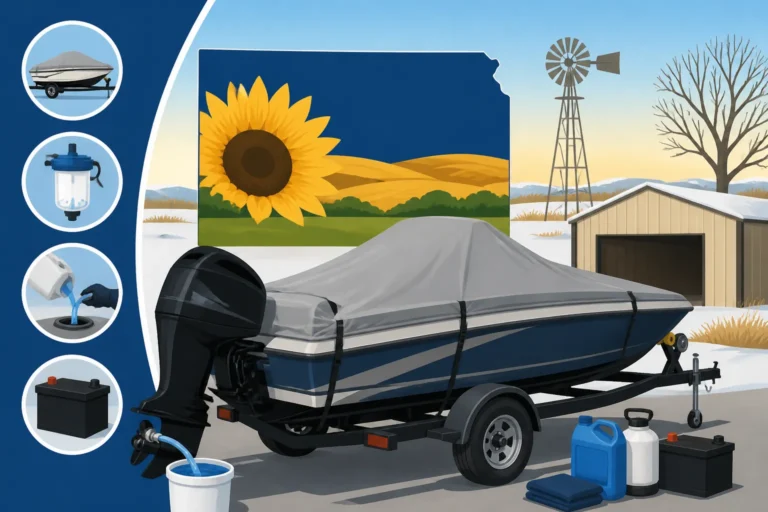
- Thorough Cleaning and Drying: Give your kayak its most comprehensive cleaning of the year. Remove all accessories, seats, and hatches. Clean every surface, inside and out. Crucially, ensure the kayak is completely dry before storing to prevent mold, mildew, and unpleasant odors. Pay special attention to pedal drive systems, removing them and drying them completely before storing indoors.
- Remove All Accessories: Take off all rod holders, fish finders, transducers, and other electronics. Store these items separately indoors in a dry, temperature-controlled environment. Remove batteries from electronics and store them according to manufacturer recommendations.
- Drain All Water: Ensure there is no standing water inside the hull or in any compartments. Water freezing and expanding can cause significant damage to the plastic. If your kayak has drain plugs, leave them open during storage to allow for air circulation.
- Loosen Straps and Bungees: Relieve tension on any bungee cords or straps to prevent them from stretching out or permanently deforming over the winter.
- Proper Storage Location: Ideally, store your kayak indoors, in a garage, shed, or basement, away from extreme temperature fluctuations and direct sunlight. If outdoor storage is unavoidable, cover it with a breathable, waterproof tarp that allows for some airflow to prevent moisture buildup, and elevate it off the ground.
- Pedal Drives and Motors: These complex components should always be stored indoors in a dry, moderate temperature environment. Follow the manufacturer's specific instructions for winterizing these units. Batteries for electric motors should also be maintained, typically by keeping them charged periodically throughout the winter.
By following these maintenance and winterization steps, your beloved fishing kayak will be in prime condition for many seasons of chasing fish across the beautiful Best Fishing Lakes in Kansas.
Disclaimer
This article is for general informational purposes only and does not constitute professional advice. Laws, prices and regulations vary by location and change over time. Consult a qualified professional for guidance on your specific situation.