Best Tackle Box Setup for Kansas Anglers
There's nothing quite as frustrating as showing up at your favorite Kansas fishing spot, ready to cast a line, only to realize you've left a crucial piece of tackle at home or, worse, your tackle box is a chaotic mess that makes finding anything an archaeological dig. Every dedicated angler knows the pain of fumbling for the right hook while a school of crappie is biting or realizing your favorite walleye lure is buried under a pile of rusted sinkers. This guide is all about helping you create the ultimate tackle box setup, specifically designed for the diverse and exciting fishing opportunities found right here in the heartland.
Understanding the Kansas Angler's Needs
Kansas fishing isn't a one-size-fits-all endeavor. Our lakes, rivers, and ponds offer incredible variety, which means your tackle box needs to be just as versatile. A setup that works for catching smallmouth bass on Wilson Lake might be completely inadequate for battling giant blue catfish in the Kansas River. Truly preparing for Kansas waters means appreciating the specific challenges and rewards each environment offers.
Diverse Fish Species in Kansas Waters
From the feisty white bass runs in the spring to the hard-fighting flathead catfish in summer, Kansas boasts an impressive array of game fish. You could be targeting sleek walleye in Milford Lake one weekend and delicate panfish in a quiet community pond the next. This diversity demands a tackle box that can adapt. You'll need different hook sizes, line strengths, and lure types to effectively pursue these varied species.
Think about it: the tiny jig and light line you'd use for a skillet-sized crappie would stand no chance against a rampaging channel cat. Conversely, trying to coax a panfish with a giant catfish rig is an exercise in futility. A well-organized tackle box will have specific compartments or bins dedicated to the gear for your target species, ensuring you're always ready, whether you're chasing Kansas Walleye Fishing Guide or Kansas Catfish Species Guide. You want to be able to grab what you need without hesitation, because those precious moments of active feeding can disappear in a flash.
Varied Fishing Environments and Conditions
Kansas landscapes, while often perceived as flat, offer a surprising range of fishing environments. We have massive reservoirs like Milford Lake, vast river systems such as the Kansas River, and countless smaller state lakes and farm ponds. Each presents unique challenges in terms of depth, cover, current, and water clarity. Your tackle box needs to reflect these differences.
Consider a sunny day on a clear reservoir versus a murky river after a rain. The lures and bait that excel in one situation might be invisible in the other. Bank fishing in a rocky area requires different sinker types than drifting in open water. And if you're out on the Kansas River Fishing Guide looking for monster blue cats, you'll need heavy-duty tackle that can withstand strong currents and snags. A smart Kansas angler keeps a selection that accounts for these variables, ensuring they have the right tools for rocky bottoms, submerged timber, open water, or even the unique challenges of Kansas Ice Fishing Guide.
Essential Tackle Box Types and Organization
Before you even start filling it, choosing the right kind of tackle box is crucial. It’s not just a container; it’s your portable command center for a day on the water. The choice often comes down to personal preference, but understanding the pros and cons of each type will help you make the best decision for your fishing style and the Kansas waters you frequent.
Classic Tray Boxes vs. Modern Soft-Sided Bags
The classic cantilever tray tackle box is probably what comes to mind when most people think of fishing gear. These hard plastic boxes feature multiple pull-out trays that expand when opened, offering a quick visual of your gear. They're robust, relatively inexpensive, and great for organizing smaller items like hooks, weights, and swivels into neat compartments. For someone who mainly fishes from the bank or a dock and wants easy access to a broad assortment of small items, a sturdy tray box can be ideal. They protect contents well from light rain and splashes, too.
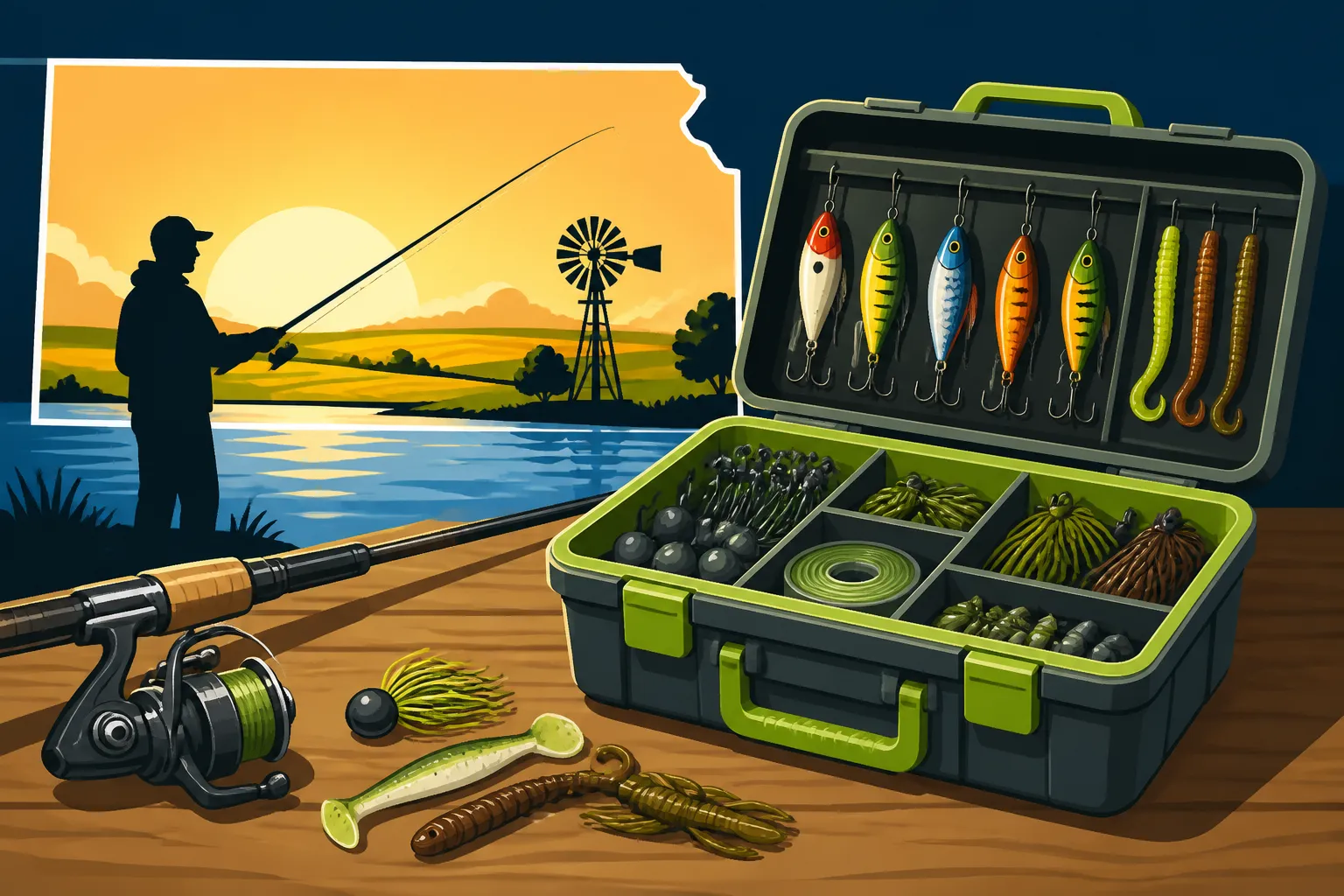
However, classic tray boxes do have their drawbacks. Their fixed compartments can limit versatility, and they often struggle with larger, bulkier items like big spinnerbaits, crankbaits, or bulky bags of soft plastics. When closed, everything collapses, which can sometimes lead to jigs and hooks getting jumbled if you're moving around a lot in a bouncing boat. On the other hand, soft-sided tackle bags have surged in popularity, and for good reason. These bags typically feature one or more large main compartments designed to hold multiple removable plastic utility boxes (often called 3600 or 3700 series boxes). This modularity is a game-changer. You can dedicate each utility box to a specific species, lure type, or fishing scenario, then grab only the boxes you need for a particular outing. Soft bags also often have numerous external pockets for tools, snacks, and extra line, and they're generally easier to carry with comfortable shoulder straps. Many anglers find the soft-sided bags from brands like Bass Pro Shops or even general outdoor retailers on Amazon offer the best flexibility for their diverse Kansas fishing trips, allowing them to carry everything from Best Lures for Kansas Walleye to their favorite catfish stink bait with ease.
Modular Storage Systems and Customization
Regardless of whether you choose a hard box or a soft bag, the real secret to an effective tackle box lies in modularity and customization. Soft-sided bags inherently offer this with their interchangeable utility boxes. You can have a box specifically for bass jigs and worms, another for walleye crankbaits, and yet another for crappie jigs and bobbers. This means if you're solely targeting crappie on a particular day, you only need to carry that one relevant utility box, rather than lugging your entire arsenal.
For those who prefer a classic hard box, you can still embrace customization. Many tray boxes now come with adjustable dividers, allowing you to create compartments tailored to your specific gear. You can also supplement with small, clear plastic containers to keep tiny items like split shot or specialized hooks from getting mixed up. The key is to think about what you fish for most often and how you can group similar items together. Labeling your utility boxes or internal compartments is a simple but incredibly effective way to maintain order. Imagine having one box clearly marked "Catfish Rigs" with all your heavy hooks, weights, and snelled leaders ready to go, or another labeled "White Bass Run" packed with small spoons and curly tail grubs for the spring action on the Republican River.
Must-Have Terminal Tackle for Kansas Fishing
Terminal tackle refers to all the bits and bobs at the end of your fishing line: hooks, sinkers, swivels, and leaders. This is where the rubber meets the road, or rather, where your bait meets the fish. Having the right selection of these small but mighty components is absolutely critical for success in Kansas waters.
Hooks for Every Situation
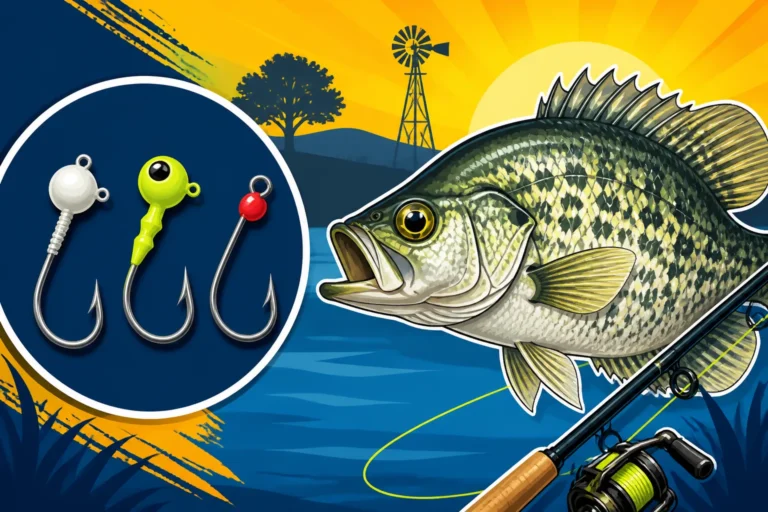
You simply can't have enough variety when it comes to hooks. Different fish have different mouths, and different baits require different hook styles. For general panfish like bluegill and crappie, you'll want small, sharp Aberdeen or baitholder hooks in sizes #8 to #12. These are perfect for live minnows, worms, or small soft plastics. When pursuing Kansas Crappie Fishing Guide, small jigs often come pre-rigged, but having extra bare hooks is always a good idea for tipping with bait.
For walleye and bass, offset worm hooks (EWG or round bend) in sizes 1/0 to 3/0 are essential for rigging soft plastic worms and creature baits Texas-style, making them weedless. For crankbaits and jerkbaits, ensure your trebles are sharp and consider carrying a few replacement trebles in case one gets bent or dull. And for the heavy hitters like channel, blue, and flathead catfish, you'll need stout circle hooks. Circle hooks, in sizes from 3/0 all the way up to 8/0 or larger for big flatheads, are fantastic because they're designed to hook fish in the corner of the mouth, minimizing gut hooks and making release easier. They are a true game-changer for Kansas Catfish Fishing Techniques. Don't forget to have a few snelled hooks pre-tied for quick changes, especially when the bite is hot.
Sinkers, Swivels, and Leaders
Weight is an essential part of getting your bait to the strike zone, whether it's on the bottom for catfish or at a specific depth for suspended walleye. Your tackle box should contain a good assortment of sinker types and weights.
- Split Shot: Small, easy to add or remove, perfect for adjusting the sink rate of light baits for panfish or fine-tuning a bobber rig. Keep sizes from BB up to 1/0.
- Bullet Weights: Tapered shape, ideal for Texas-rigging soft plastics for bass, allowing them to slide through weeds and cover with less snagging. Have weights from 1/8 oz to 1/2 oz.
- Egg Sinkers & No-Roll Sinkers: Great for bottom fishing with live bait or cut bait, especially for catfish, as they allow the line to pass freely, letting the fish pick up the bait without feeling resistance. Stock up on weights from 1/4 oz up to 2 oz or even heavier if you're fighting strong currents in the Kansas River.
- Bottom Bouncers: Essential for walleye fishing, these L-shaped wire rigs keep your bait near the bottom without constant snagging, especially when trolling or drifting.
Swivels prevent line twist, which can be a major headache, especially with spinning lures or when drifting with current. Barrel swivels and ball bearing swivels in sizes #7 to #12 will cover most situations. For leaders, fluorocarbon is a fantastic choice due to its invisibility underwater and abrasion resistance. Carry spools of 6-pound test for crappie, 10-15 pound for walleye and bass, and 30-50 pound for catfish. Pre-tying some leaders with appropriate hooks and swivels can save valuable time on the water.
Floats and Indicators
Sometimes, the most effective way to present a bait is to suspend it at a specific depth, and that's where floats (or bobbers) come in.
- Slip Bobbers: These are incredibly versatile. They allow you to set your bait at virtually any depth, from a few inches to many feet, and are easily adjustable with a bobber stop. They're perfect for crappie and bluegill suspended over brush piles or submerged structure, especially in Kansas Community Fishing Lake Rules where precise depth control can make all the difference. Keep an assortment of sizes, from small pencil floats for light bites to larger round floats for windy conditions or heavier baits.
- Fixed Bobbers: The classic red and white bobber is still a staple for many, especially when fishing in shallower water or with lighter baits where setting a fixed depth is sufficient. They're simple, reliable, and great for kids.
- Strike Indicators: For fly fishing enthusiasts targeting trout in stocked waters, small, sensitive strike indicators are paramount. They provide visual cues for even the most subtle takes, which can be critical when pursuing finicky rainbow or golden rainbow trout.
| Terminal Tackle Item | Primary Use Cases | Recommended Sizes/Weights | Notes for Kansas Anglers |
|---|---|---|---|
| Hooks | Panfish, crappie, trout | #12 to #6 (Aberdeen, Baitholder) | Small, sharp hooks for live bait, worms. |
| Walleye, bass | 1/0 to 3/0 (EWG, Worm Hooks) | Texas-rigging soft plastics, weedless. | |
| Catfish (Channel, Blue) | 3/0 to 6/0 (Circle Hooks) | Stout, effective for mouth hooking, easy release. | |
| Flathead Catfish | 7/0 to 8/0+ (Heavy Circle) | For large baits and trophy fish. | |
| Sinkers | Fine-tuning, light baits | BB to 1/0 (Split Shot) | Adjustable for panfish, bobber rigs. |
| Bass (Texas-rig) | 1/8 oz to 1/2 oz (Bullet Weights) | Weedless presentation in cover. | |
| Catfish, general bottom | 1/4 oz to 2 oz+ (Egg, No-Roll) | Allow line to slide, good resistance detection. | |
| Walleye (bottom presentation) | 1/2 oz to 2 oz (Bottom Bouncers) | Keeps bait near bottom, avoids snags. | |
| Swivels | Preventing line twist | #7 to #12 (Barrel, Ball Bearing) | Essential for spinning lures, drifting. |
| Leaders | Abrasion resistance, stealth | 6lb (crappie), 10-15lb (walleye/bass), 30-50lb (catfish) (Fluorocarbon) | Good for clear water and toothy species. |
| Floats | Shallow panfish, kids | Small to Medium (Fixed Bobbers) | Simple, classic, visible. |
| All depths, precise control | Small to Large (Slip Bobbers) | Extremely versatile for various depths and species. |
Lures and Baits Tailored for Kansas Species
This is often the most exciting part of setting up a tackle box – choosing the shiny, wiggly, and smelly stuff that will actually entice a bite! Kansas waters hold a diverse array of fish, and having a selection of lures and baits specifically proven to work here will dramatically increase your success rate. Remember, while it's tempting to buy every new lure you see, focus on proven performers for the fish you target.
Walleye and Wiper Wonders
Walleye are a prized catch in Kansas, known for their delicious fillets and challenging nature. For these keen-eyed predators, a variety of lures is key.
- Crankbaits: Medium-diving crankbaits in natural colors (perch, shad) and brighter colors (firetiger, chartreuse) are crucial for trolling or casting on rocky points and humps, especially during spring and fall. Look for models that dive to 8-15 feet. Popular choices like Rapala or Berkley can be found at any Bass Pro Shops or online at Amazon.
- Jigs: Both bucktail jigs and lead head jigs tipped with soft plastic grubs (curly tails, paddle tails) in 1/8 oz to 1/2 oz sizes are incredibly effective. Walleye often hold tight to structure, and jigs allow you to work those areas precisely. Whites, chartreuse, and greens are reliable colors. How to Fish a Jig for Walleye at Night is a great technique to master.
- Bottom Bouncers with Spinners: For drifting or slow trolling, a bottom bouncer rig with a crawler harness (spinner rig tipped with a nightcrawler) is hard to beat for walleye. Have a selection of blade colors (silver, gold, chartreuse) and bead patterns.
Wipers (hybrid striped bass) offer a fantastic fight and often school up, providing fast action. They hit many of the same lures as walleye but with more aggression.
- Spoons: Casting spoons like Kastmasters or similar flutter spoons in silver, chrome, or white are dynamite when wipers are actively chasing baitfish.
- Swimbaits: Soft plastic swimbaits rigged on jig heads (1/4 oz to 1 oz) are excellent for imitating shad, which are a primary food source for wipers.
- Topwater Lures: During low light conditions or when wipers are busting bait on the surface, a good topwater popper or walking bait can create explosive strikes.
Crappie and Panfish Favorites
Crappie are a Kansas staple, offering fantastic fishing and eating. Bluegill and other sunfish provide endless fun, especially for new anglers.
- Small Jigs: This is your bread and butter for crappie. Tiny jigs, 1/32 oz to 1/8 oz, in various colors (chartreuse, pink, black/chartreuse, white) with small plastic tubes, grubs, or hair are essential. Carry an ample supply as snags happen!
- Live Minnows: Small live minnows, hooked through the lip or back, under a slip bobber are often irresistible to crappie. You'll need a way to keep them lively, which means an aerated bait bucket.
- Small Spinnerbaits/In-Line Spinners: For more aggressive crappie or bluegill, tiny spinnerbaits (1/16 oz) or in-line spinners like Rooster Tails in sizes #0 to #2 can be very effective, especially around weed lines.
- Worms: For bluegill and other sunfish, a small piece of a nightcrawler or a red worm on a tiny hook is pure magic. Keep a small container of these wigglers in your cooler.
Having a range of Best Bait for Kansas Crappie and small presentations will keep your fryer full.
Catfish Conquerors
Kansas is renowned for its catfish, from channel cats to trophy blue and flathead catfish. Different species and situations call for different approaches.
- Prepared Baits (Stink Baits): For channel catfish, prepared baits are king. Dough baits, dip baits, and punch baits in various flavors (cheese, blood, shad) are highly effective. You'll need specialized dip tubes or sponge hooks to hold these messy but potent baits.
- Cut Bait: Fresh cut bait, especially shad, sunfish, or carp, is deadly for both channel and blue catfish. Having a good fillet knife in your tackle box to prepare these on the spot is a must.
- Live Bait: For giant flathead catfish, live bait is almost always the preferred choice. Sunfish, small carp, or bullheads are excellent options. Make sure your live bait tank or bucket is adequately aerated.
- Jigs/Soft Plastics for Channel Cats: Believe it or not, channel cats will sometimes hit artificials. Larger jigs tipped with a grub or a scented soft plastic can provoke strikes, especially in river systems.
A good supply of Best Bait for Kansas Catfish is critical, along with strong hooks and line.
Bass Busters
Both largemouth and smallmouth bass thrive in many Kansas reservoirs and ponds. A versatile bass angler's tackle box is often the most diverse.
- Soft Plastics: Worms (Senkos, stick worms, ribbon tail worms), creature baits, and swimbaits in various colors (green pumpkin, black/blue, watermelon seed) are fundamental. Carry a good selection of sizes and shapes to adapt to different conditions and fish moods. Texas rigs, Carolina rigs, and Wacky rigs are all effective presentations.
- Jigs: Football jigs, swim jigs, and flipping jigs in 1/4 oz to 3/4 oz, paired with craw trailers, are excellent for working structure, rocks, and heavy cover.
- Crankbaits: Shallow, medium, and deep-diving crankbaits in shad, crawfish, and brighter patterns are essential for covering water and targeting different depths.
- Spinnerbaits/Chatterbaits: These lures are fantastic for covering water, especially around submerged grass, timber, or rocky shorelines. White, chartreuse, and combinations thereof are very productive.
- Topwater Lures: Poppers, walking baits, and frogs are thrilling for early morning, late evening, or overcast conditions. There’s nothing like an explosive topwater strike!
Don't forget to pack plenty of Best Topwater Lures for Bass for those exciting surface strikes.
Tools and Accessories for a Complete Setup
While hooks and lures catch the fish, a well-equipped angler knows that a good set of tools and essential accessories makes the entire fishing experience smoother, safer, and more enjoyable. These items often get overlooked, but they're invaluable when you're out on the water.
Essential Hand Tools
You'll quickly learn that certain situations demand specific tools, and being without them can ruin your day.
- Pliers/Forceps: A good pair of multi-purpose fishing pliers is indispensable. They're used for removing hooks, cutting line (braided line especially requires sharp cutters), crimping split shot, and bending hooks. Long-nosed pliers or forceps are especially helpful for safely extracting hooks from deeply hooked fish without putting your fingers at risk. You can find durable options at Bass Pro Shops or even a reliable, budget-friendly set on Amazon.
- Line Cutters/Scissors: While pliers often have cutters, a dedicated pair of sharp fishing scissors or specialized line clippers is excellent for making clean cuts on all types of fishing line, especially fluorocarbon and braided lines which can fray with dull blades.
- Hook Sharpener: Hooks get dull. It's a fact of fishing life. A small, portable hook sharpener can quickly revive a dull point, turning a missed strike into a landed fish. A sharp hook penetrates easily, increasing your hook-up ratio significantly.
- Scale and Measuring Tape: For adherence to Kansas Daily Creel Limits by Species and for bragging rights, a small digital scale and a retractable measuring tape are must-haves. Knowing the exact weight and length of your catch is essential for responsible angling and helps you track your personal bests.
- Fillet Knife: If you plan on keeping your catch, a sharp fillet knife (with a sheath for safety) is invaluable. Having it ready means you can clean your fish quickly and efficiently, often at the boat ramp or at a designated cleaning station before heading home. This also means less mess and smell in your vehicle.
Safety and Convenience Items
Beyond the basic tools, a few comfort and safety items can make a world of difference during a long day of fishing in Kansas.
- First Aid Kit: Accidents happen. A small, waterproof first aid kit containing bandages, antiseptic wipes, pain relievers, and sting relief is a non-negotiable item. Fish hooks have a way of finding fingers, and bee stings are not uncommon near water.
- Sunscreen and Insect Repellent: Kansas summers can be brutal with both sun and bugs. Protect yourself from sunburn and ward off mosquitoes, ticks, and chiggers with appropriate repellents. Apply generously and reapply as needed.
- Headlamp/Flashlight: If you're a fan of Kansas Night Fishing Guide, a reliable headlamp or flashlight is absolutely essential. It allows you to tie knots, re-rig, and navigate safely in the dark without holding a light. Look for models with red light options to preserve night vision.
- Extra Line: Always carry extra spools of your preferred fishing line. Break-offs, tangles, and re-spooling needs are common, and you don't want to cut a trip short because you ran out of line.
- Hand Towel/Rags: For wiping fish slime, cleaning up bait messes, or drying your hands, a couple of old rags or a dedicated fishing towel will prove incredibly useful. Keep them easily accessible.
Seasonal Adjustments and Maintenance
A truly effective tackle box isn't static; it evolves with the seasons and requires ongoing care. What works beautifully in the spring might be completely ineffective in the heat of summer or the cold of winter. Adapting your setup and properly maintaining your gear are crucial aspects of being a successful Kansas angler.
Adapting Your Tackle for Different Seasons
Kansas weather is famously variable, and fish behavior changes dramatically throughout the year. Your tackle box should reflect these shifts.
- Spring: As waters warm, fish become more active. This is prime time for crappie moving shallow for the spawn and white bass making their famous river runs. Your tackle box should be heavy on small jigs, light lines, and perhaps a few small inline spinners for panfish. For white bass, small spoons and curly-tail grubs are a must. Walleye will be moving shallower, making crankbaits and jigs effective. Don't forget your Kansas Spring Fishing Guide.
- Summer: The dog days of summer often mean fish head deeper or become more nocturnal. For catfish, summer is prime time for stink baits, cut bait, and live bait, often fished at night. Bass might require deeper-diving crankbaits, jigs, or topwater lures in low light. Wipers will be chasing shad in open water, so large spoons and swimbaits are key. Consider heavier line for stronger summer fish.
- Fall: As water temperatures drop, many fish go on a feeding frenzy to prepare for winter. Walleye and bass become very active, making crankbaits, spinnerbaits, and jigs highly effective. Crappie often move to deeper brush piles, so vertically jigging small plastics can be productive. This is a great time to experiment with different presentations as fish are often aggressive.
- Winter: Fishing slows down, but dedicated anglers still find success, especially with species like saugeye or during Kansas Winter Trout Fishing Guide. Your tackle box should be streamlined for ice fishing, focusing on small jigs, spoons, and live bait (like wax worms or minnows) presented vertically. If open water fishing, slow presentations with jigs or dormant baits are key. Remember your Kansas Ice Fishing Safety Tips.
Keeping Your Tackle in Top Shape
Just like any other equipment, fishing tackle performs best when it's well-maintained. Neglecting your gear leads to rust, broken components, and frustration on the water.
- Cleanliness: After every trip, especially if you've been in murky water or rain, give your tackle box a quick wipe down. Remove any wet lures or soft plastics that might be holding moisture and allow them to air dry before putting them back. Water is the enemy of hooks and other metal components.
- Rust Prevention: Many modern tackle boxes and utility trays are designed to reduce rust, but it's still a threat. Consider adding a few desiccant packets or rust-inhibiting tabs to your tackle boxes, especially in compartments with bare metal hooks or weights. These absorb moisture and can significantly extend the life of your terminal tackle. Check your hooks regularly and replace any that show signs of rust; a rusty hook is a weak hook and will likely fail when you need it most.
- Line Management: Inspect your fishing line regularly for nicks, abrasions, or twists. Re-spooling your reels with fresh line at the beginning of each season, or even more frequently if you fish often, is a small investment that prevents big heartbreaks. Don't let old, weak line cost you a trophy fish.
- Storage: Store your tackle box in a cool, dry place, out of direct sunlight. Extreme temperatures can degrade plastic lures and soft baits. Keep soft plastics in their original bags to prevent them from melting or reacting with other plastics, which can be a real mess.
- Inventory: Periodically, take everything out of your tackle box, sort through it, and make an inventory. This helps you identify what you're low on, what needs replacing, and what you might want to add for upcoming trips or target species. It also provides an opportunity to reorganize and ensure everything is clean and ready for your next Kansas fishing adventure.
Disclaimer
This article is for general informational purposes only and does not constitute professional advice. Laws, prices and regulations vary by location and change over time. Consult a qualified professional for guidance on your specific situation.