Best Bank Fishing Gear Setup
The beauty of bank fishing in Kansas is its accessibility, but that doesn't mean you can just grab a pole and go. Many anglers find themselves frustrated, lugging too much gear or, worse, not having the right tools when they finally reach their favorite shore spot. This guide is all about simplifying your setup, ensuring you have the best bank fishing gear to make your next trip successful, comfortable, and truly enjoyable without the hassle of overpacking or under-preparing.
The Core Essentials: What Every Bank Angler Needs
When you're fishing from the bank, every piece of gear needs to earn its spot. You don't have the luxury of a boat's storage, so portability and versatility are key. Let's talk about the absolute necessities that form the backbone of any successful bank fishing adventure.
Rod and Reel Combinations for the Bank
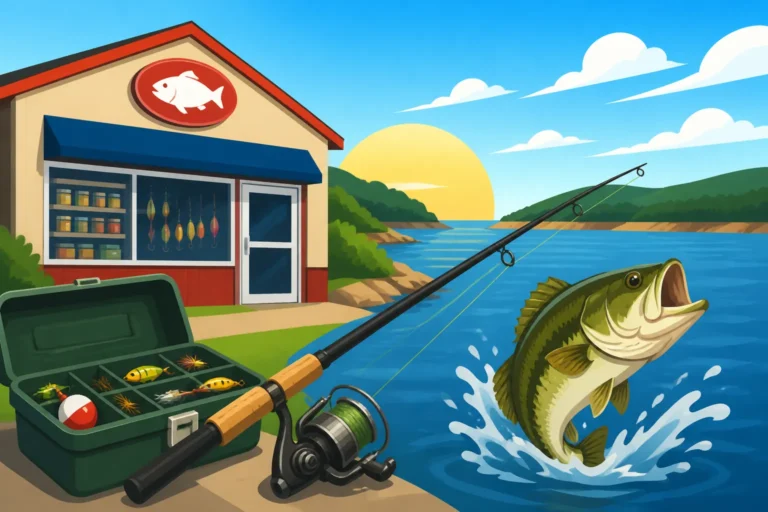
Choosing the right rod and reel is probably the most crucial decision you'll make for bank fishing. You need something versatile enough to handle different species but also manageable when you're walking along the shore or casting from an uneven bank. A good spinning rod and reel combo is often the go-to for many Kansas bank anglers due to its ease of use and ability to cast a variety of lures and baits.
For all-around use, consider a medium-light to medium-action rod, typically in the 6-foot 6-inch to 7-foot range. This length offers a good balance between casting distance and maneuverability. If you’re often targeting bigger catfish or throwing heavier baits into deeper water, you might want to bump up to a medium-heavy action. The reel should match the rod's balance and line capacity, usually a 2500 or 3000 series spinning reel. This setup is fantastic for chasing crappie in the spring, hooking into a channel cat in the summer, or even casting for walleye from shore. It’s flexible, forgiving, and won’t break the bank. You can find excellent options at local sporting goods stores or through online retailers like Amazon.
Essential Terminal Tackle and Line
Once you have your rod and reel, it’s time to fill up your tackle box. For bank fishing, keeping your terminal tackle organized and minimal is a game-changer. Think about the most common species you’ll encounter in Kansas. For catfish, you'll want a selection of sturdy circle hooks (sizes 2/0 to 6/0), egg sinkers (1/2 oz to 1 oz), and swivels to prevent line twist. Crappie and panfish require much smaller hooks (sizes 6 to 10), small split-shot weights, and bobbers. Walleye and bass will need jig heads, maybe some snap swivels for quickly changing lures, and perhaps some soft plastic baits or small crankbaits.
Your fishing line is literally your connection to the fish, so don't skimp here. A good quality monofilament or fluorocarbon line in 8-12 pound test is versatile for many bank fishing situations. If you're tackling dense cover or larger fish, braided line in 20-30 pound test offers superior strength and sensitivity. Remember, you might not have a boat to retrieve snagged lures, so a strong line can sometimes help you pull free from underwater obstructions. Learning Kansas Fishing Techniques for Beginners often starts with understanding basic terminal tackle setups.
The Importance of a Good Tackle Box or Bag
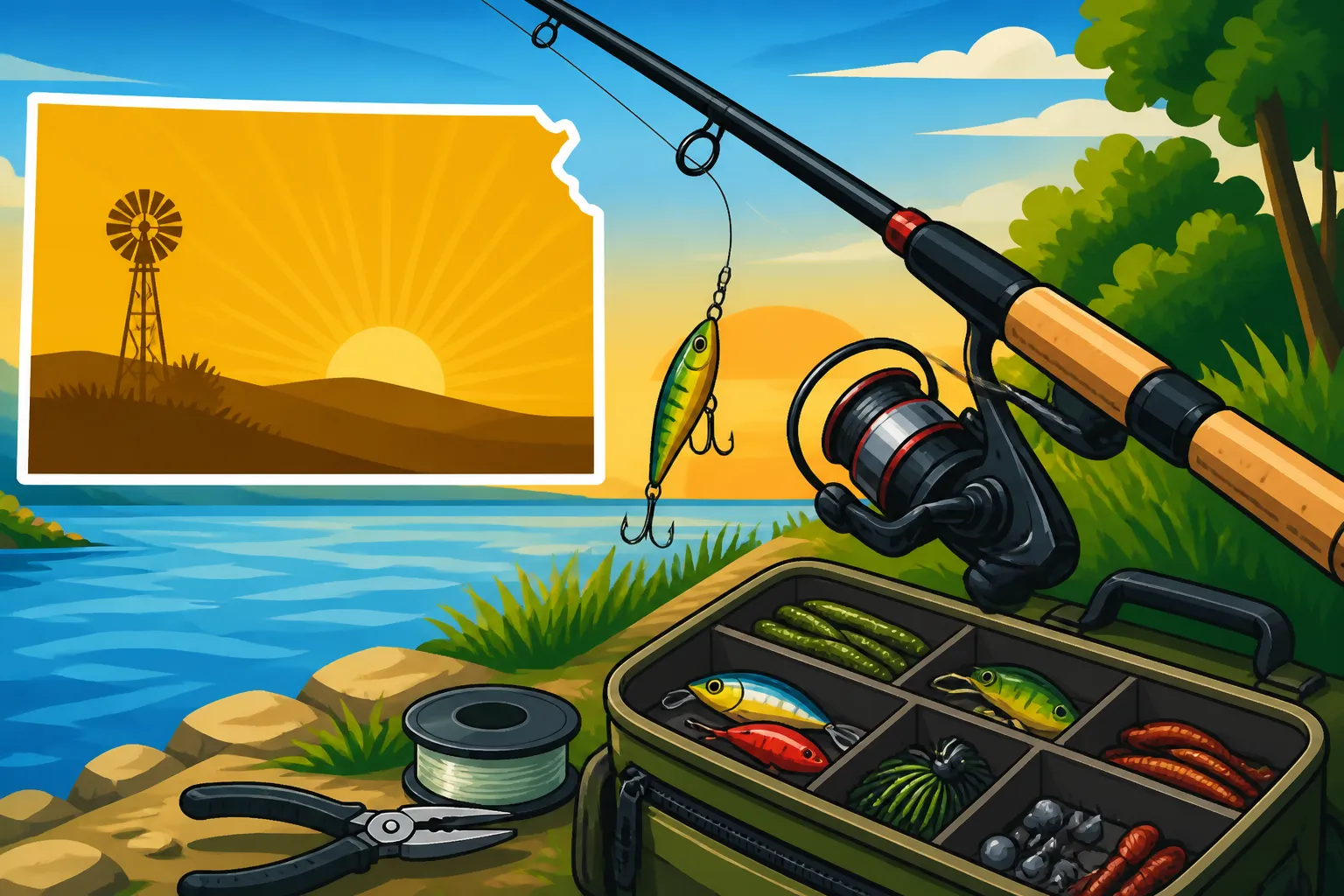
Your tackle storage solution for bank fishing needs to be portable and efficient. Forget the giant, multi-tray boxes that boat anglers use; you’ll be hiking with this. A compact tackle box with clear compartments, or even better, a soft-sided tackle bag or backpack, is ideal. These soft options are often easier to carry, more comfortable on your back or shoulder, and can usually hold more oddly shaped items.
Look for a bag with multiple pockets and trays that are easily accessible. Being able to quickly grab a different lure or re-tie a hook without digging through a cluttered mess saves time and frustration. Some bags even come with built-in rod holders, which can be a huge bonus when you're moving between spots or setting up your next rig. Having a well-organized bag means less fumbling and more fishing, which is what we're all after, right? Many anglers swear by a dedicated Best Tackle Bag for Bank Anglers.
Beyond the Basics: Comfort and Convenience Gear
Bank fishing often means spending extended periods outdoors, exposed to the elements. The right comfort and convenience gear can make the difference between a miserable trip and a memorable one. Don't underestimate how much these items can enhance your experience.
Seating and Shelter for Long Days
Standing for hours on end can quickly lead to fatigue, especially on uneven terrain. A lightweight, foldable fishing chair or stool is a true luxury. Look for one with a small backrest for extra support and durable legs that won't sink too easily into soft ground. Some models even have built-in cooler compartments or rod holders. If you plan to spend all day out, particularly during the harsh Kansas summer or unpredictable spring, a compact umbrella or a small, portable sun shelter can provide much-needed relief from the sun or unexpected rain showers. Staying comfortable helps you focus on the fishing, not on your aching back or sunburn. For those extended trips, check out our Kansas Summer Fishing Guide for more tips on staying cool.
Waders and Boots: Staying Dry and Comfortable
Kansas weather can be unpredictable, and bank conditions are rarely pristine. Muddy banks, shallow water, and tall, dew-covered grass are common obstacles. A good pair of waterproof boots is a non-negotiable item. Hip waders or even chest waders can be a game-changer, allowing you to venture into shallow water to reach prime casting spots, retrieve snagged lures, or simply avoid muddy banks after a rain.
When selecting waders, consider the season. Neoprene waders are warmer for colder months, while breathable material is better for summer. Regardless of the type, ensure they fit well and allow for comfortable movement. There’s nothing worse than chafing or feeling constricted when you’re trying to enjoy a peaceful day by the water. Protecting your feet and staying dry will significantly extend your time on the water and your overall enjoyment.
Keeping Your Catch Fresh
So, you’ve reeled in a few beauties! Now what? Keeping your catch fresh, especially if you plan to eat it, is important. For smaller catches like crappie or bluegill, a simple stringer might suffice if you’re fishing in cooler water and plan to head home soon. However, for larger fish or longer trips, a small, insulated cooler with ice is far superior.
A cooler ensures your fish stay cold and in good condition until you can clean them. Consider a soft-sided cooler for easier portability, or a hard-sided one if you need more durability and ice retention. Don't forget a small bag of ice, or even reusable ice packs. This step is often overlooked by new bank anglers, but it’s crucial for maintaining the quality of your hard-earned meal. Our guide to Kansas Crappie Fishing Techniques often highlights how important it is to keep your catch cool.
Safety and Navigation: Be Prepared on Shore
While bank fishing is generally safer than boating, it still comes with its own set of risks. Being prepared for minor mishaps and knowing your surroundings can prevent a small issue from becoming a big problem.
First-Aid and Personal Safety Items
A small, compact first-aid kit should always be in your bag. Hooks happen. Cuts and scrapes from rocks or thorns are common. A basic kit with bandages, antiseptic wipes, pain relievers, and most importantly, a pair of needle-nose pliers or hemostats for hook removal, is invaluable. Beyond that, don't forget personal protection. Sunscreen and a wide-brimmed hat are essential for those long Kansas sunny days, preventing painful sunburns. Insect repellent is your best friend during mosquito and tick season, especially when fishing near tall grass or stagnant water.
It's also a good idea to carry a small whistle in case of an emergency, especially if you're fishing alone in a less-trafficked area. And never underestimate the power of hydration; always pack plenty of water, regardless of the temperature.
Lighting for Early Birds and Night Owls
Kansas bank fishing offers incredible opportunities at dawn and dusk, and sometimes even into the night, especially for species like catfish. If you plan on hitting the water before the sun rises or staying after it sets, reliable lighting is a must. A headlamp is vastly superior to a flashlight because it keeps your hands free for baiting hooks, tying knots, or handling fish.
Look for a headlamp with multiple brightness settings and a red light option, which helps preserve your night vision and is less disruptive to other anglers or wildlife. Ensure you have fresh batteries or a fully charged unit before you head out. A small, portable lantern can also be useful for illuminating your immediate fishing area if you're setting up a more stationary camp for night fishing. Discover more about Kansas Night Fishing Guide for specific species.
Navigating the Bank: Maps and Apps
Knowing your fishing spot isn't just about finding the water; it's about understanding the terrain, identifying access points, and recognizing potential hazards. While you might know your local community pond like the back of your hand, venturing to a new reservoir or river stretch requires a bit more reconnaissance.
Before you go, take a moment to look at maps of the area. Online satellite imagery can reveal hidden trails, parking spots, and promising looking coves or points that are accessible from shore. There are also several fishing apps available that can provide contour maps, showing drop-offs and structure that might hold fish, even if you’re limited to bank access. Don't rely solely on your phone, though; a printed map or a fully charged power bank for your device is a smart backup, especially in areas with spotty cell service. This pre-trip planning helps you maximize your fishing time and ensures you’re not wandering aimlessly. Check out Best Bank Fishing Spots in Kansas for some ideas.
Specialized Gear for Specific Kansas Bank Fishing Scenarios
While a general setup is great for versatility, sometimes you want to target a particular species or tackle a specific bank fishing challenge. Having a few specialized items can significantly boost your success rate for those focused trips.
Targeting Catfish from the Bank
Catfish are a favorite among many Kansas bank anglers, and for good reason—they're plentiful, put up a great fight, and are delicious. When targeting catfish from the bank, you’ll want a slightly more robust setup. A medium-heavy to heavy action rod, usually 7 to 9 feet long, paired with a sturdy spinning or baitcasting reel spooled with 20-30 pound test mono or braided line, is ideal. This gives you the power to cast heavier weights and baits, and to really lean into a big blue or flathead.
Specialized bank fishing rod holders are a must for catfish. These are essentially spikes you drive into the ground to hold your rod securely while you wait for a bite. You don't want your rod getting pulled into the water by a hard-hitting cat! Bring plenty of robust terminal tackle, including large circle hooks (3/0 to 8/0), heavy egg sinkers, and strong swivels. And of course, a variety of Best Bait for Kansas Catfish like cut bait, stink bait, or live worms. A substantial landing net is also critical, especially if you're hoping for a trophy-sized flathead. For more detail, read our article on Kansas Catfish Fishing Techniques.
Cracking the Crappie and Panfish Code from Shore
Crappie and other panfish like bluegill and redear sunfish are perfect targets for bank anglers, especially families or beginners. They're often found close to shore, particularly during the spring spawn. For these smaller but feisty fish, you'll want to downsize your gear significantly. A light to ultra-light action rod, 5 to 7 feet long, paired with a small 1000-2000 series spinning reel, is the way to go. Spool it with 4-6 pound monofilament line for optimal sensitivity and casting small baits.
Small jigs (1/32 to 1/16 oz) tipped with a minnow or soft plastic, tiny beetle spins, or a simple hook and bobber setup with a live worm or cricket are incredibly effective. A small cooler to keep minnows lively, if you're using live bait, is also a good idea. Because crappie often school up, having a stringer or a small fish basket to keep your plentiful catch fresh is a smart move. Learning Kansas Crappie Fishing Techniques from the bank can be a highly rewarding experience.
Walleye and Bass: Bank Fishing Strategy and Gear
While many associate walleye and bass fishing with boats, dedicated bank anglers can find great success by understanding fish behavior and using the right gear. For walleye and bass, a medium action rod (6'6" to 7'0") with a 2500-3000 series spinning reel and 8-10 pound fluorocarbon or braided line is a versatile choice. Fluorocarbon is nearly invisible in water, which can be crucial for clear-water walleye, and offers good sensitivity for detecting subtle bites.
For walleye, focus on lures that mimic baitfish, like crankbaits, jerkbaits, and jigs tipped with a grub or a live minnow. When fishing for bass from shore, soft plastics like Texas-rigged worms, Senkos, or swimbaits, as well as spinnerbaits and topwater lures, can be highly effective, especially when cast near structure like submerged logs, rocks, or lily pads. Pay attention to cover and depth changes accessible from shore, as these are prime ambush points for both species. You might find some excellent Best Lures for Kansas Walleye that work wonders from the bank.
Smart Storage and Portability: Making Life Easier
The physical act of bank fishing often involves walking, sometimes over rough terrain, to reach your desired spot. Having gear that's easy to carry and keep organized means more energy for fishing and less for hauling.
Backpacks and Sling Packs: Mobile Storage
For the ultimate in hands-free mobility, a fishing backpack or a sling pack is a bank angler's best friend. Unlike a traditional tackle box, these allow you to keep all your essential gear on your back, leaving your hands free to carry your rod, a chair, or even navigate tricky paths. Look for packs designed specifically for fishing, often featuring multiple compartments, tool attachments, and waterproof or water-resistant materials.
Sling packs are particularly popular for shorter trips or when you want to keep your tackle readily accessible without taking the pack off. They swing around to your front, allowing quick access to your lures, pliers, and other essentials. A good backpack can easily accommodate a compact tackle box or soft plastic binders, a small cooler for drinks or bait, and all your safety gear. Companies like Bass Pro Shops offer a wide range of these specialized fishing packs.
Rod Holders and Racks for Bank Stability
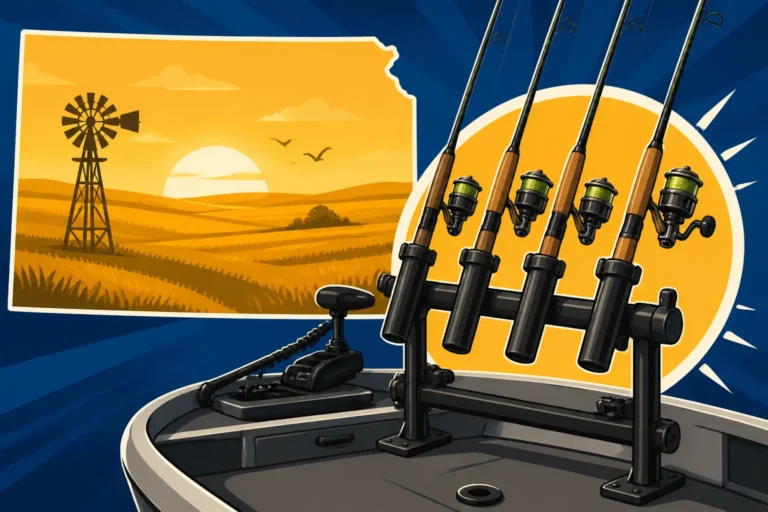
Even if you’re holding your rod most of the time, there will be moments when you need both hands free – to bait a hook, unhook a fish, or grab a drink. This is where a reliable rod holder or rack for bank fishing becomes essential. As mentioned earlier for catfish, a simple spike-style rod holder pushed into the ground is effective for single rods. For multiple rods or on harder ground, a tripod-style rod holder can offer stability.
Some innovative solutions include clip-on rod holders for your backpack, or specialized racks that attach to a fishing bucket. The key is to keep your rod safe from falling over or being pulled in by a fish, while also having it easily accessible when a bite occurs. These small additions can prevent frustrating accidents and protect your valuable gear. Consider the Best Rod Length for Bank Fishing when choosing your rod holders, ensuring they accommodate your longer rods if you use them.
Transportation of Gear: From Car to Shore
Sometimes, the perfect bank fishing spot isn't right next to the parking lot. It might require a bit of a trek. For those longer hauls, especially if you're bringing more than just the bare minimum, a fishing cart or wagon can be a lifesaver. These rugged carts are designed to navigate uneven terrain and can haul chairs, coolers, multiple rod holders, and your tackle bag with ease.
Look for models with durable, all-terrain wheels and a sturdy frame. Some even fold down for easy storage in your vehicle. Alternatively, if you're not ready to invest in a cart, simply paring down your gear to the absolute essentials you can comfortably carry in a backpack for a longer walk is a good strategy. The goal is to get to your fishing spot feeling fresh and ready to cast, not exhausted from hauling too much stuff.
Here's a quick overview of essential bank fishing gear:
| Category | Essential Items | Optional/Comfort Items |
|---|---|---|
| Rod & Reel | Medium-light to Medium action spinning combo | Medium-heavy combo for bigger fish |
| Line | 8-12 lb Monofilament or Fluorocarbon | 20-30 lb Braided line |
| Terminal Tackle | Hooks (various sizes), Sinkers, Swivels | Bobbers, Lure selection (jigs, crankbaits) |
| Storage | Compact tackle box/Soft tackle bag | Fishing backpack or sling pack |
| Seating | None (stand) | Foldable fishing chair/stool |
| Footwear | Comfortable hiking/waterproof shoes | Waterproof boots, Hip/Chest waders |
| Fish Care | Stringer (for quick use) | Small cooler with ice, Landing net |
| Safety | Water, basic first-aid supplies | Sunscreen, hat, insect repellent, headlamp, whistle |
| Transportation | Your two feet! | Fishing cart/wagon |
Ultimately, the "best" bank fishing gear setup is the one that works best for you and your specific fishing style and target species in Kansas. Start with the essentials, and then gradually add items that increase your comfort, safety, and success on the bank. Happy fishing!
Disclaimer
This article is for general informational purposes only and does not constitute professional advice. Laws, prices and regulations vary by location and change over time. Consult a qualified professional for guidance on your specific situation.