Best Jig Head Weight for Crappie
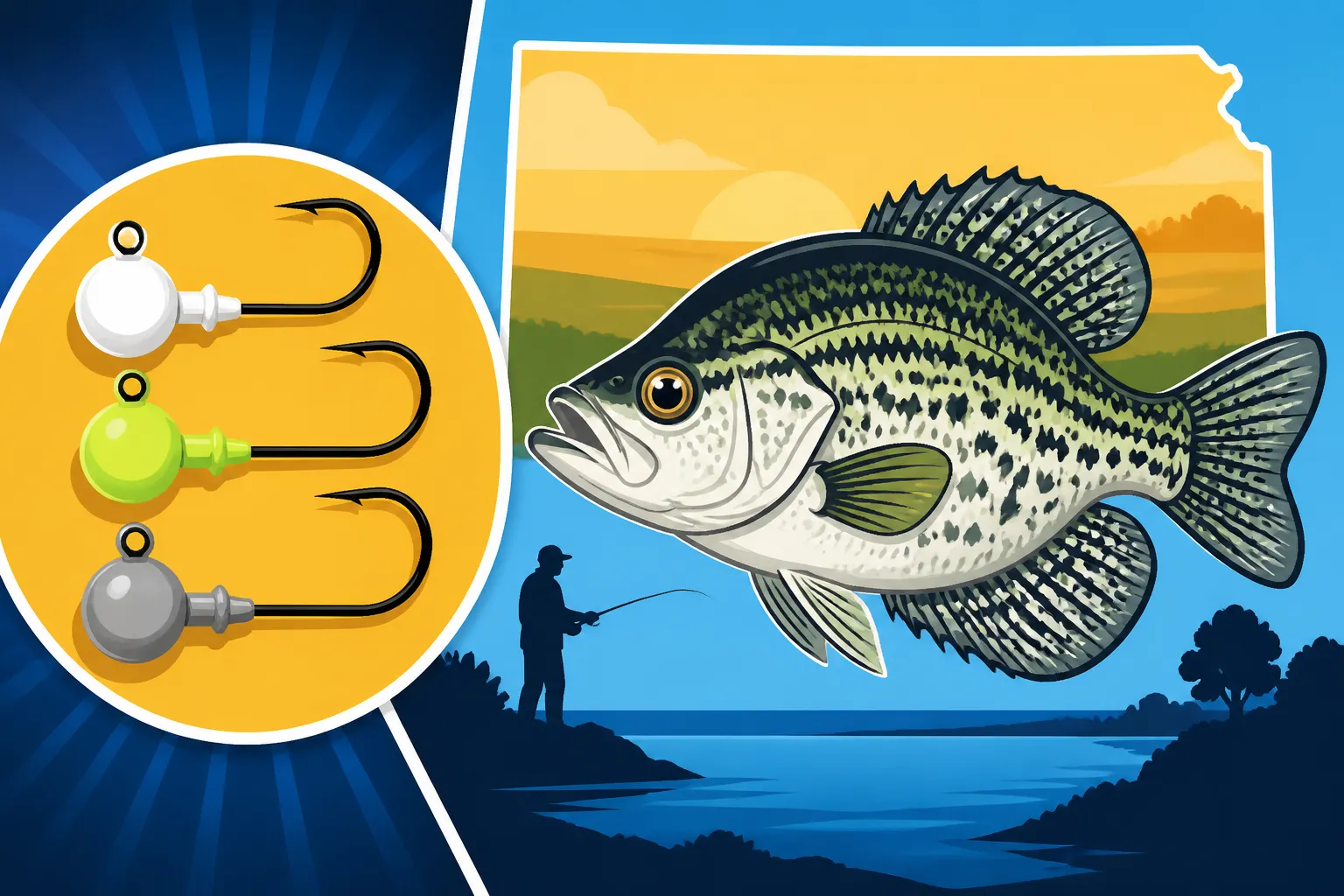
There’s nothing quite as frustrating as heading out to your favorite Kansas crappie spot, full of hope, only to find the fish are finicky or you just can’t seem to get your bait down to where they’re holding. We've all been there, casting and casting, wondering if our presentation is just totally off. Often, the unsung hero (or villain, depending on your luck) in these situations is the jig head weight. Choosing the right jig head can make all the difference between a slow day and a cooler full of slabs, and this guide is here to help you nail down that perfect weight for crappie fishing in our beautiful Kansas waters.
Understanding the Impact of Jig Head Weight on Crappie Fishing
When you’re staring at a wall of jig heads at the tackle shop or browsing online, it’s easy to think, "a jig head is a jig head." But believe me, the tiny differences in weight have a monumental impact on how your lure behaves in the water and, more importantly, how crappie react to it. It’s all about physics, presentation, and understanding what those crappie are looking for on any given day.
How Weight Affects Presentation and Depth Control
Think of your jig head as the director of your lure's performance. The weight dictates how fast it sinks, how it moves through the water, and how long it stays in the prime strike zone.
- Fall Rate: Lighter jig heads, say a 1/32 oz or 1/64 oz, will fall very slowly, mimicking a natural, struggling baitfish or insect. This slow, fluttering descent can be absolutely irresistible to crappie, especially when they're not aggressively feeding. On the flip side, a heavier jig head, like a 1/8 oz or even a 1/4 oz, drops quickly. This is crucial when you need to get your bait down fast to schooling crappie in deep water, or when you're battling wind that’s pushing your line around. You want your lure to get to the fish before the current or drift carries it away.
- Action: The weight also affects the action of your soft plastic or live bait. A perfectly balanced jig head and plastic will have a natural swimming or gliding motion. Too heavy, and your plastic might not undulate correctly; too light, and it might just float without much appeal. Getting it just right allows the tail of a small grub or tube jig to kick and pulse with minimal retrieve, creating that subtle enticement crappie often crave.
- Depth Control: This is perhaps the most critical aspect. Crappie are often very depth-oriented. They might be holding just a few feet off the bottom in 20 feet of water, or suspended halfway up a brush pile. Your jig head weight helps you consistently present your lure at that exact depth. If you’re fishing shallow cover, a light jig head keeps you from snagging too often. If they're deep, a heavier jig head ensures you actually reach them and can maintain contact with your lure in the strike zone. You can learn more about finding them in different parts of the year by checking out our guide on Kansas Crappie Fishing Techniques.
Reading Crappie Behavior and Habitat
To truly master jig head selection, you need to think like a crappie. What are they doing? Where are they hiding? Their behavior changes dramatically with the seasons and water conditions, and your jig head needs to adapt.
- Habitat: If crappie are tucked tight into shallow brush piles or around dock pilings in just a few feet of water, a heavier jig head is just asking for snags. You’ll want something lighter that you can gently drop into pockets or around structure. Conversely, if you're marking schools of crappie suspended over a deep channel in Milford Lake Fishing Guide, a lighter jig head will take too long to reach them, and you'll waste precious fishing time. You need the weight to cut through the water column efficiently.
- Aggressiveness: Are the crappie actively chasing bait, or are they lethargic and hunkered down? During a hot bite, you might get away with a slightly heavier jig head and a faster retrieve, as they're willing to strike. However, when the water is cold, or after a tough cold front, crappie often become very finicky. They want a slow, almost stationary presentation. This is when ultra-light jig heads shine, allowing you to almost "float" your bait in front of their faces, giving them plenty of time to decide to bite without expending much energy. Understanding Kansas Spring Crappie Fishing Tips can really help here, as spring often sees them transitioning from deep to shallow and back again.
Factors Influencing Your Jig Head Weight Choice
It's never a one-size-fits-all situation when it comes to crappie jig heads. Several environmental and fishing-specific factors should guide your decision. Ignoring these can lead to a lot of frustration and empty livewells.
Water Depth and Current Conditions
These are arguably the most critical external factors. Kansas waters offer a huge variety, from the massive reservoirs to smaller community ponds and flowing rivers.
- Shallow Water (Under 8 feet): For shallow depths, especially around emergent vegetation, submerged brush, or standing timber, lighter jig heads are your best friend. A 1/32 oz or 1/16 oz allows for a slow, controlled fall that keeps your lure in the strike zone longer without plummeting into snags. Imagine gently dipping into a dense brush pile; you want your lure to waft down naturally, not crash.
- Moderate Depths (8-20 feet): This is where most anglers spend a lot of their time on Kansas lakes. A 1/8 oz jig head becomes a popular choice here. It offers a good balance of fall rate and control. You can cast it a decent distance, get it down fairly quickly, and still feel subtle bites. It's versatile for exploring ledges, creek channels, and humps.
- Deep Water (Over 20 feet): When crappie move to the depths, often in the summer or winter, you’ll need to step up your weight. A 1/8 oz can work, but 1/4 oz or even 3/8 oz might be necessary to reach them efficiently. This is especially true if you're vertically jigging over deep structure or trolling. Getting to the fish quickly means more time in the bite zone and less time waiting for your lure to sink.
- Wind and Boat Drift: Wind can be a major challenge in Kansas. A strong breeze can create boat drift and make it almost impossible to feel a light jig head. In these conditions, increasing your jig head weight—even just from 1/16 oz to 1/8 oz—can help you maintain better line contact, feel bites, and keep your lure beneath the boat, rather than getting swept away. This is critical for getting your presentation to fish effectively, especially when they're schooled up.
- Current: If you're fishing in a river, or a tailrace below a dam, current plays a huge role. Lighter jigs will simply get swept away before they reach the fish. You'll need heavier jig heads, perhaps 1/4 oz or more, to cut through the current and keep your lure near the bottom or specific structure. River crappie often hold in eddies or behind current breaks, and you need that weight to present your bait properly in these zones. This also applies to Kansas River Catfish Spots, as current is a major factor there too.
Lure Size and Type of Crappie Bait
The jig head isn't an isolated component; it needs to be in harmony with the bait you're using.
- Soft Plastics: Most crappie anglers use small soft plastic lures, like 1-inch to 3-inch tube jigs, grubs, or swimbaits. The key is to match the jig head weight to the plastic's size and buoyancy. A very small, light plastic on a heavy jig head might look unnatural, like a tiny bug plummeting to its doom. Conversely, a bulky plastic on an ultra-light jig head might not sink properly or give you good casting distance. Aim for a balance that allows the plastic to retain its natural action while still achieving the desired fall rate.
- Live Bait (Minnows): When fishing with live minnows, you often want a jig head that’s heavy enough to get the minnow down but light enough to let the minnow swim naturally. A 1/16 oz or 1/8 oz is often perfect. The minnow’s natural struggles add to the appeal. For deeper presentations, you might use a heavier jig head and then fish it either vertically or suspend it under a bobber. Check out some tips for Best Bait for Kansas Crappie to pair with your jig heads.
Seasonal Crappie Behavior and Presentation Needs
Crappie are creatures of habit, and their habits change drastically with the seasons.
- Spring (Pre-spawn and Spawn): In early spring, as water temperatures rise, crappie move shallower, often congregating around brush and structure in preparation for spawning. This is prime time for light jig heads (1/32 oz, 1/16 oz) with a slow, deliberate presentation. They might be a bit lethargic or just staging, so a subtle fall is key. Once they're actively spawning, they're often very shallow and aggressive, but still, a light jig head helps you pick them out of cover without snags.
- Summer: As waters warm, crappie often move to deeper, cooler water, suspending over creek channels, humps, or deep timber. This is when heavier jig heads (1/8 oz, 1/4 oz) become essential to reach them. You might be vertically jigging right over your electronics, or spider rigging with multiple rods. The deeper water and often larger baitfish they're chasing call for a more efficient descent.
- Fall: Fall can be a transitional period. Crappie might be scattered, following baitfish into shallower coves in the mornings and evenings, then moving deeper during the day. This calls for versatility. You might start with a 1/8 oz to cover ground and then switch to a lighter 1/16 oz if you find them in shallower, tighter cover. They're often fattening up for winter, so they can be aggressive.
- Winter: During winter, crappie typically return to deep water, often congregating in large schools in very specific areas, like deep brush piles, submerged timber, or channel bends. They are usually very sluggish. Ultra-light jig heads (1/32 oz, 1/64 oz) are crucial here for a super slow, almost imperceptible presentation. Ice fishing for crappie also favors these lighter weights, as you're fishing a very small hole and need maximum sensitivity. If you're looking for Kansas Winter Trout Fishing Tips, you'll find that trout also often prefer a subtle presentation, similar to winter crappie.
Common Jig Head Weights for Kansas Crappie and When to Use Them
Let's break down the most popular jig head weights you'll encounter and the situations where each truly shines for Kansas crappie. Having a diverse selection in your tackle box is always a smart move.
Ultra-Light and Light Jig Heads (1/32 oz to 1/16 oz)
These are the finesse tools of crappie fishing. Don't let their small size fool you; they can be absolute game-changers, especially when the bite is tough.
- 1/64 oz and 1/32 oz: These are for situations demanding the slowest fall and most natural presentation possible. Imagine a tiny insect or minnow fluttering helplessly.
- Scenarios:
- Shallow Water Finesse: When crappie are in very shallow water (under 5 feet) around emergent vegetation, lily pads, or tight brush piles. You can gently drop the jig into small pockets.
- Calm Conditions: On super calm days with no wind, these weights allow for maximum suspension time, giving finicky crappie ample opportunity to inspect and strike.
- Finicky Crappie: After a cold front, during winter, or in highly pressured waters, crappie can be incredibly hard to tempt. A slow fall and subtle action are key to eliciting a strike.
- Suspended Fish in Clear Water: When crappie are suspended in clear water, where they have a good view of your lure, a natural, slow fall can be less alarming.
- Docks and Piers: Gently pitching these under docks or around pilings allows for precise placement and a subtle entrance into the water.
- Examples: Fishing the edges of a weed bed at a local Kansas Community Lake Fishing Spots, targeting spawning crappie in flooded timber, or ice fishing in small holes. You'll want to pair these with very small soft plastics, typically 1-inch to 2-inch tubes or grubs, or a single small minnow.
- Scenarios:
Medium Jig Heads (1/8 oz to 1/4 oz)
These are the workhorse jig heads for crappie anglers in Kansas, offering a fantastic balance of castability, depth control, and versatility. If you're unsure where to start, 1/8 oz is often a great default.
- 1/8 oz: This is arguably the most versatile jig head weight for crappie. It's heavy enough to cast a decent distance and get down to moderate depths, but light enough to maintain a good feel for the bite.
- Scenarios:
- Moderate Depths (8-20 feet): Ideal for fishing main lake points, ledges, submerged timber, and creek channel edges. It sinks at a good pace without being too fast.
- Slight Wind or Current: Offers enough mass to maintain line contact and control when there's a gentle breeze or light current, which is common on many Kansas reservoirs.
- Searching for Active Crappie: When you're trying to cover water and locate active schools, a 1/8 oz allows for good casting distance and a decent retrieve speed.
- Vertical Jigging: Perfect for vertical jigging over brush piles or suspended schools of crappie when you're looking for a relatively fast fall but still want good action.
- Examples: Working a drop-off on Cheney Reservoir Fishing Guide, casting to submerged brush piles in El Dorado Lake Fishing Guide, or drifting across a productive flat. These pair well with 2-inch to 3-inch soft plastics like grubs, swimbaits, or larger tube jigs, and are excellent for a lively minnow.
- Scenarios:
- 1/4 oz: When you need a bit more heft, the 1/4 oz steps in.
- Scenarios:
- Deeper Water (15-30+ feet): Essential for getting down to deep-holding crappie, especially in large reservoirs during summer or winter.
- Stronger Wind and Boat Drift: When the wind picks up, and you're struggling to feel your lighter jigs, a 1/4 oz cuts through the wind and maintains better line contact.
- Faster Retrieves or Trolling: If crappie are aggressive and chasing, or you’re trolling to cover ground, this weight allows for a faster presentation.
- Heavy Current: In areas with significant current, like river systems or below dams, a 1/4 oz helps your lure stay in the strike zone instead of getting swept away.
- Examples: Trolling crankbaits or larger plastics for crappie, fishing deep humps in Wilson Lake Fishing Guide, or presenting your bait in the current of a river. This size also works well with larger soft plastics or double minnow rigs.
- Scenarios:
Heavy Jig Heads (3/8 oz and Up)
While less common for standard crappie fishing, these heavier weights have their specific, crucial applications.
- 3/8 oz and Up: You won't often use these for single crappie jigs, but they come into play for specific tactics.
- Scenarios:
- Very Deep Water: When crappie are extremely deep, say 30+ feet, or you need to punch through a thermocline quickly.
- Extremely Strong Current: If you're fishing in powerful river currents, sometimes even larger jig heads are needed to reach the bottom or target a specific depth effectively.
- Spider Rigging or Trolling Heavy Rigs: When you're running multiple rods, often with heavier baits or multiple lures on a single line, these weights ensure your rigs stay at the desired depth.
- Combined with Larger Baits: If you're targeting larger crappie or accidentally hooking into other species, a heavier head might be used with a larger bait profile.
- Examples: Running multiple rods off the side of your boat to cover a large area of deep water on a vast reservoir, or fishing for deep suspended fish with large live baits. This might be more typical for species like Kansas Walleye Fishing Techniques, but aggressive crappie or specific setups can benefit.
- Scenarios:
Here's a quick reference table to help visualize the choices:
| Jig Head Weight | Ideal Conditions | Common Depth Range (ft) | Recommended Bait Pairing |
|---|---|---|---|
| 1/64 oz | Ultra-calm, shallow, finicky fish, ice fishing | 0-5 | Micro plastics (1"), small minnows |
| 1/32 oz | Calm, shallow, light wind, subtle presentation | 0-8 | Small plastics (1-2"), small minnows |
| 1/16 oz | Light wind, moderate depths, balanced fall | 5-12 | Standard plastics (2"), small to medium minnows |
| 1/8 oz | Moderate wind, deeper water, versatile | 8-20 | Standard to larger plastics (2-3"), medium minnows |
| 1/4 oz | Strong wind, deep water, current, faster troll | 15-30+ | Larger plastics (3"), larger minnows, multi-lure rigs |
| 3/8 oz + | Very deep water, heavy current, spider rigging | 30+ | Large plastics, heavy trolling rigs, large live baits |
Advanced Tips for Selecting and Rigging Jig Heads
Choosing the right weight is a fantastic start, but there's a bit more nuance to really dial in your crappie game. Small adjustments and attention to detail can lead to a much more productive day on the water.
The Importance of Balance and Action
It's not just about how fast your jig sinks; it's also about how it looks and moves as it falls and as you retrieve it.
- Jig Head Shape: The shape of your jig head also plays a role. A classic round ball head is versatile, but an aspirin head or a minnow-shaped head might provide a slightly different swimming action or a more natural profile. Some jig heads are designed with a flat bottom to "stand up" on the retrieve, keeping the hook point elevated when paused on the bottom. Consider how the head itself interacts with the water and the plastic.
- Balancing Jig Head with Soft Plastic: This is crucial. A tiny 1-inch grub on a 1/8 oz jig head will plummet like a rock and likely have very little action. Conversely, a 3-inch swimbait on a 1/32 oz head will just flutter aimlessly. The goal is to match the mass and buoyancy of the plastic to the jig head's weight and shape. The plastic should complement the jig head, allowing its tail to kick and undulate even with minimal movement from your rod tip. When you buy plastics, imagine how they'll pair up with different weights you have. Sometimes, holding them side-by-side or even testing them briefly in a bucket of water can give you a good idea. This balance is key to achieving that irresistible presentation.
Experimentation and Adaptation on the Water
No two fishing days are exactly alike, even on the same body of water. What worked yesterday might not work today. The best anglers are those who are willing to experiment and adapt.
- Start with a Common Weight: A good starting point on many Kansas lakes for general crappie fishing is often a 1/8 oz jig head. It's versatile enough to cover a range of conditions and depths. From there, you can adjust based on what the fish are telling you.
- Observe and Adjust:
- Not reaching the bottom? Go heavier.
- Getting snagged too much? Go lighter.
- Lure falling too fast, not getting bites? Go lighter.
- Can't feel the bite in the wind? Go heavier.
- Crappie only biting on the fall? Experiment with lighter weights for a slower fall.
- Carry a Variety: This is non-negotiable for serious crappie anglers. Have an assortment of jig head weights from 1/64 oz all the way up to 1/4 oz (and even 3/8 oz if you fish deep or in current often). A variety pack can be a great way to build your collection. You can find excellent selections at dedicated fishing stores like Bass Pro Shops or conveniently order them online from Amazon. Never be afraid to tie on a different weight if what you’re doing isn't producing. Sometimes, a subtle change is all it takes to unlock the bite.
Choosing the right jig head weight for crappie fishing in Kansas isn't just a technical detail; it's a fundamental aspect of successful angling. It dictates how your lure moves, how quickly it reaches the strike zone, and ultimately, whether a crappie decides to bite. By understanding the factors like water depth, current, lure type, and seasonal crappie behavior, you can make informed decisions that drastically improve your catch rates. Don't be afraid to experiment, adapt, and always carry a good assortment of weights. Happy fishing, Kansas anglers!
Disclaimer
This article is for general informational purposes only and does not constitute professional advice. Laws, prices and regulations vary by location and change over time. Consult a qualified professional for guidance on your specific situation.