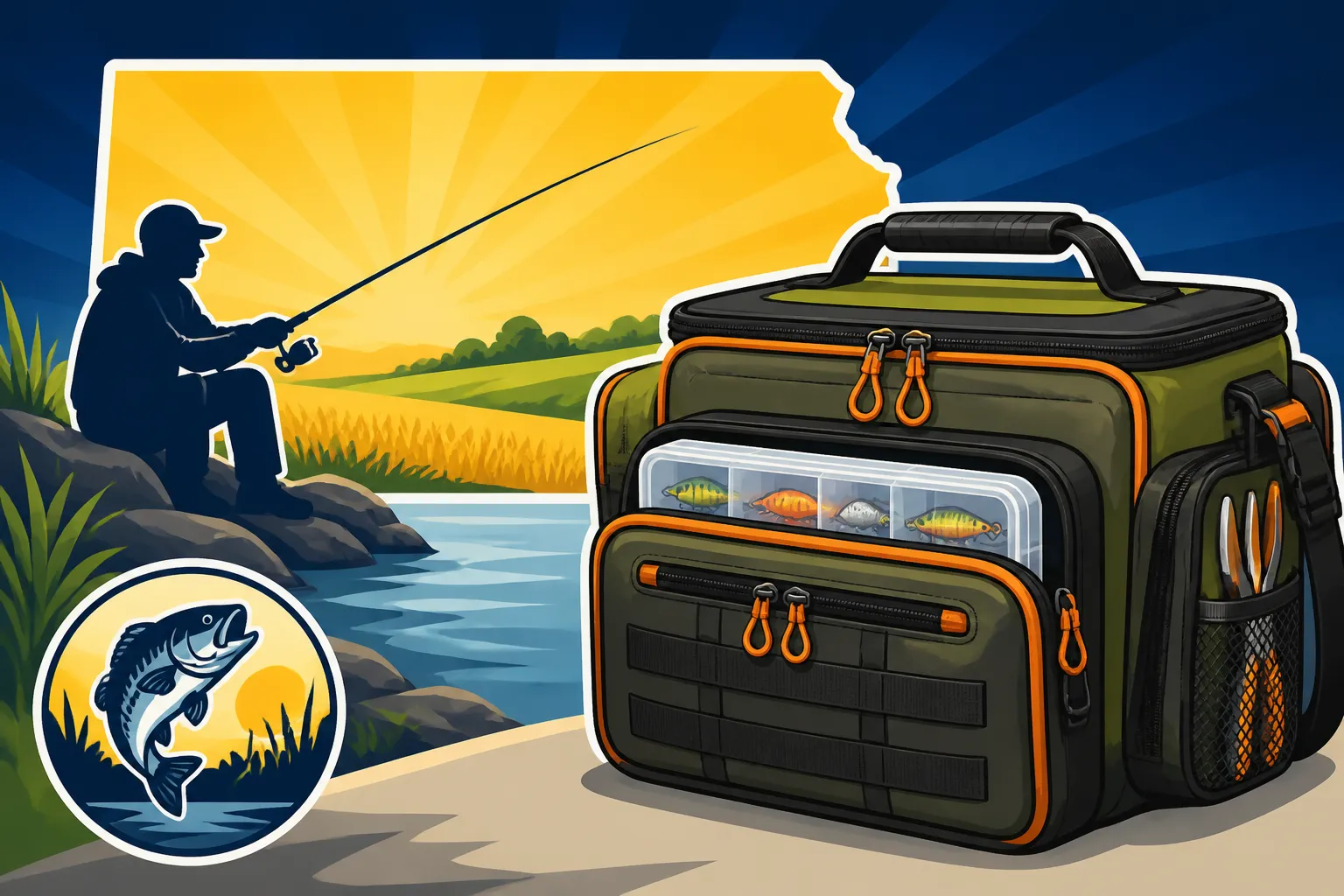
Best Tackle Bag for Bank Anglers
There's nothing quite like the freedom of bank fishing in Kansas, strolling along the shoreline of a favorite lake or river, casting into promising spots. But that freedom often comes with a significant challenge: how do you carry all your essential gear without feeling like a pack mule or constantly juggling multiple items? Juggling rods, a bait bucket, a flimsy plastic bag full of lures, and a water bottle just makes the whole experience feel like a chore. This guide will walk you through finding the perfect tackle bag designed specifically for the bank angler, ensuring your next outing is organized, efficient, and genuinely enjoyable.
The Bank Angler's Burden: Why a Dedicated Tackle Bag is Essential
Think about your last bank fishing trip. Did you have a bucket for your bait, another for your fish, and then a backpack or a collection of plastic bags struggling to hold your tackle? It’s a common scenario for many of us, and honestly, it’s not the most pleasant. A dedicated tackle bag isn't just about looking "pro"; it's about making your time on the water more productive and enjoyable.
The Struggle of Carrying Gear
The typical bank fishing experience often involves a bit of walking, whether you're navigating rocky shorelines, traversing grassy trails, or moving from one promising point to the next. Trying to carry an open tackle box, a handful of loose lures, extra line, and a few essential tools can quickly become an exercise in frustration. You end up making multiple trips to the car, dropping items, or worse, leaving crucial gear behind because it's simply too cumbersome to bring. I've been there, trying to balance a five-gallon bucket, a rod, and a coffee thermos, only to trip over a root and send my precious tackle scattering. It’s enough to make you reconsider the whole trip! This is especially true when you're exploring new areas or trying out Kansas Bank Fishing Techniques that require a bit more mobility.
Organization and Efficiency on the Bank
A well-designed tackle bag brings order to the chaos. Instead of rummaging through a jumbled mess, every lure, every hook, every sinker has its place. Most tackle bags come equipped with multiple compartments, pockets, and specialized slots for utility boxes, which are fantastic for keeping different lure types separate and tangle-free. This means less time fumbling and more time fishing. Imagine spotting a ripple on the water, knowing exactly where your favorite topwater lure is, grabbing it, tying it on, and making a cast in seconds. That efficiency can make all the difference, especially during those brief windows when the fish are actively biting. It also makes it easier to switch between techniques, whether you're targeting Kansas Walleye Fishing Techniques or hoping for some Kansas Crappie Fishing Techniques.
Protecting Your Investment
Let's be honest, fishing tackle isn't cheap. High-quality lures, reels, and even specialized lines represent a significant investment. Hauling them around in flimsy bags or open containers exposes them to dirt, moisture, sun, and accidental drops. A good tackle bag offers protection, often featuring padded compartments, water-resistant materials, and sturdy construction that shields your gear from the elements and the rigors of the outdoors. You wouldn't throw your expensive camera gear into a grocery bag, so why treat your fishing tackle any differently? Protecting your gear means it lasts longer, performs better, and ultimately saves you money in the long run.
Key Features to Look For in a Bank Fishing Tackle Bag
Not all tackle bags are created equal, especially when it comes to the specific demands of bank fishing. What works well on a boat might be a nightmare when you’re hoofing it along the shoreline. So, what should you really be paying attention to when you're picking out your next trusty companion?
Durability and Material Construction
When you're out there, your bag is going to get dragged, dropped, exposed to the sun, and splashed with water. That's just a fact of life for a bank angler. You need a bag that can take a beating. Look for materials like heavy-duty polyester or nylon, often with a denier count of 600D or higher, which indicates a tougher weave. Ripstop fabric is a huge plus, as it prevents small tears from becoming catastrophic gashes.
More importantly, pay close attention to the base of the bag. A reinforced, waterproof, or water-resistant molded bottom is an absolute game-changer. This prevents water from soaking into your gear when you set the bag down on damp ground, mud, or even in a shallow puddle by the water's edge. Think about how many times you've set your bag down without thinking, only to realize the ground was saturated. Also, check the zippers – large, corrosion-resistant zippers (often plastic or coated metal) are far more reliable than tiny, flimsy ones that will seize up with dirt and rust after a few trips. Well-stitched seams, especially at stress points, also contribute significantly to the bag's longevity.
Storage and Organization Options
This is where the magic happens. The best tackle bags are designed to hold everything you need in an accessible, organized way.
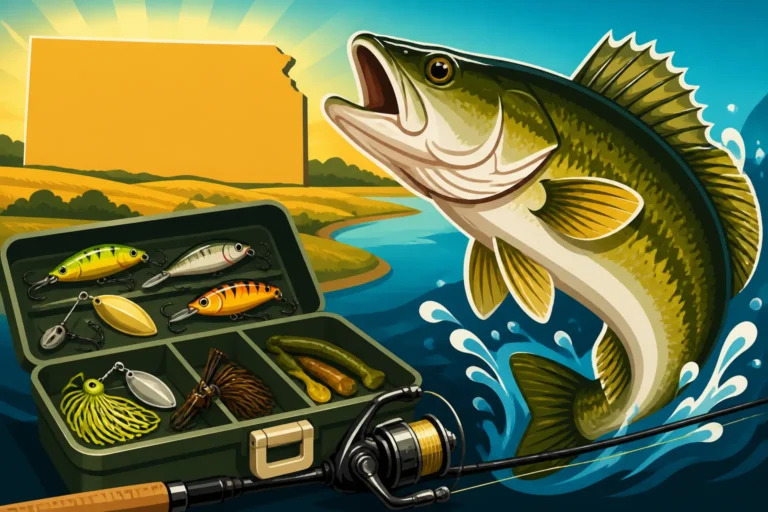
- Main Compartment for Tackle Trays: Most tackle bags are built around housing standard utility boxes or trays. These trays are invaluable for separating lures by type, size, or color. Look for bags that come with a few trays included, or specify which size of trays they accommodate (often 3600 or 3700 series). A bag that holds 3-5 trays is usually a good starting point for a day of bank fishing, allowing you to carry a variety of options without overpacking. You might dedicate one tray to Best Lures for Kansas Walleye, another to bass jigs, and another to terminal tackle.
- External Pockets: These are your best friends for quick-access items. Pockets for pliers, line cutters, a small first-aid kit, a bottle of bug spray, or your phone are crucial. Some bags have specialized tool holders or mesh pockets for damp items that need to dry. Don't underestimate the value of a dedicated water bottle pocket – staying hydrated is key, especially during those long summer days exploring Kansas fishing spots.
- Internal Pockets and Dividers: Beyond the main tackle tray compartment, internal mesh pockets or zippered pouches are great for soft plastics, leader material, spare spools of line, or even a small snack. Some bags offer adjustable dividers, allowing you to customize the internal space to suit your specific gear.
- Rod Holders: While not all bank fishing bags have them, external rod holders (often loops and straps) can be incredibly handy, especially if you like to carry a second rod or need to free up your hands while walking.
Portability and Comfort
A tackle bag is only as good as its ability to be comfortably carried. Bank fishing often involves a fair bit of walking, so ergonomics are critical.
- Strap Design: For shoulder bags, look for a wide, padded, adjustable shoulder strap. A non-slip material on the underside of the pad helps keep it from constantly sliding off your shoulder. If you prefer a backpack-style bag, ensure it has padded shoulder straps and, ideally, a sternum strap or waist belt to distribute weight more evenly, especially if you're hiking into more remote areas. Remember, your gear adds up quickly, and a poorly designed strap can dig into your shoulder or back, making the trip miserable.
- Handle: A sturdy, comfortable grab handle on top of the bag is also important for quick lifts or moving the bag short distances. It should be reinforced and feel secure in your hand.
- Weight: Consider the empty weight of the bag itself. You want durable, protective materials, but not something so heavy that it adds significant bulk before you even put your gear in it. A lighter bag means you can carry more tackle without feeling overloaded. When combined with smart packing, a good, comfortable bag allows you to cover more ground and try different areas, which is a core part of successful Kansas Fishing Techniques for Beginners.
Types of Tackle Bags Best Suited for Bank Fishing
Just like there are different types of anglers, there are different types of tackle bags. Each has its own strengths and weaknesses, making some better suited for certain bank fishing styles than others.
Shoulder Sling Bags
Sling bags have gained immense popularity among bank anglers, and for good reason. They are designed to be worn across your body, typically over one shoulder, resting on your back. When you need access to your tackle, you simply swing the bag around to your front without having to take it off. This quick, fluid access is a huge advantage when you're moving frequently or fishing in tight spaces.
- Pros:
- Quick Access: This is their biggest selling point. No need to set the bag down; just swing it around and get what you need. Ideal for fast-paced fishing or changing lures frequently.
- Mobility: Generally smaller and lighter, they don't impede movement as much as a full backpack. Great for navigating brushy shorelines or crowded piers.
- Less Bulk: Perfect for shorter trips or when you're targeting a specific species that doesn't require a vast array of tackle, such as a quick run to a community pond for panfish.
- Cons:
- Limited Capacity: By design, sling bags don't hold as much gear as larger backpack options. You might be restricted to 1-3 tackle trays and a few external items.
- Weight Distribution: While convenient, carrying all the weight on one shoulder can become uncomfortable on longer trips or if the bag is heavily loaded. It can lead to shoulder fatigue.
Many anglers find sling bags perfect for a couple of hours chasing bass or crappie, where they might only need a couple of trays of jigs, soft plastics, and a few tools. Bass Pro Shops often carries a wide selection of these, allowing you to try them on and see how they feel.
Backpack-Style Tackle Bags
For the angler who plans on covering serious ground, spending a full day on the water, or simply wants to be prepared for anything, a backpack-style tackle bag is often the superior choice. These bags are worn like a traditional backpack, distributing the weight evenly across both shoulders and your back.
- Pros:
- Maximum Capacity: Backpacks can carry significantly more gear – multiple tackle trays, extra reels, larger tools, rain gear, snacks, and even a small cooler pouch for drinks. This makes them ideal for all-day excursions or targeting multiple species like those found while exploring Best Fishing Lakes in Kansas.
- Comfort and Weight Distribution: With two padded shoulder straps and often a sternum strap and hip belt, the weight is distributed much more comfortably, reducing strain, especially during long hikes to remote fishing spots.
- Hands-Free: Keeping your hands free is invaluable for carrying rods, navigating uneven terrain, or even just eating a sandwich.
- Cons:
- Access Speed: To get to your main tackle, you typically have to take the backpack off and set it down. This can be a minor inconvenience if you're frequently changing lures.
- Bulkier: Naturally, they are larger and can feel more cumbersome in very dense brush or tight quarters.
If you're planning a full day of fishing on a large reservoir like Milford Lake or Cheney Reservoir, where you might walk miles of shoreline, a backpack-style tackle bag is a strong contender. They're also great if you want to be ready for different situations, perhaps carrying specific gear for Kansas Catfish Fishing Techniques in one section and walleye lures in another.
Soft-Sided Tackle Boxes/Bags
While the term "tackle box" usually conjures images of hard plastic, many manufacturers now offer soft-sided versions that blend the benefits of a traditional box with the flexibility of a bag. These often feature a rigid internal frame or a very stiff, molded bottom and top, maintaining their shape while still having flexible fabric sides.
- Pros:
- Hybrid Design: Offers the structured protection of a hard box for delicate items, combined with the lighter weight and external pocket utility of a soft bag.
- Versatility: Many can be comfortably carried for short distances or serve as an excellent "base camp" if you find a good spot and don't plan to move much. Some come with both shoulder straps and carry handles.
- Protection: The semi-rigid nature often provides excellent protection against crushing and impacts.
- Cons:
- Less Backpack-Friendly: While some have shoulder straps, they are generally not as comfortable for long hikes as dedicated backpack-style bags.
- Can Be Bulkier: Depending on the design, they can sometimes be more awkward to carry than a sling bag.
These are excellent for anglers who might drive up to a spot, park, and then only walk a short distance, or who appreciate the extra structural integrity for their tackle. They’re a good compromise for someone who wants more organization and protection than a pure soft bag, but still values some portability.
Choosing the Right Size and Features for Your Kansas Adventures
Deciding on the "best" tackle bag really comes down to understanding your personal fishing style, the types of fish you target, and how much gear you truly need to bring. There’s no one-size-fits-all answer, but by considering a few key factors, you can narrow down the options significantly.
Considering Your Target Species and Trip Length
Are you going for a quick hour of panfishing at a local pond, or an all-day expedition targeting trophy catfish on the Kansas River? The answer profoundly impacts the size and type of tackle bag you’ll need.
- Short Trips (1-3 hours): If you're just heading out for a couple of hours to catch some bluegill or crappie, a small sling bag or even a compact shoulder bag might be all you need. Focus on carrying one or two tackle trays with your essential jigs, hooks, and weights, a small container for Best Bait for Kansas Crappie, a pair of pliers, and maybe a water bottle. Overpacking for a short trip just leads to unnecessary weight and clutter.
- Medium Trips (Half-day): For 3-6 hours of fishing, perhaps for bass or walleye, you'll want something with a bit more capacity. A larger sling bag or a medium-sized backpack-style bag would be appropriate. This allows for 3-4 tackle trays, giving you options for different lures, colors, and presentations. You'll also want space for snacks, more water, and perhaps a small camera. Think about carrying diverse options if you're trying out different Kansas Walleye Fishing Techniques.
- Long Trips (Full-day or Multi-species): If you plan to spend all day on the bank, cover a lot of ground, or target multiple species (say, switching from channel catfish to wipers), a full-sized backpack tackle bag is likely your best bet. You’ll have room for 5-7 tackle trays, extra spools of line, a larger selection of tools, rain gear, a full lunch, and plenty of hydration. This is where the comfort of a good harness system really pays off. If you’re preparing for a diverse day, remember to check Kansas Fishing Seasons and Limits to ensure you have the right gear for what's in season.
Essential Accessories and Organization Tips
Once you have your tackle bag, filling it smartly is the next step to optimal efficiency.
- Utility Boxes: These are the backbone of any organized tackle bag. Label them by species, lure type (e.g., "Crankbaits," "Jigs & Soft Plastics," "Catfish Rigs"), or even by water depth. Clear boxes let you see contents at a glance.
- Leader Material: Keep a variety of leader materials (fluorocarbon, mono) in different weights easily accessible in a small pouch.
- Tools: Pliers, line cutters, a hook remover, and a small scale are essential. Many bags have dedicated external slots for pliers, which is incredibly convenient.
- First Aid Kit: A small, waterproof personal first aid kit is non-negotiable for any outdoor activity. Hooks are sharp, and slips happen.
- Hydration: Always bring more water than you think you’ll need. Look for bags with mesh pockets or even insulated compartments for water bottles or a hydration bladder.
- Sun Protection: Sunscreen, a hat, and polarized sunglasses are vital for comfort and safety. Best Sunglasses for Kansas Sight Fishing can also help you spot fish or structure.
- Headlamp/Flashlight: Even if you plan to be back before dark, a reliable light source is a must-have for unexpected delays or an impromptu evening bite. Best Headlamp for Night Fishing in Kansas can make a huge difference.
Packing smart means only bringing what you need for that specific trip. Don’t haul every single lure you own if you’re only targeting one species. Rotate your tackle trays based on your fishing plan.
Where to Find Your Ideal Tackle Bag
You've got a couple of great options when it comes to tracking down your perfect tackle bag.
- In-Person Retailers: Places like Bass Pro Shops are fantastic because you can actually get your hands on the bags. You can feel the material, try them on, see how the straps fit, and assess the layout of pockets and compartments in person. This is especially helpful for evaluating comfort and knowing how many tackle trays fit the way you like them. Plus, you can often get advice from experienced staff.
- Online Retailers: Websites like Amazon offer an enormous selection, often with detailed product descriptions, customer reviews, and comparative pricing. The sheer variety available online means you can find niche products or specific features that might not be stocked locally. Just be sure to read reviews carefully regarding durability and comfort, as you won't be able to physically inspect the bag beforehand. Always double-check current pricing and features, as manufacturers frequently update their models.
Ultimately, the best tackle bag for you is one that makes your bank fishing experience more efficient, comfortable, and enjoyable. Invest a little time in choosing the right one, and you'll be well on your way to more successful and stress-free days on the water. Don't forget to secure your Kansas Fishing License Guide before heading out!
Tackle Bag Comparison for Bank Anglers
Here’s a quick overview of the main types of tackle bags suitable for bank fishing, to help you decide which style might best fit your needs.
| Feature | Shoulder Sling Bag | Backpack-Style Tackle Bag | Soft-Sided Tackle Box/Bag |
|---|---|---|---|
| Capacity | Low to Medium (1-3 tackle trays + essentials) | High (3-7+ tackle trays + extensive gear) | Medium to High (3-5 tackle trays + some gear) |
| Access Speed | Very Fast (swings to front) | Slower (must remove to access main compartment) | Medium (often top-loading, some external pockets) |
| Comfort for Hikes | Moderate (single shoulder can fatigue) | High (even weight distribution, padded straps) | Low to Moderate (bulkier, less ergonomic for long walks) |
| Ideal Trip Length | Short to Medium (quick outings, specific targets) | Medium to Long (all-day trips, multi-species) | Short to Medium (base camp fishing, short walks) |
| Key Advantage | Quick lure changes, high mobility | Max gear capacity, hands-free comfort | Structured protection, good organization |
| Typical Use Case | Walking shorelines for bass/crappie, light gear | Hiking to remote spots, carrying full arsenal | Fishing from a fixed spot, driving to locations |
Disclaimer
This article is for general informational purposes only and does not constitute professional advice. Laws, prices and regulations vary by location and change over time. Consult a qualified professional for guidance on your specific situation.