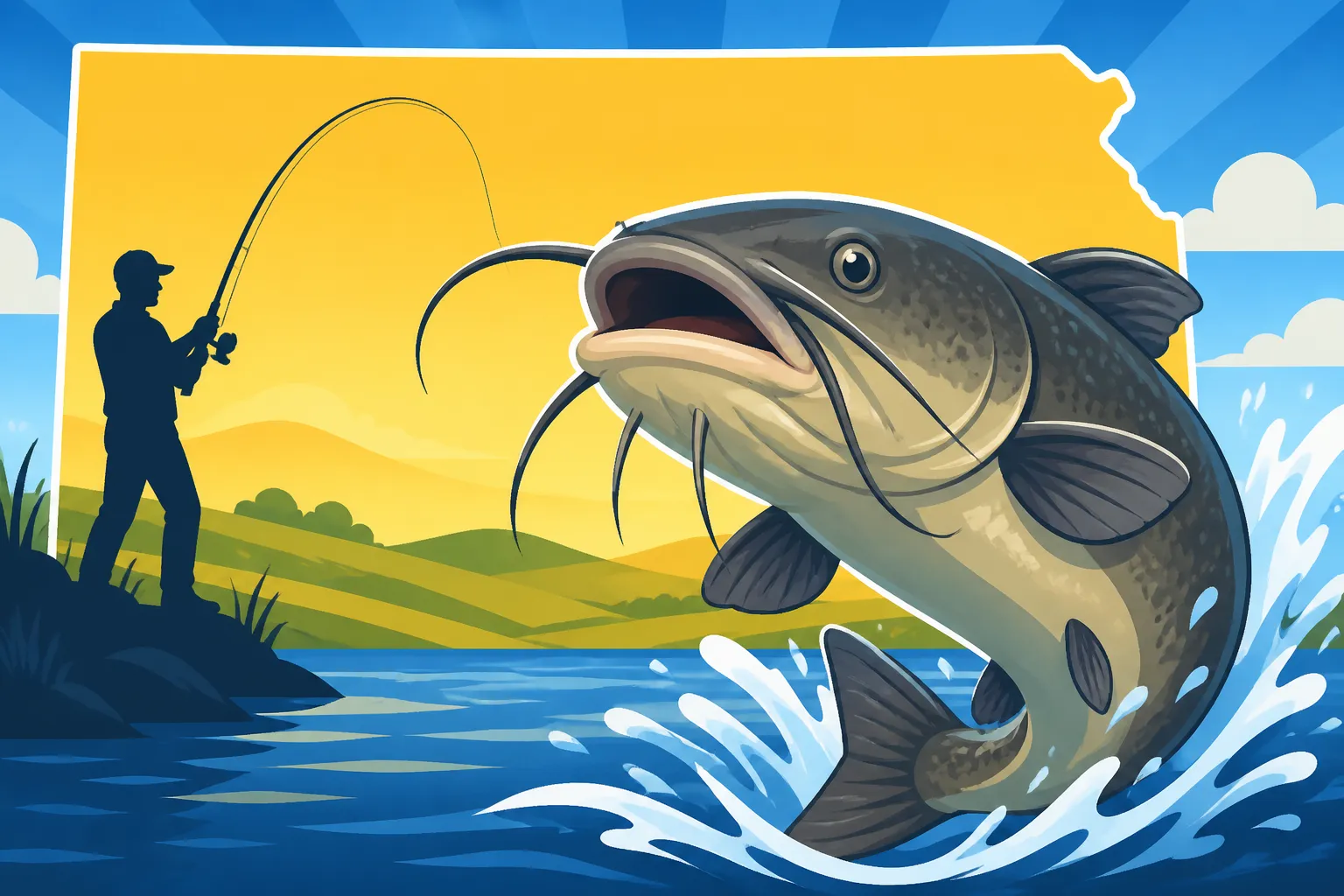
Best Catfish Lakes in Kansas
Many Kansas anglers dream of reeling in a monster catfish, but sometimes it feels like finding those prime spots for big channel cats, hefty flatheads, or gargantuan blue cats is like searching for a needle in a haystack. You spend hours on the water, only to come up short, leaving you wondering if you're even fishing the right lake. This comprehensive guide is here to cut through the guesswork, revealing the absolute best catfish lakes in Kansas where you can make those dreams a reality, along with the tips and tricks to make your next trip a success.
Why Kansas is a Catfish Paradise
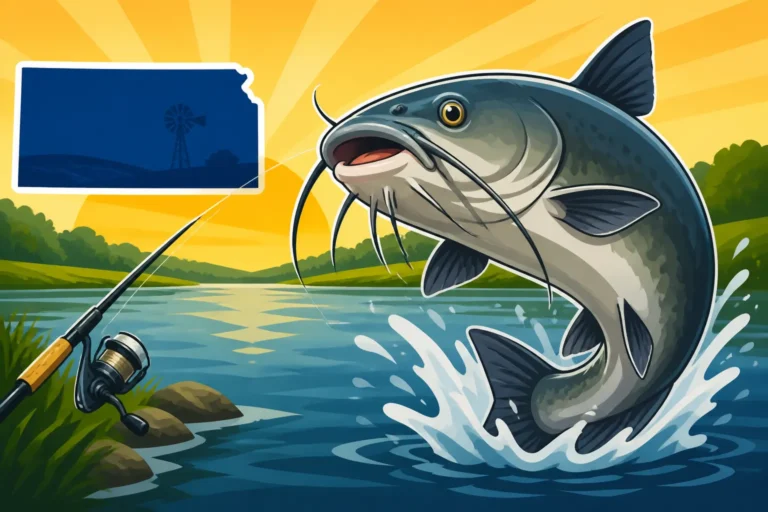
Kansas often gets overlooked for its fishing, with folks thinking mostly of cornfields and prairies. But let me tell you, for the discerning angler, especially those with a passion for whiskered warriors, Kansas is an absolute goldmine. Our vast network of reservoirs, rivers, and community lakes provides an incredible habitat for all three major catfish species, making it a true paradise for anyone looking to tangle with these powerful fish. The diverse aquatic environments, from rocky shorelines to expansive mud flats and submerged timber, cater to the unique preferences of each cat species, ensuring that whether you're after quantity or trophy size, Kansas has a spot for you.
The Mighty Channel Catfish
The channel catfish is probably the most widely distributed and recognized catfish in Kansas, and for good reason. These feisty fighters are found in almost every body of water, from small farm ponds to our largest reservoirs and winding rivers. They’re incredibly adaptable, thriving in warmer waters and readily biting on a variety of baits, making them a fantastic target for anglers of all skill levels. A lot of folks grow up catching channel cats with their families, and the sheer joy of seeing that bent rod and feeling that distinctive tug never really goes away.
You'll find channel catfish populations exploding in many of our state fishing lakes and community ponds, making them easily accessible for a quick afternoon trip. But don't let their commonality fool you; our major reservoirs produce some truly impressive channel cats, often weighing well into the double digits. These bigger fish require a bit more finesse and the right bait, but the reward is absolutely worth the effort. Knowing the nuances of their behavior, like when they prefer to feed in shallower, warmer waters during the spring or retreat to deeper pockets in the summer heat, can significantly increase your success rate. Remember that the Kansas Channel Catfish Daily Limit might vary depending on the water body, so always check the latest regulations.
Giant Blue Cats and Flatheads
While channel cats offer consistent action, it's the blue catfish and flathead catfish that really get the hearts of trophy anglers pounding. These are the giants of the Kansas catfishing world, capable of reaching truly massive sizes. Blue cats are primarily found in our larger river systems and the reservoirs connected to them, like the mighty Missouri River and its tributaries, and reservoirs such as Milford Lake and Tuttle Creek Lake. They prefer large, open water and often congregate in deep channels, current breaks, and around significant underwater structure.
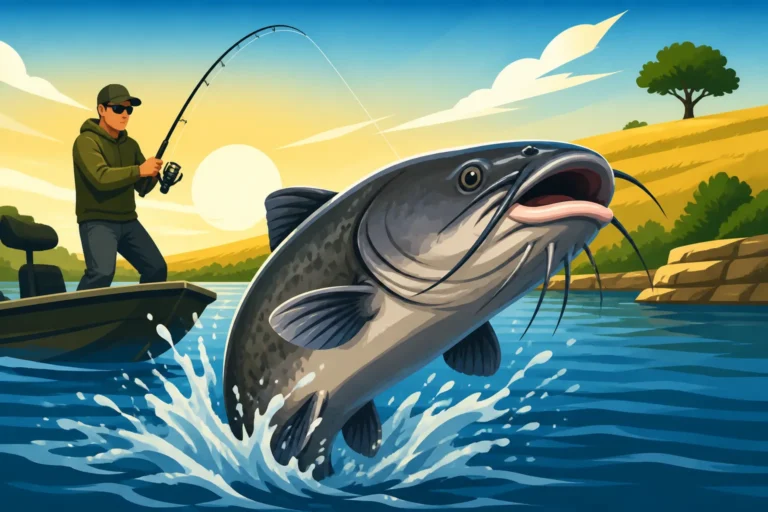
Flathead catfish, on the other hand, are the true ambush predators of the catfishing world. They prefer live bait and can often be found lurking in heavy cover – think submerged timber, rock piles, and undercut banks – waiting to pounce. While they don't grow quite as large as the biggest blue cats, flatheads are known for their incredible power and dogged fights, making every catch an unforgettable experience. Targeting these behemoths requires patience, robust gear, and often, a willingness to fish in some challenging, snag-prone areas, but hooking into a 40-pound flathead is a moment you'll replay in your mind for years. Many anglers swear by the thrill of How to Catch Flathead Catfish at Night, as these nocturnal hunters truly come alive after sundown. Be mindful of the Kansas Blue Catfish Daily Limit and Kansas Flathead Catfish Daily Limit when pursuing these giants.
Key Factors for a Great Catfish Lake
Not all lakes are created equal when it comes to catfishing. While you can certainly catch a channel cat almost anywhere, certain characteristics make a body of water exceptional for consistently producing large numbers or trophy-sized fish across all species. Understanding these factors is crucial for maximizing your chances and making the most of your time on the water. It’s not just about showing up with a rod and reel; it’s about knowing why a particular lake holds big fish.
Deep Water and Abundant Structure
Catfish, especially the bigger blue cats and flatheads, are drawn to deep water and significant underwater structure. This isn't just a preference; it's a matter of survival and feeding strategy. Deep holes, old river channels, submerged timber, rock piles, and even artificial reefs provide crucial cover from predators, stable temperatures, and ambush points for hunting prey. For instance, the main lake points and old creek channels at Milford Lake are absolute magnets for blue cats, offering depth changes and current that bring baitfish right to them.
When scouting a lake, look for areas where the depth changes dramatically, or where there's a confluence of different features. A good fish finder can be your best friend here, helping you identify these hidden gems. For flatheads, specifically, focus on areas with heavy woody debris – sunken trees, log jams, and root balls – usually near deep water. These spots can be snaggy, but that's where the flatheads feel safest and wait for their next meal. Understanding Kansas Catfish Fishing Techniques often starts with knowing how to locate these prime structural elements.
Healthy Forage Base
A thriving catfish population, particularly one that boasts large individuals, absolutely depends on a healthy and abundant forage base. Think about it: a giant blue cat didn't get that way by eating a few worms; it got that way by feasting on schools of shad, carp, and other baitfish. Lakes that support massive schools of gizzard shad, threadfin shad, or even smaller panfish like bluegill will inherently grow bigger, healthier catfish. These baitfish provide the protein and energy needed for rapid growth and sustain large numbers of predators.
When you're researching a potential catfishing spot, try to find out about its primary forage species. Reservoirs with a robust shad population, for example, are almost always excellent choices for blue cats and channel cats. Flatheads, being piscivores (fish eaters), will also thrive in these environments, preying on whatever live fish they can ambush. The presence of a strong baitfish population also usually indicates a healthy ecosystem overall, which bodes well for all game fish in the lake.
River Systems and Inflows
Many of the best catfish lakes in Kansas are either directly fed by or are actually impoundments of major river systems. Rivers provide a constant influx of nutrients, oxygenated water, and, crucially, a conveyor belt of food. The current created by river inflows, even subtle ones, concentrates baitfish and other food sources, making these areas irresistible to hungry catfish. This is particularly true during periods of higher flow, such as after heavy rains, when catfish will stack up at the mouths of creeks and rivers entering a lake.
Consider the Republican River feeding into Milford Lake, or the Big Blue River flowing into Tuttle Creek Lake. These riverine influences are absolute game-changers for catfish populations, especially blue cats that are highly attuned to current. During spawning runs or when water temperatures are favorable, catfish will often migrate up these river arms, presenting fantastic fishing opportunities. Knowing the Kansas Fishing Seasons Guide will help you understand when these seasonal migrations occur and how to best target them. The current also helps distribute oxygen, keeping fish active and feeding, even in warmer conditions.
Top Catfish Lakes in Eastern Kansas
Eastern Kansas, with its rolling hills and more abundant rainfall, is home to some of the state's most famous and productive catfish lakes. These reservoirs are often larger, deeper, and fed by significant river systems, creating ideal conditions for truly impressive catfishing. If you're looking to consistently hook into quality catfish, these are the places you absolutely need to explore.
Milford Lake: Kansas's Catfish Powerhouse
Milford Lake, the largest lake in Kansas, isn't just big; it's a bonafide catfish factory, especially for blue catfish. Located near Junction City, this massive reservoir on the Republican River is renowned for its incredible blue cat fishery, with many anglers reporting catches well over 50 pounds. The lake's vast expanse, deep main river channel, and countless submerged timber areas provide the perfect habitat for these giants. It's truly a bucket-list destination for any serious trophy catfisherman.
What makes Milford so special? Its sheer size means there's always new water to explore, and the abundant gizzard shad population ensures the blue cats have a never-ending buffet. Anglers often target the main river channel, especially around points and humps, using large cut bait like shad or carp. The areas around the old river bends and the edges of submerged timber are also prime spots. If you're serious about landing a monster, consider hiring a local guide who knows the lake's nuances, or plan an extended trip to learn its secrets yourself. Check out our Milford Lake Fishing Guide for even more detailed tips on this incredible fishery.
Tuttle Creek Lake: Blue Catfish Haven
Just north of Manhattan, Tuttle Creek Lake is another behemoth, often vying with Milford for the title of "best blue catfish lake." Formed by the impoundment of the Big Blue River, Tuttle Creek offers similar conditions to Milford but with its own unique character. It's known for its strong current in certain areas, particularly below the dam and in the upper river arms, which blue cats absolutely adore. This lake consistently produces trophy blue catfish, and it's not uncommon for anglers to pull in fish weighing 30, 40, or even 60+ pounds here.
The key to success at Tuttle Creek often lies in understanding the current. Blue cats will stack up in current seams, behind obstacles, and in deep holes where they can ambush prey with less effort. Targeting the lake's deeper sections, especially where the old river channel runs, can be incredibly productive. Like Milford, large cut bait is the preferred offering. Many dedicated catfishermen swear by the action found during the warmer months, especially at night when the biggest blue cats are on the prowl. For those specifically interested in this lake, our guide on Tuttle Creek Lake Catfish Fishing delves even deeper into its potential.
Clinton Lake: Consistent Catfish Action
While Milford and Tuttle Creek are famous for their blue cats, Clinton Lake, just west of Lawrence, offers a consistently excellent fishery for channel catfish and respectable flatheads. It might not have the same reputation for gargantuan blue cats, but what it lacks in pure size, it makes up for in consistent action and abundant numbers, making it a fantastic choice for a family outing or a productive day on the water. The lake's diverse shoreline, ample timber, and healthy populations of baitfish contribute to its strong catfishing success.
Channel catfishing at Clinton is fantastic, particularly in the warmer months. Look for them cruising shallower flats in the evenings or retreating to creek channels and submerged timber during the day. Prepared baits, worms, and cut bait all work wonders here. For flatheads, concentrate your efforts around the standing timber and brush piles, especially in the larger creek arms like Rock Creek and Wakarusa River. Fishing with live sunfish or shad near these structures after dark can yield some impressive flathead battles. Clinton Lake's accessibility from the Kansas City metro makes it a popular choice, and its robust fish populations ensure a rewarding experience.
Prime Catfish Waters in Central Kansas
Moving west into the heart of Kansas, the landscape changes, but the quality of catfishing certainly doesn't. Central Kansas reservoirs offer a unique blend of habitats, from expansive open waters to rocky shorelines, providing excellent opportunities for all three major catfish species. These lakes are often less pressured than their eastern counterparts, offering a more serene yet equally rewarding angling experience.
Cheney Reservoir: A Mix of Species
Cheney Reservoir, located southwest of Wichita, is best known for its excellent walleye and wiper fishing, but don't sleep on its impressive catfish populations. This large, relatively shallow reservoir with extensive mudflats and rocky shorelines is a prime spot for channel catfish and offers solid opportunities for flatheads. While not as renowned for blue cats as the eastern giants, you can certainly find some respectable blues here, especially in the deeper channels and around the dam.
Channel catfishing at Cheney is consistently good, with anglers often finding success near the dam, along the causeways, and in the numerous coves and bays. Prepared baits, shrimp, and cut bait are go-to choices. For flatheads, focus on the areas with submerged timber and rocky points, particularly in the western and northern arms of the lake. The lake's often windy conditions can create current and chop, which can actually activate catfish feeding, especially for channel cats. Many anglers enjoy drift fishing for channel cats across the vast flats.
Wilson Lake: Flathead Territory
Wilson Lake, often called the "most beautiful lake in Kansas" for its stunning bluffs and clear water, also holds a secret: it's fantastic for flathead catfish. Located near Russell in central Kansas, this deep, clear reservoir on the Saline River system offers incredible structure, including steep rock bluffs, submerged timber, and deep creek channels. While channel cats are abundant, it's the chance at a truly monstrous flathead that draws many dedicated catfishermen to Wilson.
Flathead anglers at Wilson focus on the heavy cover, especially in the upper arms of the lake where the river inflows bring plenty of woody debris. Live bait, such as sunfish or carp, fished tight to these snags, is the most effective method. The challenge of fishing in such snaggy territory is high, but the reward of a 40 or 50-pound flathead fighting its way out of the timber is unparalleled. Channel catfishing is also excellent, particularly in the evenings along rocky points and transition areas, where they'll readily hit stink baits and cut bait. You'll find many guides on FishingBooker who specialize in navigating Wilson's waters for these elusive giants.
El Dorado Lake: Big Channel Cats
El Dorado Lake, situated northeast of Wichita, is a popular destination for all kinds of angling, and it certainly shines for its channel catfish. This reservoir offers a diverse aquatic environment with ample shallow flats, deep creek channels, and plenty of standing timber, all contributing to a healthy catfish population. While it's known for its bass and wiper fishing, the channel cat action here is robust and consistent, making it a great choice for both casual and serious catfishermen.
Channel cats at El Dorado can be found throughout the lake, but some of the most productive areas include the upper river arms (Walnut River and Little Walnut River), the numerous coves, and around the dam. Night fishing often yields the largest channel cats, especially when targeting deeper holes with cut bait or punch baits. Anglers often set up camp and fish multiple rods, enjoying the peacefulness of the Kansas night sky. The healthy shad population in El Dorado ensures these channel cats grow to impressive sizes, offering a strong fight on appropriate tackle.
Western Kansas Catfish Gems
While often perceived as drier and less water-rich, Western Kansas still holds some fantastic catfishing opportunities, particularly in its large reservoirs. These lakes, often fed by intermittent rivers, can offer excellent fishing for those willing to venture a bit further west. The fishing pressure is generally lower, and the serenity of the high plains adds an extra layer of enjoyment to the experience.
Kirwin Reservoir: Remote and Rewarding
Kirwin Reservoir, located in Phillips County in far northern Central Kansas, leaning heavily into the west, is a hidden gem for catfish. This national wildlife refuge lake offers a more remote experience, surrounded by natural beauty. While known for its walleye, Kirwin also boasts a thriving population of channel catfish and some respectable flatheads, particularly in the timbered areas of its upper reaches.
Channel catfishing here is excellent, with consistent catches throughout the warmer months. Anglers often target the main lake points, submerged humps, and the dam area using a variety of baits, from cut bait to prepared dough baits. For flatheads, the challenge is finding the heavy cover they prefer, often in the deeper creek channels that wind through the lake. The quiet nature of Kirwin makes it a perfect spot for those looking to escape the crowds and enjoy a peaceful day of catfishing, often accompanied by abundant wildlife viewing.
Cedar Bluff State Park: High Plains Opportunities
Cedar Bluff State Park, located near Ogallah, features a unique landscape of towering limestone bluffs surrounding its reservoir, which is split into two sections: the upper reservoir (Cedar Bluff Reservoir) and the lower reservoir (Cedar Bluff Public Fishing Lake). Both offer good catfishing, with the larger upper reservoir providing excellent channel cat and some flathead opportunities. The striking scenery alone makes it a worthwhile trip, but the fishing is certainly a bonus.
The upper Cedar Bluff Reservoir is a solid choice for channel catfish, especially in the shallower bays and points. The lake's healthy baitfish population ensures plenty of food for growing cats. Anglers find success with traditional catfish baits, and bank access is plentiful, making it a great spot for shore-bound anglers. For those seeking flatheads, the deeper parts of the reservoir and areas with woody cover will be your best bet. The lower Cedar Bluff Public Fishing Lake, being smaller, is managed more intensely for various species, including consistent channel cat stockings, offering reliable action.
Essential Catfishing Techniques for Kansas Lakes
Simply knowing where to fish isn't enough; you also need to know how to fish for catfish effectively in Kansas. The techniques can vary depending on the species you're targeting, the time of year, and whether you're fishing from the bank or a boat. Mastering a few key strategies will dramatically increase your success rate and make your time on the water more productive.
Bank Fishing Strategies
Bank fishing for catfish is incredibly popular in Kansas, offering accessible and often highly effective opportunities. Many of our Best Fishing Lakes in Kansas, including Clinton Lake and El Dorado Lake, have fantastic bank access, allowing anglers to target channels and even smaller flatheads without needing a boat. The key to successful bank fishing is understanding catfish movements and preferences in near-shore environments.
During the spring and early summer, channel cats will move into shallower areas to spawn and feed aggressively, making them very accessible from the bank. Look for areas with a gradual slope, submerged vegetation, or any kind of cover. As summer progresses, they might move a bit deeper during the day but will often return to shallower feeding grounds in the evenings and overnight. Using simple bottom rigs, like a slip-sinker rig with a wide-gap circle hook, is highly effective. Baits like cut shad, chicken liver, prepared stink baits, and nightcrawlers are all excellent choices. For nighttime adventures, a good headlamp and a comfortable chair are essential. Consider reviewing Best Bank Fishing Setup for Catfish for detailed gear recommendations.
Boat Fishing Tactics
For those with a boat, the possibilities for targeting trophy catfish expand dramatically. A boat allows you to access deeper water, navigate to remote timbered areas, and cover much more ground, which is crucial when searching for those elusive big blue cats and flatheads. Techniques vary widely, from anchored fishing over structure to drift fishing vast flats.
When targeting blue catfish on lakes like Milford and Tuttle Creek, boat anglers often focus on the main river channels, humps, and underwater points. Anchoring upstream of a promising spot and letting cut bait soak on the bottom in the current is a classic and effective method. For flatheads, a boat is almost essential to reach the heavy cover they inhabit. This often involves positioning your boat carefully near snags and presenting live bait directly into their ambush zones. Drift fishing, especially over large, featureless flats, can also be incredibly effective for locating schools of channel and blue cats, particularly when using Best Bait for Kansas Catfish like shad or skipjack herring. Trolling with large crankbaits can sometimes entice active blue cats as well, especially near river mouths.
Best Baits and Rigs
The right bait and rig can make all the difference when catfishing in Kansas. Catfish are generally opportunistic feeders, but different species and sizes often have distinct preferences. Understanding these nuances can save you a lot of time and lead to more bites.
For channel catfish, a wide variety of baits work wonders. Prepared stink baits, chicken liver, shrimp, hot dogs, and nightcrawlers are all classic and highly effective. Cut bait, especially shad, is also fantastic for attracting larger channels. A simple slip-sinker rig with an appropriate-sized circle hook (e.g., 4/0 to 6/0) is usually all you need. The weight of the sinker will depend on the current and depth you're fishing.
Blue catfish, particularly the bigger ones, are primarily piscivores, meaning they prefer fish. Fresh cut bait is king here. Gizzard shad, skipjack herring, carp, and even rough fish like drum, cut into chunks or strips, are irresistible to big blues. Use heavy-duty tackle, strong mono or braided line (40-80 lb test), and large circle hooks (8/0 to 12/0) to handle their power. A sturdy three-way swivel rig or an extended C-rig can present your bait effectively on the bottom.
Flathead catfish are almost exclusively live bait hunters. Their preferred meal is a lively fish, such as a sunfish, perch, carp, or bullhead, presented alive and kicking. Hook your live bait through the back or lips, making sure it can swim naturally. Fish these baits on a heavy-duty slip-sinker rig or a large float rig near heavy cover. Again, heavy tackle and strong line are crucial to pull these powerful fish out of snags. Always ensure your live bait adheres to Kansas Fishing Regulations Explained regarding legal baitfish.
Planning Your Kansas Catfishing Adventure
A successful catfishing trip in Kansas isn't just about showing up at the lake; it involves a bit of planning, understanding the rules, and knowing how to get the most out of your experience. From ensuring you're legally compliant to considering professional help, a little preparation goes a long way.
Licenses and Regulations
Before you even cast a line in Kansas, make sure you have the proper fishing license. Almost all residents aged 16 through 74, and all non-residents aged 16 and over, are required to possess a valid Kansas fishing license. These can be purchased online through the Kansas Department of Wildlife, Parks and Tourism (KDWP) website, or at many sporting goods stores and bait shops throughout the state. It's a simple process, but neglecting it can lead to fines. You can find all the details you need in our comprehensive Kansas Fishing License Guide.
Beyond the general license, be aware of specific regulations for catfish, including daily creel limits and length limits. For instance, there are specific Kansas Channel Catfish Daily Limit, Kansas Blue Catfish Daily Limit, and Kansas Flathead Catfish Daily Limit rules that vary by species and sometimes by specific water body. Always check the current KDWP fishing regulations summary before you head out, as rules can change. This ensures you're fishing legally and contributing to the conservation of our valuable fisheries.
Finding a Fishing Guide
While this guide provides a wealth of information, sometimes there's no substitute for local knowledge, especially when targeting trophy fish or exploring a new lake. Hiring a professional fishing guide can dramatically increase your chances of success, teaching you invaluable techniques and taking you directly to the hot spots. Guides have spent countless hours on the water, understanding seasonal patterns, bait preferences, and the best structural elements for catfish.
Many of the top catfish lakes, particularly Milford Lake and Tuttle Creek Lake, have excellent guides who specialize in catfishing. Platforms like FishingBooker make it easy to find and book experienced local guides for a day out on the water. They provide all the necessary gear, expertise, and often even clean your catch. It’s a fantastic way to accelerate your learning curve and experience the best catfishing Kansas has to offer, particularly if you're chasing a personal best or visiting from out of state. You can often find highly-rated catfish guides for various lakes on FishingBooker, making your trip seamless and productive.
Safety on the Water
Safety should always be your top priority when fishing, whether from the bank or a boat. For boaters, ensure you have all required Kansas Boating Safety Equipment Requirements, including properly fitting life jackets for everyone on board. If you're using a boat, understanding the Kansas Boat Registration Guide is also crucial. Check the weather forecast before you go, and be prepared for sudden changes, especially on large reservoirs where storms can develop quickly. High winds can make navigation challenging and dangerous.
Bank anglers should also be mindful of their surroundings. Be aware of slippery banks, uneven terrain, and potential wildlife encounters. If fishing at night, a reliable light source is crucial. Always let someone know where you're going and when you expect to return. Drinking plenty of water, especially during the hot Kansas summers, is also critical to staying safe and comfortable. Catfishing is a truly enjoyable pursuit, but a safe angler is a happy angler.
Here's a quick look at some of the best catfish lakes and what they're known for:
| Lake Name | Primary Catfish Species | Noteworthy Size Potential | Key Features | Best Techniques |
|---|---|---|---|---|
| Milford Lake | Blue, Channel, Flathead | Giant Blue Cats (50lb+) | Deep river channel, submerged timber, vast size | Cut bait (shad), anchoring, drift fishing |
| Tuttle Creek Lake | Blue, Channel, Flathead | Trophy Blue Cats (60lb+) | Strong current, deep holes, river arms | Cut bait (shad, carp), targeting current seams |
| Clinton Lake | Channel, Flathead | Abundant Channels | Diverse shorelines, timber, creek arms | Prepared baits, worms, cut bait, night fishing |
| Cheney Reservoir | Channel, Flathead | Consistent Channels | Mudflats, rocky points, shallow bays | Prepared baits, shrimp, drift fishing |
| Wilson Lake | Flathead, Channel | Monster Flatheads (50lb+) | Steep bluffs, heavy timber, clear water | Live bait (sunfish), fishing heavy cover |
| El Dorado Lake | Channel, Flathead | Big Channels | Shallow flats, deep channels, standing timber | Cut bait, punch baits, night fishing |
| Kirwin Reservoir | Channel, Flathead | Good Channels | Remote, timbered upper reaches | Prepared baits, cut bait, bank/boat fishing |
| Cedar Bluff Reservoir | Channel, Flathead | Consistent Channels | Bluffs, coves, abundant access | Traditional catfish baits, bank fishing |
Disclaimer
Fishing regulations, stocking programs, and conditions can change. Always consult the latest Kansas Department of Wildlife, Parks and Tourism (KDWP) regulations guide before any fishing trip. This guide is for informational purposes only and does not guarantee fishing success. Fishing involves inherent risks, and safety precautions should always be observed.