Best Community Fishing Lake Near Topeka
Ever felt that longing to cast a line, but dreaded the long drive or the uncertainty of finding a good spot near home? For those of us in and around Topeka, finding a truly fantastic and accessible fishing destination can feel like a quest. This guide is here to end that search, shining a bright spotlight on the absolute best community fishing lake right on your doorstep, ensuring your next angling adventure is both convenient and rewarding.
Why Community Fishing Lakes are a Lifesaver for Local Anglers
Many of us feel that familiar pang: the desire to wet a line, but the thought of a long drive to a remote reservoir or fighting crowds at a popular spot can be a real deterrent. We've all been there, spending more time in the car than with a rod in hand. This is where community fishing lakes truly shine, offering an accessible, often well-maintained, and productive alternative. For folks living in and around Topeka, these local treasures can turn an aspiration into an easy reality, making those spontaneous fishing trips possible again.
Accessibility and Convenience
One of the biggest frustrations for urban and suburban anglers is simply getting to a good fishing spot without spending half the day in the car. It can feel like you need a whole day just to make a quick trip worthwhile. Community lakes are designed to be exactly that: community-focused. They're typically located within city limits or just a stone's throw away, meaning less travel time and more actual fishing time. Imagine finishing work or having a free afternoon and being able to hit the water within minutes, not hours. This convenience factor is huge, especially for those spontaneous trips or when you only have a couple of hours to spare. These lakes often boast paved parking, easy bank access, and sometimes even ADA-accessible piers, removing many common barriers to getting out on the water, making them perfect for everyone from seasoned anglers to families with young kids.
Managed Fisheries for Better Success
It's not just about convenience; it's about the quality of the fishing too. Many community lakes, including those managed by the Kansas Department of Wildlife, Parks and Tourism (KDWPT) in cooperation with local municipalities, are specifically designed and managed to provide excellent fishing opportunities. This often includes regular stocking programs for popular species like channel catfish, crappie, and even rainbow trout during the colder months. These programs help ensure healthy fish populations, leading to more consistent catches for anglers of all skill levels. It's incredibly validating when you’ve had a string of unproductive trips elsewhere to find a place where the fish are active and plentiful. You're not just casting into a random pond; you're fishing in a system built to optimize your chances of success, which takes a lot of the guesswork and frustration out of your outing.
Lake Shawnee: Topeka's Crown Jewel for Anglers
When you talk about community fishing near Topeka, one name invariably rises to the top: Lake Shawnee. This isn't just a pond; it's a sprawling, multi-purpose recreational area that serves as an incredible fishery. Managed by Shawnee County Parks and Recreation in close collaboration with KDWPT, it consistently offers an outstanding and reliable fishing experience for local anglers, making it a true standout for anyone looking to wet a line.
Overview and Accessibility
Lake Shawnee itself is a pretty impressive body of water, covering about 416 acres. It’s located just east of Topeka, specifically at 3139 SE 29th Street, making it incredibly easy to access from almost anywhere in the city. You don’t necessarily need a huge boat to enjoy it, though plenty of folks do bring their larger vessels. There are multiple well-maintained boat ramps, ample parking, and miles of accessible shoreline, providing diverse access points for every type of angler. Whether you prefer to fish from a dock, off the bank, or from a small boat or kayak, Lake Shawnee accommodates it all. The entire area feels welcoming and clean, an oasis right next to the urban bustle. If you're looking to explore deeper or find a specific guide for a full day out, sites like FishingBooker can help you connect with local experts who know Shawnee's nooks and crannies like the back of their hand.
Key Fish Species and Stocking Programs
Lake Shawnee is renowned for its diverse fishery, thanks in large part to active management and consistent stocking efforts by the KDWPT. Anglers here can expect to find healthy populations of several popular species:
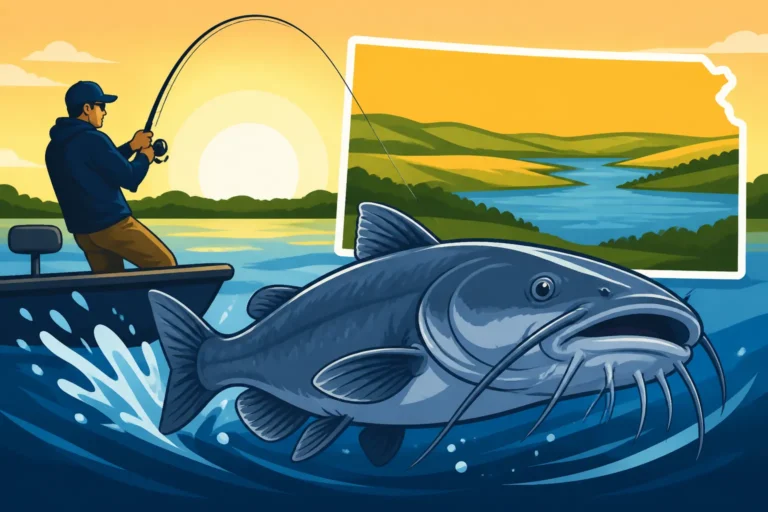
- Channel Catfish: Regularly stocked, these whiskered warriors are a staple for many anglers, growing to respectable sizes and offering a powerful fight. They are a primary target for many visitors.
- Crappie: Both white and black crappie thrive here, especially around submerged structures and brush piles. They provide excellent action, particularly in spring and fall.
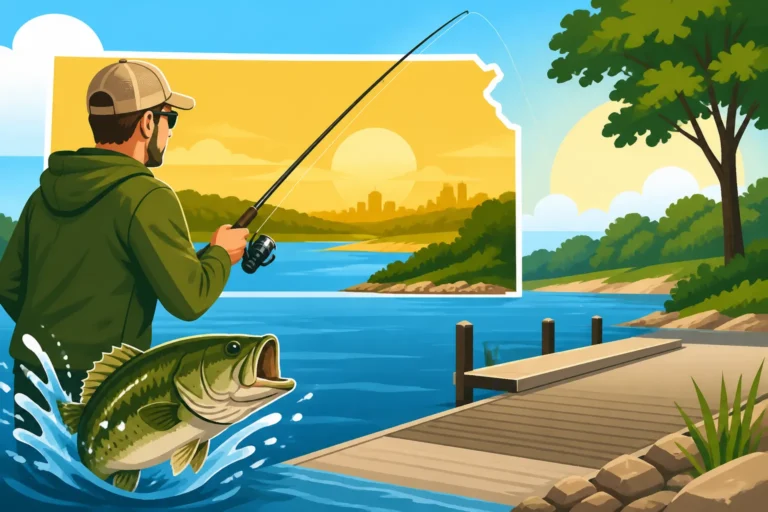
- Largemouth Bass: The lake supports a good population of largemouth bass, offering exciting opportunities for sport anglers looking to target bigger fish.
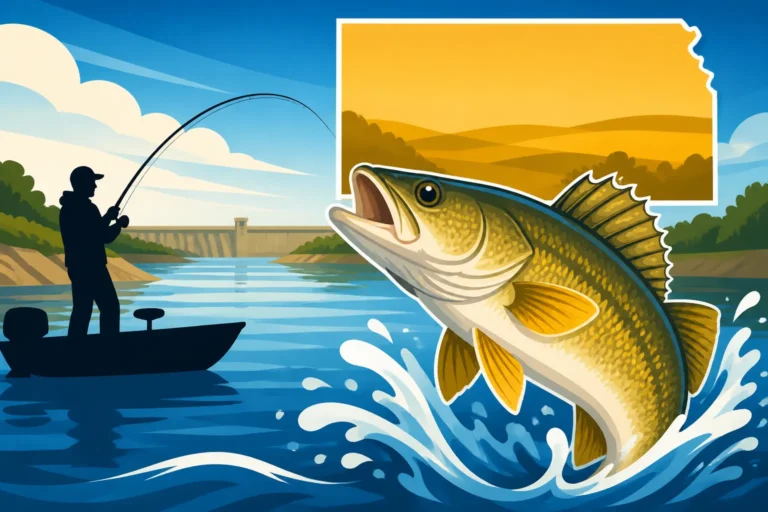
- Walleye: Though not as dominant as in some larger Kansas reservoirs, Lake Shawnee does have a population, offering a challenging but incredibly rewarding target for those patient enough to pursue them.
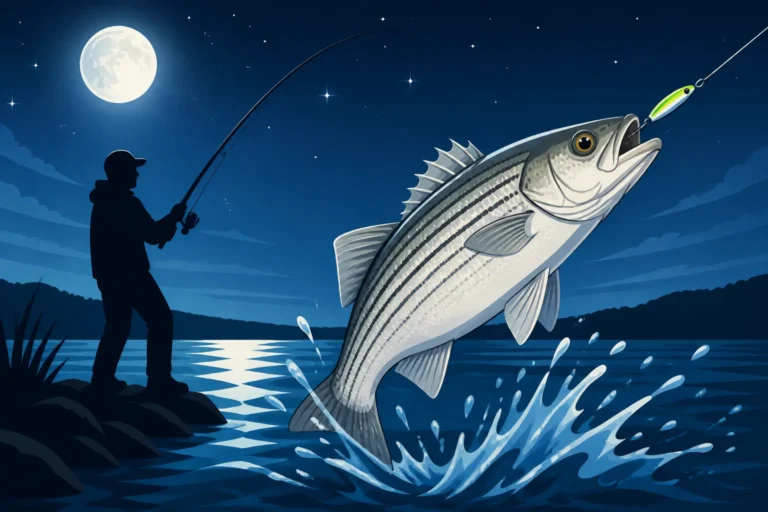
- Wipers (Hybrid Striped Bass): These hard-fighting hybrids, a cross between striped bass and white bass, are stocked and provide incredible action, known for their aggressive strikes.
- Panfish: Bluegill and redear sunfish are abundant, making it a fantastic spot for kids or those just looking for consistent bites and easy-to-catch fish.
- Trout: During the colder months, typically from December through March, KDWPT stocks rainbow trout, providing a unique and popular winter fishing opportunity that attracts many. You'll definitely need to consult a Kansas Trout Permit Guide if you plan on targeting these cold-water beauties.
This impressive variety means there’s always something biting, no matter the season or your preferred target species or fishing style. The KDWPT maintains a regular stocking schedule for various species, which is crucial for keeping the fishery robust, exciting, and productive year after year.
Fishing Hotspots and Strategies
Knowing where to start on a lake the size of Shawnee can feel a bit overwhelming at first, but thankfully, there are some consistently productive areas that local anglers rely on. You don't need years of experience to find success if you know where to look.
- Marina and Boat Docks: These man-made structures are almost always fish magnets, holding crappie, bluegill, and even bass. The pilings and any submerged cover around them offer excellent habitat. Try fishing small jigs (1/16 to 1/8 oz) tipped with a soft plastic minnow imitation or a live minnow under a bobber right next to the structure. This is often a great starting point, especially for beginners or those seeking panfish.
- Rocky Points and Riprap: Particularly on the north and west sides of the lake, these rocky areas can be fantastic for walleye, wipers, and bass, especially during feeding periods when they patrol these breaks. Casting crankbaits, spoons, or jigging with soft plastics can be very effective here. Fish will often hold to these areas where baitfish congregate.
- Submerged Timber and Brush Piles: These are classic crappie havens. These structures provide cover and ambush points. Look for them on your fish finder, or better yet, ask at local bait shops for known locations. Vertical jigging small jigs or slow-trolling live minnows around these spots can yield impressive stringers of crappie.
- The Dam Area: The dam itself is always a good bet for various species, especially catfish and wipers, as deeper water and subtle currents are often present here. Casting into the deeper water or along the riprap can be productive.
- Inflows/Outflows: Any areas where fresh water enters or exits the lake can concentrate baitfish and, consequently, game fish. These spots can be particularly hot after a rain, as new food sources are washed in.
Many anglers find consistent success fishing the channel edges for catfish, using prepared baits or cut bait on a slip-sinker rig. For those interested in extended outings, the Kansas Night Fishing Guide confirms that the warmer months can offer fantastic opportunities for catfish and even some bass, as these species often become more active after dark. Before heading out, always remember to consult the Kansas Fishing Regulations Explained for specific length and creel limits, which are vital for responsible angling.
Targeting Lake Shawnee's Top Species
Having identified Lake Shawnee as a prime spot, let's dive into some practical tips for reeling in its most popular residents. Each species has its nuances, and understanding these will significantly boost your success and make your fishing trips more rewarding, instead of just casting aimlessly.
Crappie and Panfish Tactics
Crappie are a huge draw at Lake Shawnee, and for good reason—they're fun to catch and famously delicious to eat! Panfish like bluegill and redear sunfish offer consistent action, especially for family outings.
- Spring Fling: In spring, as water temperatures rise, crappie move into shallower waters for their spawn. This is a prime time for active fishing. Look for them around brush piles, submerged timber, and along the edges of weed beds in 3-10 feet of water. Small jigs (1/16 to 1/8 oz) tipped with a soft plastic minnow imitation or a live minnow under a bobber are deadly. These fish are actively feeding and protecting nests, making them easier to locate.
- Summer Deep Dive: As summer heat sets in, crappie often retreat to deeper, cooler waters, often suspending over channel breaks or around submerged brush in 10-20 feet. Vertical jigging or slow trolling with jigs or minnows can be very effective, especially when located with a fish finder. Remember, for crappie, knowing the Kansas Crappie Length and Bag Limits is crucial to stay within legal harvest guidelines.
- Panfish Paradise: Bluegill and redear sunfish are often found in similar shallow areas as spring crappie but hold even tighter to shore, especially around docks, lily pads, and submerged vegetation. A simple setup with a small hook, a piece of worm, or a small beetle spin under a bobber works wonders for these eager biters. They are perfect for introducing new anglers to the sport.
Catfish Strategies
Lake Shawnee is a fantastic spot for channel catfish, with plenty of opportunities for both bank anglers and boaters. These powerful fish are abundant and provide a thrilling fight.
- Bottom Fishing Basics: The classic approach works best for catfish. Use a slip-sinker rig with a large, strong hook (like a 3/0 or 4/0 circle hook) and bait it with strong-smelling options like cut bait (shad or carp), prepared stink bait, or even chicken livers. Cast your rig out into deeper holes, along the main channel, or near the dam, and let it sit on the bottom. Catfish rely heavily on scent, so a smelly bait is key.
- Nighttime is the Right Time: Catfish are often more active at night, especially during the warmer months. This is when they move shallower to feed under the cover of darkness. Setting up camp on a promising bank or anchoring in a productive cove after sunset can lead to some exhilarating battles and trophy-sized fish. For more on specific baits that attract these nocturnal feeders, check out the Best Bait for Kansas Catfish guide. Always be aware of the Kansas Catfish Daily Limits which vary by species and location, so always double-check the current regulations before keeping your catch.
Bass and Walleye Pursuit
For sport anglers seeking a challenge, Lake Shawnee offers rewarding opportunities for largemouth bass and walleye. These species require a bit more finesse and understanding of their habits.
- Largemouth Bass Prowess: Target structure—docks, fallen trees, weed lines, and rocky points are all prime locations for bass. Early mornings and late evenings are prime times, especially during summer when bass are most active. Spinnerbaits, crankbaits, jigs, and soft plastics like Texas-rigged worms are all highly effective. In the heat of summer, look for them holding tight to cover in deeper, cooler water. Understanding the Kansas Largemouth Bass Facts can really help you anticipate their movements and preferred habitats.
- Walleye Wisdom: While not as prolific as in some of Kansas's larger reservoirs, walleye are present in Lake Shawnee and can be caught by persistent anglers. They often prefer rocky bottoms and points, particularly during low light conditions or at night. Trolling crankbaits, jigging with minnows or nightcrawlers, and casting lipless crankbaits can entice a bite. For those serious about pursuing these elusive fish, delving into Kansas Walleye Fishing Techniques is a must to improve your chances. Spring and fall are generally the best seasons for walleye, when they are more active.
Maximizing Your Lake Shawnee Experience
Beyond just the fishing, Lake Shawnee offers a comprehensive outdoor experience. Understanding the practicalities and available resources can help you make the most of every visit, ensuring a smooth and enjoyable trip for everyone in your party.
On-Site Amenities and Facilities
Lake Shawnee is truly a full-service recreational area, designed to cater to a wide range of outdoor activities. This means you’ll find more than just fishing spots:
- Boat Ramps: Multiple well-maintained ramps allow for easy launching of various vessel sizes, from small fishing boats to larger cruisers.
- Docks and Piers: Several public fishing docks and accessible piers provide excellent bank fishing opportunities, often equipped with lighting for evening fishing, meaning you don't even need a boat to get on the fish.
- Restrooms and Picnic Areas: Scattered throughout the expansive park, making it comfortable for families and longer outings with convenient facilities.
- Campgrounds: For those wanting to extend their stay and make a full weekend out of their fishing adventure, there are camping facilities available right on the lake.
- Marina: The Lake Shawnee Marina offers boat rentals, bait, tackle, and snacks, making it incredibly convenient if you forget something crucial or need local advice on what's biting. You might even find some local fishing guides listed there, or perhaps on platforms like FishingBooker if you're looking for a professionally guided trip tailored to your interests.
- Walking/Biking Trails: If you need a break from fishing or have non-fishing companions, the surrounding park has extensive walking and biking trails, a beautiful garden, and a public golf course, offering plenty of alternative activities.
These extensive amenities contribute significantly to the overall enjoyment, making Lake Shawnee more than just a place to catch fish—it’s a true destination for relaxation, recreation, and family fun.
Licenses, Permits, and Regulations
Before you cast a line at Lake Shawnee, it's absolutely essential to ensure you're legally prepared. Ignoring these simple steps can lead to fines and spoil your day.
- Kansas Fishing License: Anyone 16 years or older needs a valid Kansas fishing license to fish in public waters. You can find all the details on types, costs, and where to purchase in the comprehensive Kansas Fishing License Guide. It's easy to get one online or at authorized vendors.
- Lake Shawnee Specifics: While most statewide regulations apply, always double-check for any specific rules or permits unique to Lake Shawnee itself. For instance, if you're planning on fishing for rainbow trout during the stocking season (typically winter), you'll need an additional Kansas Trout Permit Guide. These specific rules are often posted at the lake or found on the KDWPT website.
- Boating Regulations: If you're bringing a boat, ensure it's properly registered with the state, and you have all required safety equipment on board, such as life jackets and a fire extinguisher. While we don't cover boat registration in this article, you can find detailed information on Kansas Boat Registration for Anglers through the KDWPT.
- Community Fishing Lake Rules: Community lakes often have slightly different rules regarding things like live bait restrictions, tackle limitations, or even specific fish length and creel limits that might vary slightly from statewide norms. It's always a good idea to consult the Kansas Community Fishing Lake Rules section on the KDWPT website or check for signage posted prominently at the lake.
- Fishing Seasons and Limits: Staying informed about the Kansas Fishing Seasons and Limits for the specific species you target is crucial for responsible angling and avoiding any penalties. Regulations can change, so a quick check before each season is always a smart move.
A quick check of the KDWPT website or a call to their local office before your trip can save you a lot of hassle and ensure a smooth, enjoyable, and legal day on the water. It’s better to be safe than sorry!
Planning Your Visit and Local Resources
Topeka and its surrounding areas offer several excellent resources to help you plan your trip to Lake Shawnee and maximize your fishing success. Don't underestimate the value of local knowledge!
- Local Bait and Tackle Shops: Stores like The Hook in Topeka often have incredibly up-to-date information on what's biting, current water conditions, and specific bait recommendations that are working best. The folks behind the counter are usually passionate anglers themselves and are more than happy to share tips and tricks for Lake Shawnee. Don't hesitate to strike up a conversation; it's a great way to gain invaluable local insight.
- KDWPT Website: The Kansas Department of Wildlife, Parks and Tourism website (www.ksoutdoors.com) is an invaluable tool. It provides excellent resources, including weekly fishing reports, stocking schedules for various species at Lake Shawnee, and detailed maps. These reports can give you a real edge by telling you where fish are being caught and what techniques are productive.
- Online Resources: Forums and local fishing groups on social media can also provide real-time updates and connect you with other anglers who regularly fish Lake Shawnee. Sometimes, a simple question can yield a wealth of information about current hot spots or successful baits.
- FishingBooker: For those who prefer a guided experience or want to learn the ropes from a professional, checking FishingBooker can sometimes lead you to local guides who specialize in Lake Shawnee. A guided trip, even for a few hours, can teach you a tremendous amount about the lake’s structure, fish behavior, and effective techniques, saving you years of trial and error.
It's clear that Lake Shawnee isn't just a community fishing lake; it's the community fishing lake near Topeka. With its diverse fish populations, excellent accessibility, and array of amenities, it truly offers something for every angler, from the seasoned pro chasing a trophy bass to families just starting out their fishing journey.
| Target Species | Best Season(s) | Preferred Depths (approx.) | Effective Baits/Lures | Key Tips |
|---|---|---|---|---|
| Channel Catfish | Spring, Summer (night), Fall | 5-20 feet | Cut bait (shad/carp), Stink bait, Chicken liver, Worms | Fish deeper holes, channels, or the dam area; excellent night bite. |
| Crappie (White/Black) | Spring (spawn), Fall, Winter | 3-10 feet (spring), 10-20 feet (summer/winter) | Small jigs, Live minnows, Tiny soft plastics | Target brush piles, submerged timber, and boat docks. |
| Largemouth Bass | Spring, Summer (early/late), Fall | 3-15 feet | Spinnerbaits, Crankbaits, Soft plastics (worms, jigs), Topwater | Fish structure: docks, weed lines, fallen trees, rocky points. |
| Walleye | Spring, Fall | 10-25 feet | Crankbaits, Jigs, Live minnows, Nightcrawlers | Fish rocky points and main lake humps; low light conditions are often best. |
| Wiper (Hybrid Striper) | Spring, Summer, Fall | Surface to 25 feet | Spoons, Crankbaits, Live shad, Swimbaits | Look for schooling baitfish, often indicated by diving birds or surface activity. |
| Bluegill/Redear Sunfish | Spring, Summer | 2-8 feet | Worms, Small jigs, Crickets, Bread balls | Fish near docks, lily pads, shallow cover; great for kids and beginner anglers. |
| Rainbow Trout | Winter (Dec-Mar) | Variable (often near bottom in stocked areas) | PowerBait, Corn, Small spinners, Worms, Tiny jigs | Requires a Kansas Trout Permit Guide; target recently stocked areas. |
Disclaimer
The information provided in this guide is for general informational purposes only. While we strive to provide accurate and up-to-date content, fishing regulations, conditions, and fish populations can change. Always consult the official Kansas Department of Wildlife, Parks and Tourism (KDWPT) website or local authorities for the most current rules, regulations, and advisories before planning any fishing trip. Fishing involves inherent risks, and proper safety precautions should always be taken.