Best Bank Fishing Spots at Tuttle Creek Lake
For many of us, the idea of hitting the water for a day of fishing is pure bliss, but let's be real: not everyone has a fancy bass boat or even a kayak. Sometimes, all you've got are your boots, a rod, and a burning desire to feel a tug on the line from the shore. If you've ever stood on the bank of a massive reservoir like Tuttle Creek Lake, wondering where on earth to cast without needing a boat, you know that frustration. This guide is here to shed light on some of the absolute best bank fishing spots at Tuttle Creek Lake, helping you find those accessible honey holes and giving you the confidence to hook into some fantastic Kansas fish.
Understanding Tuttle Creek Lake for Bank Anglers
Tuttle Creek Lake, sprawling across parts of Riley and Pottawatomie counties near Manhattan, is a true gem in Kansas, but its vastness can feel a bit overwhelming for the bank angler. It’s primarily a flood control reservoir, which means water levels can fluctuate, sometimes dramatically, influencing accessibility and fish patterns. Don't let that deter you, though! With a little know-how, you can unlock some incredible opportunities.
Navigating the Challenges of Shoreline Access
The biggest hurdle for bank anglers at a lake of this size is often simply getting to the water. Much of Tuttle Creek's shoreline is undeveloped, featuring steep banks, thick timber, or private property. This can be super frustrating when you just want to find a clear spot to cast. Add in those fluctuating water levels, and a perfect spot one week might be a muddy mess or completely submerged the next. It’s crucial to understand that flexibility is your best friend here. What you're looking for are areas managed for public access, like state parks, public use areas, or designated fishing points, that offer a more forgiving approach to the water. These spots are designed with anglers in mind, often featuring less vegetation and gentler slopes, even when the water levels are a bit wonky. Remember, safety first – always check the conditions before venturing out, especially if you're exploring new territory.
Key Fish Species to Target from the Bank
Tuttle Creek is renowned for a variety of game fish, and many of them are perfectly catchable from the bank. When you’re rigged up on the shore, you’re often targeting fish that cruise the shallower waters, hang around structure, or follow baitfish close to the bank.
- Catfish: This is arguably the most popular species for bank anglers at Tuttle Creek. Channel catfish, blue catfish, and flathead catfish are all abundant. They love to patrol shallower areas, especially near timber, rip-rap, or creek mouths, making them prime targets from the bank.
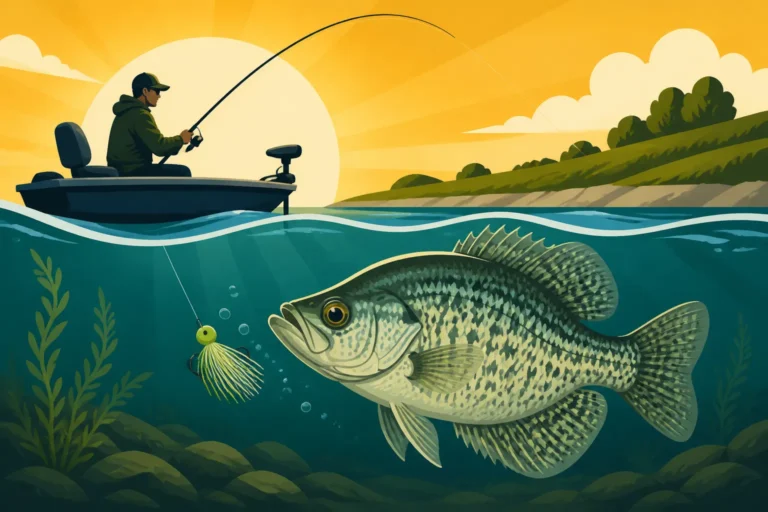
- Crappie: While often associated with boat fishing, crappie can be fantastic bank targets, particularly during the spring spawn. They move into shallower coves and brushy areas to lay their eggs, putting them well within casting distance from the shore.
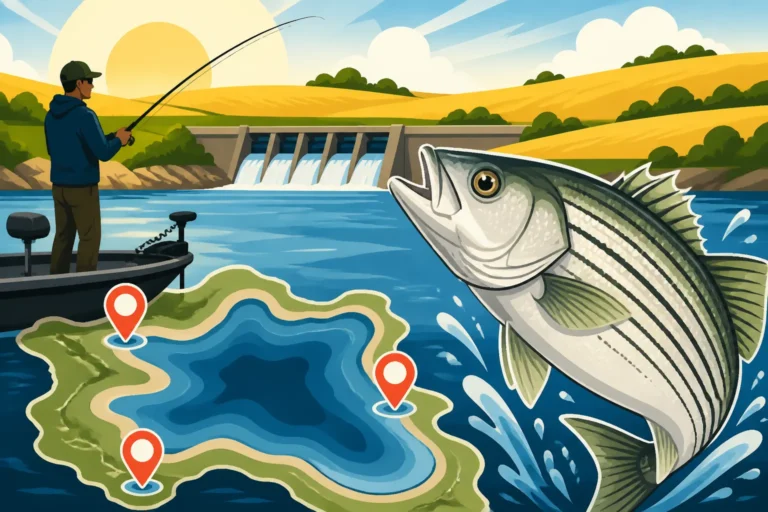
- White Bass: These feisty fighters are a blast from the bank, especially during their famous spring and fall runs when they school up in huge numbers and chase baitfish into shallow areas or upriver. Look for them feeding aggressively near points or inlets.
- Wipers (Hybrid Striped Bass): While more often found in open water, wipers sometimes chase baitfish into accessible areas, especially along main lake points or where current is present. They offer a thrilling fight if you can connect with one.
- Walleye: Though typically deeper-dwelling, walleye will move shallower to feed, particularly during low light conditions or when targeting specific structure like rocky points or rip-rap. Catching a walleye from the bank is a real treat!
Knowing what you’re likely to encounter helps you choose the right gear and bait, maximizing your chances for a successful outing. Don't underestimate the power of a well-placed cast from the bank – big fish lurk closer than you might think!
Prime Bank Fishing Locations at Tuttle Creek
Now for the good stuff! While a vast majority of Tuttle Creek is hard to reach without a boat, there are several standout spots that offer excellent public bank fishing opportunities. These are the places where you can comfortably set up shop, cast your line, and genuinely expect some action.
Tuttle Creek State Park Areas
The state park system around Tuttle Creek is truly your best friend as a bank angler. These areas are maintained, offer amenities, and most importantly, provide dedicated and accessible fishing spots. Keep in mind that a Kansas State Park Vehicle Permit for Anglers might be required for entry, so always check before you go.
- River Pond Area: Located on the western side of the lake, near the dam, the River Pond area is a fantastic, somewhat sheltered spot. It’s actually a smaller, separate pond fed by the lake, and it’s specifically managed for family-friendly fishing. You’ll find paved walking paths and easily accessible banks. This area is regularly stocked with trout during the cooler months, making it a hotspot for winter anglers. Beyond trout, you can find a good population of channel catfish, bluegill, and even some largemouth bass lurking in the quieter corners. The presence of submerged structure and brush piles makes it an ideal place to target crappie, especially in spring. For those without a boat, this is often the go-to.
- Fancy Creek Area: Head north on the western side of the lake, and you’ll find Fancy Creek State Park. This area is more exposed to the main lake and offers a variety of shoreline types. There are numerous coves and points that provide excellent access, especially if you're willing to walk a bit. The rip-rap along some of the roadsides and causeways here can be dynamite for walleye and wipers, particularly during windy conditions when baitfish are pushed against the rocks. Catfish congregate in the deeper channels near the old creek beds, and crappie can be found around the standing timber and brush in the quieter coves. The varying depths and structures here make it a versatile spot for different species and techniques.
- Cedar Ridge Area: Situated on the eastern side of the lake, Cedar Ridge offers another set of accessible spots. This area boasts some lovely picnic spots and a campground, making it perfect for a longer outing. The shoreline here features a mix of rocky points and more sheltered coves. The rocky points are great for targeting walleye and white bass, especially if you're casting crankbaits or jigs. The coves, particularly those with standing timber or submerged brush, are classic crappie and catfish haunts. During periods of stable water levels, you might even find some largemouth bass cruising the weed lines near shallower sections. It’s a bit more rugged than River Pond, offering a more traditional reservoir bank fishing experience.
Other Public Access Points
Beyond the main state park units, Tuttle Creek has several other public access points that can be incredibly fruitful for bank fishing, often with less competition.
- The Dam Area (below the dam): This might seem obvious, but the area directly below the main dam, particularly where the Republican River flows out, can be a fantastic bank fishing spot. The turbulent water and constant current create an oxygen-rich environment that draws in a lot of fish. This is a prime location for big channel and blue catfish, especially if you’re using cut bait or stink bait. White bass also congregate here during their runs, and you might even snag a wiper or a walleye. Access can be a bit challenging in some spots due to rip-rap and uneven terrain, so wear good boots and be careful. It's a high-reward area if you know what you’re doing.
- Rocky Ford Fishing Area: Just south of Blue Rapids, this area is another excellent spot along the Kansas River system before it fully broadens into the main lake. It features some easy bank access and deeper channels. Catfish are the main draw here, with plenty of channels and blues. You can also find good numbers of white bass, especially when they are making their runs. This spot offers a bit more of a riverine feel, and fishing the current seams with bottom rigs or jigs can be very productive. For specific guidance on river fishing, checking out a Kansas River Fishing Guide can give you some excellent pointers.
- Highway 16 Bridge Area: While it can be busy, the areas near the Highway 16 bridge on the northern end of the lake (where it crosses the lake's upper reaches) often provide good bank access, particularly on the downstream side where the water deepens quickly. This spot is great for catfish, as they relate to the bridge pilings and deeper channels. White bass also school up here, especially during low light. Always be mindful of traffic and parking if you choose this spot.
Essential Tips for Successful Bank Fishing
Getting to the right spot is half the battle; the other half is knowing how to make the most of your time on the bank. Bank fishing requires a slightly different approach than boat fishing, but it can be incredibly rewarding.
Choosing the Right Gear and Bait
Your gear setup doesn't need to be overly complicated for bank fishing, but having the right tools can make a huge difference.
- Rods and Reels: A medium to medium-heavy spinning rod, 7 to 9 feet long, is a versatile choice. The extra length helps with longer casts, especially useful for reaching deeper water from the bank, and makes it easier to keep your line out of shoreline snags. Pair it with a reliable spinning reel spooled with 10-20 lb monofilament or braided line. For catfish, consider a heavier setup, as outlined in a Best Bank Fishing Setup for Catfish guide.
- Terminal Tackle: You'll want a variety of hooks (circle hooks for catfish, jig heads for crappie and walleye), sinkers (slip sinkers, bell sinkers), and bobbers. Always carry extra, as snags are an inevitable part of bank fishing.
- Lures and Bait: This is where you can really tailor your approach.
- For Catfish: Live or cut bait (shad, sunfish), chicken livers, stink baits (like Triple S or Sonny's), or nightcrawlers are highly effective.
- For Crappie: Small jigs (1/16 to 1/8 oz) tipped with a minnow or soft plastic crappie tubes in colors like chartreuse, white, or black/blue.
- For Walleye: Jigs (1/4 to 3/8 oz) with curly tail grubs or paddle tails, suspending jerkbaits, or slip bobber rigs with a leech or a minnow.
- For White Bass: Small inline spinners (Roostertails, Mepps), Kastmasters, or small jigging spoons.
- General Tip: For specific bait recommendations, check out guides like Best Bait for Kansas Catfish or Kansas Trout Fishing Bait and Lures if you’re hitting the stocked ponds.
- Other Essentials: A comfortable chair, a cooler for drinks and fish, a pair of pliers for hook removal, a small tackle bag, a net for landing larger fish, and plenty of bug spray are all must-haves. A good headlamp is indispensable if you're staying for evening or night fishing sessions.
Reading the Water from Shore
Understanding what's happening beneath the surface is key, even without a fish finder. Look for visual clues and think like a fish.
- Structure: Any changes in the bottom contour or visible cover can hold fish. Look for fallen trees, rock piles, rip-rap, or even old tires. These offer ambush points and protection.
- Points and Coves: Points that jut out into the lake are natural highways for fish and often concentrate baitfish. Coves, especially those with brush or timber, offer calmer, warmer water perfect for spawning fish or those seeking shelter.
- Current: Even on a reservoir, subtle currents can exist, especially near inlets, outlets, or major channel swings. Fish often orient themselves to face the current, waiting for food to drift by.
- Water Color and Depth: Clearer water might call for lighter lines and more subtle presentations, while stained water allows for bolder colors and heavier lines. Pay attention to how quickly the bank drops off – a steep drop-off near shore means deeper water access.
You might not have the luxury of scanning with sonar, but by observing the shoreline, the wind direction, and what you know about the lake, you can make informed decisions about where to cast and what techniques to employ.
Regulations, Safety, and Further Exploration
Part of being a responsible and successful angler in Kansas means understanding the rules of the game. It’s not just about catching fish; it’s about doing it legally and safely.
Kansas Fishing Licenses and Permits
Before you even think about wetting a line, you need to make sure you're properly licensed. It's a common mistake, but an easy one to avoid.
- Fishing License: In Kansas, most anglers aged 16 through 74 need a valid fishing license. There are various types, from annual resident licenses to short-term nonresident options. You can find detailed information on costs and types in our comprehensive Kansas Fishing License Guide or specifically for residents, the Kansas Resident Annual Fishing License Costs $25.
- Trout Permit: If you're planning to fish for trout in a designated trout water, like the River Pond area at Tuttle Creek during stocking season (typically December through March), you'll also need a separate trout permit. This is an additional stamp on top of your regular fishing license. Learn more about the Kansas Trout Permit Guide if you plan to target them.
- State Park Vehicle Permit: As mentioned earlier, if you're driving into any of the Kansas State Park areas, you'll need a state park vehicle permit. This is separate from your fishing license. You can usually purchase these at the park office or kiosks.
It’s always a good idea to keep your license handy, either physically or digitally on your phone, in case a game warden asks to see it. Getting caught without one can lead to a fine, which definitely puts a damper on a relaxing day of fishing!
General Regulations and Conservation
Beyond licenses, Kansas has specific regulations about what you can catch, how many, and what sizes. These are in place to protect fish populations and ensure good fishing for everyone.
- Length and Creel Limits: Tuttle Creek Lake, like all public waters, has specific length and daily creel (bag) limits for various species. For example, there are specific limits for walleye, crappie, and catfish. It's vital to know these limits for the fish you're targeting. For instance, knowing the Kansas Crappie Length and Bag Limits or the Kansas Walleye Length Limits can save you from a potential penalty.
- Fishing Seasons: While most fishing seasons in Kansas are open year-round for many species, some, like paddlefish snagging or certain trout programs, have specific dates. It's wise to review the Kansas Fishing Seasons Guide to be fully prepared.
- Catch and Release: Consider practicing catch and release, especially for larger breeding fish, if you don't plan to eat them. This helps maintain healthy fish populations for future generations of anglers.
- Respect the Environment: Always pack out what you pack in. Leave no trace, and dispose of fishing line, bait containers, and other trash properly. This keeps our beautiful Kansas waterways clean and enjoyable for everyone.
For a full rundown of all the rules, grab a copy of the current Kansas Fishing Regulations Summary from the KDWP website or a local bait shop. It's your fishing bible!
Expanding Your Horizons with Local Knowledge
Even as a bank angler, local knowledge is invaluable. Talk to other anglers you see on the bank, visit local bait shops, and don't be afraid to ask questions. These folks often have the freshest insights into what's biting, where, and on what.
- Bait Shops: Stores like Manhattan Bait and Tackle or even larger retailers like Walmart often have local fishing reports and carry baits specifically proven for Tuttle Creek. Many small-town bait shops also double as local information hubs.
- Fishing Guides: If you're looking to gain a deeper understanding of the lake, even for future bank fishing trips, considering a guided trip can be hugely beneficial. Local guides know the lake intimately, understand fish patterns, and can teach you techniques specific to Tuttle Creek. Platforms like FishingBooker are excellent resources for finding experienced guides who can show you the ropes, even if it's just for a day to gain perspective on what fish are doing in certain areas, which you can then apply to your bank fishing efforts. Learning from a guide can drastically shorten the learning curve.
Ultimately, bank fishing at Tuttle Creek Lake is an experience that connects you directly with nature. With the right spots, a bit of preparation, and a healthy dose of patience, you can have some truly memorable days reeling in some fantastic Kansas fish.
Here's a quick reference for some of the common species you might target from the bank at Tuttle Creek and what they prefer:
| Fish Species | Preferred Bank Locations | Best Baits/Lures for Bank Anglers | Peak Bank Fishing Times |
|---|---|---|---|
| Channel Catfish | River Pond, Dam Area, Rocky Ford, coves with timber | Cut bait, chicken liver, stink bait, nightcrawlers | Spring, Summer (night), Fall |
| Crappie | River Pond, brushy coves in Fancy Creek & Cedar Ridge | Small jigs (tipped with minnow), soft plastics | Spring (spawn), Late Fall |
| White Bass | Dam Area, points in Fancy Creek, Highway 16 Bridge | Inline spinners, Kastmasters, small spoons | Spring run, Fall run |
| Walleye | Rip-rap in Fancy Creek, rocky points in Cedar Ridge | Jigs (curly tails), suspending jerkbaits | Low light (dawn/dusk), windy days |
| Largemouth Bass | River Pond, shallow coves with submerged vegetation | Worms, small crankbaits, spinnerbaits | Spring, Summer |
Disclaimer
Fishing conditions and regulations in Kansas can change. Always consult the latest Kansas Department of Wildlife and Parks (KDWP) regulations before heading out. The information provided here is for general guidance only.