Bank Fishing Techniques in Kansas
Ever feel like fishing without a boat means you're stuck on the sidelines, just watching the good spots float by? It’s a common frustration for many Kansas anglers who don't have access to a vessel or just prefer the simplicity of land-based angling. But the truth is, some of the most rewarding and relaxing fishing adventures happen right from the shore. This guide is all about unlocking the incredible opportunities of bank fishing in Kansas, equipping you with the techniques and knowledge to reel in impressive catches without ever stepping foot in a boat.
Understanding Kansas Bank Fishing Challenges
Bank fishing comes with its own unique set of hurdles, which can sometimes deter new anglers or frustrate seasoned ones accustomed to boat access. It's not just about throwing a line in; it's about strategizing within physical limitations and making the most of what the shoreline offers. Recognizing these challenges is the first step toward overcoming them and developing effective bank fishing techniques.
Limited Mobility and Access
One of the most obvious challenges of bank fishing is the restricted mobility. Unlike a boat that can traverse miles of water to find prime spots, you're often confined to a relatively small stretch of shoreline. This means you can't easily chase schooling fish across a reservoir or quickly move to a new area if your current spot isn't producing. You're dependent on public access points, which can sometimes be crowded or might not offer the most advantageous fishing positions. Private property restrictions also frequently limit where you can set up, making it crucial to know your fishing rights and boundaries, as detailed in the "Kansas Fishing Regulations Explained" guide.
Furthermore, getting to your desired bank fishing spot can sometimes be an adventure in itself. Uneven terrain, thick brush, mud, or steep banks can make accessing certain areas difficult, especially if you’re carrying a lot of gear. It often requires a bit of scouting and sometimes some physical effort to find that perfect, secluded casting lane. This limitation emphasizes the need for lightweight, portable gear and a strategic approach to selecting your fishing location.
Dealing with Shoreline Vegetation and Obstacles
Shorelines in Kansas are rarely perfectly clear. You’ll often encounter a variety of obstacles like submerged logs, dense cattails, overhanging trees, and rip-rap. While these can be excellent fish habitat, they also pose significant challenges for casting, retrieving, and preventing snags. Losing tackle to submerged brush or getting your line tangled in overhead branches is a common frustration for bank anglers.
Successfully navigating these obstacles requires careful casting, often adjusting your angle or technique to get your bait into the strike zone without getting hung up. It also means preparing with extra tackle, especially hooks and sinkers, because snags are almost inevitable. Understanding how fish relate to these types of cover is key; often, the most challenging spots to fish are precisely where the fish are hiding, waiting for an ambush.
Reading the Water from a Fixed Position
From the bank, your perspective of the underwater world is inherently limited. You can’t use a fish finder to scan vast areas or visually inspect large sections of the lake bottom like you can from a boat. This makes "reading the water" — understanding currents, depth changes, and bottom structure — a more intuitive and skill-based endeavor. You're relying more on observation, experience, and sometimes trial and error to locate fish.
Paying close attention to visible cues like ripples, eddies, baitfish activity, or changes in water color can provide valuable clues. Anglers often have to mentally map out the underwater landscape based on how their bait behaves as it sinks or is retrieved. This can be tough, but it also forces you to become a more observant and patient angler, developing a deeper understanding of fish behavior in relation to specific shore features.
Essential Gear for Kansas Bank Anglers
When you're fishing from the bank, portability and versatility are your best friends. You can't just load up a boat with everything you own. Instead, you need a streamlined setup that allows you to cover different techniques and target various species without being bogged down. Thinking strategically about your gear will make your bank fishing trips far more enjoyable and productive.
Rod and Reel Selection for Versatility
For bank fishing in Kansas, a versatile rod and reel combo is paramount. You want something that can handle a range of lure weights, cast a good distance, and has enough backbone to fight larger fish like catfish, yet still be sensitive enough for crappie or walleye. A medium to medium-heavy power spinning rod, typically in the 6.5 to 7.5-foot range, is an excellent choice. This length provides good casting distance without being unwieldy in brushy areas.
The reel should be a reliable spinning reel, a 2500 to 3000 series is usually a good fit, spooled with 8-12 lb monofilament or fluorocarbon, or perhaps 15-20 lb braided line for added strength and sensitivity. Braided line is particularly effective when fishing around snags, as its lack of stretch can help you pull free more easily. You can find a wide array of quality options for these versatile setups on Amazon, ensuring you get something durable without breaking the bank. For more specific recommendations, consider checking out guides like "Best Rod Length for Bank Fishing" or "Best Rod Power for Catfish".
Here's a quick reference table for common rod setups for bank fishing:
| Rod Power | Rod Length (feet) | Action | Ideal Line Weight (lb) | Target Species (Bank) | Common Technique |
|---|---|---|---|---|---|
| Medium Light | 6' – 7' | Fast | 4-8 | Panfish, Trout, Small Bass | Jigs, Small Spinners |
| Medium | 6.5' – 7.5' | Fast | 6-12 | Crappie, Walleye, Bass, Smaller Catfish | Jigs, Crankbaits, Live Bait |
| Medium Heavy | 7' – 8' | Moderate-Fast | 10-20 | Catfish, Larger Bass, Wiper | Heavier Rigs, Cut Bait, Frogs |
| Heavy | 8' – 10' | Moderate | 20-40 | Trophy Catfish, Carp | Bottom Rigs, Heavy Bait |
Compact Tackle Systems and Essentials
Since you'll likely be walking to your spots, a bulky tackle box is out. Opt for a compact tackle bag or a small backpack with multiple compartments. Fill it with essentials: a variety of hooks (J-hooks, circle hooks), sinkers (split shot, bullet weights, egg sinkers), swivels, and a few key lures. Soft plastics like curly tail grubs, tubes, and stick baits are highly versatile and effective for many species. A few small crankbaits or spinnerbaits can also be great for covering water.
Don’t forget crucial terminal tackle: forceps or pliers for hook removal, a small pair of line cutters, and extra line. A small landing net, especially one with a longer handle for reaching down banks, can be invaluable, particularly when targeting species like channel catfish or wipers. Think minimalist but prepared – every item should serve a purpose. Many anglers stock up on these compact tackle organization systems and bulk packs of terminal tackle through online retailers like Amazon to ensure they're always ready.
Comfort and Convenience Gear
Bank fishing is often about patience and comfort. A lightweight, portable folding chair or a bucket with a padded lid can make hours on the bank much more enjoyable. A good cooler, even a small soft-sided one, is essential for keeping bait fresh and your drinks cold, especially during the warm Kansas summers. Don't underestimate the importance of insect repellent, sunscreen, a hat, and polarized sunglasses – these will significantly enhance your experience.
Finally, consider a headlamp if you plan on fishing into the evening or at night. Night fishing can be incredibly productive for species like catfish and walleye, and a hands-free light source is critical for retying knots or baiting hooks in the dark. A small first-aid kit, even just some band-aids and antiseptic wipes, is also a wise addition to your bank fishing kit.
Top Techniques for Bank Fishing Success
Bank fishing isn't just about dropping a line in the water; it's about making strategic choices about where and how you present your bait. Understanding the most effective techniques can dramatically improve your success rate, turning a slow day into a memorable one. Each method has its own strengths, depending on the conditions, target species, and the specific spot you’re fishing.
Casting and Retrieve Strategies
When casting from the bank, you’re often trying to reach specific underwater features or cover that hold fish. Accuracy is key. Practice casting to hit precise spots near submerged logs, weed lines, or drop-offs. For species like bass, walleye, or white bass, covering water with various retrieve speeds and lure presentations is vital. Try fan casting – making casts in a fan pattern to cover a wider area – before moving to a new spot.
Vary your retrieve. Sometimes a slow, steady retrieve works best for wary fish, while other times a fast, erratic retrieve can trigger aggressive bites. Experiment with twitching, pausing, or jigging your lure. In clearer waters, a more subtle approach might be necessary, whereas in stained or murky water, lures with strong vibrations or bright colors can be more effective. Don't be afraid to change lures frequently until you find what the fish are responding to. This dynamic approach to "Kansas Walleye Fishing Techniques" is crucial from the bank.
Still Fishing with Live or Cut Bait
Still fishing is a classic and highly effective bank fishing technique, especially for species like catfish, carp, and larger panfish. This involves casting a weighted rig with live bait (like worms, minnows, or shad) or cut bait (chunks of shad, skipjack, or various prepared baits) and letting it sit on the bottom or suspend it at a specific depth. This method is incredibly productive when targeting dormant or less aggressive fish, as it gives them time to find and take the bait.
A popular setup for still fishing for species like channel catfish involves a slip-sinker rig. This rig allows the line to pass freely through the sinker, so fish can pick up the bait and move off without feeling the weight of the sinker, leading to a more natural presentation and fewer dropped baits. Using sturdy circle hooks with this method can also increase your hook-up ratio and reduce gut hooking, making for easier release if you're not keeping your catch. For detailed tips on this, refer to "Kansas Catfish Fishing Techniques".
Targeting Structure and Cover
Fish are almost always associated with some form of structure or cover. From the bank, you need to be a detective, looking for clues that indicate these fish-holding areas. This could be anything from visible submerged logs, rock piles, drop-offs, weed beds, or even changes in bottom composition. The deeper water near a sharp drop-off can be a highway for cruising fish, while a dense weed bed offers ambush points for bass and crappie.
When you find structure, concentrate your efforts there. Cast parallel to a weed line, drop your bait into pockets within vegetation, or work a lure slowly over rocky bottoms. Even small changes in the shoreline contour can indicate an underwater point or pocket where fish might congregate. A good practice is to make several casts to the same piece of structure from different angles to ensure you present your bait effectively to any fish holding there. Understanding how to find and fish these areas is critical, as many "Best Bank Fishing Spots in Kansas" are defined by their underwater structure.
Species-Specific Bank Fishing Strategies
Kansas offers an incredible diversity of fish species that can be successfully targeted from the bank. Each species has its preferred habitats, feeding behaviors, and vulnerabilities, meaning a "one-size-fits-all" approach simply won't cut it. By understanding the specific strategies for each, you can significantly increase your chances of a successful outing.
Catching Channel Catfish from Shore
Channel catfish are arguably one of the most popular and accessible species for bank anglers in Kansas. They are abundant, grow to respectable sizes, and readily bite a variety of baits. For bank fishing, focus your efforts in areas with moderate current, around submerged timber, brush piles, or deeper holes in rivers and lakes. Even shallow flats near deeper water can be productive, especially during low light conditions or at night.
The go-to bait for channel catfish is usually some form of stink bait, cut bait (shad or sunfish work wonders), or large chunks of worms. Use a simple bottom rig, such as a slip-sinker rig with a 1/0 to 3/0 circle hook. Cast your bait out, let it settle on the bottom, and wait. Catfish often cruise near the bottom, using their keen sense of smell to locate food. The early morning, late evening, and nighttime hours are prime for these whiskered warriors. Many anglers also find great success during the day, particularly after a good rain, as the runoff washes food into the water. If you want to dive deeper, check out "Kansas Channel Catfish Daily Limit" for specific regulations.
Bank Fishing for Crappie and Panfish
Crappie, bluegill, and redear sunfish are fantastic targets for bank anglers, offering fast action and delicious fillets. These panfish often congregate around submerged structure like brush piles, downed trees, docks, or thick weed beds. In the spring, they move into shallow coves and protected areas for spawning, making them very accessible from the bank. During other seasons, look for them around deeper structure.
For crappie, a lightweight spinning rod with 4-6 lb test line is ideal. Small jigs (1/32 to 1/8 ounce) tipped with a small minnow or a soft plastic grub are highly effective. You can fish them under a bobber or slow-retrieve them near structure. For bluegill and other sunfish, even simpler setups work, like a small hook with a piece of worm or a tiny jig under a bobber. Focus on visible cover and be patient. These fish often bite subtly, so watch your bobber or line carefully. Many of Kansas’s "Kansas Community Fishing Lake Rules" are specifically designed to make these species accessible to bank anglers.
Targeting Walleye and White Bass from the Bank
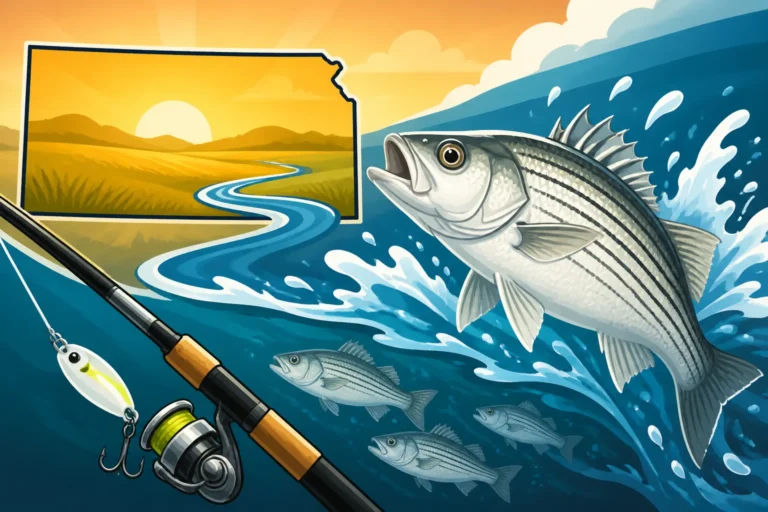
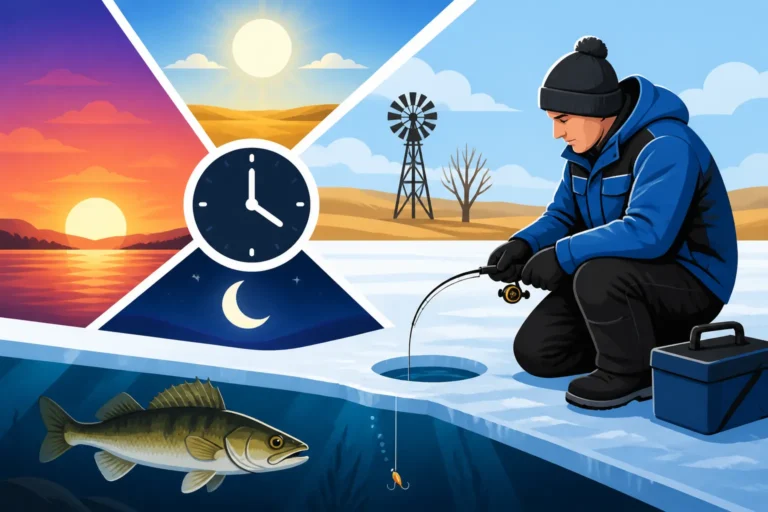
While often associated with boat fishing, walleye and white bass can be successfully caught from the bank, especially during their seasonal movements. Walleye will often move shallower during low-light conditions (dawn, dusk, and night) to feed, especially on rocky points, rip-rap areas, or main lake points where baitfish congregate. White bass are notorious for their aggressive feeding frenzies, particularly during their spring spawning runs up rivers and creeks that feed into reservoirs, like the Republican River arm of Milford Lake, as detailed in "Milford Lake White Bass Run".
For walleye, cast crankbaits, jerkbaits, or jigs tipped with live minnows or plastic trailers. Work these lures slowly along the bottom or near structure. The key is to be present during prime feeding times. For white bass, look for schooling activity or birds diving on baitfish. Small Kastmasters, jigging spoons, or white/silver inline spinners are deadly. Cast them out and retrieve them quickly to imitate fleeing baitfish. These fish are often found in large schools, so once you find them, the action can be non-stop.
Finding the Best Bank Fishing Spots
One of the biggest advantages of bank fishing is the sheer number of accessible locations if you know where to look. From massive reservoirs to small community ponds, Kansas offers a wealth of opportunities for anglers without a boat. Knowing how to identify and locate these spots is a game-changer.
Utilizing Public Access Points
Kansas is home to numerous public fishing areas, including state parks, wildlife areas, and city-managed community lakes, which often have designated bank fishing access. These spots are designed with anglers in mind, sometimes featuring accessible piers, clear shorelines, or parking close to the water. Checking the Kansas Department of Wildlife and Parks (KDWP) website is a fantastic resource for finding these locations. Many of the "Kansas State Fishing Lakes Guide" and "Kansas Community Lake Fishing Spots" will highlight areas specifically suited for bank anglers.
When exploring new areas, don't be afraid to drive around and look for pull-offs, public boat ramps (which often have good bank access nearby), or park entrances that lead to the water. Some of the most productive spots might be well-known and can get crowded, so plan to arrive early or during off-peak hours. Always respect private property signs and be mindful of where you park.
Identifying Natural and Man-Made Structure
As we discussed earlier, fish love structure. From the bank, you need to develop an eye for identifying potential fish-holding spots. Look for:
- Points and Coves: Points extending into the water often attract fish, especially walleye and white bass, as they provide current breaks and ambush points. Coves offer protection from wind and waves, making them ideal for crappie and bass.
- Drop-offs: A sudden change in depth can concentrate fish. While harder to see from the bank, you can often detect these by how your lure or bait falls through the water, or by observing contour maps if available.
- Submerged Timber and Brush Piles: These are crappie and bass magnets. Look for dead trees along the bank that extend into the water, or ask local tackle shops about known brush pile locations.
- Rip-rap: Rock-covered shorelines (rip-rap) found around dams, bridges, and causeways provide excellent habitat for walleye, smallmouth bass, and even catfish. The rocks create crevices for baitfish and crawfish, attracting predators.
- Weed Beds: Healthy aquatic vegetation offers cover, oxygen, and food for many species. Cast to the edges and pockets within these beds.
The Kansas River, for example, has numerous access points where you can target large blue catfish and flatheads, often holding around log jams and deeper bends. Referencing a "Kansas River Fishing Guide" can help pinpoint specific productive areas along its banks.
Leveraging Seasonal Movements
Fish behavior is heavily influenced by the seasons, and understanding these patterns is vital for bank fishing success.
- Spring: Many species move shallow to spawn. This is prime time for bank anglers targeting crappie, white bass, and bass in shallow coves and protected areas. The "Kansas Spring Crappie Fishing Tips" are particularly useful during this period.
- Summer: As water temperatures rise, fish often move deeper or become more active during cooler periods (dawn, dusk, night). Catfish are still very active, and you might find walleye on deeper points.
- Fall: Fish start feeding heavily in preparation for winter, often moving back to shallower depths. This can be fantastic for targeting bass, walleye, and crappie as they chase baitfish.
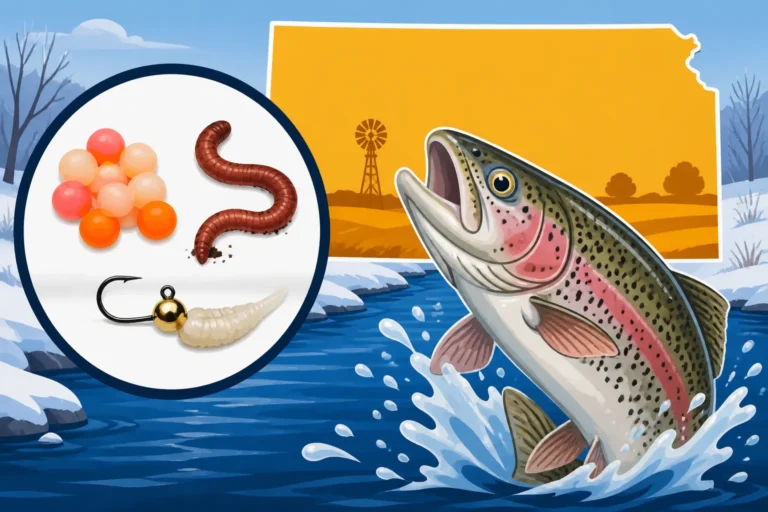
- Winter: Ice fishing becomes an option, but for open-water bank fishing, look for deeper holes or areas where the water stays warmer. Trout are stocked in many community lakes during the cooler months, providing excellent bank fishing opportunities. Knowing the "Kansas Fishing Seasons Guide" will help you plan your trips effectively.
Safety and Etiquette for Bank Fishing
Beyond the fun of reeling in fish, bank fishing in Kansas also comes with responsibilities. Prioritizing safety and respecting both your fellow anglers and the environment ensures everyone has a positive experience and that our natural resources remain healthy for future generations.
Personal Safety and Awareness
Your personal safety should always be your top concern, especially when fishing from potentially unstable or secluded banks.
- Footwear: Wear sturdy, closed-toe shoes with good grip. Riverbanks can be muddy, rocky, and slippery, and stepping on a broken hook or sharp rock is an easy way to ruin a day.
- Weather: Always check the weather forecast before heading out. Kansas weather can change rapidly. Be prepared for sudden storms, strong winds, or extreme temperatures. Dress in layers and bring rain gear if there's any chance of precipitation.
- Sun Protection: Even on cloudy days, UV rays can be intense. Sunscreen, a wide-brimmed hat, and polarized sunglasses are non-negotiable for protecting your skin and eyes.
- Hydration: Bring plenty of water, especially during the hot summer months. Dehydration can sneak up on you, even if you’re just sitting on the bank.
- First Aid: A small, basic first-aid kit in your tackle bag is a smart idea for minor cuts, scrapes, or hook punctures.
- Awareness: Be aware of your surroundings. This includes watching for snakes, ticks, poison ivy, and other wildlife. If fishing near roads or boat traffic, be extra vigilant. If you're fishing at night, a reliable headlamp is essential for visibility and safety.
Respecting Other Anglers and the Environment
Part of being a responsible angler is showing respect for those around you and the places you fish.
- Space: Give other anglers plenty of space. Casting over someone else's line or crowding into their spot is a definite no-no. A good rule of thumb is to give at least 20-30 feet of space, more if they're actively casting.
- Noise: Keep noise levels down. Loud music, shouting, or excessive splashing can disturb fish and other anglers.
- Trash: Pack out everything you pack in. Leaving trash, discarded fishing line, or bait containers behind is not only disrespectful but also harmful to wildlife and unsightly. Monofilament fishing line, in particular, is a major hazard for birds and other animals.
- Fish Handling: Handle fish gently, especially if you plan to release them. Minimize their time out of water, use wet hands when handling, and release them carefully. Understand and adhere to all "Kansas Fishing Seasons and Limits" for the species you are targeting.
- Property: If you are fishing on private land with permission, be extra respectful of the landowner's property. Close gates, don't damage fences, and leave no trace. If you're unsure if a spot is public, err on the side of caution and find another location.
Understanding Local Regulations
Every body of water in Kansas can have slightly different rules, in addition to statewide regulations. It’s your responsibility to know and follow these.
- License Requirements: Always ensure you have a valid Kansas fishing license. Most residents aged 16 to 64 need one, with various exemptions for seniors, youth, and disabled veterans. You can read up on these details in the "Kansas Fishing License Guide".
- Creel and Length Limits: Different lakes and rivers may have special regulations for certain species, overriding the general statewide limits. For example, some lakes might have specific length limits for crappie or walleye. Always check the KDWP fishing regulations summary for the specific body of water you intend to fish.
- Special Permits: Some areas, particularly state park lakes, might require an additional state park vehicle permit in addition to your fishing license.
- Prohibited Activities: Be aware of any rules regarding bait restrictions, snagging seasons, or restricted areas. For instance, while trotlines and jug fishing are legal in some areas, they have specific regulations and are usually not permitted in smaller community lakes.
By adhering to these safety guidelines and practicing good etiquette, bank fishing can be a truly rewarding and sustainable outdoor activity for everyone in Kansas.
Disclaimer
Fishing inherently involves risks. Always exercise caution, be aware of your surroundings, and prioritize personal safety. This guide provides general information and recommendations; however, conditions can vary, and it is the angler's responsibility to adhere to all local, state, and federal fishing regulations. Always check the latest regulations from the Kansas Department of Wildlife and Parks before heading out on any fishing trip.