How to Fish a Kansas Farm Pond
It can feel a little intimidating, standing on the bank of a serene Kansas farm pond, looking out at what seems like a perfect fishing spot, but wondering where to even begin. You might be staring at a beautiful stretch of water, brimming with potential, but without the hustle and bustle of a public lake, the rules and techniques can feel a bit mysterious. This comprehensive guide is designed to demystify the art of fishing these often-overlooked gems, providing you with actionable tips and strategies to consistently catch fish and make the most of your farm pond adventures.
Understanding the Unique Ecosystem of a Farm Pond
Farm ponds are much more than just smaller versions of our big Kansas reservoirs. They are unique ecosystems, often shallower, warmer, and more susceptible to environmental changes. This distinct character influences everything from the fish species present to their behavior and the best times to target them. Understanding these fundamental differences is key to unlocking their fishing potential.
The Dynamics of Pond Size and Depth
One of the first things you'll notice about farm ponds is their variable size and depth. Some might be just a few acres and quite shallow, while others can be larger and feature surprisingly deep pockets, especially near the dam or a natural spring. This directly impacts fish populations and where they choose to reside.
In smaller, shallower ponds, water temperatures can fluctuate rapidly, warming up quickly in the spring and summer, and cooling down just as fast in the fall. This often means fish will be more active in the mornings and evenings during warmer months, seeking cooler, deeper water or shade during the heat of the day. Conversely, larger, deeper ponds offer more stable conditions, providing refuges for fish during extreme weather. Knowing the general layout of a pond, including any deeper sections, can give you a significant advantage in locating fish throughout the seasons.
Common Fish Species in Kansas Farm Ponds
While you won't typically find large populations of walleye or striped bass in a Kansas farm pond, they are often teeming with other fantastic sport fish. The most common residents are usually largemouth bass, various species of catfish (channel cats being the most prevalent), and a healthy population of panfish like bluegill and crappie. These species thrive in pond environments, providing ample action for anglers of all skill levels.
Often, farm ponds are managed with specific species in mind, so you might find one pond is a bass factory, while another is known for its incredible bluegill. Don't be surprised to find some hefty channel catfish lurking in the depths, especially if the pond is fed by a creek or regularly stocked. Understanding what fish are likely present will help you select the appropriate tackle and techniques. For more specific information on what lurks in our waters, check out our Kansas Fish Species Guide.
Essential Gear for Your Pond Fishing Adventures
You don't need a boatload of fancy equipment to successfully fish a Kansas farm pond. In fact, one of the beauties of pond fishing is its simplicity. A basic setup, well-chosen, can often outperform a complicated array of gear when you know how to use it effectively. Think versatile, practical, and easy to carry.
The All-Purpose Rod and Reel Combo
For farm pond fishing, a medium-light to medium-action spinning rod, between 6 to 7 feet long, paired with a reliable spinning reel, is your best friend. This setup is incredibly versatile, allowing you to cast everything from light panfish jigs to heavier bass lures. It’s sensitive enough to feel subtle bites but has enough backbone to handle a feisty largemouth or a determined catfish.
I've found that a good quality 6'6" medium-action spinning rod with 8-pound monofilament or fluorocarbon line covers about 90% of what you'll encounter. You can find excellent beginner combos on Amazon that won't break the bank and will last you for many seasons. The key is to have something comfortable in your hand that you can cast accurately without tiring.
Go-To Baits and Lures for Ponds
When it comes to bait, simplicity and effectiveness are key. Live bait is almost always a winner in farm ponds. A bucket of worms (nightcrawlers or red wigglers) is universal for panfish, catfish, and even smaller bass. Minnows are fantastic for crappie and bass, especially if you know they're present.
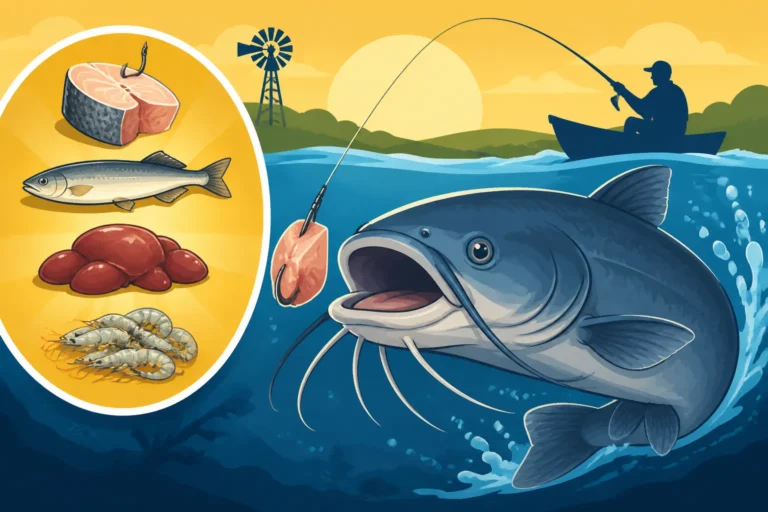
For artificial lures, start with a small selection that covers your bases. Soft plastic worms or creature baits rigged Texas-style are deadly for bass around cover. Small inline spinners or Beetle Spins are perfect for bluegill and can often entice crappie and even a curious bass. For catfish, stink baits or cut bait are highly effective. Don't overthink it; a few proven options are better than a tackle box overflowing with unused lures. For more on effective baits, you might enjoy our article on Best Bait for Kansas Catfish or Best Bait for Kansas Crappie.
| Species Targeted | Recommended Bait/Lure | Key Characteristics |
|---|---|---|
| Largemouth Bass | Plastic Worms, Jigs, Spinnerbaits, Crankbaits | Mimics natural prey, creates vibration or profile |
| Channel Catfish | Cut Bait, Stink Bait, Worms | Strong scent, natural food source |
| Bluegill/Sunfish | Worms, Crickets, Small Jigs, Tiny Spinners | Small, easy for panfish to swallow, visual appeal |
| Crappie | Minnows, Small Jigs, Tube Baits | Natural presentation, subtle action |
Effective Techniques for Farm Pond Success
Fishing a farm pond often comes down to observation and adaptation. Unlike vast lakes where fish might be spread out, pond fish are often concentrated around specific features. Learning to identify these spots and employing the right techniques will significantly boost your catch rate.
Bank Fishing Strategies
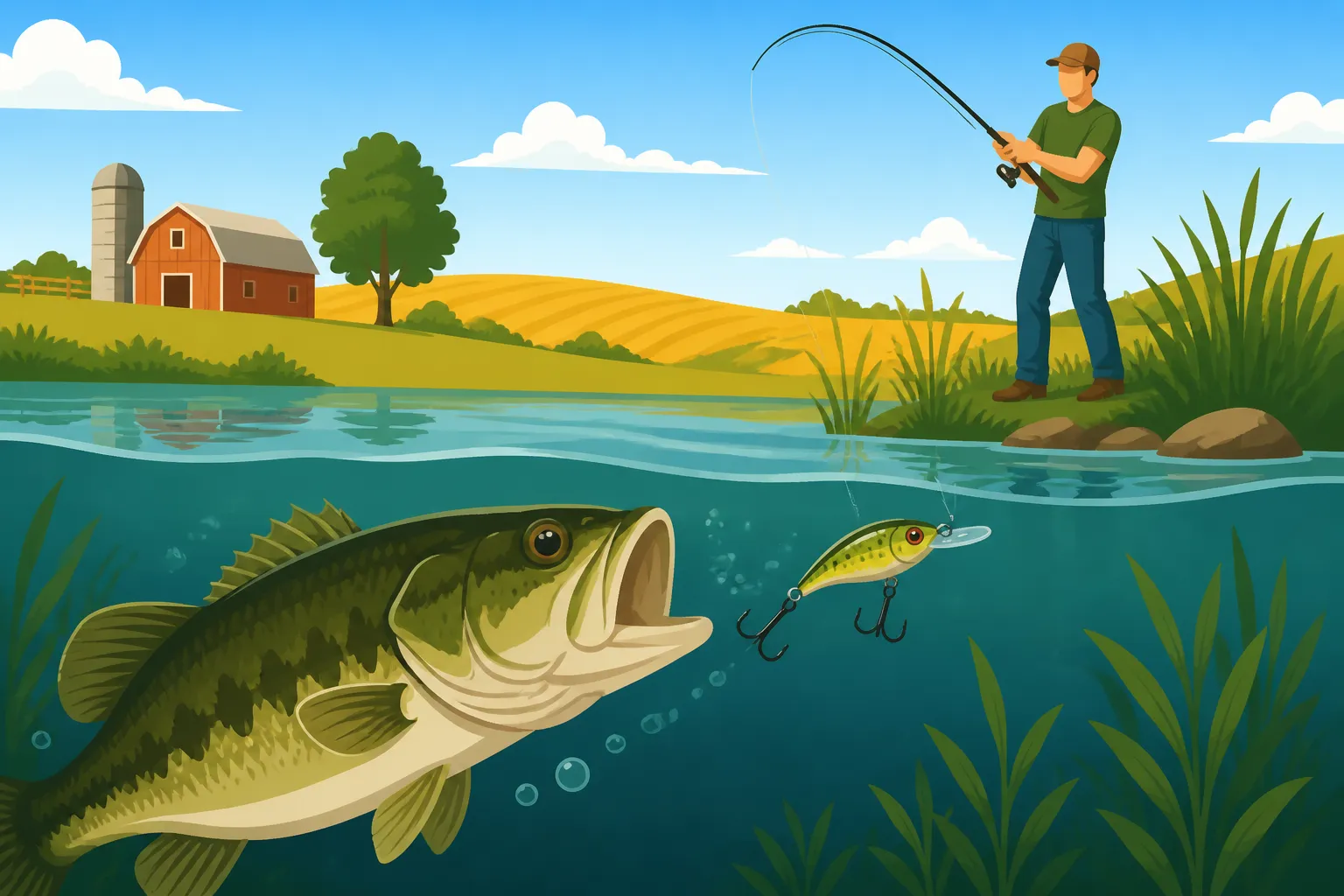
Most farm ponds don't have boat ramps, making bank fishing the primary method. This means you need to be strategic about your casting and approach. Look for features like submerged timber, weed lines, rock piles, or sudden changes in depth. These are prime ambush points for bass and crappie, and catfish will often patrol these areas for food.
Start by fan-casting to cover a wide area, paying close attention to any bumps or changes in the retrieve that might indicate structure or a bite. Don't be afraid to move around the pond. What works on one side might not work on the other due to wind, sun, or depth variations. A comfortable portable chair and a small tackle bag from Amazon can make moving around a breeze. For general tips, our Kansas Fishing Techniques for Beginners offers a great foundation.
Targeting Specific Pond Species
Once you've identified which species you want to target, you can fine-tune your approach. For largemouth bass, focus on structure. Cast soft plastics or spinnerbaits near fallen trees, lily pads, or brush piles. Work your lure slowly, allowing it to bump and crawl over obstacles, mimicking an easy meal. Bass are ambush predators, so patience and a keen eye for cover are crucial. Our Kansas Bass Fishing Guide has more in-depth bass techniques.
For crappie, look for deeper water near submerged brush or timber, especially during cooler months. In spring, they'll often move shallow to spawn. Small jigs tipped with a minnow or a soft plastic body, fished under a bobber, are deadly. Keep an eye out for "brush piles" or "crappie condos" that some pond owners might have intentionally placed.
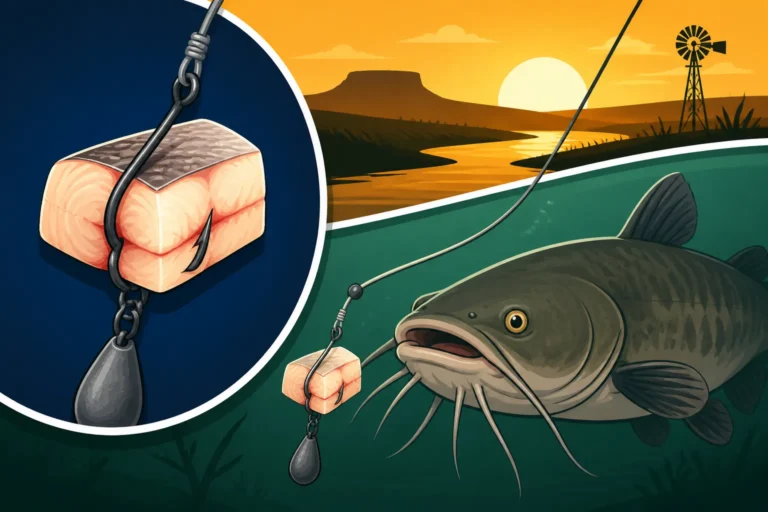
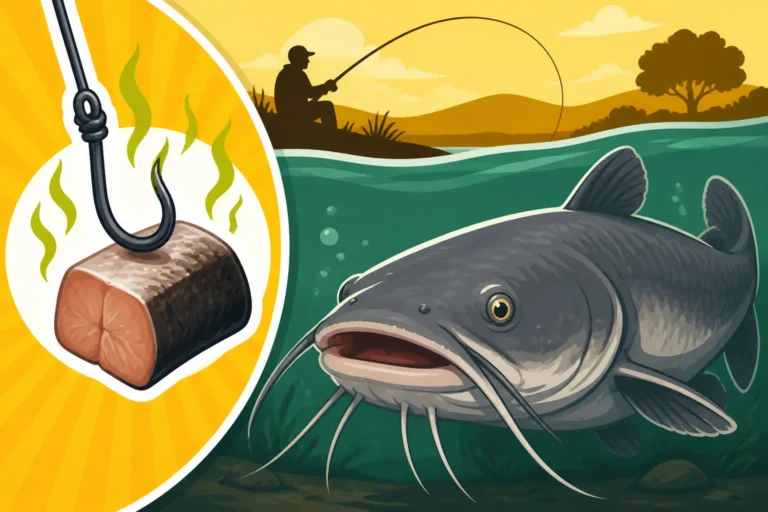
Catfish are less particular about cover and often roam the entire pond, especially in the evenings or after a rain. Fish your cut bait or stink bait on the bottom, using a slip sinker rig, near deeper holes or creek channels. Catfish have an incredible sense of smell, so scent is your ally here. You can learn more about this in our Kansas Catfish Fishing Techniques article.
Reading the Water and Seasonal Considerations
Farm ponds, like all fishing spots, change with the seasons and even with the daily weather patterns. Being able to read these subtle cues and adapt your approach will lead to more successful outings.
Locating Fish in Different Conditions
The key to finding fish in a pond is understanding their basic needs: food, cover, and comfortable water temperature. In the spring, fish will often be found in shallower, warmer waters, especially on the north-facing banks that get more sun exposure. This is when species like crappie and bass move in to spawn.
As summer heats up, fish will retreat to deeper, cooler water, or seek shade under overhanging trees, docks, or thick vegetation. Early mornings and late evenings become prime fishing times. In the fall, as temperatures cool, fish will often move shallow again, feeding aggressively to fatten up for winter. During winter, if the pond doesn't freeze solid, fish will be lethargic and hold in the deepest parts of the pond.
Wind can also play a significant role. A consistent breeze pushes baitfish and plankton to one side of the pond, and predatory fish will often follow. Don't shy away from fishing the windy side; it might be where the action is.
Maximizing Success Through Seasonal Adjustments
Your fishing strategy should always align with the season. In spring, when fish are shallow and spawning, slow presentations near visible cover are best. Think small jigs for crappie or soft plastic stick baits for bass. For more on the yearly cycles, refer to our Kansas Fishing Seasons Guide.
In summer, especially during the heat of the day, consider fishing early morning or late evening. If you must fish midday, focus on the deepest parts of the pond or dense shaded cover. Fishing at night can also be incredibly productive for catfish and even some bass. Remember to check local regulations or with the pond owner about night fishing rules.
Fall offers some of the most exciting pond fishing as fish are actively feeding. You can often have success with a wider range of lures and techniques, as fish are less selective. In winter, if the pond is accessible, target the deepest holes with slow, subtle presentations, perhaps a small jig with a piece of worm. The fish will be less active, so a light touch and patience are paramount. Remember, if you're fishing private water, you generally don't need a state license, but it's always good to be aware of the Kansas Fishing License Exemptions. However, you always need permission from the landowner!
Respecting the Resource and Landowner
Fishing a private farm pond is a privilege, not a right. Always ensure you have explicit permission from the landowner before stepping foot on their property. Building a good relationship with the landowner is crucial for continued access to these hidden gems.
Gaining Permission and Practicing Etiquette
Approach landowners respectfully and politely. Explain your interest in fishing their pond and offer to share your catch. Many landowners are happy to grant access, especially if you promise to respect their property. It's often helpful to offer to share information about the health of their fish population or any problems you observe, like excessive weed growth or signs of distress in the fish.
When on the property, treat it as if it were your own. Close all gates, park in designated areas, and avoid disturbing livestock or crops. Pack out everything you pack in, and then some. Leave no trash behind – not even fishing line scraps. Cleanliness and respect are paramount. If the pond is catch-and-release, honor that. If it's for harvest, take only what you need and what the pond can sustain.
Contributing to Pond Health
As an angler, you can contribute to the health of the farm pond. If you notice signs of overpopulation, especially with panfish, talk to the landowner about a strategic harvest. An overabundance of small bluegill can stunt the growth of other fish. Similarly, a healthy bass population helps keep panfish in check.
Sometimes, ponds can become overgrown with aquatic vegetation. While some weeds are good for fish habitat, too much can deplete oxygen. If you observe issues, mention them to the landowner. You might even find yourself participating in a pond clean-up or habitat improvement project, further solidifying your relationship and ensuring continued access to a fantastic fishing spot. Remember to always ask permission before taking any action on the pond itself.
Disclaimer
This article is for general informational purposes only and does not constitute professional advice. Laws, prices and regulations vary by location and change over time. Consult a qualified professional for guidance on your specific situation.