How to Catch Fish From a Kayak in Kansas
If you've ever stood on the bank of a beautiful Kansas lake or river, dreaming of reaching that perfect, untouched fishing spot just out of casting range, you're not alone. Many anglers feel limited by shore access or the expense and hassle of a full-sized boat. Kayak fishing offers an incredible solution, blending adventure with unparalleled access, and this guide is here to walk you through everything you need to know to get started and succeed on Kansas waters.
Why Kayak Fishing in Kansas is a Game-Changer
Kayak fishing has exploded in popularity, and for good reason. It offers a unique blend of portability, stealth, and direct connection with the water that larger boats simply can't match. But let's be realistic, Kansas also presents its own set of challenges, from relentless winds to vast reservoirs and sometimes unpredictable river currents. Understanding both the benefits and the hurdles is your first step toward becoming a successful kayak angler.
The Appeal: Access, Stealth, and Simplicity
One of the biggest draws of kayak fishing is the access it provides. Think about those hidden coves on Milford Lake or the tight bends of a smaller river that are just too shallow or narrow for a bass boat. A kayak can slip silently into these spots, taking you to pristine waters where fish might be less pressured. You're not just fishing from the water; you're truly part of it, feeling every ripple and subtle shift in current. This stealth factor is huge, especially when targeting wary species like walleye or largemouth bass that can be spooked by a noisy outboard motor.
Beyond access and stealth, there's a beautiful simplicity to kayak fishing. You don't need a massive truck or a specialized trailer; many kayaks can be car-topped or fit in a pickup bed. The maintenance is minimal compared to a motorboat, and the cost of entry is significantly lower. It's an opportunity to embrace a minimalist approach to fishing, focusing on your connection to nature and the thrill of the catch rather than the complexities of machinery. For those who love being out on the water but prefer a more intimate experience, kayak fishing in Kansas is truly unmatched. You can check out a comprehensive Kansas Fishing Gear Guide for a broader overview of what you'll need, but we'll dive deeper into kayak-specific gear here.
Common Hurdles for Kansas Kayak Anglers
While the appeal is strong, it's important to acknowledge the unique challenges you'll face when kayak fishing in Kansas. First and foremost, the wind can be a relentless foe. Our state is known for its wide-open spaces, and that means many lakes, especially large reservoirs like Cheney or Wilson, can get incredibly choppy very quickly. Paddling against a strong headwind, or trying to hold a position while casting, can be exhausting and frustrating. It’s crucial to check the forecast and understand your limitations.
Another consideration is the sheer size of some Kansas reservoirs. While kayaks offer access, covering vast distances can be tiring. You might not be able to chase a white bass school across an entire lake as easily as someone in a powerboat. River fishing presents its own challenges, primarily current management. Knowing how to read the water, position your kayak, and safely navigate rapids or logjams is essential. Finally, safety is paramount. Tipping, while rare in stable fishing kayaks, is a possibility. Exposure to sun, wind, and even cold water is a real concern. Being prepared for these elements is not just smart; it's non-negotiable for a safe and enjoyable trip.
Essential Gear for Kayak Fishing in Kansas
Getting started with kayak fishing requires a bit of thoughtful preparation. It's not just about tossing your regular rod and reel into a plastic boat. The right gear makes all the difference in comfort, safety, and your ability to actually catch fish. Think of it as tailoring your existing fishing setup to a new, exciting platform.
The Right Kayak and Paddle
Choosing the right kayak is arguably the most critical decision. For fishing in Kansas, you'll generally want a fishing-specific kayak, which tends to be wider and more stable than recreational models. Sit-on-top (SOT) kayaks are overwhelmingly popular for fishing due to their open deck space, ease of entry and exit (especially if you tip), and ability to drain water. They also offer a higher seating position for better visibility and casting. Many modern fishing kayaks even come with pedal drives or electric motor mounts, which can be a game-changer for covering distance on large reservoirs or fighting Kansas winds. These propulsion options free up your hands for fishing, which is a huge advantage.
When considering a kayak, think about where you'll be fishing most often. If you're tackling big water like Clinton Lake or Tuttle Creek, a longer, more stable kayak with good tracking will be beneficial. For smaller rivers or community lakes, a shorter, more maneuverable kayak might be better. Don't forget the paddle! A good quality, lightweight paddle of the correct length for your height and kayak width will save you a lot of fatigue over a day of paddling. You can find a huge variety of options, from basic models to advanced pedal drive systems, on platforms like Amazon, making it easy to compare features and read reviews before committing. For more on boat types, including kayaks, you might find the Best Boats for Kansas Reservoirs guide helpful.
Safety First: PFDs and Other Must-Haves
Let's be clear: safety is not optional in kayak fishing. Your personal flotation device (PFD) is your most important piece of gear, and it needs to be worn at all times. Not just in the boat, but on your body. A PFD designed for kayaking offers more mobility and comfort, so it's less cumbersome to wear for hours. Beyond your PFD, always carry a whistle to signal for help, especially on busy waters or in emergencies. A safety flag on a pole makes you more visible to larger boats, which is crucial on big reservoirs.
Consider a small dry bag for your cell phone, car keys, and any other essentials you absolutely cannot get wet. A first-aid kit is also a smart addition, tucked away in waterproof storage. Don't forget sun protection! Kansas summers mean intense sun exposure, so a wide-brimmed hat, sunglasses (polarized are great for spotting fish!), and sunscreen are non-negotiable. Being prepared for the elements, and potential mishaps, ensures your day on the water is fun and safe. A more detailed guide like the Kansas Life Jacket and Boating Safety Guide can offer additional crucial information.
Fishing Tackle and Accessories for the Kayak
Now for the fun stuff – your fishing gear! When fishing from a kayak, organization and space efficiency are key. Rod holders are a must, allowing you to paddle hands-free or rig multiple lines. Many kayaks come with flush-mount holders, but adjustable, deck-mounted holders are often preferred for trolling or specific presentations. Many kayak anglers use a milk crate or a specialized kayak tackle management system to keep gear organized, accessible, and contained. These often have built-in rod holders and can be lashed securely to the stern.
An anchoring system is incredibly useful for holding your position in wind or current. Options range from simple drag chains (great for slow drifts) to stake-out poles (ideal for shallow water) or even small collapsible anchors. Having a compact, easily deployable net is also crucial for landing fish, especially larger ones, to avoid handling them directly in the kayak where hooks can cause issues. A waterproof box for electronics like a small fish finder (if you choose to add one) is also a good idea. Remember, every item should be tethered or secured somehow; losing gear overboard is a common and frustrating occurrence in a kayak. For more specialized kayak fishing setups, you can refer to a dedicated Kansas Kayak Fishing Gear Guide.
| Essential Kayak Fishing Gear Checklist | Why It's Important for Kansas Anglers |
|---|---|
| Fishing Kayak (SOT) | Stability, open deck, easy re-entry, often pedal-drive ready for covering distance against wind. |
| Comfortable PFD | Non-negotiable safety item, must be worn at all times. Designed for movement. |
| Lightweight Paddle | Reduces fatigue, crucial for propulsion, especially in windy conditions or strong currents. |
| Rod Holders | Keeps rods secure while paddling, allows for multiple lines, frees up hands. |
| Tackle Crate/Management System | Organizes tackle, keeps gear accessible and secure, prevents items from rolling around or falling overboard. |
| Anchoring System (Stake-out pole/drag chain) | Essential for holding position in wind, current, or over structure; allows for precise casting. |
| Landing Net (Compact) | Safely lands fish without bringing hooks into the kayak, crucial for larger or toothy species. |
| Dry Bag | Protects electronics, keys, and phone from water. |
| Whistle & Safety Flag | Audible and visual signaling for emergencies and visibility to other boaters on large reservoirs. |
| Sun Protection (Hat, Sunglasses, Sunscreen) | Crucial for long hours on the water under intense Kansas sun. Polarized sunglasses help spot fish. |
| Water Bottle/Hydration Pack | Staying hydrated is key, especially during hot Kansas summers. |
| First-Aid Kit | Small, waterproof kit for minor injuries. |
Kayak Fishing Techniques for Kansas Waters
Once you've got your gear sorted, it's time to talk tactics. Fishing from a kayak offers some unique advantages in how you approach different species and water bodies. You'll often find yourself in spots inaccessible to larger boats, which means you might be presenting your bait to less pressured fish.
Targeting Kansas Reservoir Species from a Kayak
Kansas reservoirs are diverse, offering everything from walleye and crappie to bass and wipers. Each species demands slightly different approaches when you're in a kayak.
Walleye: These tasty fish often hug bottom structure. From a kayak, you can effectively troll small crankbaits or flicker shads along contour lines, especially around rocky points or submerged humps on lakes like Milford or Cheney Reservoir. The quiet nature of the kayak allows you to approach these areas without spooking fish. Jigging vertical presentations with spoons or soft plastics over known structure is also highly effective. Your ability to quietly reposition over a specific submerged rock pile with a light anchor or pedal drive gives you a distinct advantage. Remember to check out a Kansas Walleye Fishing Techniques guide for specific lure and bait recommendations.
Crappie: Crappie love brush piles, standing timber, and bridge pilings. Kayaks are perfect for navigating into dense cover where crappie often hide. You can spider rig with multiple light rods, presenting minnows or small jigs at different depths around structure. Alternatively, single-pole jigging, dropping a tiny jig directly into a submerged brush pile, is incredibly effective. Kayaks allow you to get right on top of these spots without the noise and draft of a bigger boat. Lakes like Hillsdale Lake or Clinton Lake are known for their crappie populations and are excellent kayak destinations.
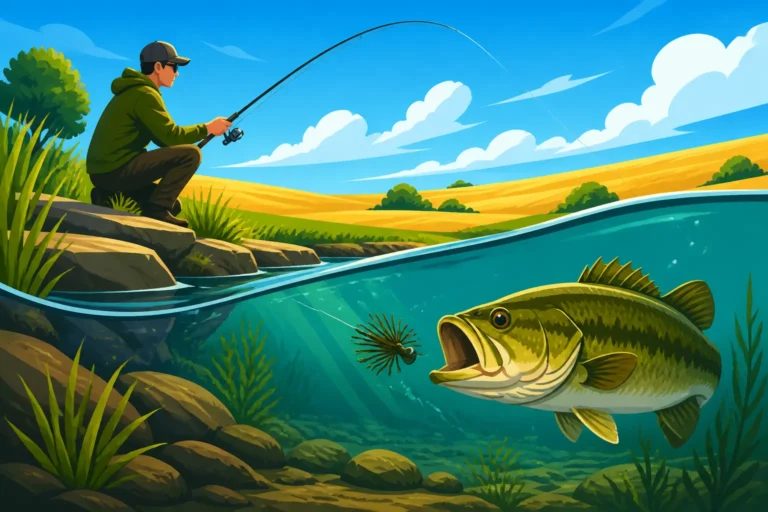
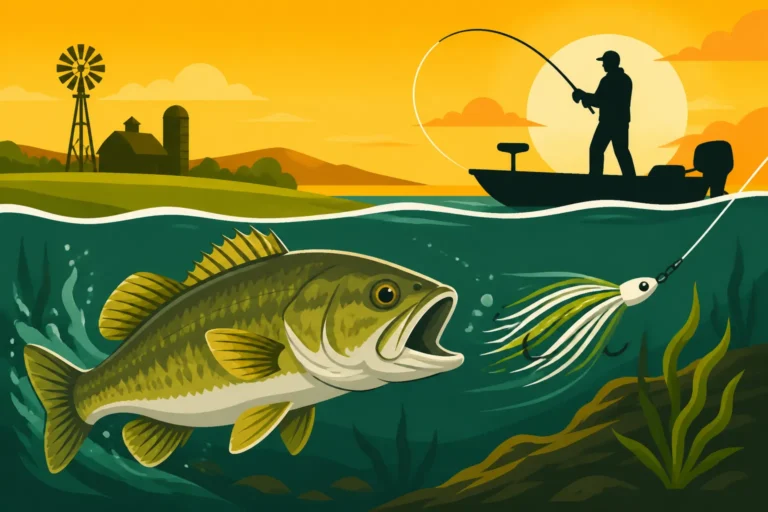
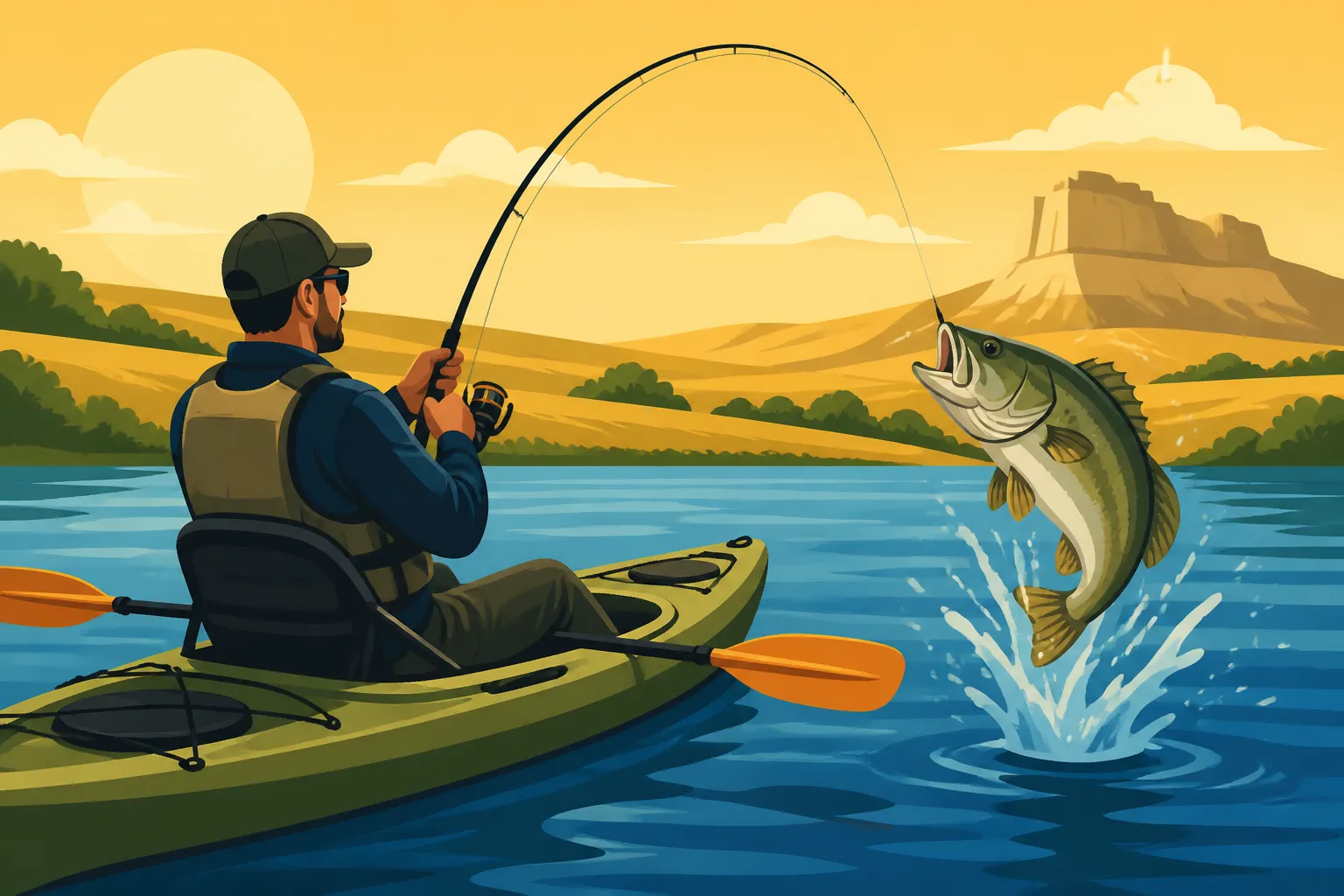
Bass (Largemouth & Smallmouth): Bass fishing from a kayak is incredibly popular. You can effectively work shorelines, pitching jigs, Texas-rigged worms, or spinnerbaits into submerged timber, weed lines, or rocky banks. The kayak's stealth lets you get close to cover without creating a disturbance. For smallmouth bass, focus on rocky points and humps, using small crankbaits or tubes. El Dorado Lake is a fantastic spot for bass, and its numerous coves and timbered areas are prime for kayak exploration.
White Bass/Wipers: When these schooling fish are busting bait on the surface, a kayak allows you to quickly paddle into casting range without the roar of an engine. Carry small spoons, Kastmasters, or topwater poppers to cast into the frenzies. Below dams, like at Milford Lake during the white bass run, your kayak can help you navigate currents to find the fish. Being able to move with the schools and quickly cast to them is key for these fast-moving predators.
River and Stream Tactics for Kayak Anglers
Kayak fishing on Kansas rivers like the Kansas River or smaller streams is a truly immersive experience, but it requires different skills than reservoir fishing.
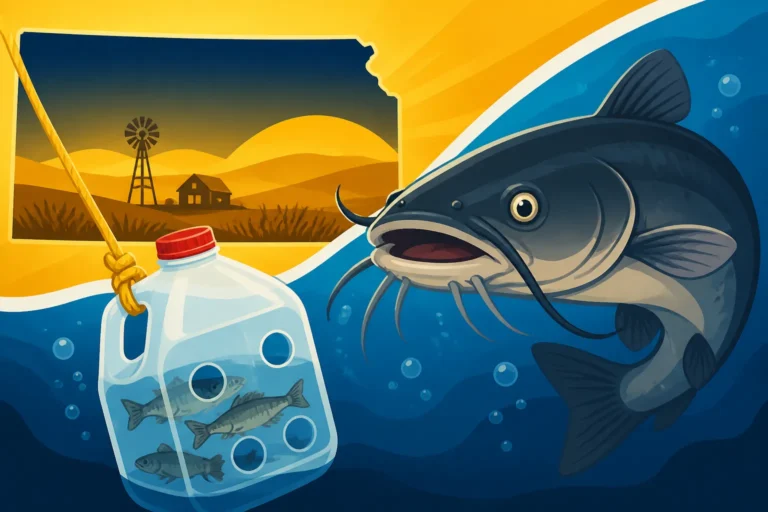
Catfish: Rivers are prime catfish territory. From a kayak, you can anchor yourself in strategic spots like current seams, deep holes, or downstream of logjams, and present cut bait or stink bait on bottom rigs. Your quiet approach won't alert these bottom dwellers. You can also slowly drift fish, allowing your bait to cover more ground, or even jug fish (where legal) from your kayak, retrieving your jugs as they drift. Check out our Kansas Catfish Fishing Techniques for detailed bait and rigging tips. The ability to access isolated stretches of river can lead to some truly impressive catches, especially for big blue cats and flatheads.
Smallmouth Bass & Panfish: Many smaller Kansas rivers and streams hold excellent populations of smallmouth bass, rock bass, and sunfish. Kayaks are ideal for floating these waters, allowing you to cast to eddies, riffles, and fallen trees. Light spinning gear with small crankbaits, jigs, or even flies can be highly effective. The quiet nature of your approach means you often get first crack at fish in less disturbed areas.
Dealing with Current: River current is a major factor. Learn to read the water for eddies (calm spots behind obstacles), current seams (where fast and slow water meet), and obstacles like logjams or rapids. Always understand your limits and don't attempt stretches of river that are beyond your skill level or where hazards are present. A light anchor or a drag chain can help you slow your drift and maintain control in moderate currents.
Managing Your Catch and the Elements
Keeping your catch fresh in a kayak requires some planning. For smaller panfish or crappie, a simple stringer trailing in the water works well. For larger fish like catfish or walleye that you intend to keep, a soft-sided cooler or a small hard cooler with ice is a good investment. Make sure it's strapped down securely!
Battling the elements from a kayak is also part of the experience. Wind can turn a pleasant paddle into a grueling workout. Learn to use the wind to your advantage where possible, planning your drifts. Hydration is critical, especially during the Kansas Summer Fishing Guide season. Carry plenty of water or a hydration pack. Sun protection, as mentioned earlier, prevents uncomfortable sunburns and heat exhaustion. Always be aware of weather changes, as a quick-moving Kansas storm can be dangerous on open water. Knowing when to call it a day is a sign of a smart and safe angler.
Choosing Your Kansas Kayak Fishing Destination
Kansas offers an incredible variety of waters for kayak anglers, from vast federal reservoirs to winding rivers and serene community ponds. Choosing your destination wisely can significantly impact your experience and success.
Top Reservoirs for Kayak Angling
Kansas's large reservoirs are iconic fishing destinations, and while they can be challenging on windy days, they offer incredible opportunities for kayak anglers.
Milford Lake: As the largest lake in Kansas, Milford offers immense potential. Its diverse structure, from rocky shorelines to flooded timber and numerous coves, provides habitat for walleye, crappie, white bass, and catfish. Kayaks excel at exploring the countless small coves and creek arms that larger boats might overlook or struggle to access. During the spring white bass run, the upper reaches of the Republican River arm are particularly good for kayak anglers looking to chase schooling fish. The sheer size means you can always find a protected area if the main lake gets too choppy. You might want to consult the Milford Lake Fishing Guide for specific hotspots.
Clinton Lake: Located near Lawrence, Clinton Lake is known for its excellent bass and crappie fishing. Its many timbered coves and standing timber provide perfect cover for these species, and kayaks are ideal for silently working these areas. The no-wake zones in many of Clinton's coves make it particularly pleasant for kayak fishing, reducing boat traffic and wakes. It's a fantastic option for a more peaceful reservoir experience.
Cheney Reservoir: While renowned for its walleye and wiper fishing, Cheney can be notoriously windy. However, on calmer days or in its protected bays, it offers fantastic kayak fishing. The shallow, weedy areas can be great for largemouth bass, while the main lake points and humps hold walleye. Kayak anglers need to pay close attention to weather forecasts when planning a trip to Cheney.
El Dorado Lake: This reservoir is another excellent choice for bass anglers, with good populations of both largemouth and smallmouth. Its clear water and diverse bottom structure, including rock and timber, make it a great place to explore by kayak. The lake's distinct coves offer plenty of protected water, even when the wind picks up on the main body.
Exploring Kansas Rivers and Smaller Lakes
Don't overlook the myriad of other water bodies that are perfect for kayak fishing, especially if you prefer smaller, more intimate settings.
Kansas River: Also known as the Kaw, the Kansas River is a fantastic destination for catfish, particularly blue cats and flatheads. Kayaks are superb for navigating the river, allowing you to drift or anchor in prime spots like deep holes, current breaks, and logjams. You can launch from various public access points along its length. The quiet nature of the kayak allows you to get close to cover without disturbing the fish. For more detailed information, our Kansas River Fishing Guide is an invaluable resource. Just be mindful of commercial and recreational boat traffic, especially closer to urban areas.
Community Fishing Lakes: All across Kansas, the KDWP manages numerous Community Fishing Lakes. These smaller, often urban or suburban, lakes are typically well-stocked with a variety of species, including channel catfish, crappie, bass, and panfish. They often have good bank access, but a kayak opens up even more water, allowing you to reach areas that bank anglers can't. These lakes are perfect for beginners, families, or anyone looking for a relaxed day on the water without the challenges of a large reservoir. Many have size or harvest limits designed to promote quality fishing.
Private Ponds: If you're lucky enough to have access to a private farm pond in Kansas, a kayak is absolutely the best way to fish it. These ponds often hold surprisingly large bass, crappie, and monster bluegill. The kayak allows you to quietly work every inch of shoreline, casting to cover that would be impossible to reach from the bank. Always remember to ask permission before fishing on private land.
No matter where you choose to launch your kayak in Kansas, remember to always have a valid Kansas Fishing License Guide and be aware of all local regulations. Your kayak is your ticket to some of the most serene and productive fishing spots our state has to offer.
Disclaimer
This article is for general informational purposes only and does not constitute professional advice. Laws, prices and regulations vary by location and change over time. Consult a qualified professional for guidance on your specific situation.