Best Time to Catch Catfish at Night
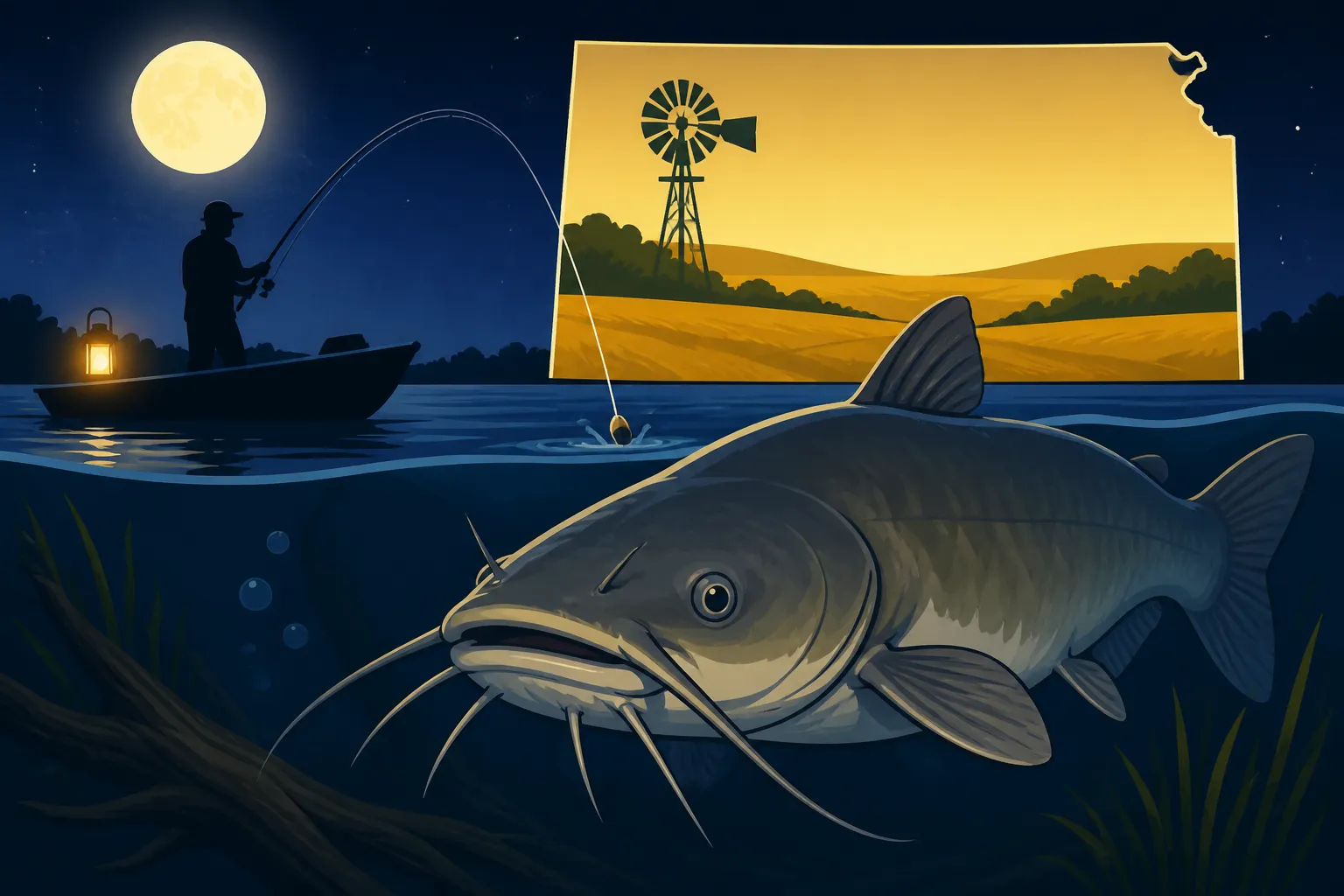
There’s nothing quite like the frustration of spending a beautiful Kansas day by the water, casting your line again and again, only to come up empty-handed while every bug in the county seems determined to join your personal space. If you’ve been struggling to land those whiskered warriors, it might be time to shift your strategy to the cover of darkness. This guide is all about helping you understand the absolute best times to catch catfish under the stars in Kansas, transforming those frustrating daylight hours into triumphant nocturnal adventures.
Why Catfish Become More Active at Night
It’s a common misconception that fish are always active during the day. For catfish, especially the larger ones, the night isn't just a good time to feed; it's often the best time. There are several compelling reasons for this nocturnal preference, and understanding them is key to maximizing your success. It’s not just about a change in lighting; it’s a whole ecosystem shift.
Reduced Predation and Competition
During daylight hours, many of the predators that prey on smaller catfish, or compete with larger ones for food, are out and about. Think about those sharp-eyed eagles, ospreys, and even larger game fish that rely on sight to hunt. When the sun goes down, their advantage disappears. This creates a safer environment for catfish, allowing them to venture out from their daytime hiding spots in deeper water or dense cover.
This shift means they’re more willing to cruise shallow flats, move into the backs of coves, and explore areas they might deem too risky during the day. For you, the angler, this means they become more accessible. You're not fighting against nature's spotlight; you're leveraging its cloak. Furthermore, with less competition from other species for prime feeding grounds, catfish have a more relaxed and opportunistic approach to their meals, making them more likely to investigate your bait.
Lower Water Temperatures and Oxygen Levels
Kansas summers can be brutally hot, and the surface water temperatures in our lakes and reservoirs can climb quite high. While catfish are hardy, these elevated temperatures can often mean lower dissolved oxygen levels, especially in shallower waters. As the sun sets and the air cools, the surface water begins to cool down too. This gradual cooling process helps to increase dissolved oxygen, creating a more comfortable and energizing environment for fish.
For big, active catfish, the cooler, more oxygenated water provides a much-needed reprieve. They feel more invigorated and are willing to exert more energy hunting for food. This is particularly true for larger species like blue catfish and flathead catfish, which often prefer cooler water. Understanding this temperature dynamic can help you pinpoint the precise areas where catfish will move once the sun dips below the horizon.
Enhanced Sensory Advantage
Catfish are naturally equipped for low-light conditions. They don't rely on sight as much as many other fish species do. Instead, they possess an incredible array of sensory organs perfectly adapted for navigating and hunting in darkness. Their barbels, those prominent whiskers around their mouths, are packed with taste buds and touch receptors. They can detect the faintest scent of food, feel vibrations from struggling prey, and even "taste" the water around them.
The lateral line system, another remarkable sensory tool, helps them detect changes in water pressure and vibrations, allowing them to navigate structure and locate food even in complete darkness. Their eyes, while not their primary hunting tool, are also adapted for low light. This means that when the sun goes down, catfish actually gain an advantage over many of their prey items and some competitors, making them bolder and more efficient hunters. Your stink bait or cut bait becomes an irresistible beacon in their world of heightened senses.
Prime Time Windows for Night Catfishing in Kansas
While "night" is generally good for catfishing, there are specific windows within the nocturnal period when your chances of hooking a trophy increase dramatically. It’s not always about staying out until dawn; often, the early hours of darkness or the periods around specific lunar phases can be the most productive. Understanding these nuances can help you plan your trips more effectively and make the most of your time on the water.
Early Evening: The Sunset Bite
The transition from day to night, often referred to as the "sunset bite" or "twilight bite," is consistently one of the best times to target catfish. As the sun begins to set and light levels diminish, catfish start to move out of their deeper, daytime holding patterns. They’ll often migrate towards shallower feeding areas, structure, or current breaks where they expect to find an easy meal. This movement is driven by the factors we discussed: decreasing light, cooling temperatures, and reduced pressure from other predators.
This period typically lasts from about an hour before sunset until a couple of hours after it's completely dark. During this time, they are often actively searching for food, making them quite aggressive and responsive to bait. This is a fantastic window to target areas like shallow flats adjacent to deep channels, submerged roadbeds, creek channels, and the edges of weed lines or timber. Remember, the fish are on the move, so being adaptable with your casting spots can pay off.
Midnight to Pre-Dawn: The Deep of Night Feast
As the night progresses, especially in larger bodies of water like Milford Lake or Cheney Reservoir, catfish may settle into more consistent feeding patterns, but they can still be incredibly active, particularly the larger specimens. The deep of night, from around midnight until just before dawn, is often when the biggest flathead catfish and blue catfish make their moves. These bigger fish are often more cautious and prefer the absolute cover of total darkness.
During these hours, the water temperatures are at their coolest, and boat traffic or other human disturbances are typically at their lowest. This can make the biggest, wariest catfish feel safe enough to venture into areas they might avoid even during the early evening. This is prime time for drift fishing or slow trolling in deeper sections of the lake or river, or targeting major structure in relative solitude. For blue cats, finding deep current seams or humps can be exceptionally productive during these dark hours. Always make sure you're familiar with the local rules, as detailed in the Kansas Fishing Regulations Explained guide.
Moon Phases and Their Influence
While not as critical as time of day, moon phase can absolutely play a role in night catfishing success. Many experienced anglers swear by certain moon phases, and there's some scientific backing to the idea that lunar cycles influence fish behavior.
- New Moon (Darkest Nights): Some anglers find the new moon phases, when the sky is darkest, to be the most productive. With no moonlight, catfish rely entirely on their superior senses of smell, taste, and vibration. This can make your bait incredibly effective. It’s when those really wary, big fish might feel most comfortable moving into shallow water.
- Full Moon (Brightest Nights): A full moon, on the other hand, can be a bit more unpredictable. Some argue the brighter conditions make catfish more skittish, pushing them deeper. Others claim the moonlight can mimic very low daylight, prompting a feeding frenzy. It often means adjusting your tactics; perhaps fishing slightly deeper or using larger, more scent-heavy baits to stand out. The brighter conditions might also mean catfish are spread out more, as they don't need to stick to the absolute darkest cover.
Ultimately, don't let a full moon deter you, but be prepared to experiment. Keep a fishing log, noting moon phases and your success, and over time you’ll start to see patterns emerge for your favorite Kansas fishing spots.
Gear and Techniques for Nocturnal Catfish
Fishing at night requires a bit more preparation and specialized gear than fishing during the day. Visibility is, of course, the biggest challenge, but with the right equipment and a few refined techniques, you can make your night fishing trips not only productive but also incredibly enjoyable and safe.
Essential Night Fishing Gear
You don't want to be fumbling in the dark, dropping your bait, or worse, losing a fish because you can't see what you're doing. A few key items can make all the difference:
- Headlamp with Red Light Option: This is non-negotiable. A bright headlamp allows you to tie knots, bait hooks, and navigate. The red light option is crucial because it helps preserve your night vision. White light can temporarily blind you to the subtleties of the darkness. Look for durable, waterproof options on Amazon.
- Rod Holders: Whether you’re bank fishing or on a boat, having sturdy rod holders is paramount. Catfish bites can be sudden and powerful, capable of pulling an unsecured rod right into the water. For bank anglers, sturdy bank sticks or tripod holders are a must. On a boat, flush-mount or rail-mount holders keep your rods secure.
- Lights for the Boat (if applicable): If you're on a boat, ensure your navigation lights are working and understand the rules for displaying anchor lights. Interior lights, ideally subtle ones, can help with visibility without ruining your night vision or spooking fish. For more on safe boating, check out our guide on Kansas Boat Registration for Anglers.
- Glow Sticks or Rod Tip Lights: These are invaluable for bite detection, especially if you’re using multiple rods. Simply attach them to your rod tips. A slight dip or violent shake of the glow stick is your signal to grab the rod.
- Heavy-Duty Net or Gaff: Catfish, especially large ones, can be difficult to land in the dark. A large, sturdy landing net or a gaff designed for big fish will make landing those monsters much safer and easier. Make sure it's easily accessible! For instance, a quality landing net can be found with a quick search on Amazon.
- Extra Batteries, First Aid Kit, Bug Spray: Don’t forget these essentials. Being stranded in the dark with a dead headlamp or suffering from bug bites isn't fun. A basic first aid kit is also crucial for any fishing trip, day or night.
Baits and Rigs for Nocturnal Success
Catfish are primarily scent feeders at night, so your bait choice is critical. While live baits can work for flatheads, strong-smelling baits are generally preferred.
- Scented Baits:
- Cut Bait: Fresh cut bait from oily fish like shad, carp, or even small panfish is a top choice. The scent trail it leaves in the water is irresistible to channel catfish and blue catfish. For flatheads, live bait like bluegills or goldfish is often preferred.
- Prepared Stink Baits: Commercial stink baits, dough balls, or cheese baits are incredibly effective for channel catfish. They come in various consistencies and scents.
- Chicken Liver: A classic for a reason. It’s bloody, soft, and puts out a strong scent.
- Effective Rigs:
- Carolina Rig (Slip Sinker Rig): This is perhaps the most popular and versatile rig for catfishing. It consists of a slip sinker above a swivel, followed by a leader and a hook. This allows the fish to pick up the bait and run without feeling the weight of the sinker, giving you a better chance to set the hook.
- Santee Cooper Rig: A variation of the Carolina rig, it includes a small float on the leader above the hook to keep your bait slightly off the bottom, making it more visible (or rather, "scentable") and less likely to get snagged.
- Three-Way Swivel Rig: Excellent for fishing with live bait or when you want to present two different baits at once. One eye of the swivel goes to your main line, another to a leader with your bait, and the third to a shorter leader with a weight.
When it comes to terminal tackle, don’t skimp on quality. Strong, sharp circle hooks are generally recommended as they tend to hook the fish in the corner of the mouth, making for easier release if desired and reducing gut hooking. For more detailed advice, check out our piece on Best Bait for Kansas Catfish.
Active and Passive Techniques
Night fishing for catfish isn't just about casting out and waiting; you can employ both active and passive strategies.
- Anchoring and Waiting: This is the classic approach. Find a promising spot – a channel edge, a hump, a log jam, or a drop-off – anchor up, and cast out multiple lines with different baits and rigs. This allows the scent to disperse and attracts fish to your location. This is often the best approach for targeting big flatheads with live bait, especially if you're fishing areas with heavy cover.
- Drift Fishing: When targeting channel or blue catfish on large reservoirs like El Dorado Lake or Tuttle Creek Lake, drift fishing can be incredibly effective. Let the wind or a slow current carry your boat (or even just your line if bank fishing a river) across promising areas. This allows you to cover a lot of water and present your bait to a wider range of actively feeding fish. Use a drift sock to control your speed if it’s too windy.
- Trolling: For blue catfish and even some channel catfish, especially in deep water, slow trolling with cut bait or large artificials can be a great way to locate active fish. This is more of a power-fishing technique that often works best in large, open water bodies. Our Kansas Catfish Fishing Techniques guide offers more insight.
Safety and Regulations for Night Fishing in Kansas
Night fishing is an incredibly rewarding experience, but it comes with its own unique set of safety considerations and regulatory requirements. Being prepared and informed is crucial to ensure a safe, legal, and enjoyable trip for everyone.
Navigating the Darkness Safely
The biggest challenge with night fishing is, without a doubt, visibility. What's a minor inconvenience during the day can become a serious hazard at night.
- Know Your Location: Scout your fishing spot during the day. Familiarize yourself with the terrain, obstacles, and potential hazards. If you’re on a boat, know the depths, submerged structure, and navigation routes. Never navigate unfamiliar waters at night.
- Buddy System: It's always a good idea to fish with a buddy, especially at night. There's safety in numbers, and an extra set of eyes and hands can be invaluable in an emergency.
- Communication: Ensure your phone is charged. Consider a weather radio for sudden storm warnings. If on a boat, a marine radio can be a lifesaver.
- Appropriate Clothing: Dress in layers, as night temperatures can drop significantly, even after a hot day. Wear bright colors if you're out of a boat near navigation channels, so others can spot you.
- First Aid and Emergency Gear: Always have a well-stocked first aid kit, extra water, a fire starter, and a whistle on hand. These are general outdoor safety tips, but they become even more critical when fishing in the dark.
- Watch for Wildlife: Nocturnal animals are out and about. Be aware of your surroundings and avoid disturbing wildlife.
Understanding Kansas Night Fishing Rules
Kansas has specific rules and regulations that apply to fishing, and some might have particular implications for night fishing. Always consult the latest Kansas Fishing Regulations Explained summary from KDWP (Kansas Department of Wildlife and Parks) before you head out.
- Fishing License: This goes without saying, but ensure your Kansas Fishing License Guide is current. Fishing without one can lead to fines and penalties, regardless of the time of day.
- Lighting Requirements (Boats): If you're fishing from a boat at night, you must have the appropriate navigation lights displayed. If you're anchored, you'll need an anchor light. Ignorance of these rules is not an excuse and can result in citations or, worse, collisions. Always check the specific requirements for your vessel size and type. For additional boat details, refer to Kansas Boat Registration Rules for Anglers.
- Prohibited Hours/Areas: While most public waters in Kansas allow 24-hour fishing, there might be specific parks or community lakes that have curfew hours or regulations restricting access after dark. Always check signage at your chosen fishing location.
- Method Restrictions: Some fishing methods, like snagging or trotline fishing, might have specific hours or seasonal restrictions that you need to be aware of, regardless of species. Always verify these rules, especially if you're using specialized gear for species like paddlefish, as covered in Kansas Paddlefish Snagging Season Dates.
- Creel and Length Limits: These limits remain in effect 24/7. Even in the thrill of a productive night, make sure you're adhering to all daily creel limits and length limits for species like walleye, crappie, and catfish. For specific details on catfish, refer to Kansas Catfish Daily Limits.
By taking these precautions and knowing the rules, you can focus on the pure enjoyment of night fishing, the serene quiet, and the thrill of battling a big Kansas catfish under the moonlit sky. It’s an experience truly unlike any other.
Table: Prime Night Catfishing Conditions by Species
To help you visualize the best conditions for different types of Kansas catfish at night, here’s a quick reference table. Remember, these are general guidelines, and local conditions can always vary.
| Catfish Species | Preferred Night Conditions | Best Baits for Night Fishing | Ideal Locations at Night | Night Fishing Tactics |
|---|---|---|---|---|
| Channel Catfish | Warm water, dark nights (new moon), early evening bite | Stink bait, cut bait, chicken liver, prepared baits | Shallow flats, creek channels, river bends, brush piles | Anchored, bottom fishing, drift fishing |
| Blue Catfish | Cooler water, deep of night, subtle current | Fresh cut bait (shad, carp), large chunks | Deep river channels, reservoir humps, dam outflows, current seams | Anchored, drift fishing, slow trolling |
| Flathead Catfish | Deep of night, new moon (absolute darkness), strong current | Live bait (bluegill, perch, sunfish) | Heavy timber, log jams, deep holes, scour holes, bridge pilings | Anchored, presenting live bait near structure, trotlines |
Disclaimer
This article is for general informational purposes only and does not constitute professional advice. Laws, prices and regulations vary by location and change over time. Consult a qualified professional for guidance on your specific situation.