Best Time to Catch Crappie at Dawn
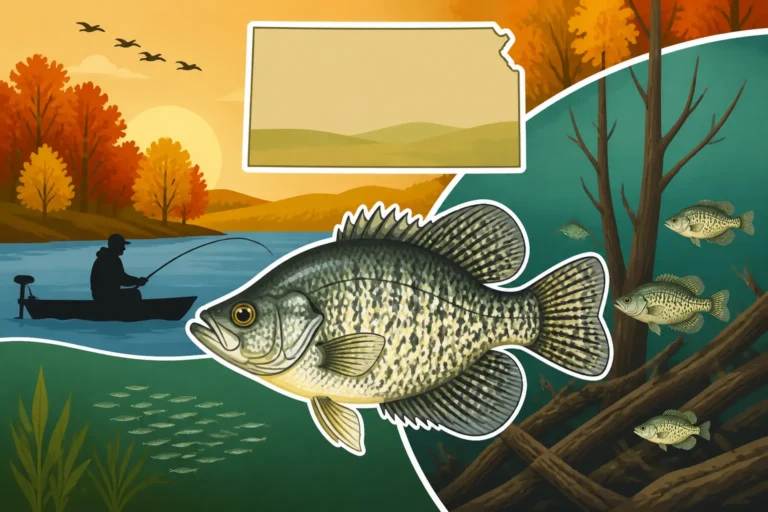
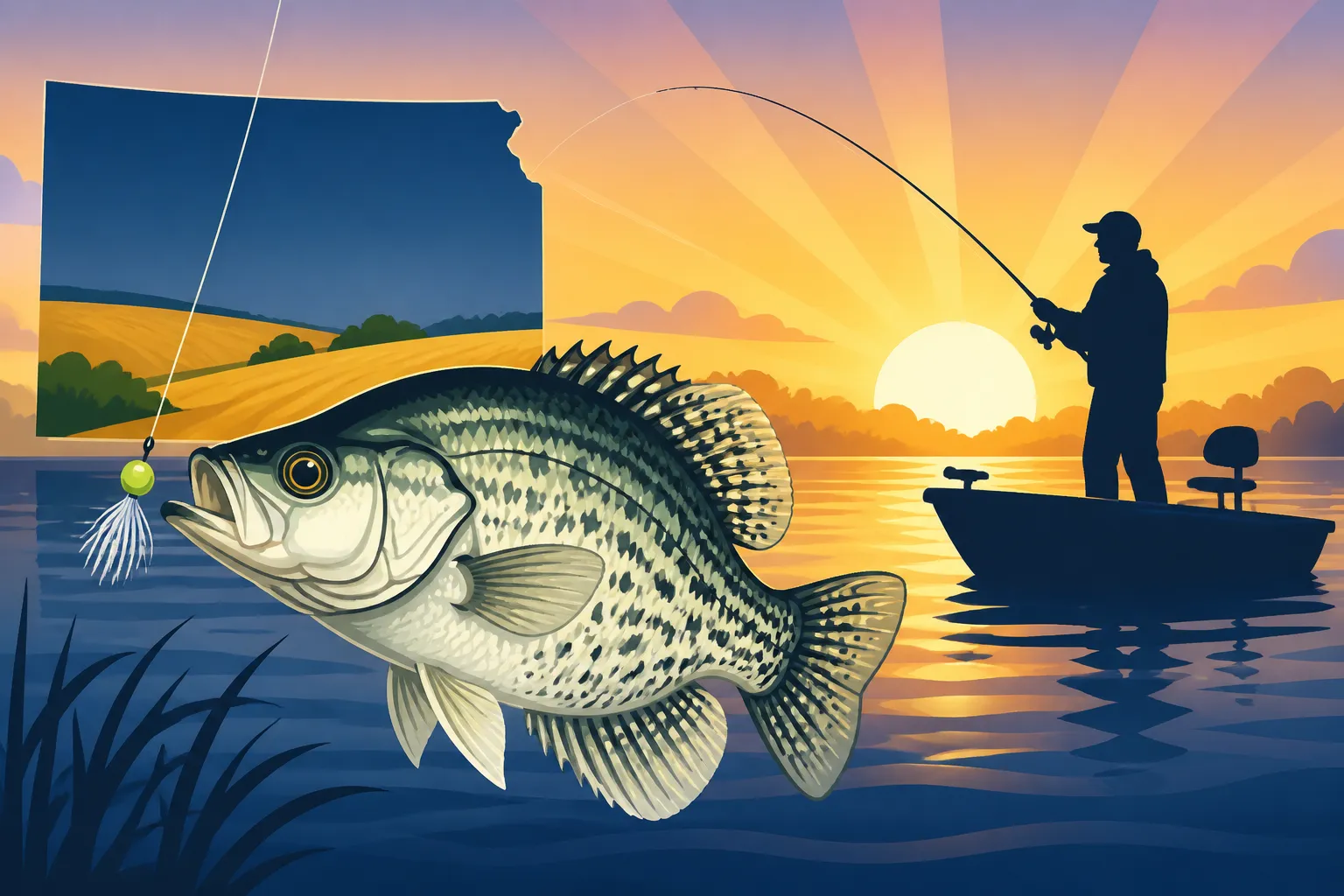
There's nothing quite like the promise of a quiet Kansas morning, the air crisp and cool, as you launch your boat or set up on the bank, hoping to be there just as the crappie decide to go on the feed. But figuring out that exact moment, that perfect window when the sun just begins to kiss the horizon and crappie become most active, can feel like chasing a phantom. This guide is here to unravel the mystery of the dawn bite, helping you pinpoint the best time to catch crappie right as the day breaks across our beautiful Kansas waters.
Why Dawn is Prime Time for Crappie in Kansas
Many seasoned anglers will tell you that the early bird gets the crappie, and there's a lot of truth to that old adage, especially when it comes to our beloved papermouths here in Kansas. Dawn offers a unique set of environmental conditions that often align perfectly with crappie's feeding habits, making those first few hours of daylight incredibly productive. It's not just folklore; it's rooted in their biology and the natural rhythm of the lake.
The Biological Rhythms of Crappie
Crappie are masters of transition. They aren't typically apex predators, meaning they're often prey themselves, especially when they're smaller. This vulnerability makes them strategic feeders, often preferring periods of lower light to ambush their own prey. As the first faint light of dawn spreads across the water, it triggers a shift in their behavior. The darkness that allowed larger predators to hunt is fading, but the full brightness of midday hasn't arrived yet, creating a 'sweet spot' for crappie to become more aggressive and less cautious.
This isn't just about safety; it's about opportunity. Their primary food sources, like small baitfish and insects, also become more active with the increasing light, moving out from cover to feed. This creates a convenient buffet for hungry crappie. In Kansas reservoirs and lakes, you'll often find crappie moving shallower or out of dense cover as dawn approaches, ready to capitalize on the emerging baitfish schools. Understanding these subtle shifts is key to anticipating their movements.
Water Temperature and Oxygen Levels
The hours just before and after dawn often present the most stable and comfortable water conditions for crappie, especially in fluctuating Kansas weather. Overnight, surface water temperatures generally cool, and as the sun begins to rise, it slowly starts to warm again. This period of gradual change, before the intense midday heat or the full chill of evening sets in, is often ideal. Crappie are cold-blooded creatures, and while they can tolerate a wide range of temperatures, they thrive and feed most actively when the water is within their preferred comfort zone.
Furthermore, dissolved oxygen levels can play a subtle but important role. During the night, aquatic plants consume oxygen through respiration. As dawn arrives and photosynthesis begins again with the sunlight, oxygen levels start to rise, invigorating the water and the fish within it. While this might not be a dramatic factor every single morning, the cumulative effect of comfortable temperatures and rising oxygen can make crappie more energetic and willing to chase a bait. This is particularly noticeable in certain areas of lakes, like near weed beds or where springs feed in, providing that little extra boost.
Preparing for a Successful Dawn Crappie Trip in Kansas
Hitting the water before the sun makes its full debut requires a bit more planning than a mid-day excursion. You're dealing with low light, potentially cooler temperatures, and the need for efficiency when that crappie bite window opens. Proper preparation not only increases your chances of success but also ensures your comfort and safety during those pre-dawn hours on a Kansas lake.
Essential Gear for Early Morning Anglers
When you're heading out to chase that dawn bite, a few pieces of gear become absolutely crucial. First and foremost, you'll need good illumination. A reliable headlamp is non-negotiable for tying knots, rigging baits, or navigating in the dim light. You want something bright enough to see what you're doing without being blinding. Beyond that, consider your clothing. Even if it's going to be a warm summer day, those pre-dawn hours can be surprisingly chilly, especially on the water. Layering is always a smart strategy.
Your fishing setup itself needs to be dialed in for crappie. A light to medium-light action rod, typically 6-7 feet long, paired with a sensitive reel spooled with 4-6 pound test line, is a fantastic general-purpose setup. When you're searching for new gear, many anglers find great options available through online retailers like Amazon, offering a wide selection of rods, reels, and specialized crappie tackle. Don't forget a pair of pliers, a small tackle box filled with your chosen jigs and hooks, and a net for landing those larger slabs. For more detailed gear advice, check out our guide on Best Rods and Reels for Kansas Fishing.
Pre-Dawn Scouting and Spot Selection
Finding crappie at dawn isn't just about being there; it's about being in the right place. Crappie are often creatures of structure, whether natural or man-made. This could mean submerged brush piles, standing timber, rock piles, ledges, or even dock pilings. During the low light of dawn, they're more likely to move out from the thickest parts of this cover to feed, but they won't stray far from it. If you have a fish finder, this is where it truly shines. Using it to identify submerged structure the day before or even in the fading light of evening can give you a massive advantage.
In Kansas, specific locations known for their crappie populations, such as Milford Lake or Cheney Reservoir, often have prominent structure that holds fish. Pay close attention to transition areas – where a creek channel meets a flat, or where shallow water drops off into deeper areas. These are natural ambush points for crappie. Even if you're not on a boat, identifying visible cover from the bank in areas like Kansas Community Fishing Lakes can point you to productive spots. Being stealthy is also key; approach your chosen spot quietly to avoid spooking any shallow-holding crappie.
Top Techniques for Dawn Crappie Fishing in Kansas
Once you're geared up and on your chosen spot, it's time to put your skills to the test. The dawn crappie bite can be fast and furious, but it often requires a nuanced approach. The changing light, fluctuating temperatures, and the fish's active but sometimes cautious demeanor mean adapting your presentation is crucial.
Jigs and Live Bait Strategies
For crappie at dawn, both jigs and live bait have their place, and often, the best strategy involves being prepared to use both. Small jigs, typically 1/32 to 1/16 ounce, in colors that stand out in low light – like chartreuse, white, or glow-in-the-dark patterns – are excellent choices. Tipping these jigs with a small minnow or a crappie nibbler can significantly increase your strike rate, adding scent and natural action. The key is a slow, deliberate presentation. Crappie aren't usually chasing aggressively at dawn; they're more likely to ambush.
Vertical jigging around structure is a highly effective technique. Drop your jig directly down into brush piles or along submerged ledges, giving it a subtle twitch. If crappie are suspended, you might need to experiment with different depths until you find where they are holding. For live bait, a small hook (size 4 or 6) with a lively minnow fished under a bobber can be incredibly deadly, especially if crappie are holding just below the surface or in very shallow cover. The natural movement of the minnow often proves irresistible. For more in-depth jigging tips, check out Jigging Techniques for Kansas Crappie.
Depth and Location Adjustments
Crappie movement patterns at dawn are heavily influenced by light levels and the availability of baitfish. As the first light appears, they often migrate from their deeper nighttime holding areas towards shallower feeding grounds. This means you might find them anywhere from a few feet deep to 15-20 feet, depending on the lake and time of year. Start by fishing the edges of structure or transition zones, and then gradually work your way deeper or shallower until you locate the school.
As the sun gets higher, crappie may retreat back to deeper, denser cover to escape the increasing light and potential predators. So, if the bite slows in the shallows, don't be afraid to move out to deeper brush piles or ledges. Pay attention to how the light penetrates the water; on cloudy mornings, crappie might stay shallower longer, while on bright, clear days, they'll seek deeper refuge more quickly. Being able to adapt to these subtle changes in depth and location is what separates a good crappie angler from a great one.
Here's a quick reference for popular crappie baits and lures at dawn:
| Bait/Lure Type | Ideal Conditions | Target Depth | Pros | Cons |
|---|---|---|---|---|
| Small Jigs | Low light, clear to stained water | Shallow to Mid-depth | Versatile, good action, various colors | Requires angler action, may need tipping |
| Jigs + Minnow | All conditions, especially cold | Shallow to Mid-depth | Irresistible scent/action, highly effective | Minnow care, slower re-baiting |
| Small Crankbaits | Searching, active fish | Shallow (trolling) | Covers water quickly, good vibration | Less subtle, might spook wary fish |
| Crappie Tubes/Grubs | All conditions, subtle bite | Shallow to Mid-depth | Simple, durable, good for slow retrieve | Less natural scent than live bait |
| Slip Bobber Rigs | Precise depth, light bites | Any depth with structure | Excellent for suspending bait, sensitive | Wind can be an issue, requires careful setup |
Seasonal Considerations for Dawn Crappie in Kansas
While dawn can be a productive time year-round, the specific behaviors and prime locations for crappie will shift with the seasons in Kansas. Understanding these seasonal nuances is critical to consistently catching fish.
Spring and Fall – The Golden Hours
Spring and fall are often considered the absolute best times for crappie fishing at dawn in Kansas, and for good reason. In spring, as water temperatures rise, crappie move into the shallows for their annual spawn. During this period, the dawn bite can be explosive. They'll be actively feeding before and after spawning, making them relatively easy to find near submerged brush, fallen trees, or dock pilings in just a few feet of water. The mild temperatures of dawn keep them comfortable in these shallow areas. Many anglers eagerly await the Kansas Spring Crappie Fishing Tips that guide them to these spawning hotspots.
Similarly, in the fall, crappie undertake a major feeding binge to build up reserves for winter. They'll move back into shallower bays and coves during low light periods, including dawn, chasing baitfish that are also fattening up. This "pre-winter" bite can be just as strong as the spring spawn. Look for them around points, channel swings, and deeper brush piles adjacent to flats. The cooler, crisp mornings of autumn create ideal conditions for crappie to be out and about, making them excellent targets during those first few hours of light. You'll find more insights in our Kansas Fall Crappie Fishing Tips guide.
Summer and Winter Challenges
Summer crappie fishing at dawn presents its own set of considerations. While crappie will still feed at first light, they tend to retreat to deeper, cooler water much more quickly as the sun climbs and temperatures soar. You'll often find them suspended over old creek channels, deep timber, or under shaded docks in 15-25 feet of water. The early morning gives you a brief window to target them before they settle into their deeper, often less active, daytime patterns. Focusing on precise depth control and presenting your bait directly to them becomes paramount. Check out our comprehensive Kansas Summer Fishing Guide for more advice on battling the heat.
Winter crappie fishing, particularly through the ice, is a unique experience. At dawn, crappie are often found in deeper basins or near prominent structure, but they may move shallower to feed under the ice. This bite can be subtle, requiring sensitive ice fishing rods and very small jigs, often tipped with a grub or a wax worm. The low light penetration through the ice at dawn often makes crappie more active than they would be later in the day when the bright sun might push them deeper or make them more lethargic. Our Kansas Ice Fishing Guide offers a wealth of information for those brave enough to venture out in the cold. Regardless of the season, understanding the crappie's current depth and preferred habitat at dawn is your surest path to success.
Disclaimer
This article is for general informational purposes only and does not constitute professional advice. Laws, prices and regulations vary by location and change over time. Consult a qualified professional for guidance on your specific situation.