Best Overall Gear Setup for a Kansas Beginner Angler
Embarking on the wonderful journey of fishing in Kansas can feel a bit overwhelming, especially when you start looking at all the gear out there. You walk into a store, and suddenly you're faced with an entire aisle of rods, reels, lures, and gadgets, and it's easy to feel lost and unsure of what you really need to get started without breaking the bank or buying unnecessary items. This comprehensive guide is here to cut through the noise, offering a practical, no-nonsense breakdown of the best overall gear setup for a beginner angler venturing into the diverse waters of Kansas.
The Essential Foundation: Rod, Reel, and Line Selection
Every angler's journey begins with a solid rod and reel setup. For beginners, versatility, ease of use, and durability are far more important than specialized, high-end equipment. You want something that can handle a variety of species and techniques you'll encounter across Kansas's many lakes, rivers, and ponds.
Starting Simple: A Versatile Rod and Reel Combo
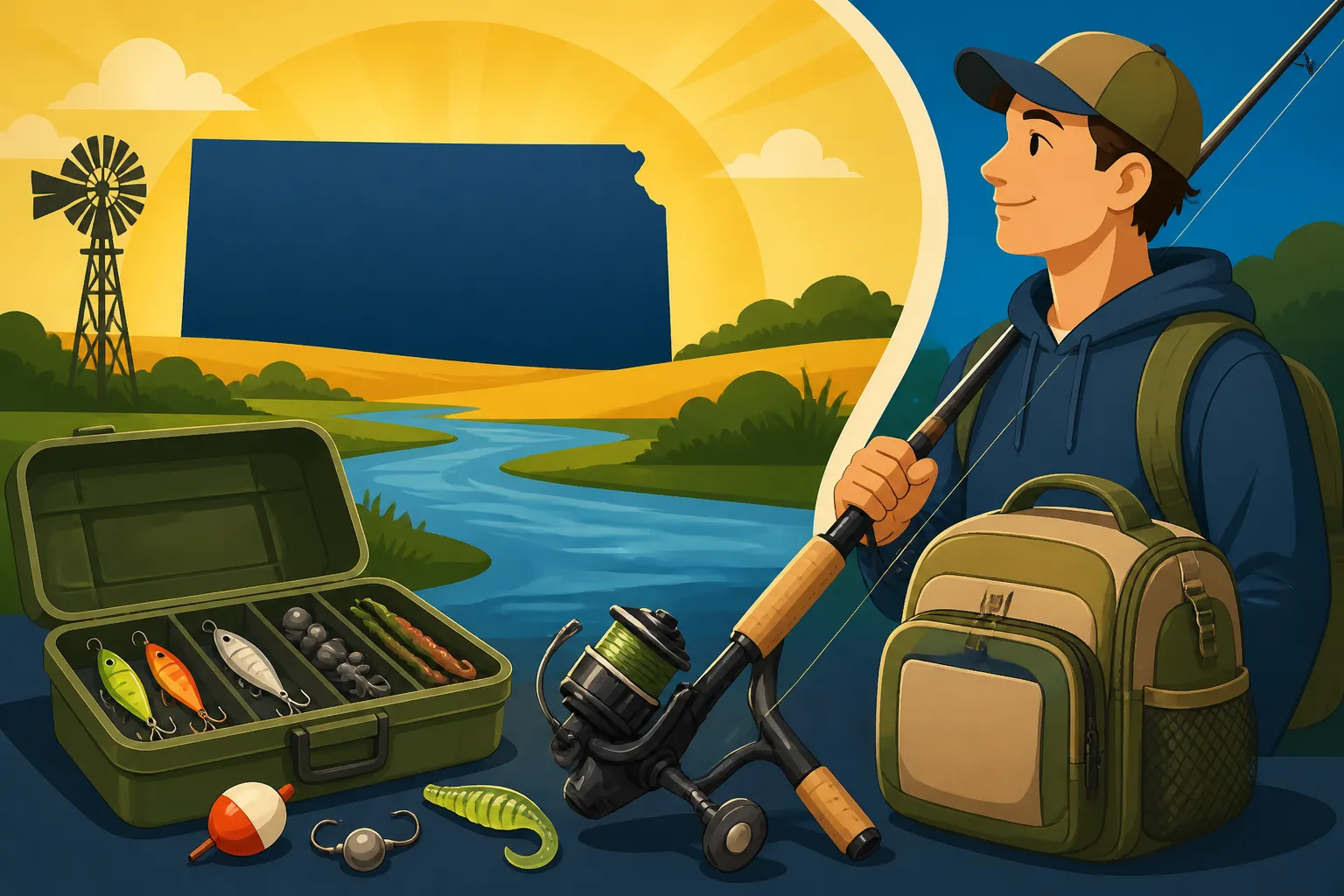
When you're just dipping your toes into fishing, a spinning rod and reel combo is almost always the way to go. Forget the baitcasters for now; they have a steeper learning curve and can lead to frustrating tangles (those notorious "bird's nests") that will quickly dampen your enthusiasm. A spinning setup is much more forgiving, easier to cast, and generally simpler to operate, making it perfect for building confidence.
I'd highly recommend looking for a medium-action spinning rod, typically in the 6-foot 6-inch to 7-foot range. "Medium action" means the rod will bend starting about halfway down its length, offering a good balance between sensitivity for lighter bites and enough backbone to handle larger fish. This length gives you decent casting distance from shore or a small boat, while still being manageable. This type of combo is incredibly versatile, capable of casting lighter lures for crappie and white bass, yet stout enough to tackle a decent-sized channel catfish or a feisty largemouth bass. You can find excellent beginner combos at most sporting goods stores, or even browse options on Amazon. Look for reputable brands that offer balanced sets, where the reel and rod are designed to work well together. Don't feel pressured to buy the most expensive gear; a mid-range combo will serve you well for years.
Choosing Your Line Wisely
Once you have your rod and reel, the next critical component is your fishing line. For beginners, monofilament (mono) line is king. It's inexpensive, easy to tie knots with, and has a good amount of stretch, which acts as a shock absorber when a fish strikes or makes a sudden run, preventing hooks from tearing out of their mouths. It also tends to be more forgiving with minor casting errors compared to braided line.
For general purpose fishing in Kansas, I'd suggest a 6- to 10-pound test monofilament line. This range is robust enough for most common species you'll encounter, from panfish to average-sized catfish, while still allowing you to cast lighter baits effectively. You can easily spool this onto your spinning reel at home, or many tackle shops like Bass Pro Shops will do it for you when you purchase a new reel. While braided line offers more strength and sensitivity, and fluorocarbon is nearly invisible in the water, these lines come with their own quirks that are better explored once you've gained more experience and confidence with the basics. Stick with mono to start; it's reliable and forgiving.
Tackle Box Essentials: What Every Beginner Needs
Your tackle box doesn't need to be overflowing with gadgets and gizmos. In fact, for a beginner, a minimalist approach is often best. Focus on the core items that will get you fishing effectively for the most common species in Kansas.
Hooks, Sinkers, and Floats
These three humble items form the backbone of many successful fishing rigs. They are universally useful and inexpensive, making them perfect for stocking your first tackle box.
- Hooks: You'll want a variety of sizes and styles.
- For panfish like bluegill and crappie, small Aberdeen or J-hooks in sizes #6 to #10 are ideal. These are thin-wired and won't overpower the small mouths of these fish.
- For channel catfish, which are abundant in Kansas, consider circle hooks in sizes #2 to 2/0. Circle hooks are fantastic for beginners because they are designed to hook fish in the corner of the mouth, reducing gut-hooking and making catch-and-release easier and safer for the fish. They often set themselves when the fish swims away with the bait, minimizing the need for a forceful hookset.
- For bass or larger species, a wider gap hook like an Extra Wide Gap (EWG) worm hook in sizes 1/0 to 3/0 will be useful if you venture into soft plastics.
- Sinkers (Weights): These help get your bait down to where the fish are.
- Split-shot sinkers are small, easy to crimp onto your line, and perfect for adding just a little weight to finesse presentations for crappie or bluegill.
- Slip sinkers (like egg sinkers or bullet weights) in 1/4 oz to 1 oz sizes are excellent for bottom fishing with live or cut bait, especially for catfish or when fishing in moderate current. They allow the line to slide through the weight, so a fish can pick up the bait without feeling immediate resistance.
- Floats (Bobbers): These indicate bites and keep your bait at a desired depth.
- Traditional round bobbers are fine, but clip-on or slip bobbers are often more versatile. Slip bobbers are particularly useful for fishing deeper water, as the line slides through them, allowing you to cast easily even with a long leader. They're fantastic for suspending a minnow for crappie or a worm for bluegill at a specific depth.
A small selection of these items will allow you to rig up for almost any common fishing scenario in Kansas. Consider picking up a small, multi-compartment tackle box to keep them organized.
Basic Lures and Baits
While live bait is often unbeatable, having a few versatile lures can open up new opportunities, especially when targeting predatory fish like bass and walleye.
- Spinnerbaits: These are fantastic search baits for bass and sometimes walleye. They're relatively weedless and create a lot of flash and vibration in the water, attracting fish. Start with a few in common color patterns like white, chartreuse, or black and blue, in 1/4 to 3/8 oz sizes.
- Crankbaits: These lures dive to different depths and mimic baitfish. A medium-diving crankbait in a natural baitfish pattern (silver/blue, shad colors) can be incredibly effective for walleye, white bass, and largemouth bass, especially when fishing rocky points or ledges. Best Lures for Kansas Walleye covers more specific options.
- Soft Plastics: Worms and grubs are incredibly versatile. A bag of curly tail grubs (like a 2-inch grub) on a small jig head can catch almost anything – crappie, bluegill, white bass, even small bass. Larger soft plastic worms (6-8 inches) are classic for largemouth bass. Have a few different colors, like green pumpkin or black.
- Jigs: Small marabou jigs or plastic tube jigs (1/16 to 1/8 oz) are deadly for crappie and white bass. They mimic small baitfish or insects and are easy to fish under a bobber or simply cast and retrieve.
- Natural Bait: Don't underestimate the power of natural baits!
- Worms (nightcrawlers, red wigglers): Universal bait for almost everything that swims. Easy to get, easy to use.
- Minnows: Live minnows are a crappie and white bass killer, especially fished under a slip bobber.
- Cut Bait/Stink Bait: For catfish, chunks of shad, carp, or prepared stink baits are often irresistible. You can find these at local bait shops or sometimes make your own. Best Bait for Kansas Catfish provides more detail.
When you're first building your collection, focus on versatility. A handful of effective lures and a reliable supply of worms or cut bait will cover most of your bases without cluttering your box.
| Item Category | Beginner Recommendation | Primary Use Case | Why it's good for beginners |
|---|---|---|---|
| Rod & Reel | 6'6" – 7' Medium Action Spinning Combo | Versatile for most Kansas species | Easy to cast, forgiving, handles various fish sizes. |
| Line | 6-10 lb Monofilament | All-around fishing, good knot tying | Inexpensive, stretchy (forgiving), easy to manage. |
| Hooks | #6-#10 Aberdeen/J-hooks | Panfish (Crappie, Bluegill) | Small, won't overpower small mouths. |
| #2-2/0 Circle Hooks | Catfish | Self-setting, reduces gut-hooking, safer for fish. | |
| Sinkers | Split-shot (assorted) | Light weight for panfish, subtle presentations | Easy to add/remove, versatile for various depths. |
| 1/4 oz – 1 oz Slip Sinkers | Bottom fishing for catfish, deeper water | Allows fish to take bait without feeling resistance. | |
| Floats | Clip-on or Slip Bobbers | Depth control, bite indication | Easy to use, visible, effective for suspending bait. |
| Lures | 1/4-3/8 oz Spinnerbaits | Bass, Walleye, searching | Weedless, good vibration, attracts active fish. |
| Medium-diving Crankbaits | Walleye, Bass, White Bass | Mimics baitfish, covers water, triggers reaction strikes. | |
| Small Curly Tail Grubs (2") | Panfish, White Bass, small Bass | Highly versatile, simple retrieve, effective on jig heads. | |
| Natural Bait | Worms, Minnows, Cut/Stink Bait | Universal appeal, often most effective | Irresistible to many fish, readily available. |
Beyond the Basics: Comfort and Safety Gear
While having the right rod and tackle is crucial, a truly great fishing experience also hinges on being comfortable and safe out on the water. Kansas weather can be unpredictable, and being prepared means you can focus on fishing, not on discomfort.
Personal Comfort Items
Spending hours outdoors means you need to protect yourself from the elements. Ignoring these can quickly turn a fun day into a miserable one.
- Sun Protection: The Kansas sun, especially during spring and summer, can be intense. A wide-brimmed hat is a must to protect your face and neck. A good pair of polarized sunglasses will not only protect your eyes but also help you see through the water's glare, potentially spotting fish or submerged structure. Don't forget sunscreen, even on cloudy days! Reapply it regularly, especially if you're sweating or splashing water.
- Insect Repellent: Depending on the time of year and location, mosquitoes, ticks, and other biting insects can be a real nuisance. Keep a travel-sized bottle of insect repellent with you. Nothing ruins a serene fishing trip faster than being swarmed by bugs.
- Appropriate Clothing: Dress in layers, as temperatures can fluctuate throughout the day. Moisture-wicking fabrics are excellent for warmer weather, helping to keep you cool and dry. In cooler months, a warm, waterproof outer layer is essential. Comfortable, sturdy shoes that can get wet or muddy are also highly recommended. There are many great options for outdoor clothing, and you can often find good deals on quick-drying shirts and hats on Amazon or at Bass Pro Shops.
Being comfortable allows you to stay focused and enjoy your time, rather than constantly battling the elements or distracting irritations.
Essential Safety and Convenience Tools
Beyond comfort, certain tools are simply indispensable for safety, convenience, and fish care.
- Pliers: A good pair of needle-nose pliers or multi-tool with pliers is invaluable for removing hooks, cutting line, and general repairs. Make sure they are sturdy and preferably have a corrosion-resistant coating.
- Small First-Aid Kit: Accidents happen, especially when handling hooks or walking on uneven terrain. A compact first-aid kit with bandages, antiseptic wipes, pain relievers, and any personal medications is a must-have.
- Landing Net: For larger fish, a landing net protects both you and the fish. Trying to hoist a big catfish or a lively bass onto the bank or into a boat by the line can lead to lost fish, broken lines, or injury to the fish. A rubberized net is gentle on fish scales and slime coat if you plan to release your catch. Best Net for Landing Kansas Catfish is a useful resource for specific recommendations.
- Multi-Tool or Knife: A reliable multi-tool or sharp knife can handle a myriad of tasks, from opening bait containers to cutting through tough lines or making emergency repairs.
- Life Jacket (PFD): Even if you're fishing from the bank, if you plan to wade or are near deep, swift water, wearing a life jacket is a smart move. If you're on a boat, it's absolutely non-negotiable. Ensure everyone on board has a properly fitting life jacket. Safety should always be your top priority. For rules and requirements, check out Kansas Boating Safety Equipment Requirements.
These items might seem like extras, but they contribute significantly to a safe and enjoyable outing, ensuring you're prepared for whatever the day throws at you.
Organizing Your Gear: Keeping It Simple
Once you've started accumulating gear, keeping it organized becomes paramount. A messy tackle box leads to wasted time, frustration, and potentially lost or damaged items. For a beginner, simplicity is key.
Tackle Boxes and Bags
You don't need a huge, heavy tackle box that's difficult to carry. Start with a small, lightweight tackle box or a soft-sided tackle bag. These are much easier to transport, especially if you're hiking to a fishing spot or bank fishing. Look for one with adjustable dividers so you can customize compartments for your hooks, sinkers, and small lures. A soft-sided bag often has external pockets for pliers, sunscreen, or a small water bottle.
The key is to only bring what you need for a particular outing. Overpacking leads to a heavier load and more time searching for that one specific lure you think you might need. As you gain experience, you'll learn what specific items you use most often and can refine your carry-along setup. For more advanced organization tips, you might check out Best Tackle Box Organization for Multiple Species.
The Importance of a Cooler
A cooler is more than just a place to keep your sodas cold. It serves several vital functions for a Kansas angler.
- Hydration and Snacks: Long days on the water can be dehydrating. A cooler filled with water, sports drinks, and snacks is essential for staying energized and hydrated.
- Bait Storage: If you're using live bait like minnows or worms, a cooler can help keep them alive and lively, especially in warm weather. Some anglers even use a small, insulated bait bucket with an aerator, kept inside a larger cooler, to maintain optimal temperatures for their bait.
- Keeping Your Catch Fresh: If you plan to keep fish for dinner, a cooler with ice is absolutely crucial. Getting your catch on ice quickly preserves its quality and makes for a much better meal later. Nobody wants a cooler full of warm, mushy fish.
Choosing the right size cooler depends on your typical trip duration and how many fish you might keep. For a beginner, a mid-sized cooler (20-40 quarts) is usually a good starting point, offering enough space without being cumbersome.
In conclusion, becoming a successful angler in Kansas doesn't require an arsenal of expensive gear. By focusing on a versatile spinning combo, a few essential tackle items, basic comfort and safety provisions, and smart organization, you'll be well-equipped to enjoy countless hours on the water. The joy of fishing is often found in its simplicity, and a well-chosen, straightforward gear setup allows you to truly appreciate that.
Disclaimer
This article is for general informational purposes only and does not constitute professional advice. Laws, prices and regulations vary by location and change over time. Consult a qualified professional for guidance on your specific situation.