Largest Fish Species in Kansas Lakes
Kansas lake fish species including forty pound catfish and twenty five inch walleye, plus the environmental factors affecting growth.
Know what’s on the line.
Gamefish and panfish profiles — identification, behavior, feeding habits, and species-specific strategies for every catch.
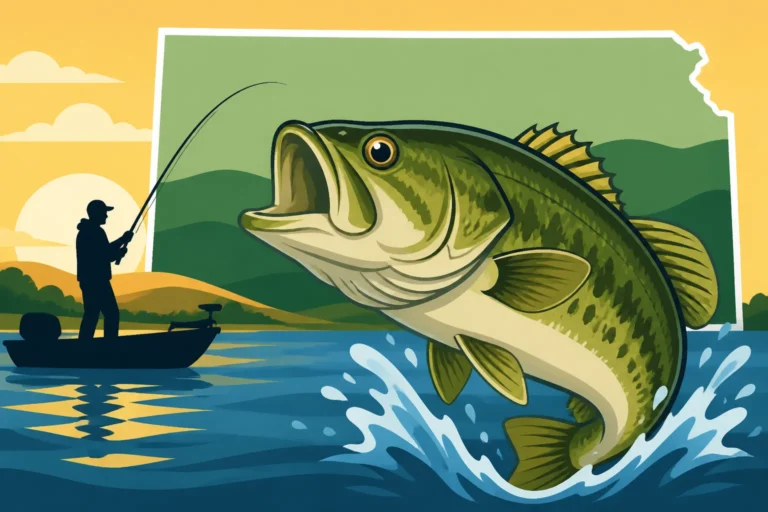
Kansas lake fish species including forty pound catfish and twenty five inch walleye, plus the environmental factors affecting growth.
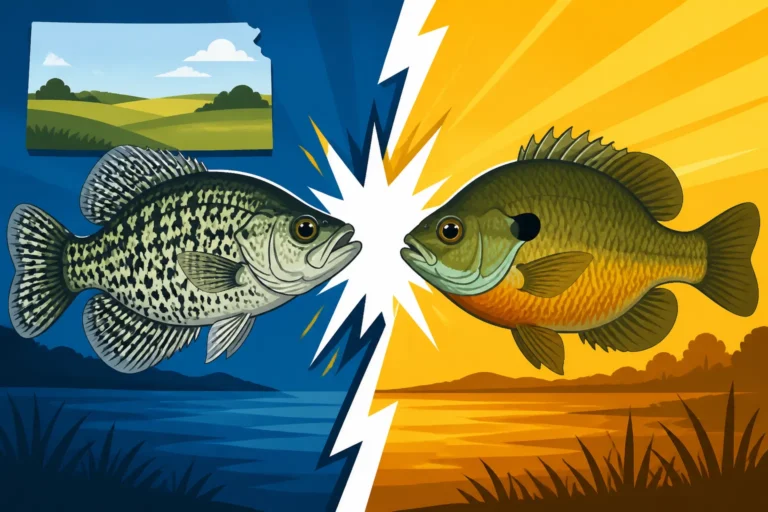
Crappie and sunfish physical differences, body shapes, and dorsal fins help Kansas anglers correctly identify these popular panfish.
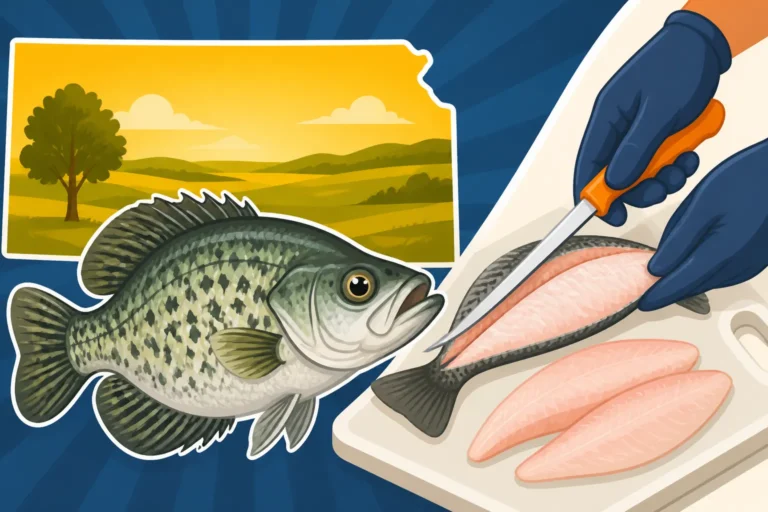
Proper crappie filleting techniques and tools help Kansas anglers maximize edible meat yield from a daily limit of fifty fish.
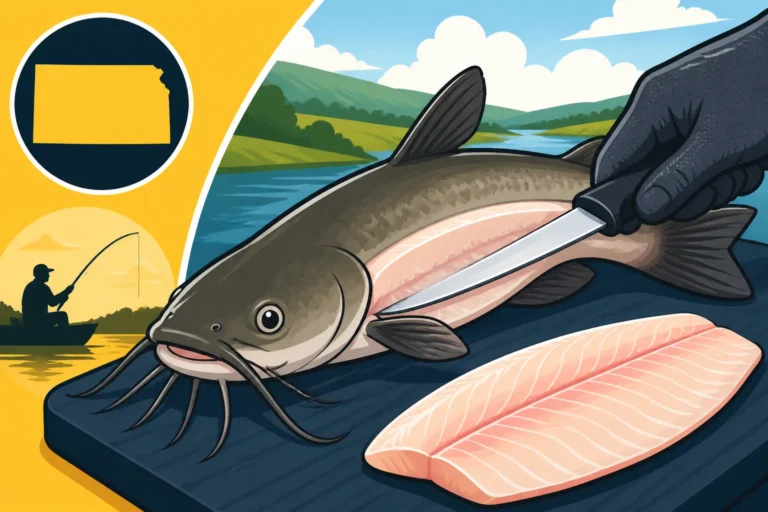
Channel catfish filleting requires a six to nine inch blade, a plastic cutting board, and cut resistant gloves.
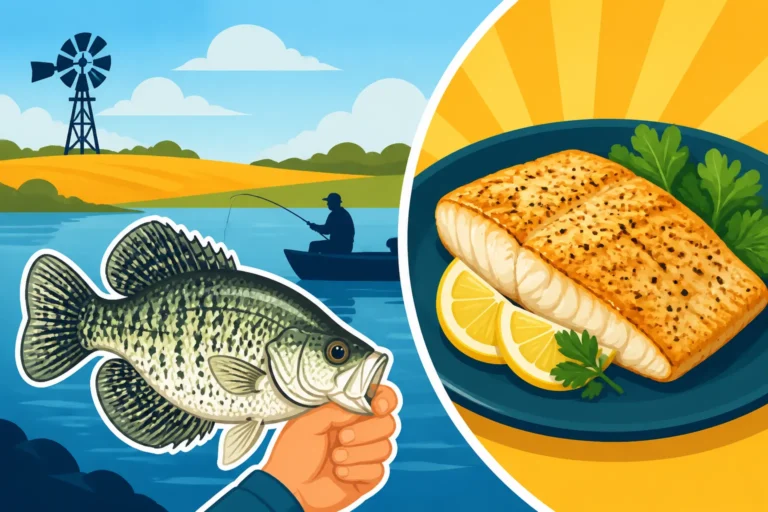
Kansas white and black crappie provide a sweet, mild flavor and flaky texture that make them a delicious wild-caught meal.
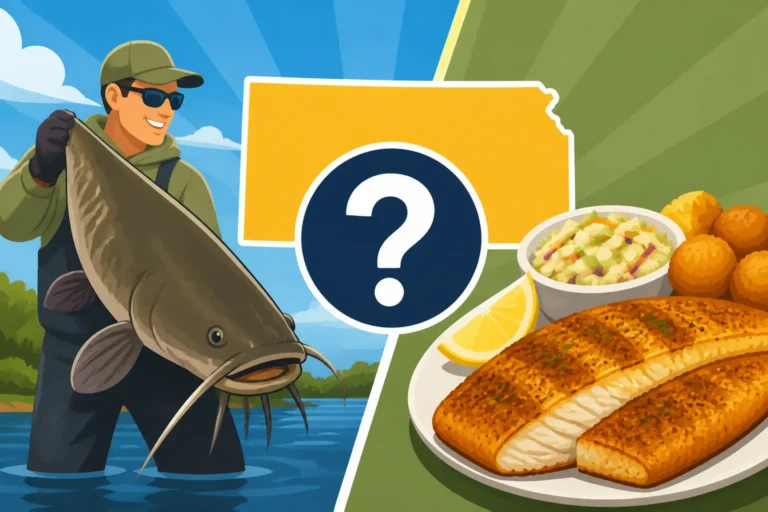
Flathead catfish flavor, texture, environmental factors, size considerations, and preparation methods for Kansas anglers.
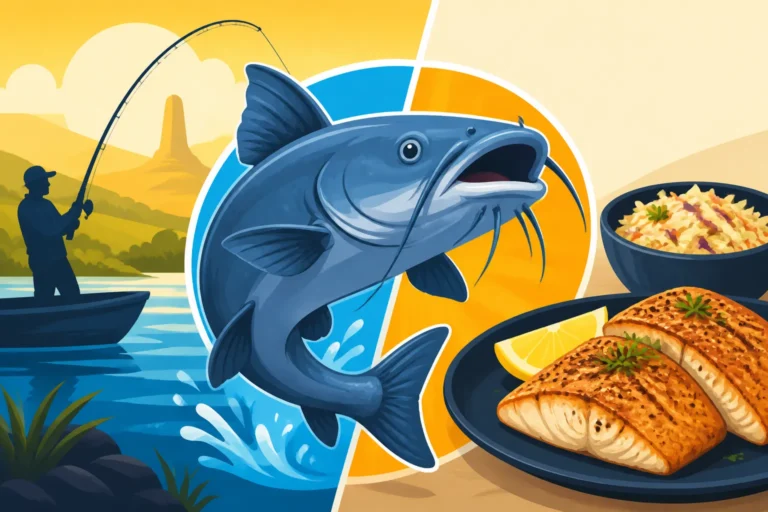
Kansas blue catfish flavor profiles, size impacts from five to thirty pounds, and water quality effects on meat.
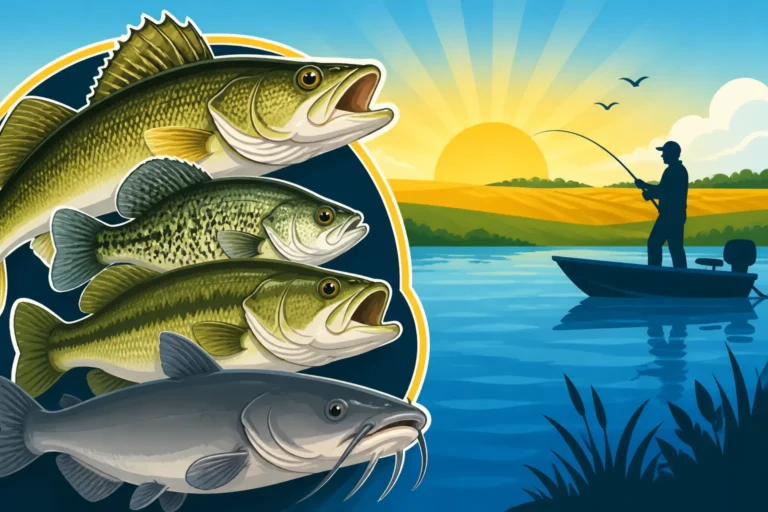
Kansas lake fish species like channel catfish, crappie, and bluegill offer mild flavor and flaky texture for family meals.
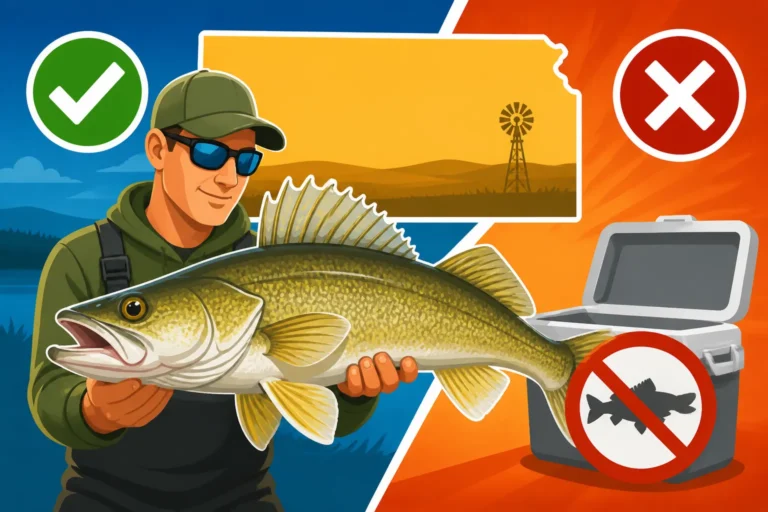
Kansas walleye length limits, protected slot rules, and specific regulations for Milford Lake and Cheney Reservoir trophy fish over 21 inches.
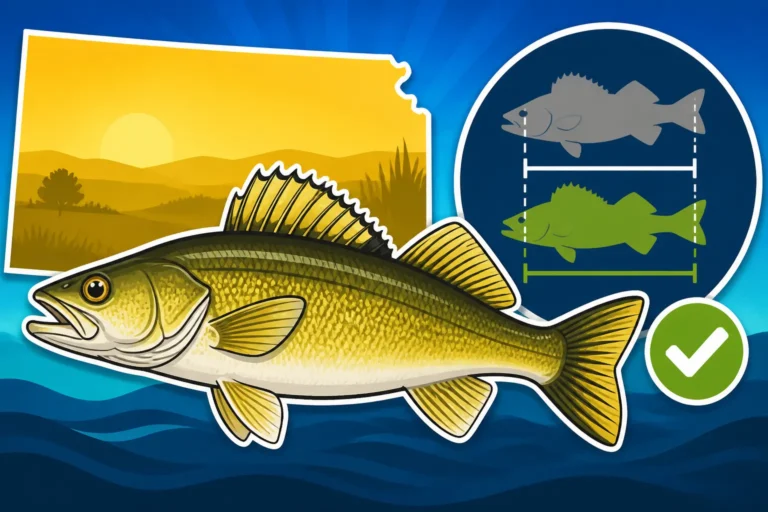
Kansas walleye regulations, including the twenty-one-inch minimum length and daily creel limit, protect fish populations.