Best Boat Size for Milford Lake
One of the biggest head-scratchers for anglers dreaming of casting lines on Milford Lake is figuring out what kind of boat will truly serve them best. It’s a huge body of water, and showing up with the wrong vessel can quickly turn a hopeful fishing trip into a day of frustration, discomfort, or even safety concerns. This guide will cut through the confusion, helping you understand the unique characteristics of Milford Lake and pinpoint the ideal boat size and type to maximize your enjoyment and angling success.
Understanding Milford Lake's Nature and Its Impact on Boat Size
Milford Lake isn't just another pond; it's a massive, dynamic reservoir that demands respect and the right equipment. Known as Milford Lake Is the Largest Lake in Kansas, its sheer size and exposure to Kansas weather patterns significantly dictate what kind of boat will provide a safe and enjoyable experience. Many anglers underestimate the lake's potential for rough conditions, which can be a costly mistake.
The Vastness and Open Water Challenges of Milford Lake
Imagine launching your small aluminum jon boat on a calm morning, only for a swift Kansas storm to roll in, whipping up whitecaps that make even navigating back to the ramp a harrowing ordeal. Milford Lake spans thousands of acres, meaning that while some coves and arms offer sheltered fishing, the main body of water is largely exposed. This open water acts like a wind tunnel, and even moderate winds can quickly create choppy conditions, turning what seemed like a gentle ripple into intimidating waves. A boat that feels perfectly stable on a smaller lake might feel like a toy on Milford, especially when you're trying to cross a wide expanse.
The distance you might need to travel from a boat ramp to your favorite fishing spot is another factor. Milford has numerous incredible fishing grounds, from the deep timbered coves to the sprawling flats, and getting to them often means covering significant distances. A slower, smaller boat might mean you spend more time traveling than actually fishing, especially if you have to contend with opposing winds and waves on your journey. It's not just about speed; it's about the ability of the hull to cut through chop efficiently and comfortably.
Weather Variability and Safety Considerations
Kansas weather is notoriously fickle. A sunny, calm forecast can turn into a windy, stormy reality in a matter of hours, sometimes minutes. This rapid change is amplified on large bodies of water like Milford Lake. A smaller boat, especially one with a low freeboard (the distance from the water to the boat's gunwale), is far more susceptible to taking on water in rough conditions. This isn't just uncomfortable; it's a serious safety hazard. The potential for capsizing or swamping significantly increases in a small boat during adverse weather.
Larger boats, with deeper V-hulls and higher freeboards, are designed to handle these conditions much more gracefully. They offer a smoother ride, which reduces fatigue and increases safety for everyone on board. When you're out on Milford, especially if you plan on venturing far from shore or fishing during seasons known for unpredictable weather, prioritizing a boat that can safely navigate through unexpected chop is paramount. Remember, a larger boat also typically allows for more safety gear, like extra life jackets and emergency communication devices, to be stored onboard without cluttering your fishing space. Reviewing a Kansas Life Jacket and Boating Safety Guide is always a good idea before heading out.
Factors to Consider When Choosing a Boat Size
Selecting the perfect boat size for Milford Lake isn't a one-size-fits-all equation. It hinges on your personal fishing style, how many people you typically bring along, and your practical considerations regarding storage and transport. Overlooking any of these can lead to buyer's remorse faster than a white bass strikes a shad.
Fishing Style and Target Species
Your angling preferences play a huge role in boat choice. Are you primarily a bank angler, perhaps only using a small boat to access coves, or do you spend hours trolling for Kansas Walleye Fishing Techniques in the main lake?
-
Bank Anglers and Shallow Water Access: If you prefer fishing from shore or only need to get to slightly out-of-reach coves, a smaller boat like a jon boat (10-14 feet) or even a sturdy kayak could suffice. These are excellent for navigating shallow waters or weed beds where bigger boats can't go. They're also easier to launch from less developed access points. However, they are highly susceptible to wind and waves on open water, making them impractical for crossing large sections of Milford. For those days you just need to scoot across a calm cove to get to a hidden brush pile, a smaller, highly portable option can be perfect.
-
Trolling and Open Water Fishing: If your goal is to spend full days on the main lake, trolling for walleye, wipers, or striped bass, you'll need a boat that can handle consistent chop and provide a stable platform. Boats in the 18-22 foot range with deep V-hulls are much better suited for this. They allow you to maintain speed and direction in waves, keep your lines in the water, and provide a comfortable ride for you and your crew. These boats often have more deck space for electronics like fish finders, multiple rod holders, and livewells, which are crucial for this type of fishing.
-
Bass and Crappie Fishing (Structure-Oriented): For targeting Kansas Crappie Fishing Techniques or bass around structure, you'll want a boat that offers stability for standing and casting, and precise maneuverability. Bass boats (18-21 feet) or larger multi-species boats with flat decks are ideal. Their powerful trolling motors allow for pinpoint positioning, and ample storage keeps your tackle organized. While these boats are designed for speed and performance, their lower profile can still be affected by strong winds on Milford's wide-open stretches, so choosing one with enough length and beam for stability is important.
Passenger Capacity and Comfort
Are you a solo angler, or do you bring your family and friends along? The number of people you typically have in your boat dramatically impacts the necessary size.
-
Solo or Duo Anglers: For one or two people, a smaller boat in the 14-16 foot range can be perfectly adequate, especially if you stick to calmer areas or don't venture too far. A smaller craft is easier to launch, retrieve, and store. However, even for just two, if you plan to fish the main body of Milford regularly, a slightly larger 16-18 foot multi-species boat will offer significantly more comfort and safety.
-
Family and Group Outings: If you frequently bring three or more people, especially kids or non-fishing companions who prioritize comfort and safety, you'll want to lean towards a larger boat, generally 18 feet or more. A bigger boat provides more seating, more room to move around, and less chance of feeling cramped. This extra space is also vital for storing gear, coolers, and personal items, ensuring everyone has enough room without tripping over tackle boxes. Imagine trying to manage three kids, their snacks, drinks, and fishing rods in a cramped 14-foot boat during a breezy afternoon on Milford—it's a recipe for chaos!
| Boat Type/Size (Avg.) | Ideal Passenger Count | Milford Suitability | Pros for Milford Lake | Cons for Milford Lake |
|---|---|---|---|---|
| Jon Boat (10-14 ft) | 1-2 | Limited | Shallow access, portable, inexpensive | Poor in waves, less stable, limited storage |
| Aluminum V-Hull (14-16 ft) | 1-3 | Moderate | Decent in chop, versatile, relatively easy to launch | Can still be rough in strong winds, less space |
| Fiberglass Bass Boat (18-21 ft) | 2-3 | Good | Fast, stable casting platform, excellent for bass/crappie | Lower freeboard can take on water in big waves, less ideal for sustained rough water |
| Multi-Species/Deep V (18-22+ ft) | 2-5 | Excellent | Handles rough water well, stable, ample storage, versatile | Heavier, requires larger tow vehicle, more expensive |
| Pontoon Boat (20-24+ ft) | 4-10+ | Good (calm days) | Very spacious, comfortable, good for family recreation | Poor in rough water, slow, less nimble for fishing |
Budget, Storage, and Towing Capabilities
Let's be realistic, the dream boat often comes with a dream price tag. Your budget will inevitably play a role, not just in the initial purchase, but also in ongoing costs like fuel, maintenance, insurance, and storage. Larger boats inherently cost more across the board.
-
Initial Cost: A brand-new 12-foot jon boat might cost a fraction of an 18-foot multi-species fiberglass boat. Factor in not just the boat itself, but also the motor, trailer, and essential electronics. You can find a wide range of boats through retailers like Bass Pro Shops or even used options on marketplaces like Amazon.
-
Towing Vehicle: A 20-foot fiberglass deep V boat with a large outboard motor and trailer can easily weigh over 3,000-4,000 pounds. You'll need a truck or a large SUV with a sufficient towing capacity to safely pull it to and from Milford Lake. Overloading your vehicle's towing capacity is incredibly dangerous and illegal. A smaller boat, conversely, might be towed by a sedan or a small SUV. This is a crucial, often overlooked, aspect of boat ownership.
-
Storage: Where will you keep your boat when it's not on the water? A small jon boat might fit in your garage, or even on a utility trailer in your driveway. A larger 20-foot boat, however, might require a dedicated storage spot, either at a marina or a larger parking area, adding another recurring expense. Consider the length of the boat plus the trailer tongue when measuring your storage space.
-
Launch and Retrieval: Larger, heavier boats require more effort and skill to launch and retrieve, especially at busy Best Boat Ramps on Kansas Reservoirs. While most ramps at Milford Lake can accommodate larger vessels, navigating a big boat and trailer can be intimidating for beginners. Smaller boats are much more forgiving.
Common Boat Types and Their Suitability for Milford Lake
When you hit the water at Milford Lake, you'll see a parade of different boat types, each with its own strengths and weaknesses. Understanding these will help you choose what fits your angling aspirations best.
Aluminum Jon Boats and V-Hulls: The Workhorses
These are often the first boats many anglers consider, and for good reason. They're typically more affordable, easier to maintain, and lighter to transport.
-
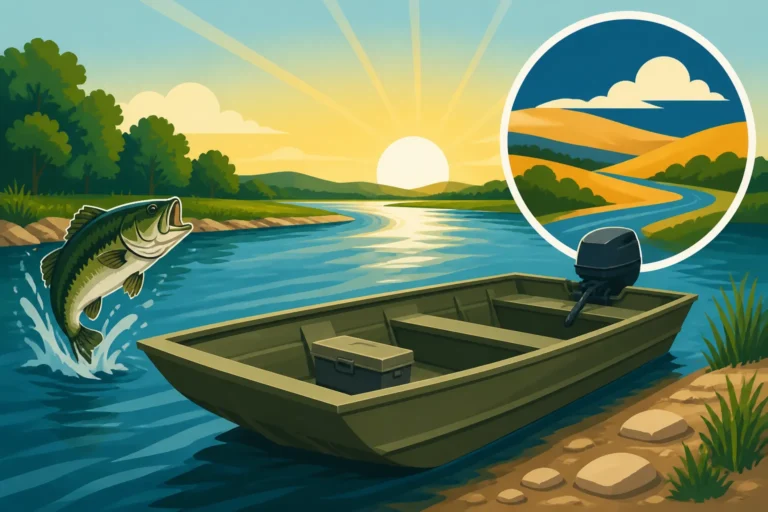
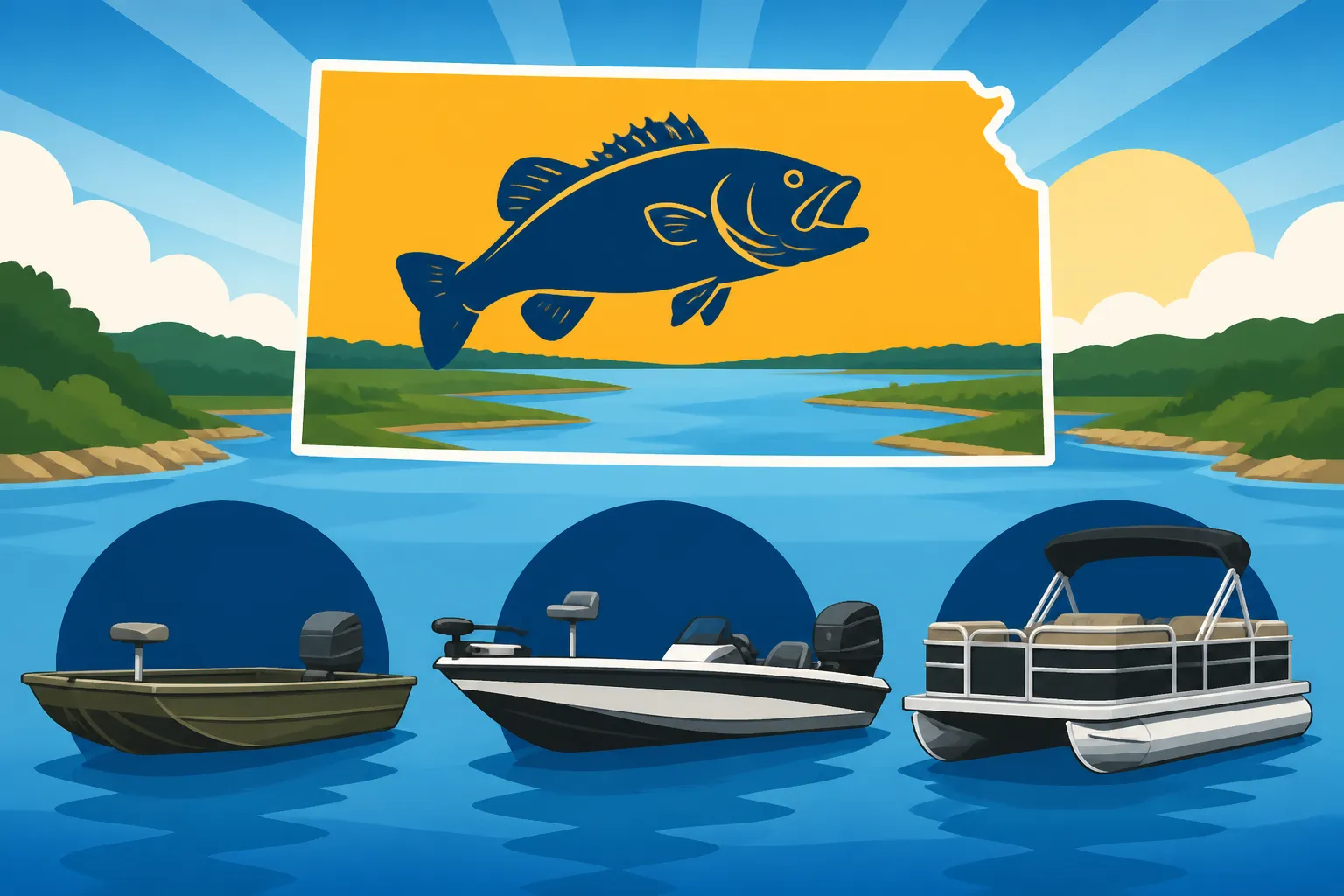
Jon Boats (10-14 feet): These flat-bottomed boats excel in shallow, calm waters, making them perfect for tucked-away coves or accessing hard-to-reach areas where you might target Kansas Crappie Length and Bag Limits or sunfish. They're also great for small rivers or farm ponds. However, their flat bottom means they pound terribly in chop, making them uncomfortable and unsafe on the open expanses of Milford Lake when winds pick up. For short excursions on perfectly calm days, they can work, but they are not recommended for extensive use on the main lake. If your primary goal is Fishing Rules for Private Ponds in Kansas and only occasional, careful forays onto Milford, a jon boat might be a budget-friendly option.
-
Aluminum V-Hulls (14-18 feet): A step up from the jon boat, these feature a V-shaped hull that helps cut through waves, offering a smoother ride. They are versatile, capable of handling moderate chop, and often come equipped with livewells, rod storage, and comfortable seats, making them good all-around fishing boats. A 16 to 18-foot aluminum V-hull can be a fantastic choice for Milford Lake, especially if you're mindful of weather conditions and don't push its limits in rough seas. Many popular models are designed as multi-species boats, great for chasing walleye on the flats one day and crappie in the timber the next. The lighter weight still makes them easier to launch and tow than their fiberglass counterparts.
Fiberglass Bass Boats and Multi-Species Rigs: Performance and Comfort
These boats are for anglers who demand more from their vessels, often prioritizing speed, stability for casting, and the ability to handle larger waters.
-
Fiberglass Bass Boats (18-21 feet): Synonymous with competitive bass fishing, these boats are built for speed and providing a large, stable casting platform. They offer comfortable seating, powerful trolling motors, and extensive storage for tackle. On Milford Lake, a bass boat will get you to your spot quickly and allow you to fish effectively, especially when targeting El Dorado Lake Bass Fishing or Kansas Smallmouth Bass Facts. However, their lower profile and shallower V-hull (compared to a deep V) can make them prone to taking on spray or getting a rough ride in significant chop. While they are very stable when on the trolling motor, running across a wide-open, windy Milford can be a bumpy and wet experience.
-
Fiberglass Multi-Species/Deep V Boats (18-22+ feet): These are often considered the "ultimate" boats for large reservoirs like Milford. Their deep V-hulls are designed to slice through big waves, providing a remarkably smooth and dry ride even in rough conditions. They typically have high freeboards for safety, ample storage, large livewells, and spacious decks that can accommodate multiple anglers and different fishing styles, from trolling to casting. If you plan on fishing Milford Lake frequently, especially for species like walleye or wipers that inhabit open water, and you want maximum comfort and safety in variable weather, a multi-species deep V boat is likely your best bet. Brands often found at retailers like Bass Pro Shops excel in this category.
Pontoon Boats: The Family and Leisure Option
While not traditionally seen as hardcore fishing machines, pontoons have grown in popularity for their comfort and versatility.
- Pontoon Boats (20-24+ feet): Pontoons are essentially floating platforms, offering immense deck space, comfortable seating, and incredible stability in calm water. They are fantastic for family outings, cruising, and relaxed fishing, especially for panfish or bottom fishing in sheltered coves. They can handle Milford Lake well on calm days, providing a social and spacious environment. However, their flat, wide design means they catch a lot of wind, making them difficult to control in breezy conditions, and they perform poorly in choppy water, giving a very bouncy and wet ride. They are also much slower than V-hull boats, meaning longer travel times across the lake. If your priority is family fun with some casual fishing mixed in, and you're willing to stick to fair weather, a pontoon could be a good fit.
Practical Considerations for Boating on Milford Lake
Choosing the right boat isn't just about the vessel itself; it's about integrating it into your entire fishing and boating lifestyle. There are ongoing considerations that impact your long-term satisfaction and experience on Milford.
Maintenance, Fuel, and Long-Term Costs
Buying a boat is one thing; owning and maintaining it is another. Larger, more complex boats, especially those with powerful outboards, will incur higher ongoing costs.
- Fuel Consumption: A bigger engine on a bigger boat will burn more fuel. If you're running long distances across Milford regularly, these costs add up quickly. Consider the fuel efficiency of different engine sizes and types when making your choice.
- Maintenance: More sophisticated engines and systems require more maintenance. Routine servicing, winterization, and potential repairs can be significant expenses. Aluminum boats are generally lower maintenance than fiberglass boats, which might require gel coat repair or waxing. Keep an eye on the trailer as well – tires, bearings, and lights all need attention.
- Insurance: Larger, more expensive boats will naturally have higher insurance premiums. It's wise to get insurance quotes for different boat sizes before committing to a purchase.
- Registration and Permits: Don't forget the necessary paperwork! You'll need to adhere to Kansas Boat Registration Guide rules, which includes regular renewals and displaying your registration numbers.
Electronics and Accessories for Enhanced Fishing
Modern fishing often relies heavily on technology. A larger boat provides the space and power for a more advanced electronics setup.
- Fish Finders and GPS: A quality fish finder with GPS capabilities is almost essential for serious fishing on Milford Lake. Larger boats can comfortably mount larger screens and more powerful transducers, providing clearer images of structure and fish. Systems you might find on Amazon or at Bass Pro Shops range from basic to highly advanced, offering features like side imaging or live sonar. These are invaluable for navigating Milford Lake Fishing Guide effectively and finding productive spots.
- Trolling Motors: A robust trolling motor is crucial for precise boat control, especially when fishing structure or holding your position against wind and current. Larger boats can accommodate heavier-thrust trolling motors, often with GPS Spot-Lock features, which are a game-changer on a big lake like Milford.
- Rod Holders and Storage: Deeper V-hulls and larger boats offer more built-in storage for rods, tackle, and safety gear. This keeps your deck clutter-free and your expensive equipment protected. Integrated rod holders are also key for trolling multiple lines or simply keeping rods secure while running.
Trailering and Launching: Getting Your Boat to the Water
Even the perfect boat is useless if you can't get it to the lake. Your comfort and capability with trailering are paramount.
- Trailer Size and Type: Larger boats require heavier-duty trailers, often with tandem axles for better stability and weight distribution. Ensure your trailer is properly sized for your boat and that your towing vehicle can handle the combined weight.
- Driving with a Trailer: Driving with a larger boat trailer requires practice. Backing up, maneuvering in tight spaces, and navigating traffic can be challenging. Many anglers opt for smaller, easier-to-handle boats if they are uncomfortable with extensive trailering.
- Launching and Retrieval: While Milford Lake has excellent Public Boat Ramps at Milford Lake, launching a large boat can still be a multi-person job, especially on busy weekends. Consider how easily you can launch and retrieve your chosen boat size, particularly if you often fish solo. A smaller boat or even a Kansas Kayak Fishing Gear Guide option will be far less demanding in this regard.
Ultimately, the "best" boat size for Milford Lake isn't just the biggest or fastest; it's the one that perfectly balances safety, comfort, fishing efficiency, and your practical considerations. Take your time, weigh these factors carefully, and you'll find yourself enjoying countless successful days on the water.
Disclaimer
This article is for general informational purposes only and does not constitute professional advice. Laws, prices and regulations vary by location and change over time. Consult a qualified professional for guidance on your specific situation.