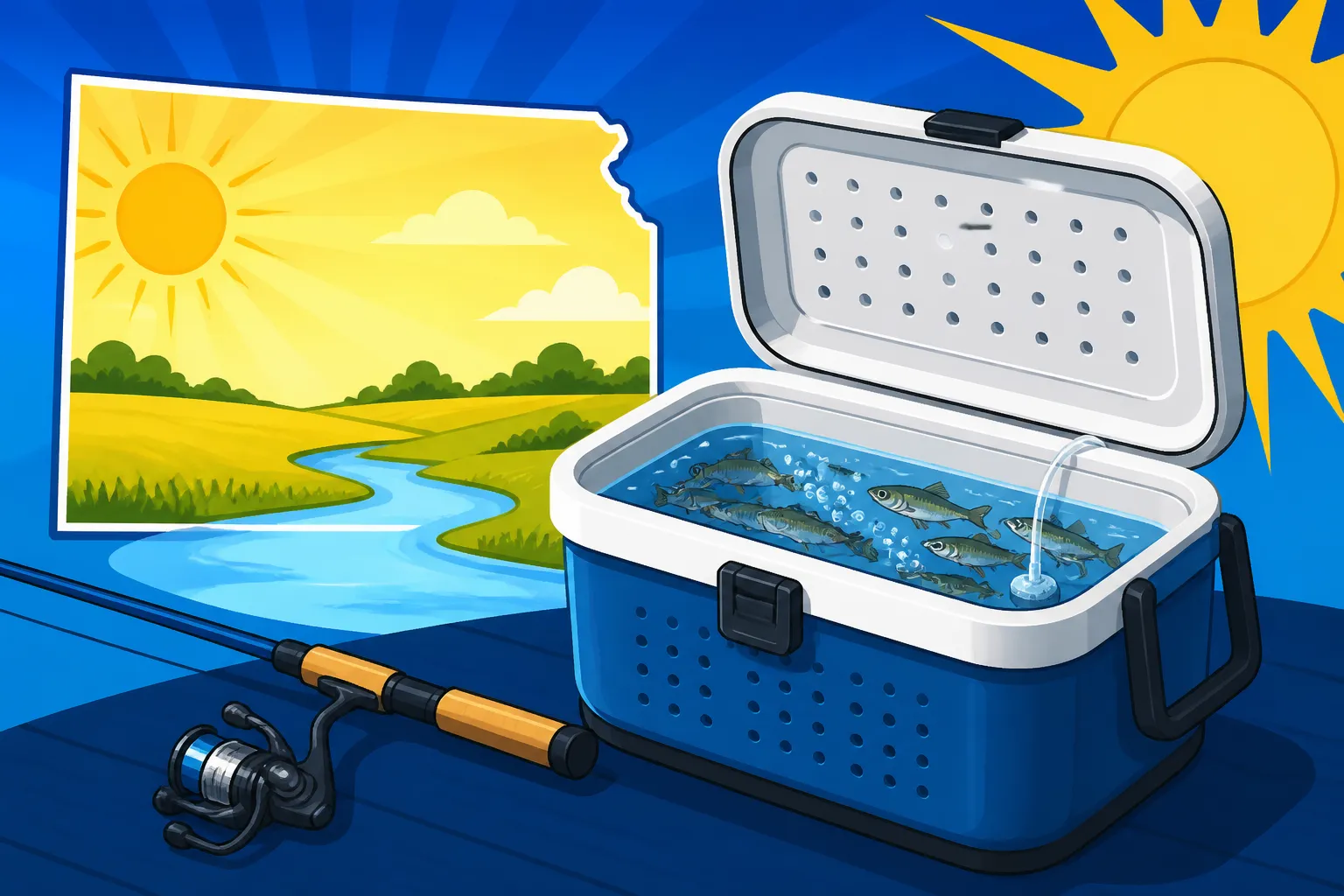
Best Live Bait Container for Summer Trips
There's nothing quite as frustrating as showing up at your favorite Kansas fishing hole, full of anticipation, only to find your carefully gathered live bait has gone belly-up before you even make your first cast. The brutal Kansas summer heat can turn a lively bucket of minnows into a mournful collection of floaters in what feels like mere minutes, especially when you’re driving down a dusty road or baking in the direct sun. This guide is here to help you conquer that challenge, diving deep into the world of live bait containers designed to keep your precious bait frisky and ready for action, even on the hottest days.
The Summer Struggle: Why Live Bait Dies in the Heat
Let's face it, Kansas summers are no joke. That scorching sun and often still, humid air can be absolutely brutal, not just for us anglers, but even more so for delicate live bait. It's a common story: you pick up a dozen fat minnows, thinking you're all set, and by the time you get to Milford Lake Fishing Guide or Cheney Reservoir Fishing Guide, half of them are already listless or worse. Understanding why this happens is the first step to preventing it.
Oxygen Depletion in Warm Water
One of the biggest culprits is the relationship between water temperature and oxygen. Cold water holds more dissolved oxygen than warm water. Think about it like a fizzy drink; it stays fizzy longer when it's cold. As the water in your bait bucket heats up, its capacity to hold oxygen drops significantly. Simultaneously, the bait fish become more active in the warmer water, their metabolism speeds up, and they require more oxygen to survive. It's a double whammy: less oxygen available, and a greater demand for it. This rapid oxygen depletion is often the primary cause of bait dying prematurely.
Imagine a small minnow in a bucket on a 95-degree day. The water might quickly climb to 85 degrees or higher. That minnow is suddenly in a low-oxygen, high-stress environment, essentially suffocating. This is particularly true for sensitive bait species like shad or some minnows that are not as hardy as, say, a tough old bullhead. The stress of being transported, combined with the rising temperature and dwindling oxygen, creates a perfect storm for fish mortality.
The Impact of Overcrowding and Waste
Another often-overlooked factor is overcrowding and the accumulation of waste. Even if your water starts cool and oxygenated, a dozen minnows in a small, uncirculated bucket are constantly releasing ammonia and other waste products. These toxins quickly build up, polluting the water and further stressing the bait. In warm water, this process accelerates dramatically. The bacteria that break down waste also consume oxygen, adding to the depletion problem.
Think of it like a tiny, self-contained ecosystem spiraling out of control. Each fish contributes to the problem, and without proper circulation and filtration, the water quality rapidly deteriorates. When you combine this with low oxygen levels, it's no wonder your bait doesn't last. Many anglers, myself included, have learned the hard way that trying to cram too much bait into too small a container is a recipe for disaster, especially when the sun is beating down on Kansas Summer Fishing Guide.
Key Features to Look for in a Summer Bait Container
So, how do we fight back against the summer struggle? It all starts with choosing the right live bait container. This isn't just any old bucket; it's a critical piece of gear that can make or break your fishing trip. When you're out there under that Kansas sun, you need a container that's built for survival.
Superior Insulation and Temperature Regulation
The absolute first thing you should prioritize is insulation. Just like a good cooler keeps your drinks cold, a well-insulated bait container helps maintain a stable, cool water temperature, delaying the inevitable rise in temperature and preserving oxygen levels. Look for containers with thick, dense foam insulation, often found in high-quality portable coolers. Even a few degrees cooler can make a huge difference in your bait's longevity.
Some of the best containers feature double-wall construction with a layer of insulating material in between. This isn't just about keeping the heat out; it's also about preventing rapid temperature fluctuations, which can shock and kill bait just as effectively as extreme heat. While adding ice bottles (more on that later!) is a great strategy, good insulation means you'll need less ice and the temperature will remain more consistent throughout the day. It’s like having a mini-refrigerator for your minnows.
Effective Aeration Systems
Next up, and equally vital, is an effective aeration system. Given that warm water holds less oxygen and bait demands more, constant replenishment of oxygen is non-negotiable. An aerator pumps air into the water, creating bubbles that increase the dissolved oxygen levels. This counteracts the natural depletion and helps your bait breathe easy.
When considering an aerator, think about power source and reliability. Many portable bait containers come with battery-operated air pumps, which are fantastic for bank fishing or small boats. Look for models that use D-cell batteries for longer life, or even rechargeable lithium-ion packs. If you have access to a 12V power source on your boat, some larger aerators can plug directly in, offering continuous, powerful aeration. The best aerators also have adjustable air stones or diffusers to create fine bubbles, which are more efficient at transferring oxygen than large, burping bubbles. You can find a wide range of these systems, from basic clip-on pumps to more integrated units, at stores like Bass Pro Shops or through online retailers like Amazon. Having a reliable Best Aerator for a Live Bait Tank is a game-changer.
Adequate Size and Smart Design
The size and design of your container are also crucial. While you don't want something so massive it's cumbersome, it needs to be large enough to comfortably hold your intended amount of bait without overcrowding. A good rule of thumb is at least one gallon of water per dozen average-sized minnows, and more for larger baitfish like shad or suckers.
Beyond sheer volume, consider the shape and features. A wide, shallow container offers a larger surface area for oxygen exchange, even with aeration. A secure, easy-to-open lid is important for quick access, but it should also prevent splashes and accidental spills, especially when moving. Built-in net liners or bait buckets that can be easily lifted out are incredibly helpful for quickly grabbing bait without constantly dipping your hands into the water, which can stress the fish and transfer oils. Some containers even have internal dividers for different bait types or to keep bait separated during transport.
Types of Live Bait Containers for Different Needs
Just like there are different types of fishing, there are different types of live bait containers, each suited for specific situations and angler preferences. The "best" one for you really depends on what kind of fishing you do, how much bait you need, and how long you need to keep it alive.
Portable Aerated Minnow Buckets
These are perhaps the most common and versatile options for the average angler. Picture a sturdy, insulated cooler-style bucket, often around 5-10 gallons, with a battery-operated aerator built into the lid or clipped onto the side. They are fantastic for bank fishing at your local Kansas Community Fishing Lake Rules or for smaller boats where space is a premium. Many are designed with a removable inner bucket that makes it easy to drain old water and refill with fresh without losing your bait.
The beauty of these units lies in their self-contained nature. You just add bait, water, turn on the aerator, and you’re good to go. Brands often integrate insulation directly into the walls, providing a solid barrier against the heat. I've used these extensively for crappie fishing with minnows or for Kansas Channel Catfish Daily Limit with shad, and they've been reliable workhorses. They're usually quite durable, able to withstand being jostled around in the truck bed or kayak. You can find a wide selection of these at places like Bass Pro Shops, complete with various features like integrated bait nets and insulated lids.
Dedicated Livewells for Boats
If you’re a boater, especially if you target species like walleye or bass where live bait can be crucial, a dedicated livewell is often the way to go. These are built-in compartments in your boat, typically with their own pump systems that continuously circulate fresh lake water and aerate it. Modern livewells are designed for maximum bait comfort, often featuring rounded corners to prevent bait from bumping and bruising, insulated walls, and efficient aeration systems.
The main advantage here is volume and continuous operation. You can often keep a much larger quantity of bait alive for extended periods, and you don’t have to worry about batteries dying. Some advanced livewell systems even have timers or automatic sensors that turn the pumps on and off to conserve battery life while still ensuring optimal oxygen levels. While you don't "buy" a livewell in the same way you buy a bucket, understanding their features can help you optimize your existing boat's system or choose a boat with a superior livewell if you're upgrading. Many serious anglers consider a good livewell an essential part of their Best Boats for Kansas Reservoirs setup.
Insulated Coolers with Aftermarket Aeration
For anglers who want maximum flexibility or already own a high-quality cooler, converting it into a live bait container is a popular and effective option. This involves using a premium insulated cooler (like those designed for camping) and adding an aftermarket aerator. The advantage here is that you often get superior insulation compared to many purpose-built bait buckets.
You can purchase powerful, portable aerator units that clip onto the side of any cooler or even sit inside it. Many of these aerators are designed for serious duty, offering strong airflow and long battery life. This setup allows you to customize the size of your bait container to your specific needs, from a small personal cooler for a few dozen minnows to a large rotomolded cooler that can keep hundreds of shad alive for an entire weekend. When selecting an aftermarket aerator, look for durable construction, quiet operation, and a robust air stone. Amazon is a great place to browse the vast array of clip-on and submersible aerators available, often with user reviews highlighting their effectiveness in various conditions.
Specialty Worm and Crawfish Containers
While minnows and shad get a lot of attention, worms, nightcrawlers, and crawfish are also incredibly effective live baits, especially for Kansas Catfish Fishing Techniques or panfish. These baits have different requirements than fish, so dedicated containers are often best.
For worms and nightcrawlers, breathable, insulated foam containers or plastic tubs with specific bedding (like peat moss or shredded newspaper) are ideal. The key is to keep them cool, dark, and slightly moist. Many come with aeration holes or breathable lids that prevent suffocation without allowing them to dry out. For crawfish, a sturdy, well-ventilated bucket with a small amount of water or damp newspaper on the bottom works well. They need air and moderate temperatures more than they need to be fully submerged. Overcrowding and direct sunlight are still major enemies for these baits. Investing in a specific worm container means your bait will be in prime condition, wriggling and enticing, every time you reach for it.
Essential Tips for Keeping Bait Alive Longer
Even with the best live bait container, there are additional steps you can take to ensure your bait stays lively and productive throughout your summer fishing trip. These are the little tricks that experienced anglers swear by, especially when targeting Kansas Walleye Fishing Techniques or Kansas Crappie Fishing Techniques where fresh bait can be the difference-maker.
Manage Water Temperature with Frozen Bottles
This is perhaps the simplest yet most effective hack for keeping bait water cool. Instead of dumping ice cubes directly into your bait bucket, which will melt and dilute the water, introducing harmful chlorine if it’s tap water, freeze a few plastic water bottles or small soda bottles. These frozen bottles can be placed directly into your bait container. They slowly release their cold without changing the water chemistry.
The goal isn't to make the water ice-cold, but to keep it consistently cool – ideally in the 60-70 degree Fahrenheit range for most baitfish. On a really hot day, you might need to swap out bottles every few hours. This method, combined with good insulation, will significantly extend the life of your bait. Always pack a few extra frozen bottles in your main cooler, ready to deploy as needed. This simple trick dramatically reduces stress on the fish and slows down their metabolism, thus reducing oxygen demand.
Avoid Overcrowding and Regular Water Changes
As mentioned earlier, overcrowding is a silent killer for live bait. It leads to rapid oxygen depletion and a buildup of toxic waste products. Resist the urge to pack in "just a few more" minnows. Give your bait enough space to swim comfortably. When you buy bait, if you feel like the shop is giving you too many for your bucket, ask for fewer or be prepared to release some or use a larger container.
Regular water changes are also critical, especially if you don't have a continuously circulating livewell. If your bait bucket water starts to look murky or smell off, it's time for a change. When fishing on a lake or river, you can usually net your bait, discard the old water, and refill with fresh, ambient water from your fishing location. This helps dilute waste products and replenishes some oxygen. Just be mindful of sudden, drastic temperature changes between the old and new water, which can shock the bait. Try to change out smaller amounts of water more frequently, rather than a full dump, to ease the transition.
Use Water Conditioners and Proper Handling
Just like aquarium fish, live bait can benefit from water conditioners. Products designed to remove chlorine and chloramines from tap water are a must if you're starting with city water. Some conditioners also help neutralize ammonia and reduce stress during transport. A small bottle of these additives can be a lifesaver for your bait. You can usually find these at fishing shops or pet stores in the aquarium section.
Proper handling of your bait is also key. Every time you grab a minnow, you're stressing it. Use a small, soft net to scoop out bait rather than your bare hands, which can strip their protective slime coat or transfer oils. Return unused bait gently to the water. Minimize the time bait spends out of water. Every bit of gentle care helps your bait survive longer and appear more appealing to that hungry Kansas Walleye Minimum Length Limit of 21 Inches you're trying to catch.
Strategic Placement and Monitoring
Where you place your bait container can have a huge impact. On a boat, keep it in the shade if possible, or under a damp towel to prevent direct sunlight from heating the water. Avoid placing it directly on hot surfaces like boat decks or truck beds. On the bank, find a shaded spot under a tree or even partially submerged in the coolest part of the water if safe and practical.
Throughout your trip, keep an eye on your bait. Are they swimming actively or lethargically gasping at the surface? Lethargy is a sign of low oxygen or poor water quality. Don't wait until half your bait is dead to take action. Proactive management, like swapping out a frozen bottle or doing a partial water change, is far more effective than trying to revive dying bait. By following these tips, your Best Live Bait Container for Summer Trips will truly live up to its name, ensuring you have lively bait throughout your fishing adventures.
Disclaimer
This article is for general informational purposes only and does not constitute professional advice. Laws, prices and regulations vary by location and change over time. Consult a qualified professional for guidance on your specific situation.